The Troubled History of Alternative Medicine
The incorporation of elements of non-Western medicine by biomedical institutions in the United States has been called complementary, integrative, or “alternative” medicine. But to offer acupuncture, yoga, or herbal medicine within a biomedical clinic is a radically different context from those in which these therapeutic practices were first developed.
In this lecture, Shireen Hamza will explore the long histories of these traditions, their transformation through colonialism, and the plural approach of several “people’s medicine” initiatives, including the Black Panthers. The history and philosophy of science can help us understand the epistemological and political choices behind the inclusion of certain practices, and not others, within “alternative” or “integrative” medicine today.
Agenda
- 6pm–7pm | Lecture
- 7pm-8pm | Reception
About the Speaker
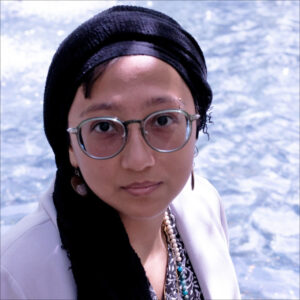
Shireen Hamza’s dissertation project is a reassessment of the concept of “Islamic medicine” by studying this scholarly medical tradition, ṭibb, across the Indian Ocean World. Working on texts of both Galenic and Ayurvedic medicine composed in Arabic and Persian between the 13th and 15th centuries, she shows the coexistence of and exchange between multiple traditions of healing. Focusing on medicine at medieval courts, madrasas, and port cities in Yemen and Gujarat, she traces the circulation and transformation of disease categories and medicinal substances. Her work has been supported by the Social Science Research Council and the Fulbright Commission.
As part of her secondary field in critical media practice, she explores questions of gender and historical memory with contemporary practitioners of Unani medicine in India. She is a managing editor for the Ottoman History Podcast, and wrote and produced Ventricles, a podcast on science outside the West.
About Science and Society
Our Science and Society speaker series explores the history of science embedded in our everyday lives. We invite scientists, historians, policymakers, and educators for engaging, in-depth conversations that expand our perspectives. Program formats include lectures, interviews, roundtables, and book launches. Science and Society events are curated for an adult audience, fostering curiosity, conversation, and interactivity. Each evening concludes with a free reception with the speakers.
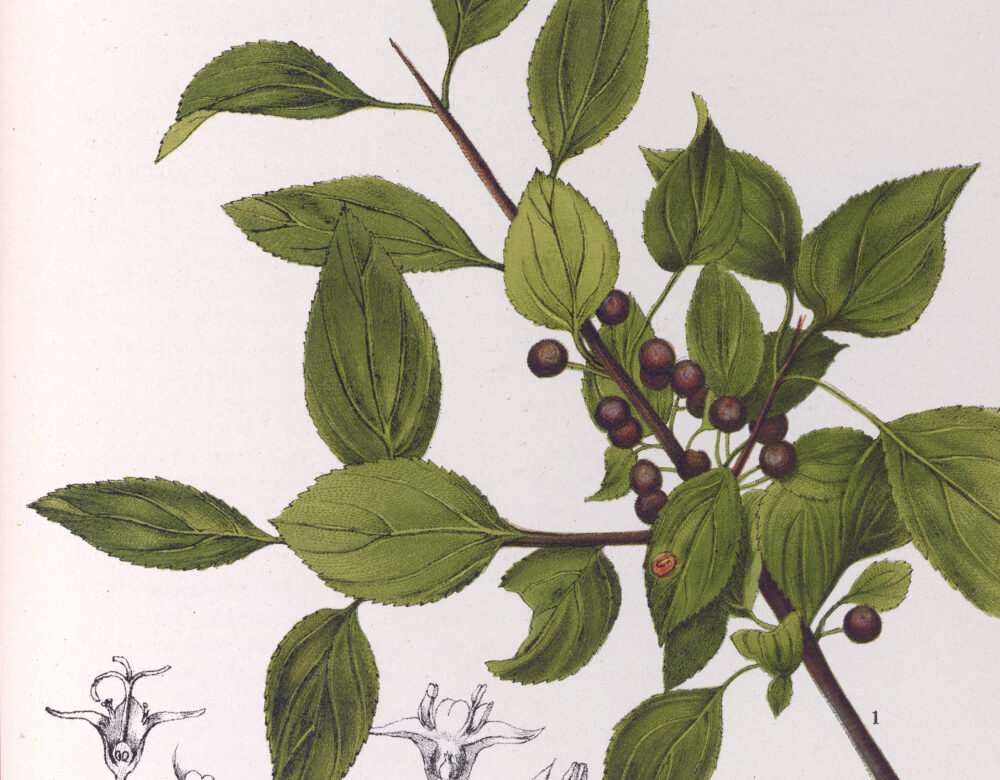
Featured image from Medicinal Plants: An Illustrated and Descriptive Guide to Plants Indigenous to and Naturalized in the United States, Volume I, by Charles Frederick Millspaugh, 1892.
More events
Delaware River Festival 2026
Institute staff will be on hand at the 8th annual celebration of the mighty Delaware with fun, water-themed activities and giveaways.
Unwell Waters Highlights Tour
Join our museum educators at 11:30am or 2pm as we visit the history of medicine exhibit to learn about waterborne epidemics from Pennsylvania’s past.
Stories of Science: Back to School
Join us in our museum EVERY SATURDAY for a family-friendly program that highlights strange and surprising stories from the history of science!