
Friends of the Wissahickon Features Guest Blog Post by Institute’s Curatorial Affairs Director
Jesse Smith shares his insights into microplastics and the history of water protection through our ‘Downstream’ exhibition.
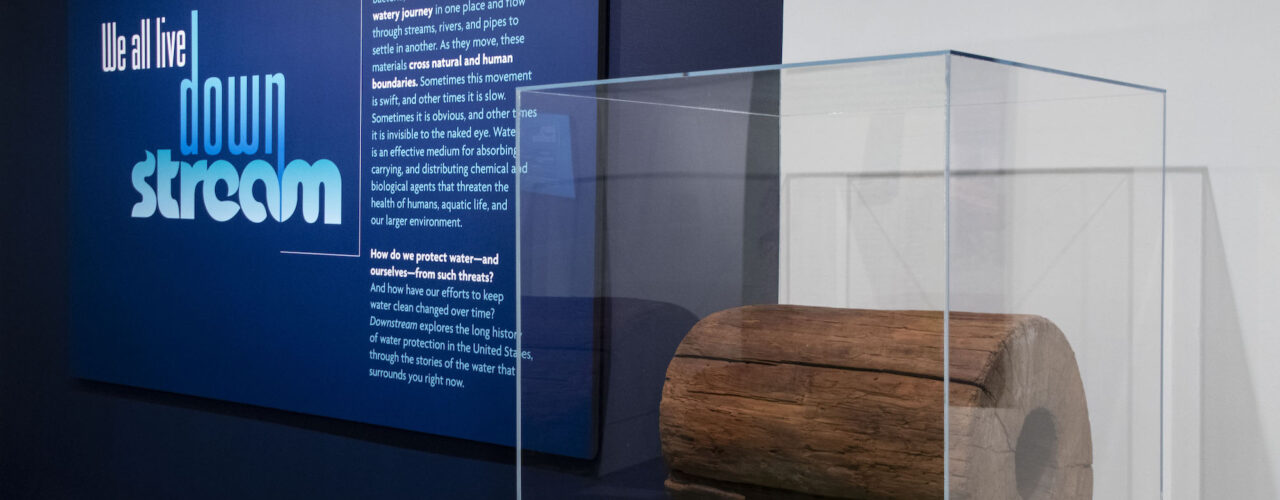
The Science History Institute has teamed up with nonprofit organization Friends of the Wissahickon (FOW) for a guest blog post titled “Microplastics and the History of Water Protection.”
Penned by Jesse Smith, the Institute’s director of curatorial affairs, the story offers insight into microplastics and how this teeny, tiny material has put the health of our environment at risk. He also uses our current Downstream exhibition as an example of the long and ongoing history of water protection, which began more than 200 years ago when the city of Philadelphia needed a clean water supply.
“Building on more than two centuries of water research and protection, [scientists] work to understand how materials that improve life in certain places—such as antibiotics and fire-fighting foams—can pose risks when they’re instead found in water.”
Read “Microplastics and the History of Water Protection” >>
The post also follows the FOW’s nearly 100-year mission of working tirelessly to keep Wissahickon Park clean, accessible, and ecologically healthy, and to protect its watersheds, which in turn protects the drinking water of 350,000 Philadelphians.
About the Friends of the Wissahickon
Since 1924, the Friends of the Wissahickon has served as a steward for Philadelphia’s Wissahickon Valley Park. Its mission is to conserve the natural beauty and wildness of the park and generate public interest. Supported by its 3,000 members and volunteers, FOW implements projects that encourage balanced regeneration of native plant and wildlife species, reduce stormwater erosion, and preserve the man-made trails, bridges, and other park structures.
More News
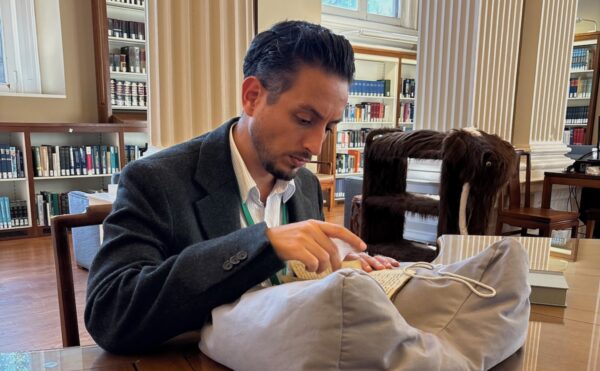
Applications for 2027–2028 Beckman Center Fellowships Now Open
Researchers can apply by January 15 for various long- and short-term programs, including two-year curatorial fellowships.
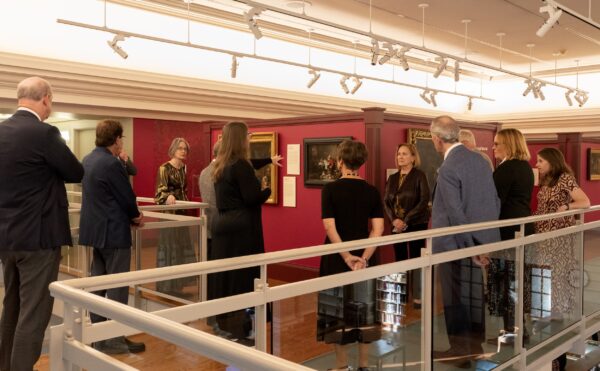
New Alchemy Exhibition Draws Sold-Out Crowd to Opening Celebration
Attendees take an up-close look at paintings and rare books from the Institute’s Fire and Gold exhibit while enjoying a curator’s talk, activities, and light bites.
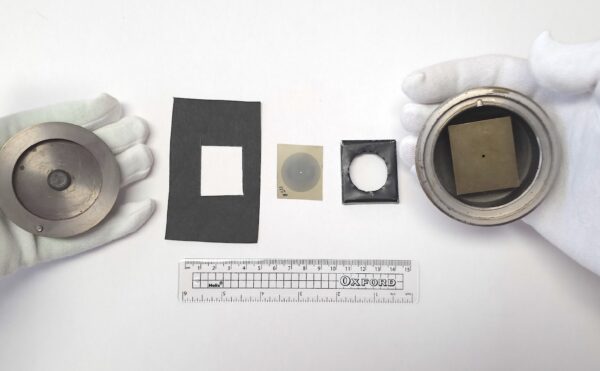
New Research Challenges Misconceptions about Rosalind Franklin’s Famed ‘Photo 51’ and the Discovery of DNA’s Double Helix
Paper by the Science History Institute’s Alistair Sponsel and King’s College London’s Brian Sutton uncovers the significance of her previously captured Photo 49.