

Science History Institute Hosts Food Drive to Support Philadelphia’s Old Pine Community Center
Donations of non-perishable items can be dropped off in the Institute’s lobby now through December 19.
The Science History Institute is hosting a food drive in partnership with Old Pine Community Center, a Philadelphia-based nonprofit organization that provides weekly grocery care packages and hot meals on weekends for families experiencing food insecurity. Donations of non-perishable goods are being accepted now through Friday, December 19. Collection bins are located in our museum lobby, which is open Wednesday through Saturday, 10am to 5pm. Donors will receive 5% off all items in our gift shop.
All food is appreciated, but the following is a list of the most-needed items:
- peanut butter
- jelly
- tuna
- cereal
- soup
- gravy
- pasta
- tomato sauce
- cooking essentials such as broth, oil, and spices
No glass containers or expired food, please. You can also donate via Old Pine’s Amazon Wish List.
About Old Pine Community Center
Since 1977, Old Pine Community Center’s mission has been to enrich the lives of its neighbors through programs and services focused on addressing food insecurity, supporting children and families, and building community engagement. The Center’s work is responsive to and informed by the community, addressing unmet or undermet needs.
Featured image: Detail of Metalam Makes Your Meal Complete, advertisement for film-and-foil packaging manufactured by the Dobeckmun Company, 1963.
More News
Science History Institute Hosts Food Drive to Support The NeighborHub
Donations of non-perishable items can be dropped off in the Institute’s lobby now through December 18.
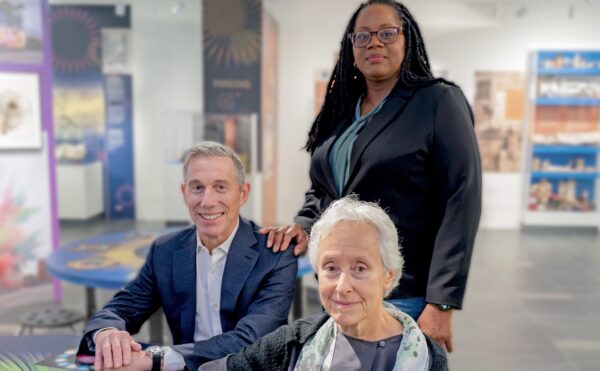
Science History Institute Welcomes 3 New Board Members
Research, pharmaceutical, and technology leaders Jane Frommer, Greglynn Gibbs, and Geofrey Wyatt will help support the Institute’s mission and strengthen our industry relationships.
Applications for 2027–2028 Beckman Center Fellowships Now Open
Researchers can apply by January 15 for various long- and short-term programs, including two-year curatorial and NEH-funded postdoctoral fellowships.