
Animals in Historic Philadelphia: Food, Labor, and Industry
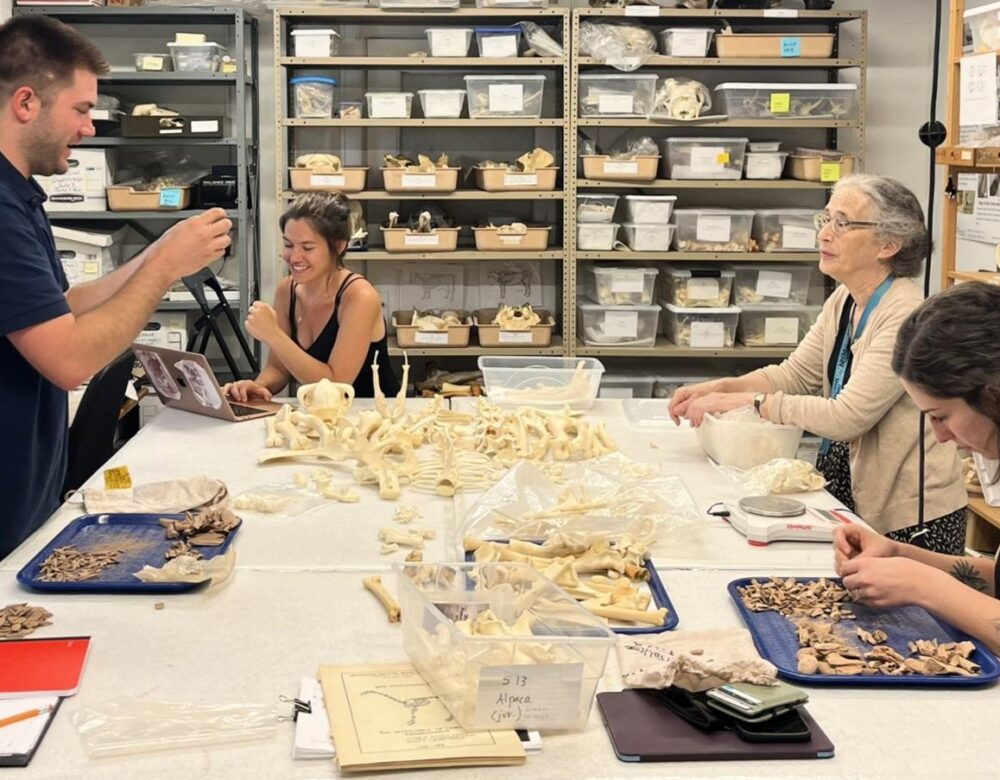
Philadelphia’s history as an industrial powerhouse is more than factories and railroads. From the city’s peak residential population to the explosion of rail transport, animals played a surprising role in shaping urban life in the 19th and early 20th centuries.
Join zooarchaeologist Katherine Moore for a unique perspective on Philadelphia’s past. Moore will reveal what animal bones, historical records, and urban landscapes tell us about the connections between animals, industry, and daily life. Discover how shifts in animal labor, food production, and even the chemical industry helped define this pivotal era in the city’s history.
Seating is available on a first-come, first-served basis. Tickets are not required for this event.
About the Speaker
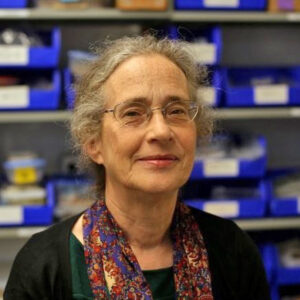
Katherine Moore, PhD, is the Mainwaring Teaching Specialist for Zooarchaeology in the Center for Analysis of Archaeological Materials and a practice professor in the Department of Anthropology at the University of Pennsylvania. She works on ancient animal bones that are the remains of food, pets, pests, and herd animals, untangling the multiple roles that animals have played in the lives of people.
About the Series
Science on Tap is a monthly speaker series that features brief, informal presentations by Philadelphia-based scientists and other experts followed by lively conversation and a Q&A. The goal is to promote enthusiasm for science in a fun, spirited, and accessible way, while also meeting new people. Come join the conversation!
More events
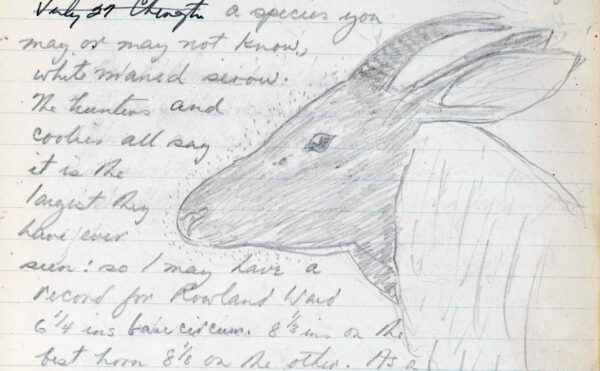
AI and Crowdsourcing for Archival Journal Transcription
Academy of Natural Sciences librarian Briana Giasullo will discuss her organization’s use of artificial intelligence and crowdsourcing to extract text from field journals and notebooks.
Gender Minorities in the Sciences Panel
Scientists share their experiences and strategies for advancing equity and inclusion in STEM across gender-diverse communities.
Stories of Science: CollegeFest 2026
All Philadelphia-area college students are invited to visit us during CollegeFest, Campus Philly’s annual “Welcome to Philadelphia” celebration!