
Forensics Highlights Tour

Every Saturday, the Science History Institute’s museum offers drop-in tours that give visitors the opportunity to hear the stories behind our objects.
Fans of murder mysteries and true crime are invited to join our museum educators this Saturday to explore the science behind deductions.
By analyzing three historic case studies, guests will learn how the tools of forensic science developed throughout the 19th and 20th centuries.
Our shorter tours are designed to highlight artifacts in our collection with unique stories. These tours last approximately 25 minutes and offer visitors an intriguing introduction to the history of science.
Know Before You Go:
- Drop-in tours are free and reservations are not required
- Space is limited to 20 participants
- Participation is first-come, first-served
- The recommended age for our tours is 13 years old and up
- Guests will be standing for most of the tour; limited bench seating and portable folding stools are available to the public
- Please contact us at museum@sciencehistory.org if you have further accessibility concerns you would like to discuss
Featured image: Box detail, New York Toy and Game Co. Fingerprinter Forensics Lab, 1932.
More events

Othmer Library Tour
Curious about the other half of the Science History Institute? Step into the Othmer Library of Chemical History!
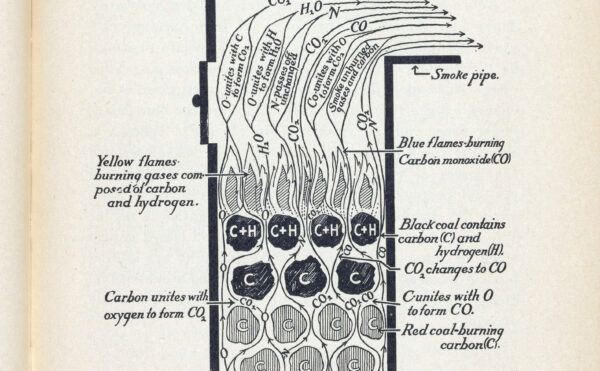
The Electrical Grid in Flux
Dave Walter will explore the past and present of integrating renewable energy into our electricity delivery system.
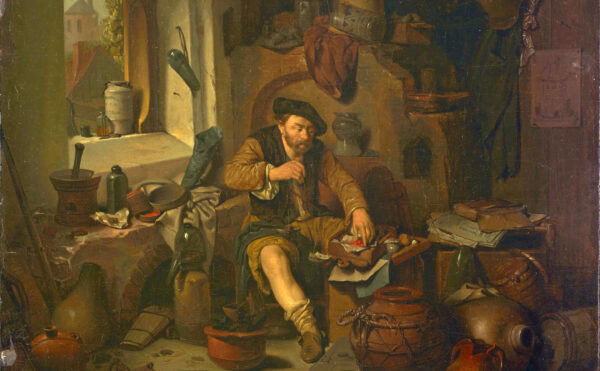
Art of Alchemy Self-Guided Visit
Step into the age of alchemy and explore works in our new permanent exhibition, Fire and Gold: The Art of Alchemy (1450–1850).