
From Nature to Nylons Highlights Tour
Every Saturday, the Science History Institute’s museum offers drop-in tours that give visitors the opportunity to hear the stories behind our objects.
Join our museum educators this Saturday as we explore the history of the materials that fashion our clothes.
From Nature to Nylons takes visitors on a journey from natural fibers to the development of plastics, and on to synthetic materials like nylon and Gore-Tex. Guests will leave with a better understanding of how these fibers changed our world, and how the changing world influenced our desire for advanced high-tech textiles.
Our shorter tours are designed to highlight artifacts in our collection with unique stories. These tours last approximately 25 minutes and offer visitors an intriguing introduction to the history of science.
Know Before You Go:
- Drop-in tours are free and reservations are not required
- Space is limited to 20 participants
- Participation is first-come, first-served
- The recommended age for our tours is 13 and up
- Guests will be standing for most of the tour; limited bench seating and portable folding stools are available to the public
- Please contact us at museum@sciencehistory.org if you have further accessibility concerns you would like to discuss
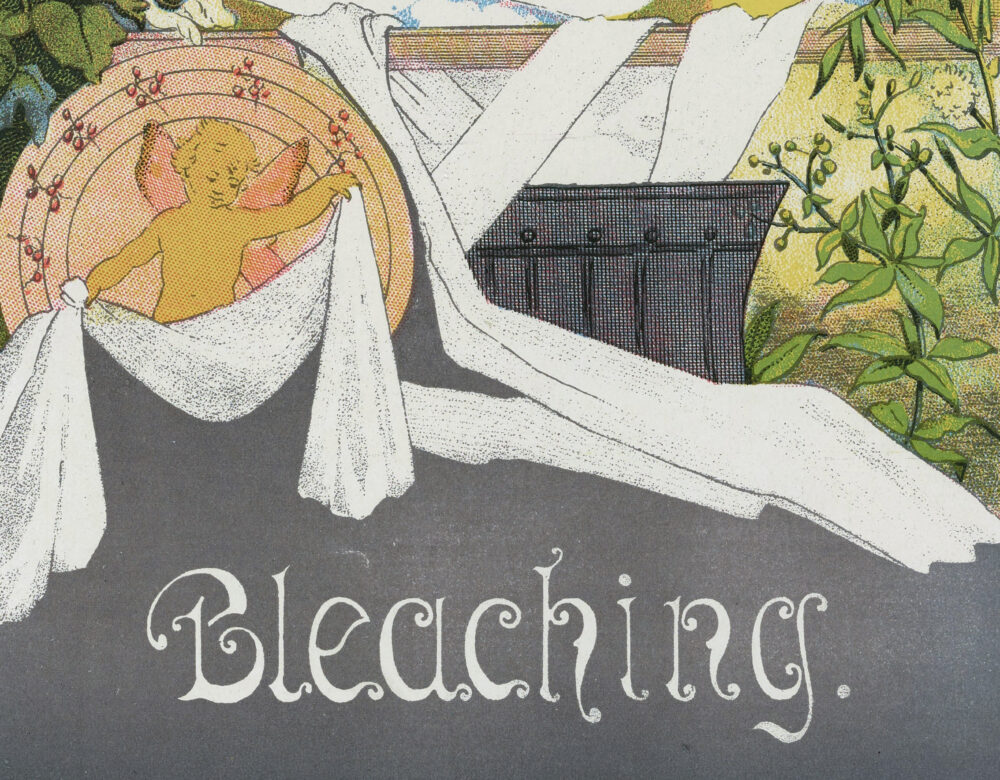
Featured image: Figure 20: Early method of bleaching cotton and linen goods on lawns, part of Chemistry, Developed by Facts and Principles Drawn Chiefly from the Non-Metals, 1884.
More events
AI and Crowdsourcing for Archival Journal Transcription
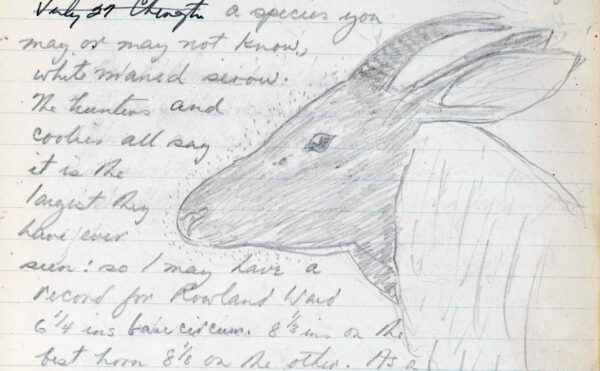
Academy of Natural Sciences librarian Briana Giasullo will discuss her organization’s use of artificial intelligence and crowdsourcing to extract text from field journals and notebooks.
Stories of Science: CollegeFest 2026
All Philadelphia-area college students are invited to visit us during CollegeFest, Campus Philly’s annual “Welcome to Philadelphia” celebration!
Gender Minorities in the Sciences Panel
Scientists share their experiences and strategies for advancing equity and inclusion in STEM across gender-diverse communities.