
Samplers and Samplermakers: Girls' Education in the Early 19th Century
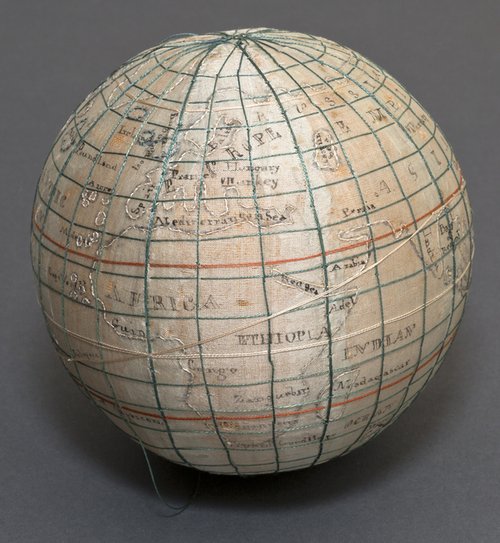
Samplers stitched by school girls give us a unique window into women’s education. Basic samplers showed proficiency with basic stitches necessary for running a household, a practice book or resume for potential employer. More detailed samplers show familiarity with more complex needlework or religious themes. At formal schools for wealthy families, samplers were a tool to teach science and math. Girls stitched globes and detailed maps of cities or their home states. These objects are more than proof of skilled stitching and literacy; they are part of global networks of trade and ideas in the early 19th century.

Seating is available on a first-come, first-served basis. Tickets are not required for this event.
About the Speaker
Lydia Wood has a background in museum collections management and provenance research. She has done work around repatriation and provenance in Native American collections and collections of human remains. She has a master’s in museum anthropology and is working on her MLIS at Drexel University. Her other research interests include the history of far-right extremism and historic American needlework.
About the Series
Science on Tap is a monthly speaker series that features brief, informal presentations by Philadelphia-based scientists and other experts followed by lively conversation and a Q&A. The goal is to promote enthusiasm for science in a fun, spirited, and accessible way, while also meeting new people. Come join the conversation!
More events
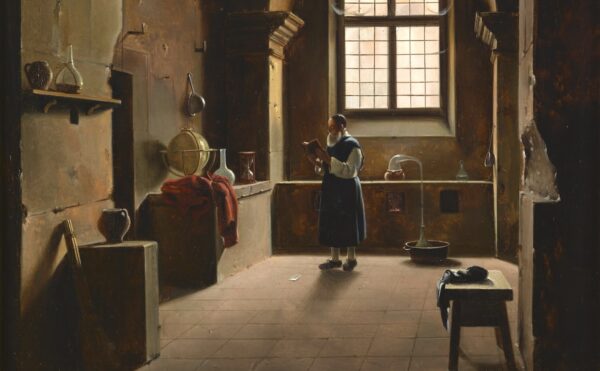
Art of Alchemy Self-Guided Visit
Step into the age of alchemy and explore works in our new permanent exhibition, Fire and Gold: The Art of Alchemy (1450–1850).
Forensics Highlights Tour
Fans of murder mysteries and true crime are invited to join our museum educators to explore the science behind deductions.
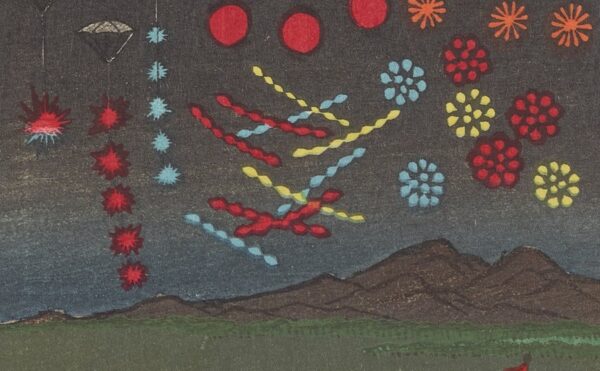
Fireworks Tour
Join our Gallery Guides for a drop-in tour of our special exhibition on the fascinating history and science of pyrotechnics.