
The Revolution in Astronomy, 1500–1650
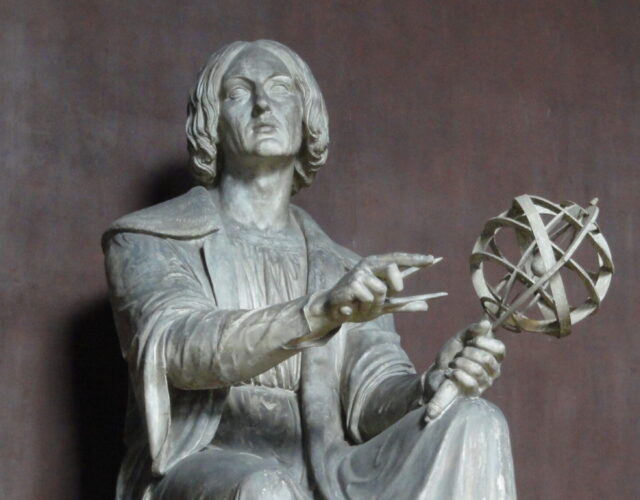
The Science History Institute has teamed up with online learning platform Roundtable to offer you compelling courses from the history of science. This four-part course features James R. Voelkel, the Institute’s curator of rare books, who will cover the period in astronomy surrounding Copernicus’s proposal that the earth revolves around the sun.
The course is FREE, but registration is required.
Course Overview
The period between 1500 and 1725 is known as the “Scientific Revolution.” During this time, a group of beliefs, approaches, and activities that are recognizable as modern science emerged from something that was not. This course examines a key feature of that revolution, the slow recognition of the true nature of the solar system, that the earth was in motion and one of many planets orbiting the sun, and a transformation in astronomy and physics that made that understanding possible. Each session will be centered on significant and valuable scientific books by Copernicus, Tycho Brahe, Kepler, and Galileo.
Sessions
Session 1: Planetary Astronomy Since Antiquity and Copernicus’s Proposal
November 7, 2023
Session 2: Tycho Brahe and the Observational Basis of the Revolution in Astronomy
November 14, 2023
Session 3: Johannes Kepler’s “Physical Astronomy”
November 21, 2023
Session 4: Galileo’s Telescopic Observations
November 28, 2023
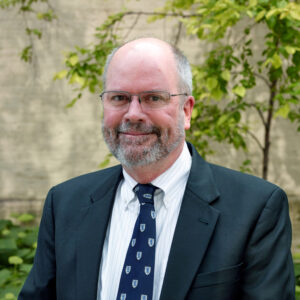
About James Voelkel
James R. Voelkel is an historian of early modern science and the Institute’s curator of rare books. He has taught at Harvard University, Williams College, the Johns Hopkins University, and the University of Pennsylvania.
About Roundtable
Roundtable by the 92nd Street Y, New York, is an online learning platform featuring live courses and Q&A sessions with some of the greatest minds of our time: world-renowned historians and scholars, Pulitzer Prize-winning writers, political pundits, and acclaimed food and wine experts, among others. All courses include interactive opportunities with instructors.
Header image: Sculpture of Copernicus in Thorvaldsens Museum, Copenhagen, Denmark, by Bertel Thorvaldsen (c. 1770–1844). Photograph by Daderot via Wikimedia Commons.
More events
SOLD OUT! An Alchemical Affair: A ‘Fire and Gold’ Opening Celebration
We are thrilled to unveil our newest permanent exhibition, Fire and Gold: The Art of Alchemy (1450–1850).
Stuff from Your House Highlights Tour
Join our museum educators as we explore the scientific principles and history behind everyday household objects.
Stories of Science: Craft-tober
Join us in our museum EVERY SATURDAY for a family-friendly program that highlights strange and surprising stories from the history of science!