Ullyot Lecture and Award: Sir David W. C. MacMillan
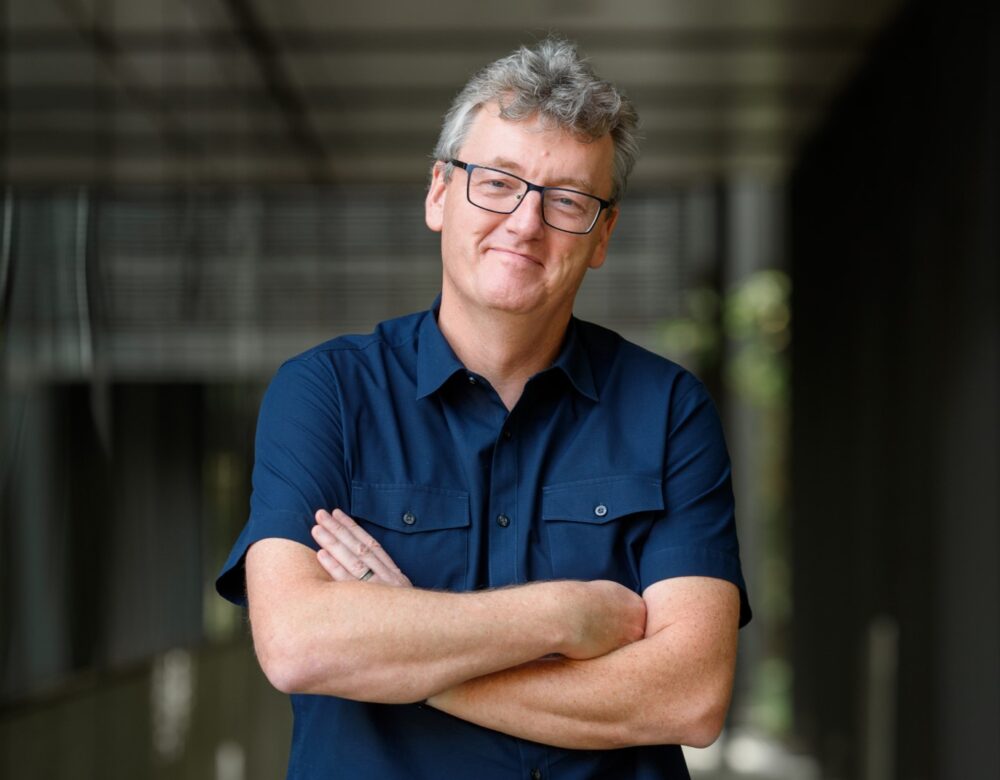
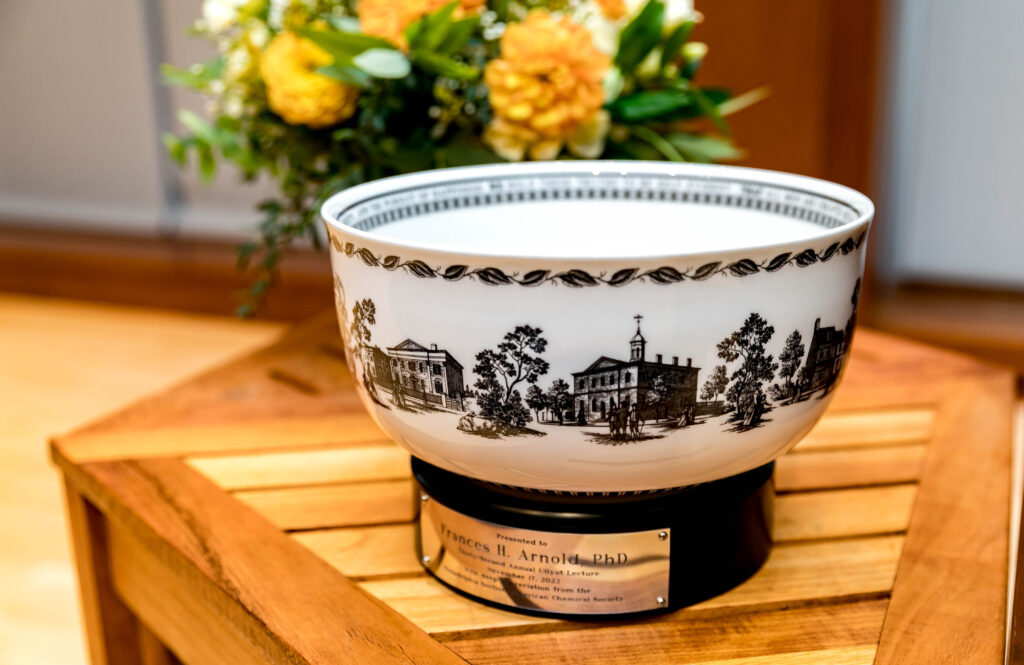
The 2025 Ullyot Public Affairs Lecture and Award features Nobel laureate Sir David W. C. MacMillan. A Q&A session and the presentation of the Liberty Bowl follows MacMillan’s lecture.
The Path to Invention and Discovery in Catalysis
This lecture discusses the advent and development of asymmetric organocatalysis in the MacMillan Laboratory. It also includes the exploration of the concepts of chemical reactivity, catalysis, and the asymmetry of organic molecules, as well as the impact of organocatalysis on modern synthetic chemistry and the real-world applications of this technology. We then look to the future and consider how organocatalysis may continue to influence scientific research and society. The second part of the talk is a lighthearted discussion of the life-changing experience of becoming a Nobel Prize winner, and the ways in which this experience shapes your perspective of science and society.
About Sir David W. C. MacMillan
Sir David W. C. MacMillan was born in Bellshill, Scotland, and received his undergraduate degree in chemistry at the University of Glasgow, where he worked with Ernie Colvin. In 1990 he began his doctoral studies under the direction of Larry Overman at the University of California, Irvine, before undertaking a postdoctoral position with Dave Evans at Harvard University in 1996. He began his independent career at the University of California, Berkeley, in July of 1998 before moving to Caltech in 2000 as the Earle C. Anthony Chair of Organic Chemistry. In 2006 MacMillan joined Princeton University as the A. Barton Hepburn Professor of Chemistry. He served as department chair from 2010 to 2015 and is currently the James S. McDonnell Distinguished University Professor of Chemistry and a Ludwig Distinguished Scholar.
MacMillan shares the 2021 Nobel Prize in Chemistry with Benjamin List “for the development of asymmetric organocatalysis.” He was knighted by Queen Elizabeth II in July 2022. His research interests encompass a wide range of organic chemistry, including the development of new areas in organocatalysis and photoredox catalysis.
About the Ullyot Public Affairs Lecture
The Ullyot Public Affairs Lecture emphasizes the positive role that the chemical and molecular sciences play in our lives. It’s presented in partnership with the Philadelphia and Delaware Sections of the American Chemical Society, the Department of Chemistry at the University of Pennsylvania, the Department of History and Sociology of Science at the University of Pennsylvania, and the Department of Chemistry and Biochemistry at Saint Joseph’s University.
More events
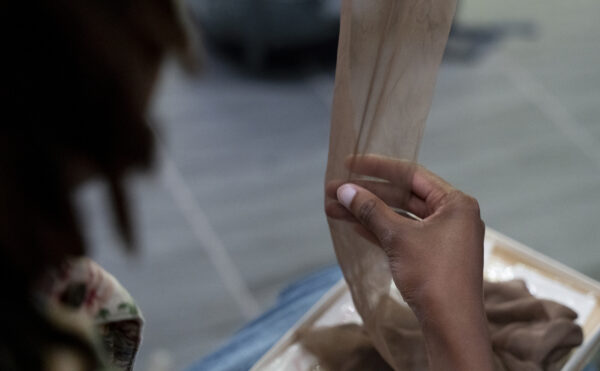
From Nature to Nylons: A Touch-Based History of Textiles
This private learning experience combines a personally guided exploration of select gallery exhibits and a hands-on study of objects.
Art of Alchemy Self-Guided Visit
Step into the age of alchemy and explore works in our new permanent exhibition, Fire and Gold: The Art of Alchemy (1450–1850).
Forensics Highlights Tour
Fans of murder mysteries and true crime are invited to join our museum educators to explore the science behind deductions.