
Unwell Waters Highlights Tour
Every Saturday, the Science History Institute’s museum offers drop-in tours that give visitors the opportunity to hear the stories behind our objects.
Join our museum educators this Saturday as we visit the history of medicine exhibit to learn about waterborne epidemics from Pennsylvania’s past.
From bloodletting to vaccination, the Unwell Waters Highlights Tour explores the tools and techniques physicians have used to treat and examine the causes of life-threatening illness.
Our shorter tours are designed to highlight artifacts in our collection with unique stories. These tours last approximately 25 minutes and offer visitors an intriguing introduction to the history of science.
Know Before You Go:
- Drop-in tours are free and reservations are not required
- Space is limited to 20 participants
- Participation is first-come, first-served
- The recommended age for our tours is 13 years old and up
- Guests will be standing for most of the tour; limited bench seating and portable folding stools are available to the public
- Please contact us at museum@sciencehistory.org if you have further accessibility concerns you would like to discuss
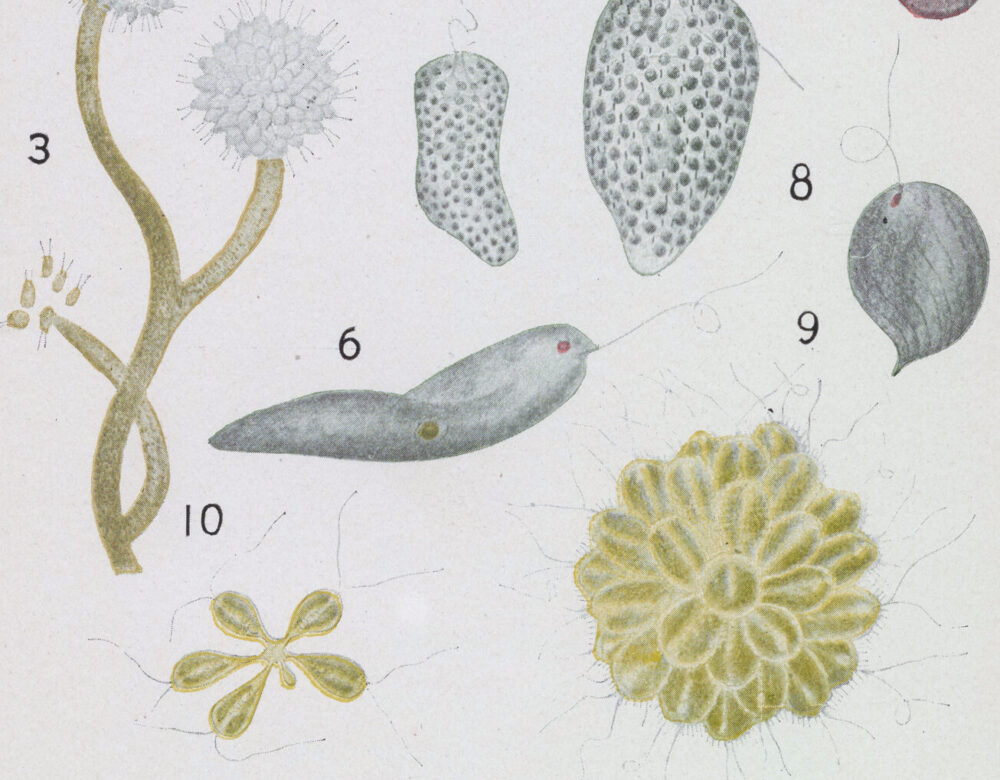
Featured image: Plate XII: Protozoa, from The Microscopy of Drinking Water, 1914.
More events
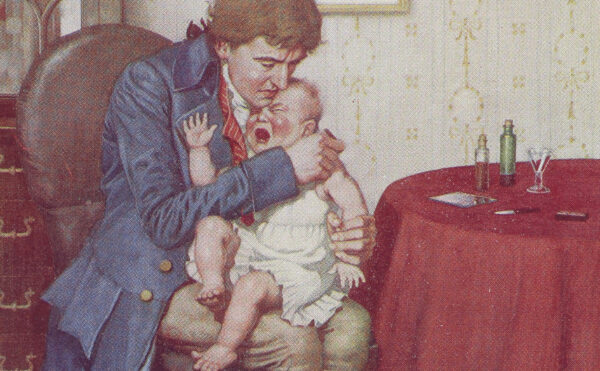
Unwell Waters Highlights Tour
Join our museum educators as we visit the history of medicine exhibit to learn about waterborne epidemics from Pennsylvania’s past.
Stories of Science: Craft-tober
Join us in our museum EVERY SATURDAY for a family-friendly program that highlights strange and surprising stories from the history of science!
Art of Alchemy Self-Guided Visit
Step into the age of alchemy and explore works in our new permanent exhibition, Fire and Gold: The Art of Alchemy (1450–1850).