
Fire and Gold:
The Art of Alchemy (1450-1850)
A new permanent exhibition featuring paintings and rare books that explore the alchemist’s quest to uncover nature’s secrets and unlock the potential of matter.
Ongoing
Fisher Gallery
Centuries ago, alchemists sought to uncover nature’s “secrets” and unlock the hidden potential of matter. They pursued healing elixirs, searched for the legendary philosophers’ stone, and tested the possibility that one substance could be transformed into another—pursuing, most famously, the elusive transformation of lead into gold.
The Science History Institute’s new permanent exhibition, Fire and Gold: The Art of Alchemy (1450-1850), draws on the museum and library’s extensive collection of European paintings and rare books to transport visitors back to a time when chemistry was chymistry, when alchemists explored the transformation of matter through experimentation, secrecy, and coded language. Fire and Gold takes visitors from underground mines into cluttered workshops and fiery laboratories, where they experimented with metals and minerals, controlled heat, and developed processes such as distillation.
For the first time, visitors can explore a permanent exhibition in the newly reopened Fisher Gallery, an intimate space overlooking the Institute’s Othmer Library of Chemical History, a by-appointment-only research library with six miles of shelves devoted to the history of the chemical and life sciences.
Featured Works
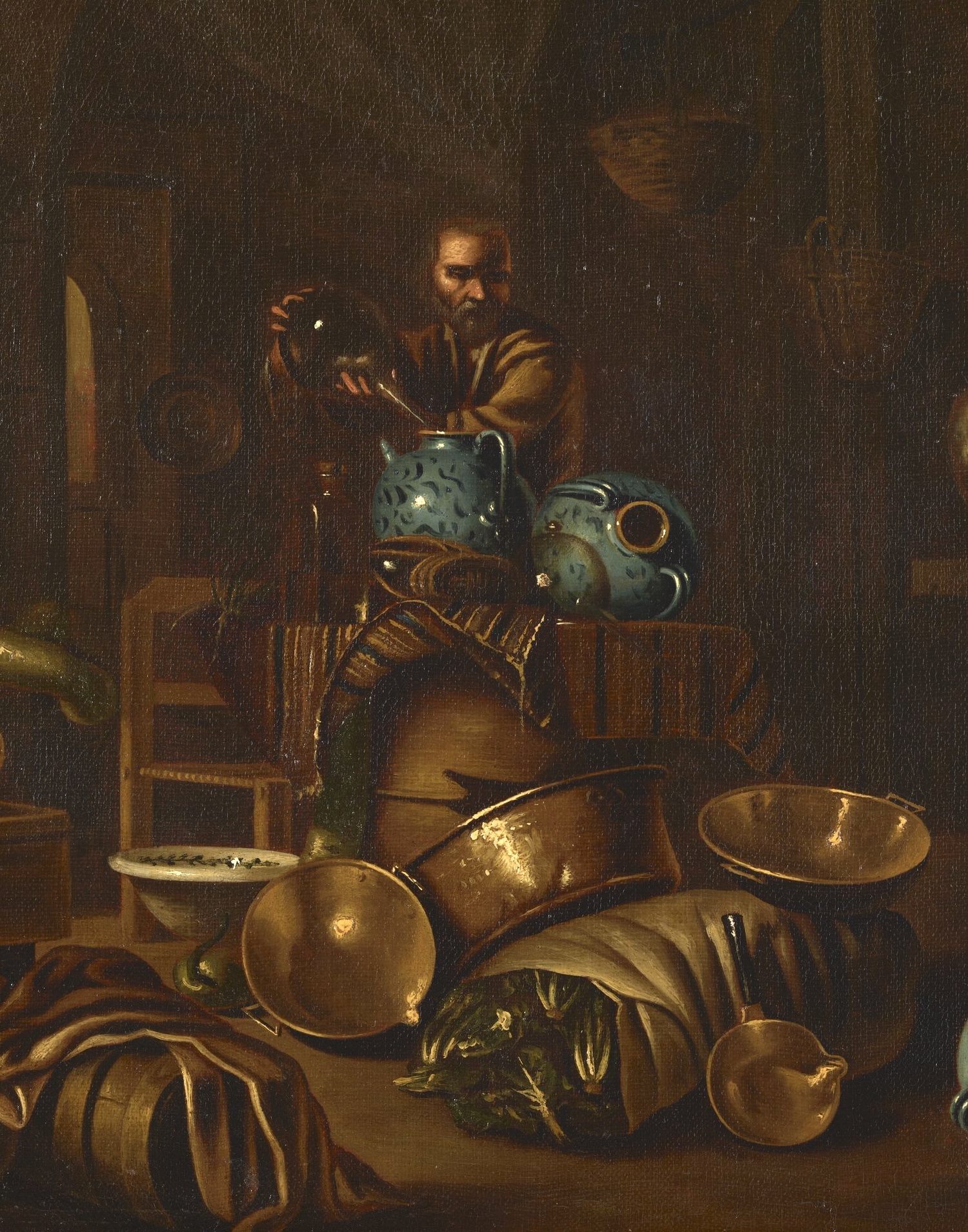
Fire and Gold features oil paintings from both the Fisher Collection (gifted by the estate of Fisher Scientific International founder Chester G. Fisher, namesake of the Fisher Gallery) and the Eddleman Collection (gifted by Spectrum Laboratories founder and philanthropist Roy Eddleman), making the Science History Institute home to one of the largest collections of alchemical art in the world.
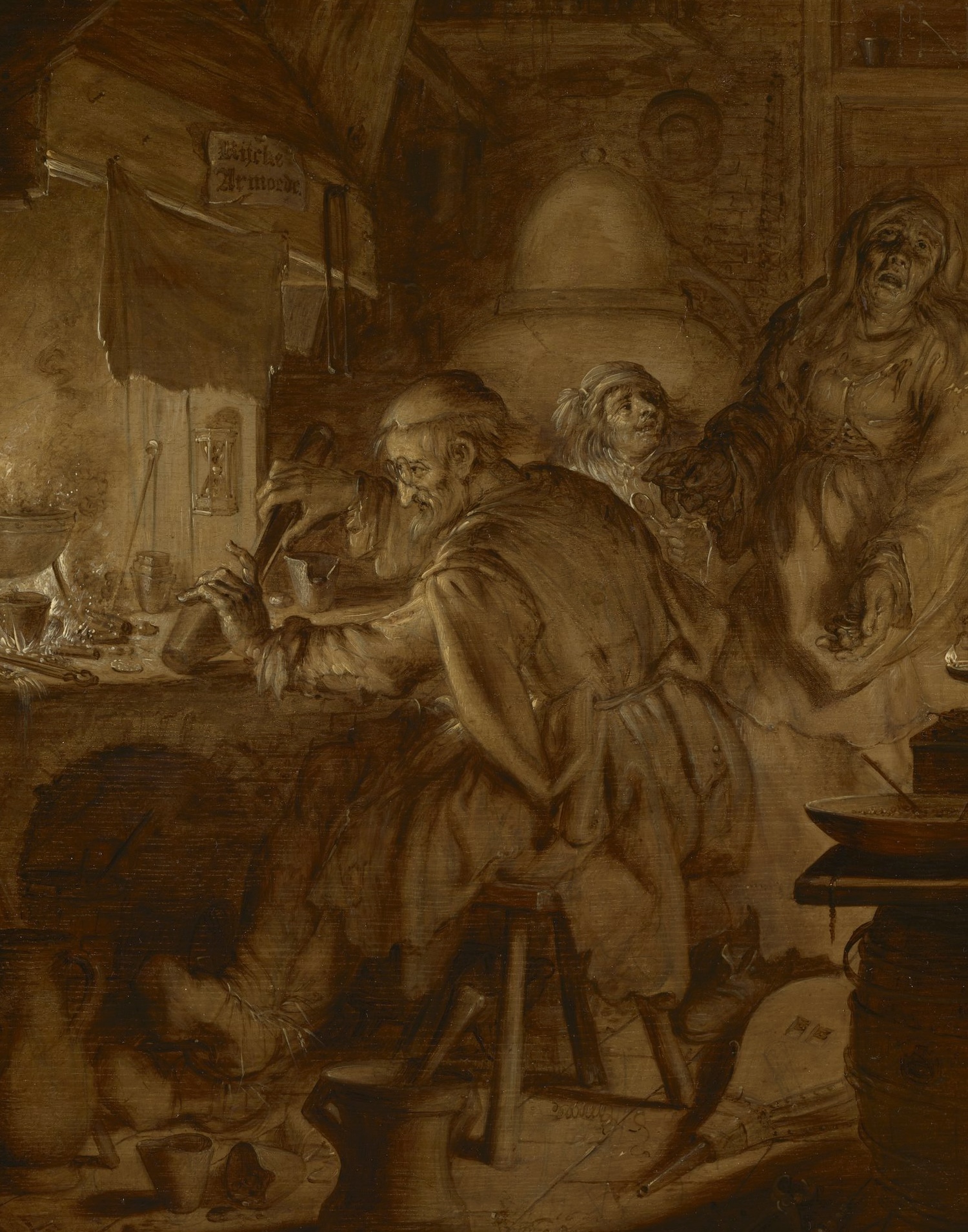
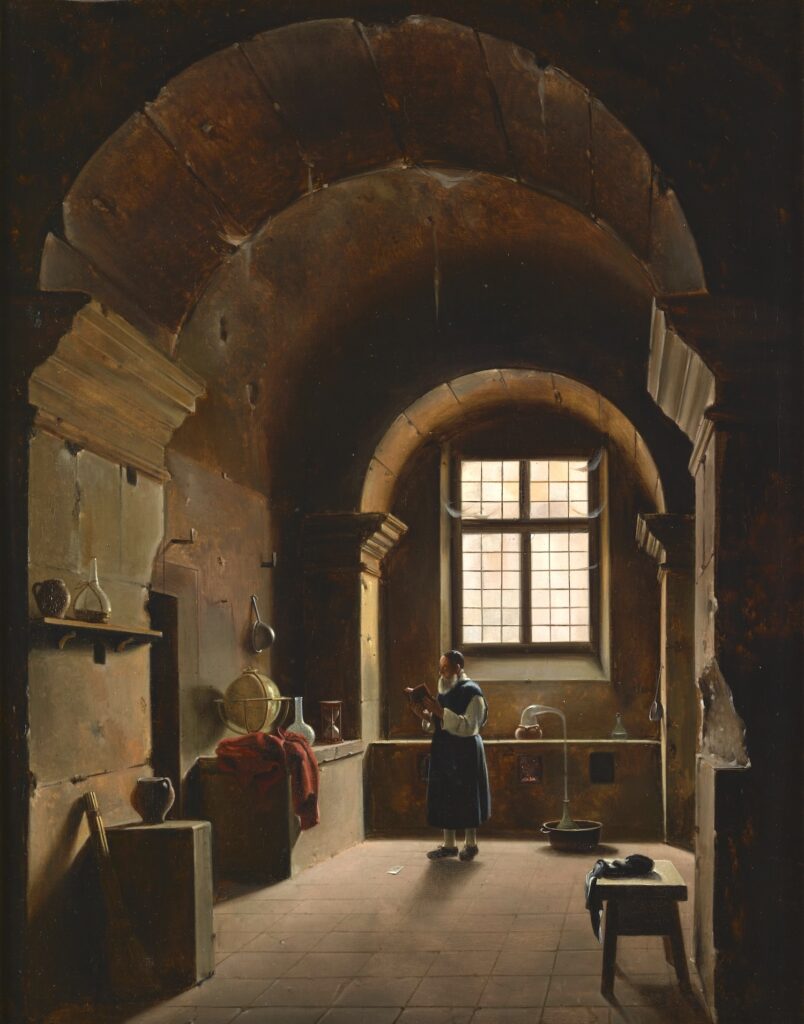
Rare books on display include Georg Agricola’s De re metallica [On the Nature of Metals] (1556) and Athanasius Kircher’s Mundus subterraneus [Underground World] (1665), which show how alchemists and other early scholars, healers, and experimenters recorded and shared their ideas about the natural world.
Often called “The Great Work,” alchemy gave way to modern chemistry. Centuries of alchemical experimentation expanded our understanding of matter, materials, and medicine—and helped lay the groundwork for the science that followed.
Fire and Gold was curated by University of Hong Kong art history lecturer Elisabeth Berry Drago, the Science History Institute’s former director of museum education and Distillations podcast cohost.
Self-Guided Visits
Visitors can take an Art of Alchemy Self-Guided Visit every other Saturday from 2pm to 3pm and alternately every other Thursday from 1pm to 2pm. Because of space limitation, Fire and Gold is best viewed in small groups. Registration is strongly recommended to guarantee your spot. Admission is free.
Media Coverage
The Transformative Origins of Chemistry Are on Display in This New Art Exhibit
C&EN News | October 9, 2026
Drew Stops by the Science History Institute to See the New Fire & Gold: The Art of Alchemy Exhibit
Fox29: Good Day Uncut | October 9, 2026
An Exhibition on Alchemy
Philadelphia Inquirer’s Things To Do Newsletter: Fall Fun This Week and Beyond | October 9, 2026
New Permanent Alchemy Exhibit in Philadelphia Reveals How Art and Chemistry Intertwine
PHILADELPHIA Today | October 8, 2026
Philadelphia Museum Unveils Permanent Alchemy Gallery Linking Gold-Hunters to Modern Chemistry
Hoodline Philadelphia | October 8, 2026
From Turning Ordinary Metal to Gold to Chemistry: New Philadelphia Exhibit Explores the Fiery Origins of Science
WHYY | October 7, 2026
New Permanent Exhibition Showcasing Rare Books on Alchemy Opens Today
Fine Books & Collections | October 7, 2026
Opening: ‘Fire and Gold: The Art of Alchemy (1450-1850)’ at the Science History Institute
Visit Philadelphia | October 4, 2026
Support
Fire and Gold: The Art of Alchemy (1450–1850) has been made possible by the generous support of Barry Arkles and Janine Black.
Featured image: Detail of An Alchemist’s Laboratory, oil on canvas in the manner of David Teniers II, 1600s–1700s, from the Eddleman Collection.
You might also like
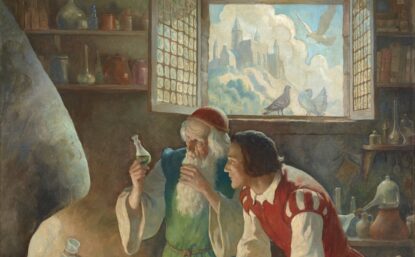
STORIES BY TOPIC
Alchemists & Early Scientists
Before there was chemistry, there was chymistry, and before there was chymistry, there was alchemy.
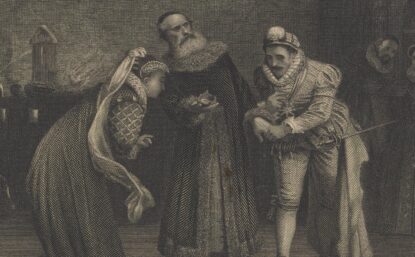
DISTILLATIONS MAGAZINE
Dr. Butler and the Quest for the Philosophers’ Stone
How searching for alchemy’s secrets helped create modern science.
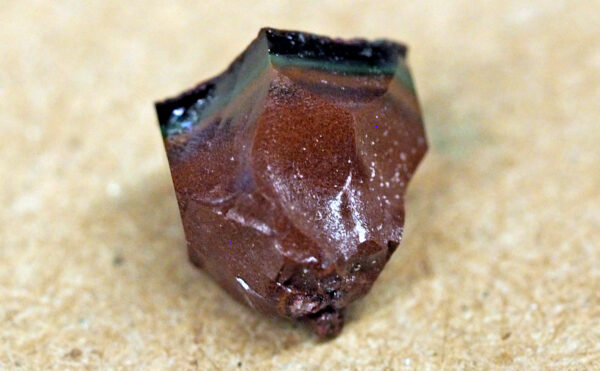
DIGITAL EXHIBITIONS
How to Fake an Emerald in 1653
Historical re-creations reveal the working world of alchemists.
The Fisher Gallery is named for Fisher Scientific International founder Chester G. Fisher (1881–1965), whose estate gifted the Science History Institute with oil paintings, woodcuts, glassware, works on paper, scientific equipment, and other objects. Several of the donated paintings are featured in Fire and Gold: The Art of Alchemy (1450–1850).