
Explore the Explosive History of Fireworks with Institute’s New ‘Flash! Bang! Boom!’ Exhibition Opening April 10
Part of America’s 250th celebrations, visitors will discover the origins of and science behind these universally loved pyrotechnics.
The Science History Institute presents Flash! Bang! Boom! A History of Fireworks, a new temporary exhibition that explores the origins of and the science behind fireworks. This sparkling new show is the Institute’s contribution to our nation’s celebrations marking the 250th anniversary of the signing of the Declaration of Independence.
The public is invited to Launch Party! A History of Fireworks Opening Celebration taking place on April 10, 2026, from 5pm to 8pm at 315 Chestnut Street, right here in Old City Philadelphia, the “birthplace of America.” Registration is required for this free event, which features a curator’s talk, hands-on fireworks-themed activities, light refreshments, and much more.
On display in the Institute’s museum, located just blocks from Independence Hall and the Liberty Bell, Flash! Bang! Boom! will allow visitors to gain a deeper understanding of the centuries of knowledge among pyrotechnical makers in an intriguing walk through the history and chemistry of fireworks. Told with historic rare books, fine art, consumer catalogs, the latest technologies, and other interpretive displays, this explosive story is divided into five sections: making, designing, testing, selling, and launching.
“The long and global history of fireworks isn’t told chronologically in this exhibition, but rather through the different elements of putting on a fireworks show,” says exhibition co-curator Jesse Smith, the Institute’s vice president of interpretation and education and director of the museum. “Fireworks are chemistry, they are art, they are a craft. There are amateur enthusiasts, professionals, and hobbyists. We touch on all of that.”
Co-curator, science historian, and former Institute fellow Nadia Berenstein adds: “What makes this exciting is the combination of familiar and unfamiliar. Pyrotechnics are technologies that not only produce spectacular effects, but also provoke big feelings—awe, grandeur, terror, patriotism, unity, delight. Even though a 17th-century royal fireworks spectacle might not at all resemble what we see on the 4th of July, the differences and similarities are illuminating.”
Support
Major support for Flash! Bang! Boom! has been provided by the Bolte Family Foundation, Maria Maccecchini/Annovis Bio, and Kenan & Andrea Sahin/CAMX Power, with additional support from the Pennsylvania Historical & Museum Commission, the Laurie Landeau Foundation LLC & Lew Gasorek, Dan Adams & Manon Cox, Chris Alafi/Bering Capital, Barry Arkles & Janine Black, Peter Bernstein & Ala Hamilton-Day, Cynthia Cai, Michael DeSimone & Susan Hughes, Kathleen Egan & Rod Ferguson, the Fireworks Foundation, Freedom Integrated Energy and Chemicals Company, David Martin, Fred & Kimberly Middleton, Mike Oeth, Louise Palmer & Stephen Salzer, Christopher D. Pappas, Margaret H. Rakowsky, Eric Rugart, John Spears, Cheryl Teich, and Fredric & Elizabeth Weber.
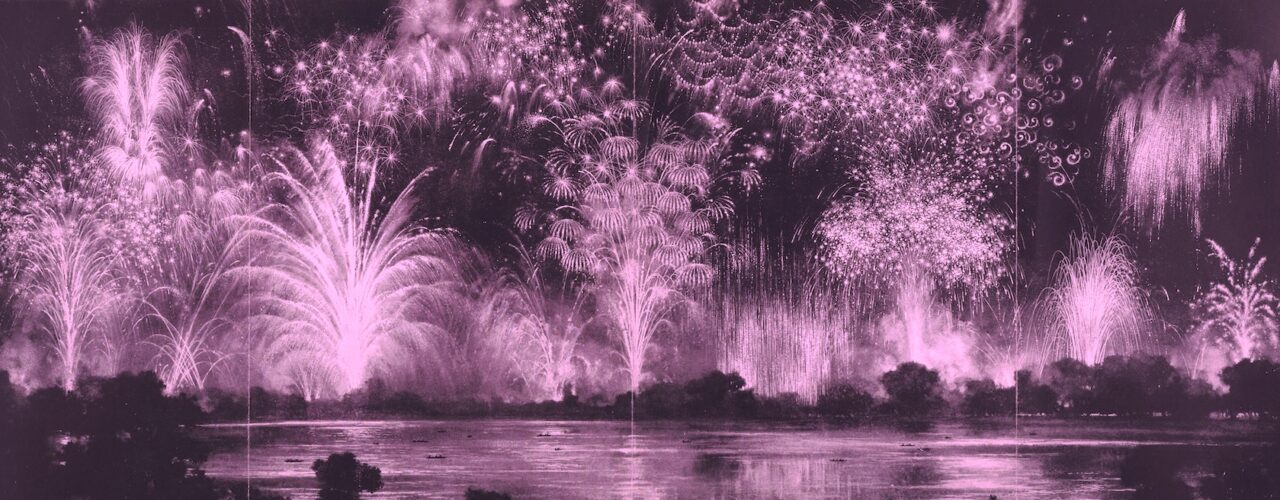
Featured image: Panorama of Some of the Aerial Effects in the National Firework Display at Hyde Park, 19th July, 1919, colorized printed plate from Pyrotechnics: The History and Art of Firework Making, 1922.
More News
Science History Institute Announces 2026 Othmer Gold Medal, Bolte Award Winners
UConn professor Sir Cato Laurencin and Alexandria Real Estate founder Joel Marcus will be honored this May in Old City Philadelphia.
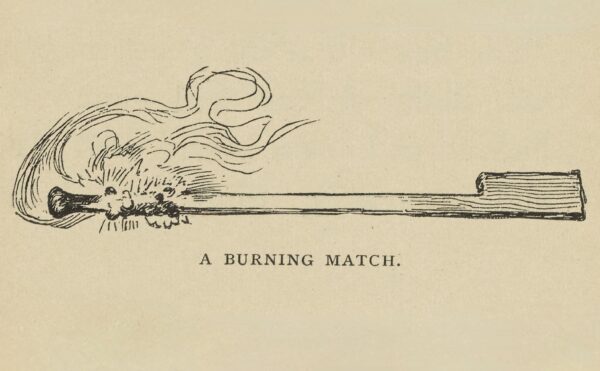
Science History Institute Joins Philadelphia’s 52 Weeks of Firsts Celebration Honoring America’s 250th Birthday
The March 21 event features the Philly-born invention of the first paper match folder.

Science History Institute, Pittsburgh Conference to Present Pittcon Heritage Award to Alexandra Knauer
The CEO and owner of lab instrument manufacturer KNAUER will be honored at the 2026 conference in San Antonio on March 8.