
Science History Institute Museum Temporarily Closed for Renovations Until March 19, 2025
Extensive project includes a lobby redesign, installation of new exhibition space, and addition of a digital production studio and gift shop.
MUSEUM HOURS DURING RENOVATIONS:
Wednesday–Friday: 12:30pm–5pm
Saturday: 10am–5pm
The Science History Institute will temporarily close from December 22, 2024, through March 18, 2025, for an extensive renovation project that includes a full lobby redesign, the installation of a brand-new exhibition space, and the addition of a state-of-the-art digital production studio and new gift shop.
The last day to visit the Science History Institute Museum is Saturday, December 21, 2024, from 10am to 5pm. Our museum will reopen on Wednesday, March 19, 2025, but the full scope of the renovation project will not be completed until May 2025 (Date TBD).
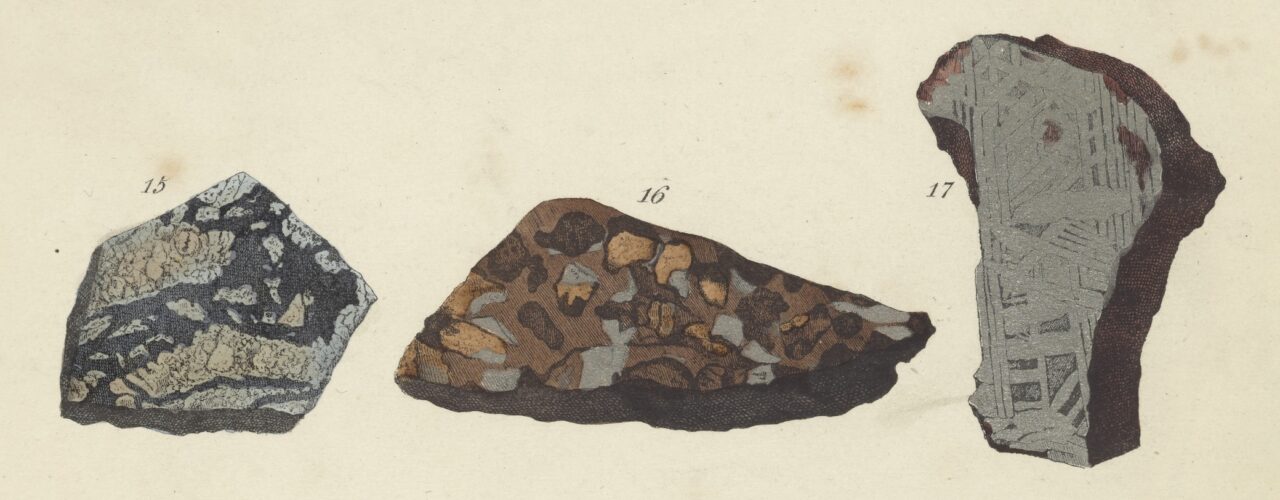
The centerpiece of the lobby redesign is the installation of a new permanent exhibition that explores the history and science behind a collection of more than 20 minerals recently donated to the Institute. Elements, crystals, and gemstones such as tourmaline, cinnabar, cobaltite, amber, and even a meteorite will be on display, showcasing minerals found in various environments—from the depths of volcanoes to outer space.
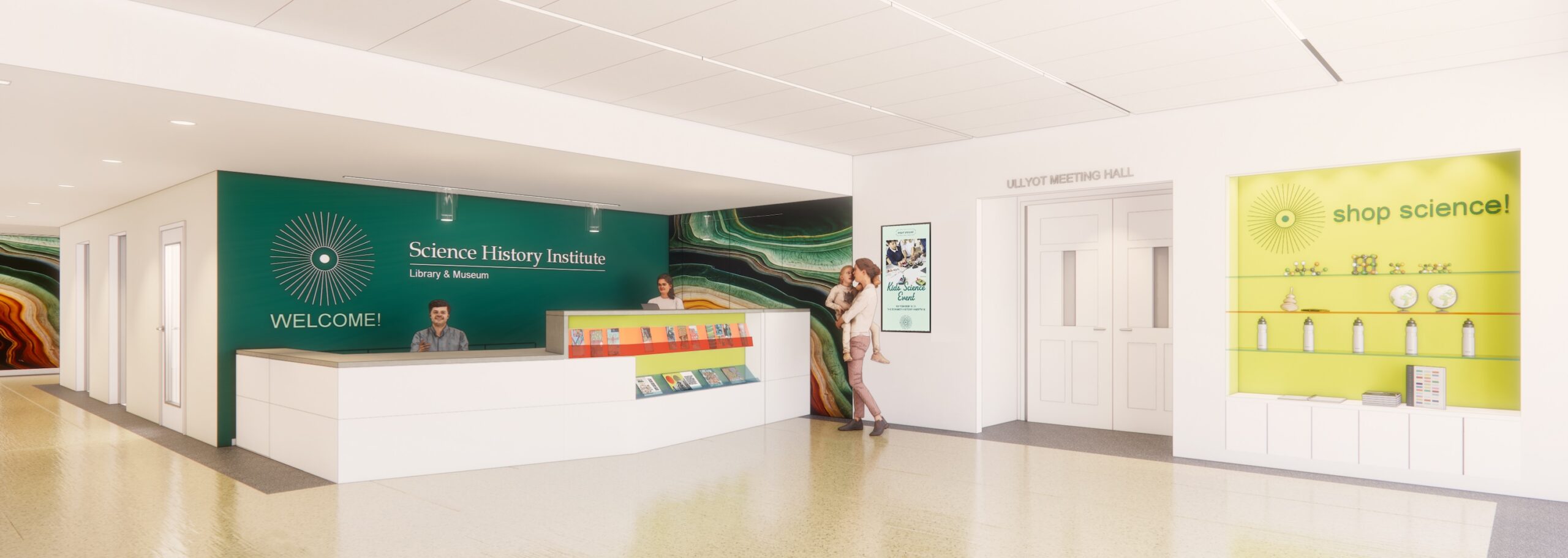
The lower-level renovations include the creation of an ultramodern podcast studio that features a control room and recording space to produce our Distillations and Disappearing Spoon podcasts. A photography studio has also been added to accommodate digitization projects and object photography so we can continue to grow and expand online access to our world-class collections.
In addition to updating the lobby to be more welcoming and engaging for visitors, the renovation also includes the opening of a new gift shop. Guests will have the opportunity to take a piece of science history home with them, including Institute-branded merchandise and items that feature your favorite imagery from our vast digital collections.
During our museum’s temporary closure, visitors can still book a virtual tour or experience our digital exhibitions, which include the history of the plastic bag, the story behind DDT, and the role animals play in vaccines. You can also view our new outdoor exhibition, Sensational Science: A Century of Microbe Hunters, as well as read our online magazine and blog, listen to our podcasts, explore our digital collections, and make an appointment to visit our library.
The $3.3 million project is part of a multiyear capital campaign to improve the public’s access to our spaces and to expand our programming and interpretive offerings both in person and online.
Support
Major support for this project is provided by anonymous donors.
Featured image: Detail of Plate XVII: Nickel, Cobalt, Iron featuring illustrations of meteoric iron, from The Mineral Kingdom, 1859.
More News
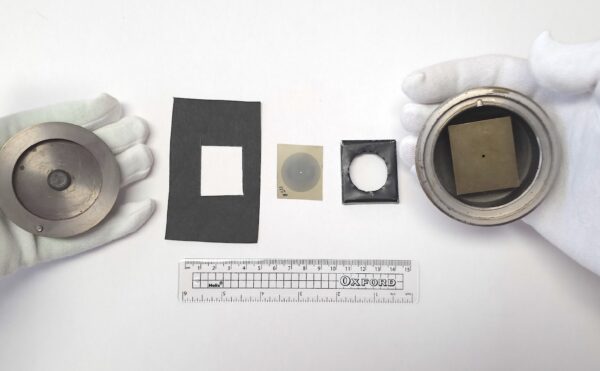
New Research Challenges Misconceptions about Rosalind Franklin’s Famed ‘Photo 51’ and the Discovery of DNA’s Double Helix
Paper by the Science History Institute’s Alistair Sponsel and King’s College London’s Brian Sutton uncovers the significance of her previously captured Photo 49.
Science History Institute Launches New Season of ‘Distillations’ Podcast
American Vice takes listeners from cigarettes and alcohol, to fireworks and LSD with weekly episodes starting September 15.
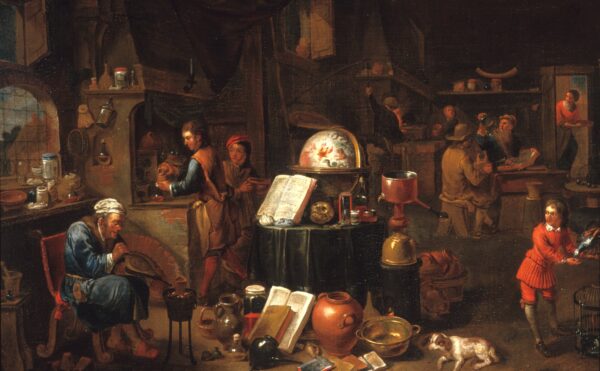
Explore the Alchemist’s Laboratory with Institute’s New ‘Fire and Gold’ Exhibition Opening October 7
Paintings and rare books from the 15th to the 19th centuries highlight the art, science, and history of alchemy.