
Science History Institute Mourns Death of Pioneering Genome Scientist J. Craig Venter
The 2001 Biotechnology Heritage Award winner, who facilitated the Institute’s acquisition of the famed History of Molecular Biology Collection, was 79.
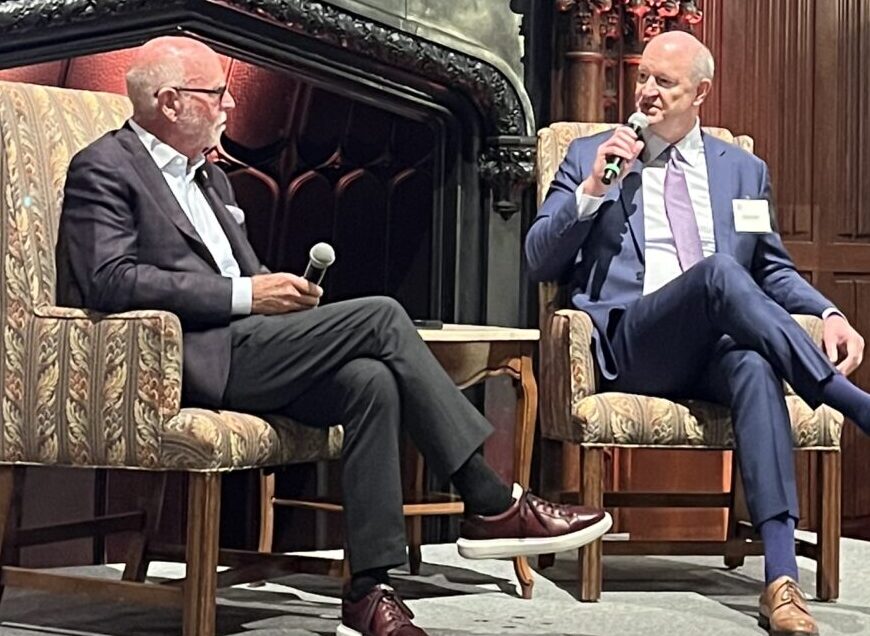
The Science History Institute joins the scientific community in mourning the death of J. Craig Venter, a pioneer in genomics who helped shape the field by leading the quest to decode the human genome. The renowned biologist, author, and entrepreneur founded Celera Genomics, the Institute for Genomic Research, and the J. Craig Venter Institute (JCVI). He was also the cofounder of Human Longevity Inc. and Synthetic Genomics. Announced by JCVI, which stated that he had been recently hospitalized for complications from cancer treatment, Venter died on April 29, 2026, at the age of 79.
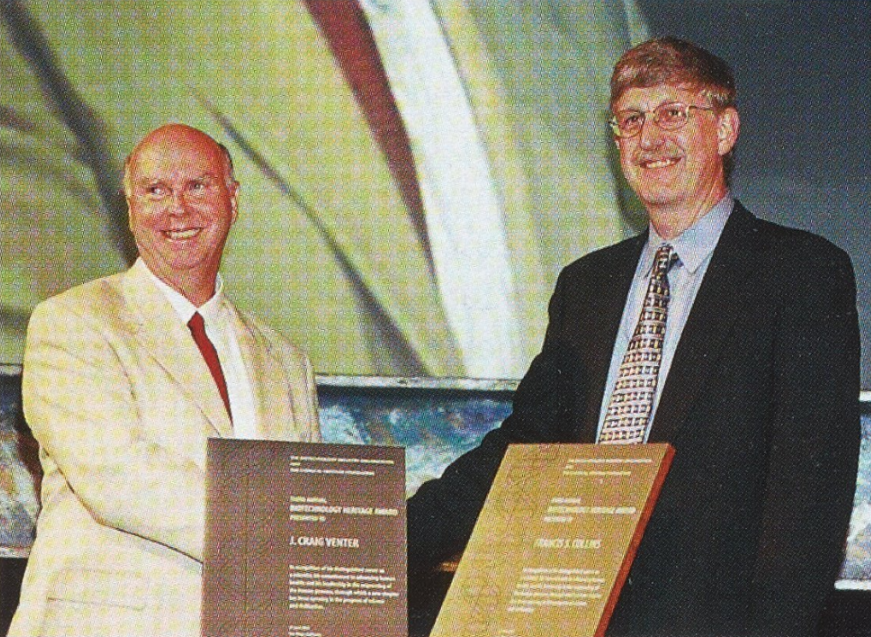
In addition to his revolutionary contributions to the Human Genome Project, work that earned him (and former NIH director Francis Collins) the Institute’s 2001 Biotechnology Heritage Award, Venter was also an avid supporter of the history of science. In 2005, JCVI purchased the History of Molecular Biology Collection, which documents the race to identify DNA’s double-helix structure and is considered one of the most significant scientific archives ever compiled. The Science History Institute acquired the famed collection from Venter in 2025.
“Although he was known for his role in the successful completion of the Human Genome Project, Dr. Venter’s passion for the history of science should also be noted,” said David Cole, the Institute’s president and CEO. “We are honored to have been able to acquire the History of Molecular Biology Collection from Dr. Venter last year and to be a part of his legacy.”
“We couldn’t think of a better home for the next phase in the life of this collection than at the Science History Institute, which will make it accessible in a way that we don’t have the capacity to do,” remarked Venter after the acquisition. Researchers can now access the archive’s treasure trove of notes, photographs, manuscripts, and correspondence, including British chemist and X-ray crystallographer Rosalind Franklin’s own copy of Photo 51, the groundbreaking image taken in 1952 that was used to reveal DNA’s structure.
Born in 1946 in Salt Lake City, Utah, Venter enlisted in the U.S. Navy during the Vietnam War and attended the Naval Hospital Corps School, serving as a medic in the intensive care ward of a field hospital. He earned a BS in biochemistry and a PhD in physiology from the University of California San Diego.
Venter, who also helped ignite the synthetic biology field, is one of the most frequently cited scientists in the world. He is the author of more than 280 research papers and three books: A Life Decoded—My Genome: My Life (2007), Life at the Speed of Light: From the Double Helix to the Dawn of Digital Life (2013), and The Voyage of Sorcerer II: The Expedition That Unlocked the Secrets of the Ocean’s Microbiome (2023).
His long list of awards includes the Paul Ehrlich and Ludwig Darmstaedter Prize (2001), the Nierenberg Prize for Science in the Public Interest (2007), the National Medal of Science from President Obama (2008), the Dan David Prize for his contributions to genome research (2012), and the Leeuwenhoek Medal (2015). In 2007 and 2008, Venter was included on Time magazine’s list of the 100 most influential people in the world, and in 2013 he was elected to the American Philosophical Society. He was also a member of the National Academy of Sciences, the National Academy of Medicine, the American Academy of Arts and Sciences, and the American Society for Microbiology.
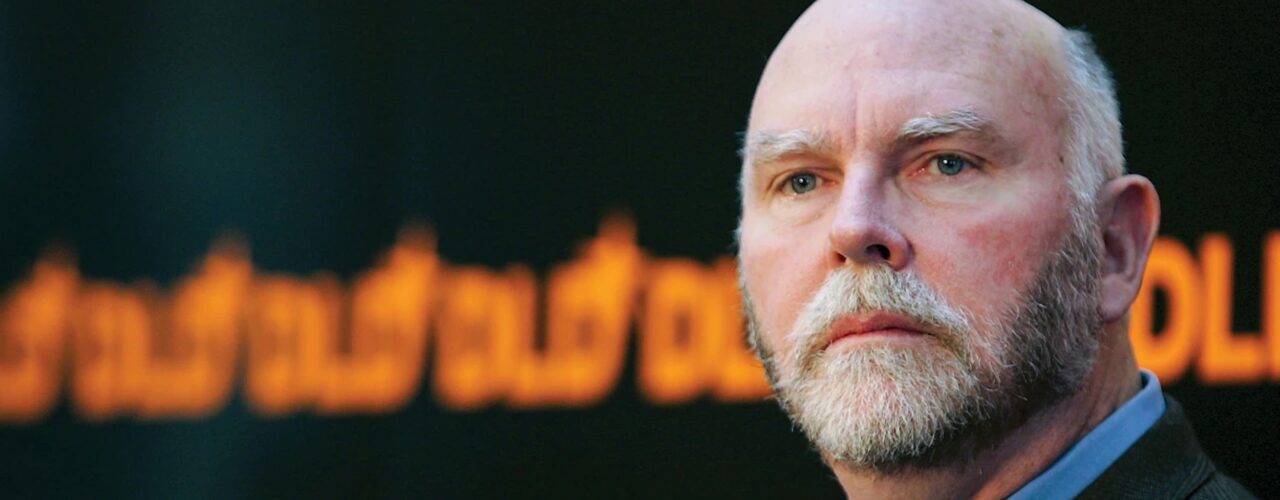
Featured image: J. Craig Venter at the Digital Life Design conference in Munich in 2008.
MATTHIAS SCHRADER/AP Images
More News
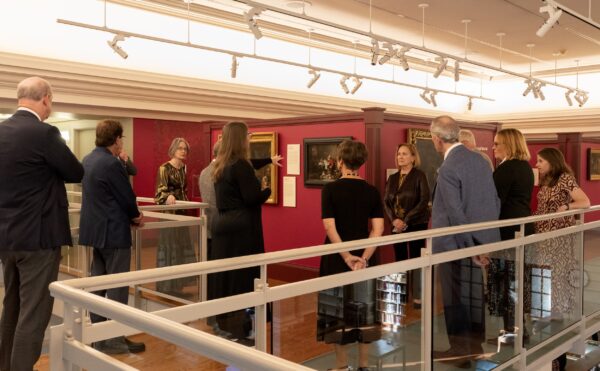
New Alchemy Exhibition Draws Sold-Out Crowd to Opening Celebration
Attendees take an up-close look at paintings and rare books from the Institute’s Fire and Gold exhibit while enjoying a curator’s talk, activities, and light bites.
New Research Challenges Misconceptions about Rosalind Franklin’s Famed ‘Photo 51’ and the Discovery of DNA’s Double Helix
Paper by the Science History Institute’s Alistair Sponsel and King’s College London’s Brian Sutton uncovers the significance of her previously captured Photo 49.
Science History Institute Launches New Season of ‘Distillations’ Podcast
American Vice takes listeners from cigarettes and alcohol, to fireworks and LSD with weekly episodes starting September 15.