
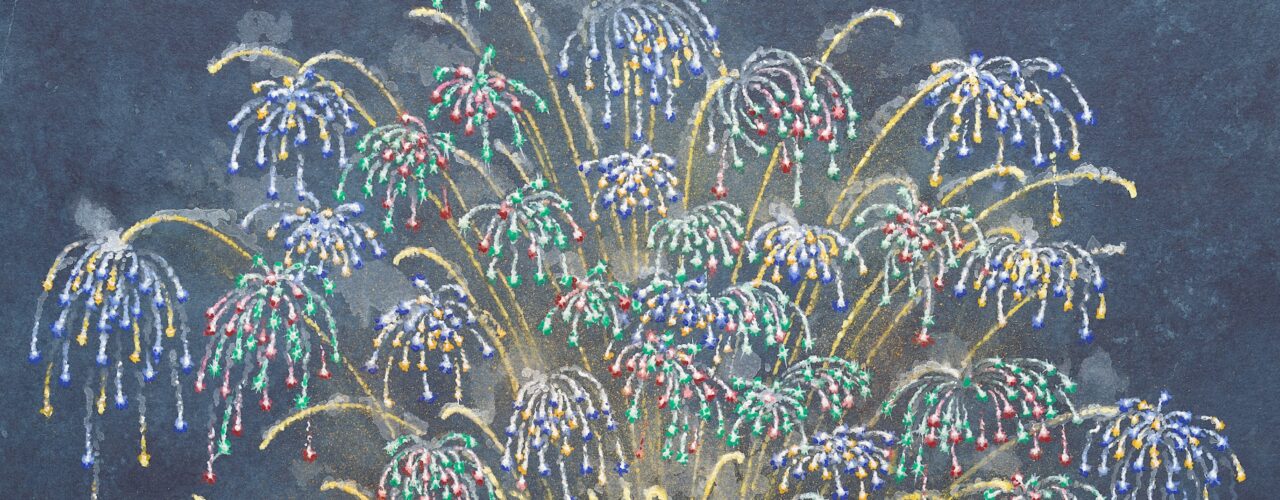
Science History Institute’s New Exhibition Explores the Sparkling and Explosive History of Fireworks
Flash! Bang! Boom! opens April 10 as part of America’s 250th birthday celebration.
The Science History Institute is pleased to present Flash! Bang! Boom! A History of Fireworks, a new exhibition that explores the origins of fireworks and the science behind them—from the way they are made, designed, and tested, to how they are sold and ultimately launched into the sky. This unique exhibition is our contribution to America’s nationwide celebrations marking the 250th anniversary of the signing of the Declaration of Independence.
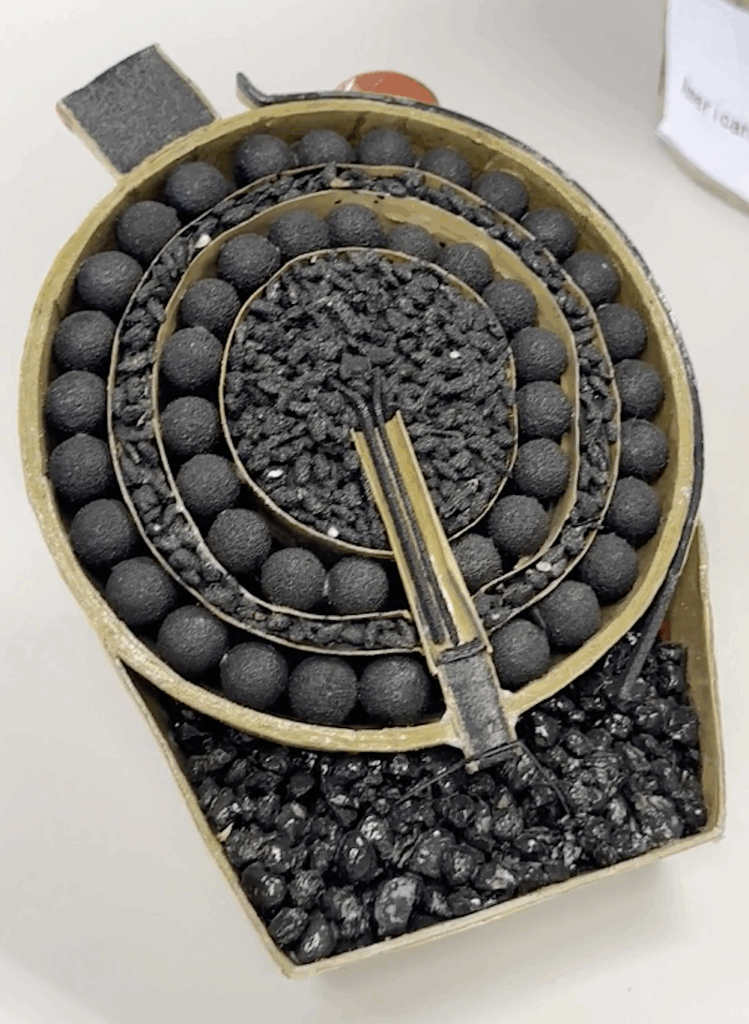
The public is invited to Launch Party! A History of Fireworks Opening Celebration on Friday, April 10, 2026, from 5pm to 8pm at 315 Chestnut Street in Old City Philadelphia. This free event features a curator’s talk, a look at the inside of a firework, pyrotechnic-themed objects from our collections that you can touch, hands-on activities, refreshments, and much more.
“The long and global history of fireworks isn’t told chronologically in this exhibition, but rather through the different elements of putting on a fireworks show,” says exhibition co-curator Jesse Smith, the Institute’s vice president of interpretation and education and director of the museum. “Fireworks are chemistry, they are art, they are a craft. There are amateur enthusiasts, professionals, and hobbyists. We touch on all of that.”
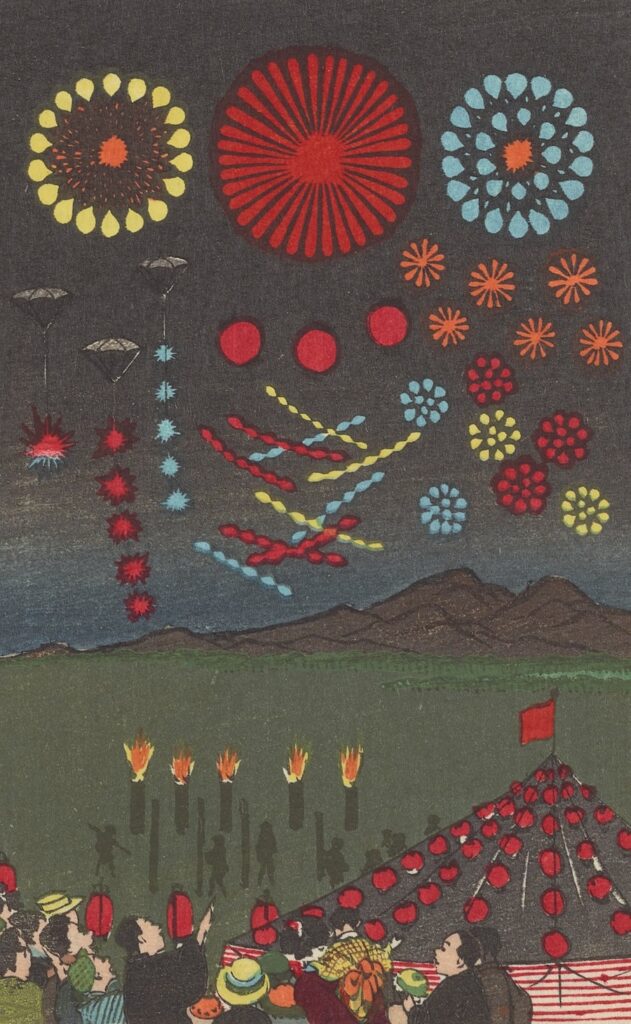
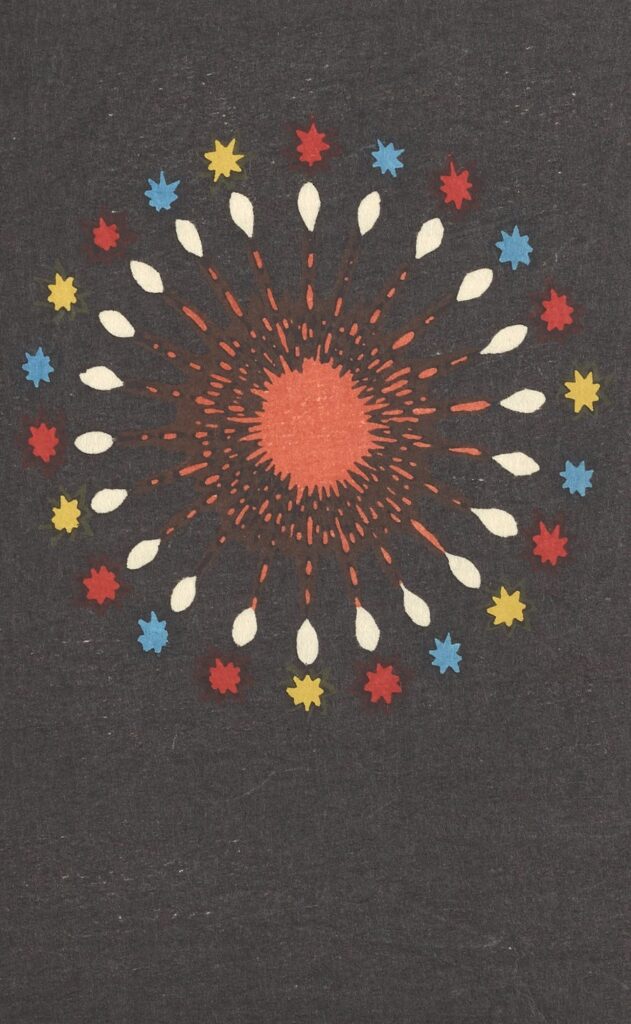
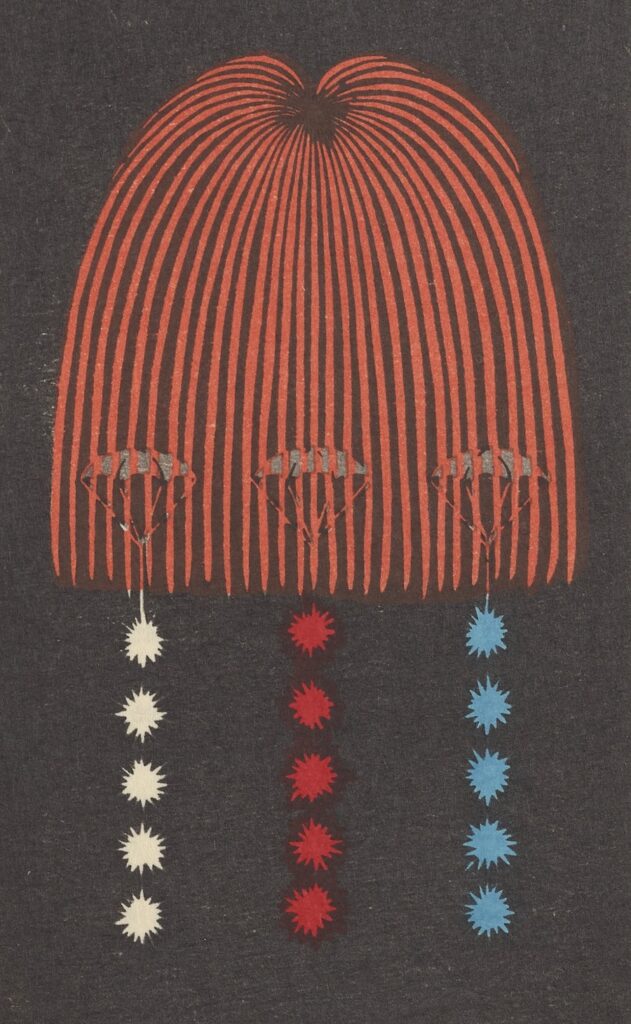
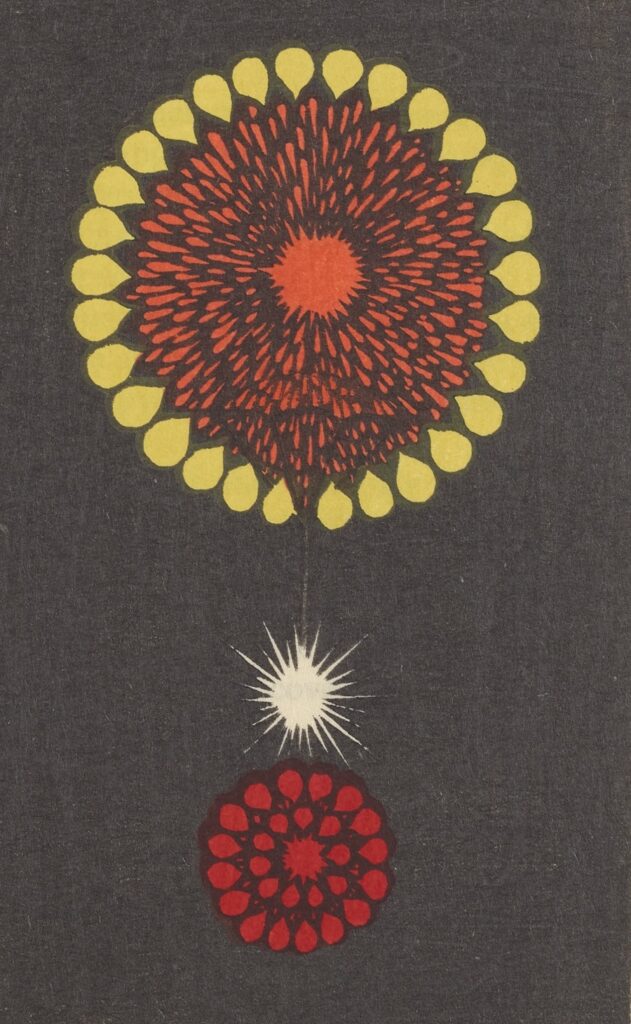
Colored prints of Japanese fireworks displays by the Hirayama Fireworks Company, from Pyrotechnics: The History and Art of Firework Making, 1922.
Fireworks are exciting and ephemeral, viewed by most from a distance. Flash! Bang! Boom! offers visitors an up-close look at not only the history and evolution of these pyrotechnic devices, but also at what has remained the same for more than a thousand years. The exhibition begins by zooming out to show their global origins, and then zooms in to reveal how the fireworks industry developed here in the United States with a story of innovation, immigration, chemistry, and celebration.
“What makes this exciting is the combination of familiar and unfamiliar. Pyrotechnics are technologies that not only produce spectacular effects, but also provoke big feelings—awe, grandeur, terror, patriotism, unity, delight. Even though a 17th-century royal fireworks spectacle might not at all resemble what we see on the 4th of July, the differences and similarities are illuminating,” says exhibition co-curator Nadia Berenstein, a historian of science and former Institute fellow.
“The biggest challenge of this exhibition was figuring out how to interpret a thing that you can’t actually display, given the risks of live fireworks,” adds Dr. Smith. “But seeing a fireworks show is an experience that most people are familiar with, so we offer a unique historical perspective instead and even make you question what you think you know, which is the type of story we like to tell at the Science History Institute.”
Visitors will navigate through the cross-cultural history of fireworks and discover details they don’t usually get to see, from rare books that share early designs and origin stories, to the inside of a firework and the colorful chemistry of a festive display. Flash! Bang! Boom! explores all the steps involved in getting to the final explosion in the sky through five themes: making, designing, testing, selling, and launching.
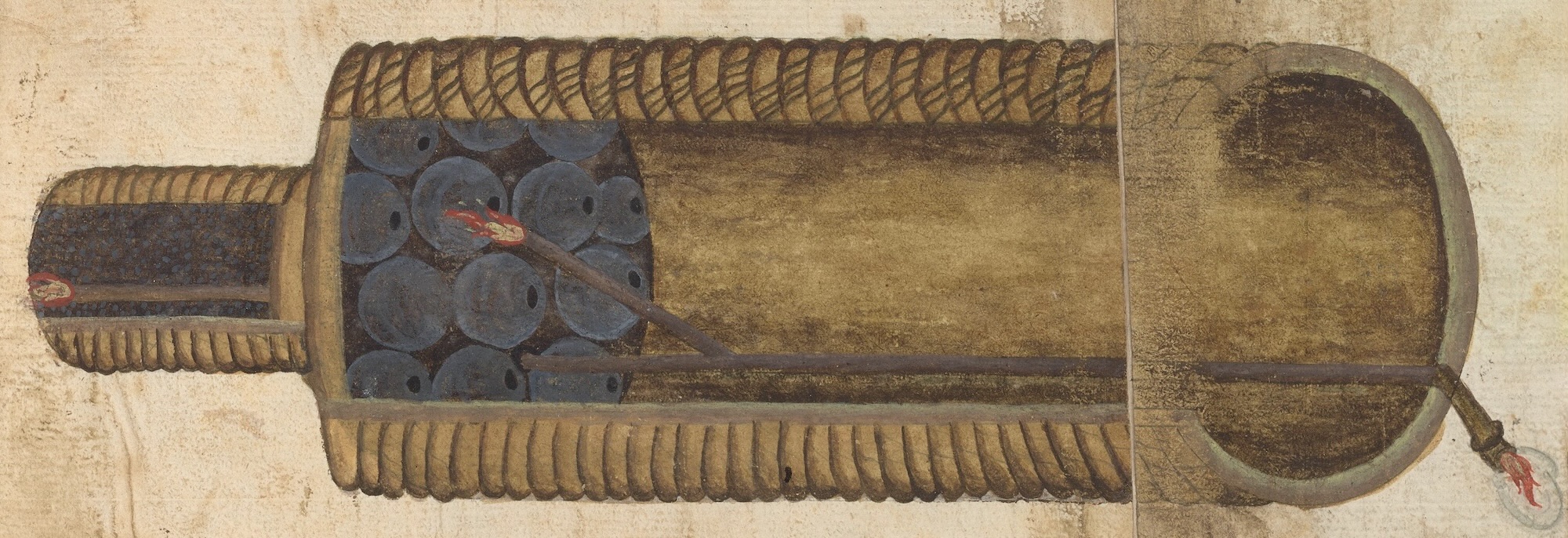
Making Fireworks
Although fireworks tend to be big spectacles, it’s a relatively small industry in the United States. Italian immigrants with long pyrotechnic traditions tied to Roman Catholic holidays brought fireworks manufacturing to America in the late 19th century, mostly in Pennsylvania, Ohio, New Jersey, and Maryland. Their knowledge, formulas, and family legacies helped build a strong commercial industry that has been passed down through multiple generations. To tie in with this history, family recipe books and firework formulas from the 1900s to the 1950s will be on display.
For safety reasons and the desire of the general public for variety, a majority of fireworks continue to be handcrafted, defying the automation of modern industries. As manufacturing evolved and shifted overseas, and new regulations and safety requirements were established, hobbyist groups grew. Whether you’re viewing a commercial-scale show or a smaller artisan display, the craft of fireworks creates a story.
Designing Fireworks
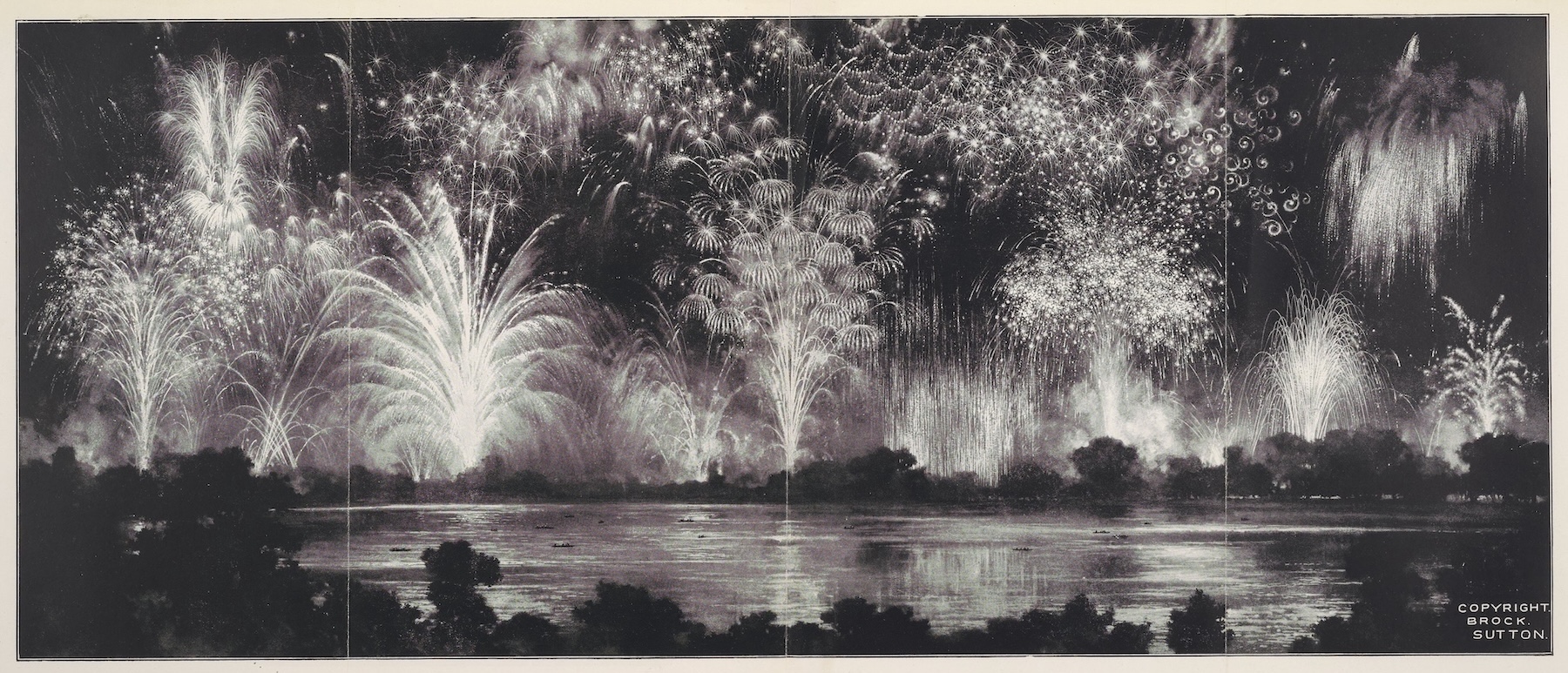
This section of Flash! Bang! Boom! considers historic approaches of storytelling through fireworks, which were used as theater with elaborate papier-mâché architecture and floating objects studded with different types of pyrotechnic elements. Visitors will see beautiful gouache paintings circa 1890 that represent different moments in these performances.
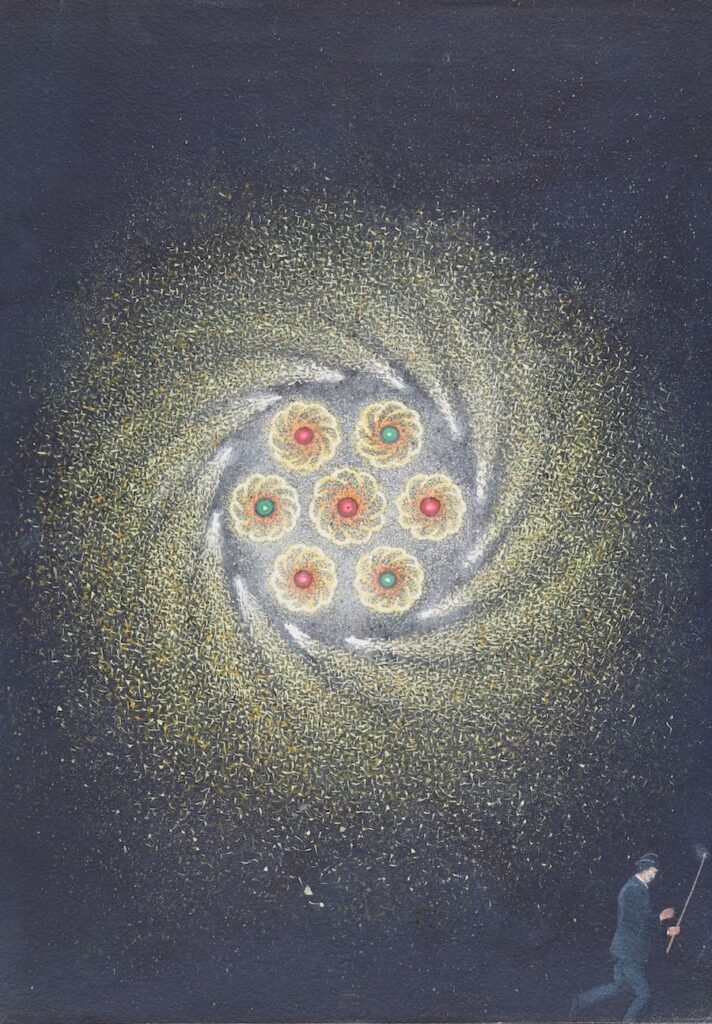
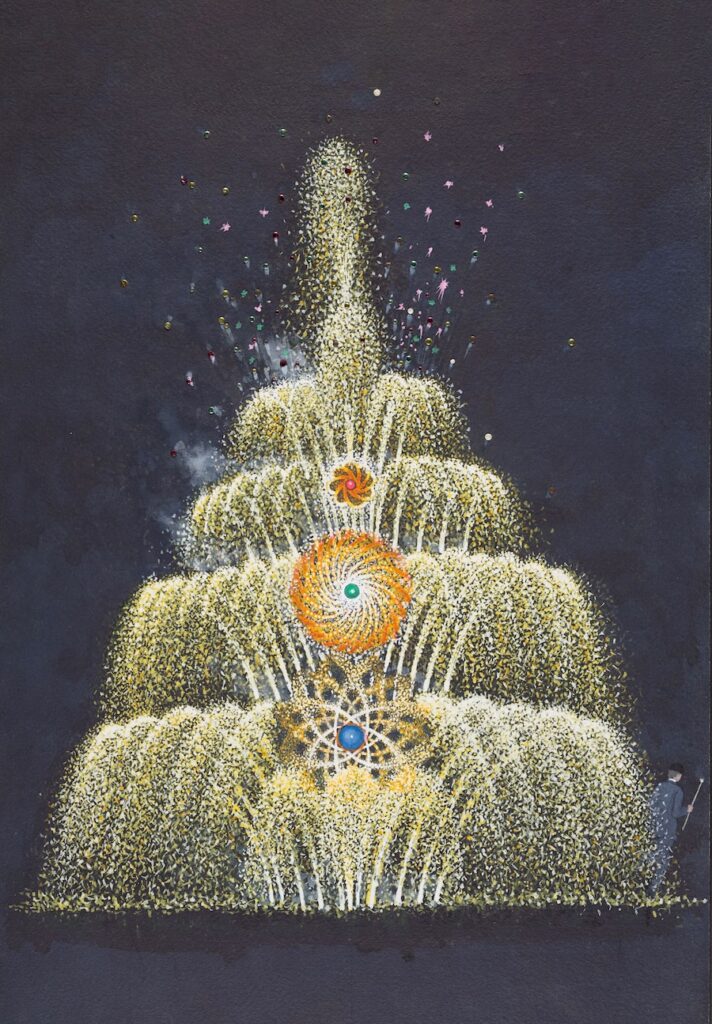
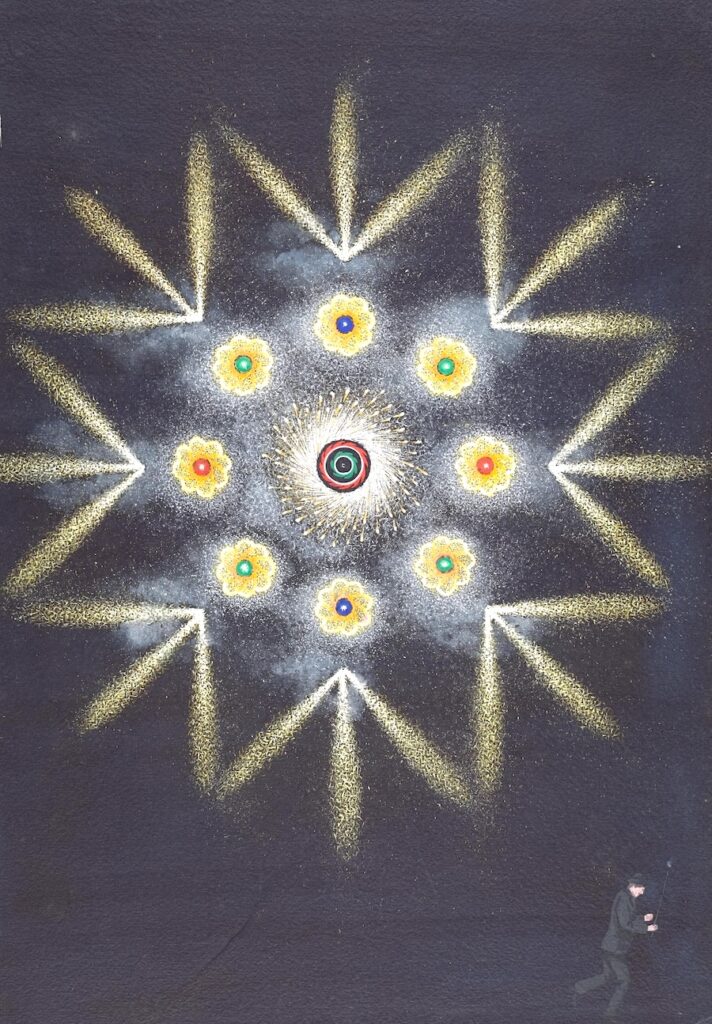
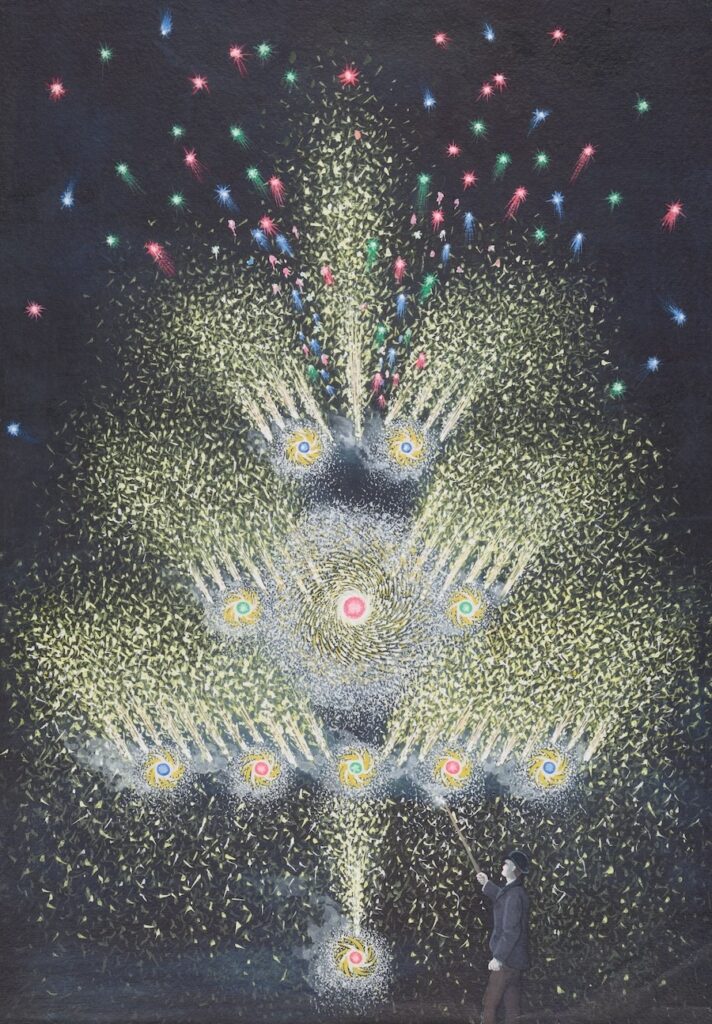
Gouache paintings of C.T. Brock & Co.’s Crystal Palace Fireworks, ca. 1890.
For centuries, fireworks were essentially one color: an orange-golden hue that glowed from a reaction using saltpeter, or potassium nitrate. Then in the 19th century, the chemistry of fireworks changed when potassium chlorate was introduced, bringing a whole new spectrum of colors and sparkle into their design.
Testing Fireworks
Because of the inherent dangers and risks associated with fireworks, Flash! Bang! Boom! also examines testing and safety. In the early 20th century, communities called for a ban on the personal use of fireworks in the United States, which varied from state to state and even municipality to municipality. Finally, the industry supported the establishment of the American Fireworks Safety Laboratory (AFSL) to ensure that national standards were created and enforced. Standards included fuse length to establish burn time and mortar stability to safeguard against fireworks tipping over. The AFSL also defined the amount of chemical composition within a firework and the distinction between consumer-grade and professional-grade fireworks. The exhibition features a briefcase containing a contemporary mobile testing kit used by the AFSL during visits to manufacturers in other countries to confirm federal guidelines were being met.
Selling Fireworks
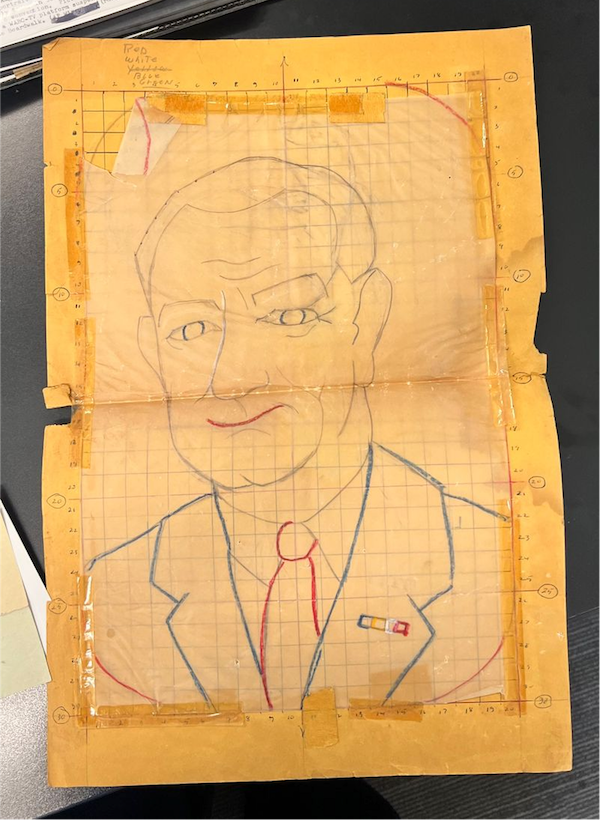
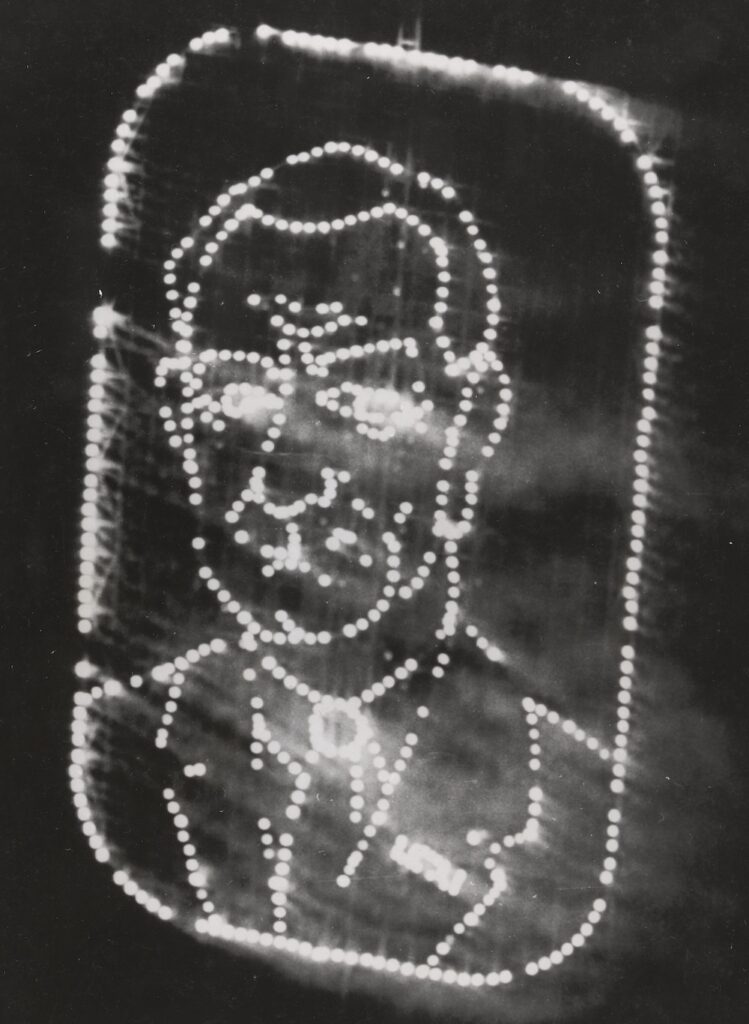
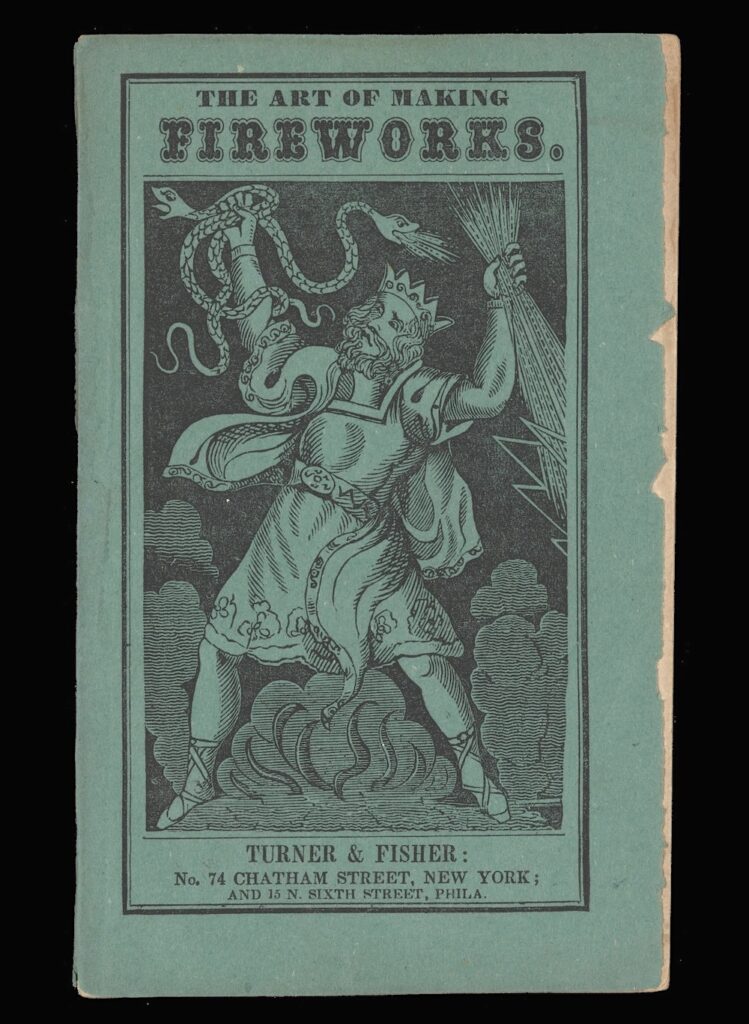
Printing plates, catalogs, and sales booklets show the commercial side of the fireworks market, demonstrating how their dazzling effects are described by the industry. The catalogs strike a balance between highlighting the specialized, artisanal aspect of fireworks while also being available for public consumption. Visitors can view the designs for a set piece featuring former President Lyndon B. Johnson as part of a birthday celebration that coincided with the 1964 Democratic National Convention in Atlantic City, New Jersey. A “Nixon Lodge” banner from the 1960 presidential campaign will also be on display.
Launching Fireworks
And finally, after considering the chemistry, the fabrication, the design, the color choices, and all the safety measures, it’s time for the show! But how are fireworks ignited? It’s all about time and control, as this section of the exhibition explores. What once required a person to hand light each fuse can now be done with electrical firing systems with the push of a button from a computer. Visitors can see some of these mechanisms up close, including a “home run” box and detonator from the 1970s, which was used to celebrate scoring home runs at baseball games. Modern fireworks allow more “boom” and more “bang” with perfect synchronization.
“Even with the introduction of computers and sophisticated digital design programs, a fireworks show cannot go on without the coordinated efforts of skilled craftspeople who make fireworks by hand, and the trained ‘pyros’ who assemble and shoot the shows,” concludes Dr. Berenstein.
Flash! Bang! Boom! A History of Fireworks is on view starting April 10, 2026, at the Science History Institute at 315 Chestnut Street in Philadelphia. The museum is open 10am to 5pm, Wednesday through Saturday. For more information, visit sciencehistory.org/fireworks.
Support
Major support for Flash! Bang! Boom! has been provided by the Bolte Family Foundation, Maria Maccecchini/Annovis Bio, and Kenan & Andrea Sahin/CAMX Power, with additional support from the Pennsylvania Historical & Museum Commission, the Laurie Landeau Foundation LLC & Lew Gasorek, Dan Adams & Manon Cox, Chris Alafi/Bering Capital, Barry Arkles & Janine Black, Peter Bernstein & Ala Hamilton-Day, Cynthia Cai, Michael DeSimone & Susan Hughes, Kathleen Egan & Rod Ferguson, the Fireworks Foundation, Freedom Integrated Energy and Chemical Company, David Martin, Fred & Kimberly Middleton, Mike Oeth, Louise Palmer & Stephen Salzer, Christopher D. Pappas, Margaret H. Rakowsky, Eric Rugart, John Spears, Cheryl Teich, and Fredric & Elizabeth Weber.
Media Requests
Caitlin Martin, cmartin@sciencehistory.org, 215-873-8292
Featured image: Detail of a gouache painting of C.T. Brock & Co.’s Crystal Palace Fireworks, ca. 1890. Dupee Fireworks Collection, Brown University Library.
More Press
Science History Institute Acquires Molecular Biology Archive That Includes Rosalind Franklin’s Historic ‘Photo 51’
This unparalleled collection documents the race to identify DNA’s double-helix structure and other significant developments that formed the foundation of molecular biology.
Science History Institute Celebrates ‘Earthly Matters’ Exhibition Opening and Lobby Renovation with Ribbon Cutting on October 8
Visitors are invited to Old City for an up-close look at our new collection of minerals, a curator’s talk, light refreshments, and more.
Science History Institute’s Annual Curious Histories Fest Asks ‘What’s for Lunch?’
The free, daylong celebration of the history of food science takes place Saturday, June 14, 11am–3pm.