
Science History Institute’s New Permanent Exhibition Showcases Paintings and Rare Books on Alchemy
Opening October 7, Fire and Gold: The Art of Alchemy (1450–1850) explores early experiments with matter, medicine, and the elusive transformation of lead into gold.
The Science History Institute is pleased to present Fire and Gold: The Art of Alchemy (1450–1850), a new permanent exhibition exploring the art, science, and history of alchemy. Fire and Gold draws on the museum and library’s extensive collection of European paintings and rare books to transport visitors back to a time when chemistry was chymistry, when alchemists explored the transformation of matter through experimentation, secrecy, and coded language. The exhibition takes visitors from underground mines into cluttered workshops and fiery laboratories, where they experimented with metals and minerals, controlled heat, and developed processes such as distillation.
Centuries ago, alchemists sought to uncover nature’s “secrets” and unlock the hidden potential of matter. They pursued healing elixirs, searched for the legendary philosophers’ stone, and tested the possibility that one substance could be transformed into another—pursuing, most famously, the elusive transformation of lead into gold. Often called “The Great Work,” alchemy gave way to modern chemistry.
For the first time, visitors can explore a permanent exhibition in the newly reopened Fisher Gallery, an intimate space overlooking the Institute’s by-appointment-only Othmer Library of Chemical History.
The public is invited to An Alchemical Affair: A ‘Fire and Gold’ Opening Celebration on Wednesday, October 7 from 5pm to 8pm at the Science History Institute, located at 315 Chestnut Street in Old City Philadelphia. Join the waitlist for this sold-out event, which features a curator’s talk, exhibition tours, alchemy-themed activities, light refreshments, and more.
“Alchemy and chemistry aren’t separate stories,” says Jesse Smith, vice president of interpretation and education and director of the Institute’s museum. “The questions alchemists asked about matter, transformation, and how the natural world works helped shape the experimental practices that became modern chemistry. ‘Fire and Gold’ lets us show that evolution through the items in our rich collection.”
Alchemy on Canvas
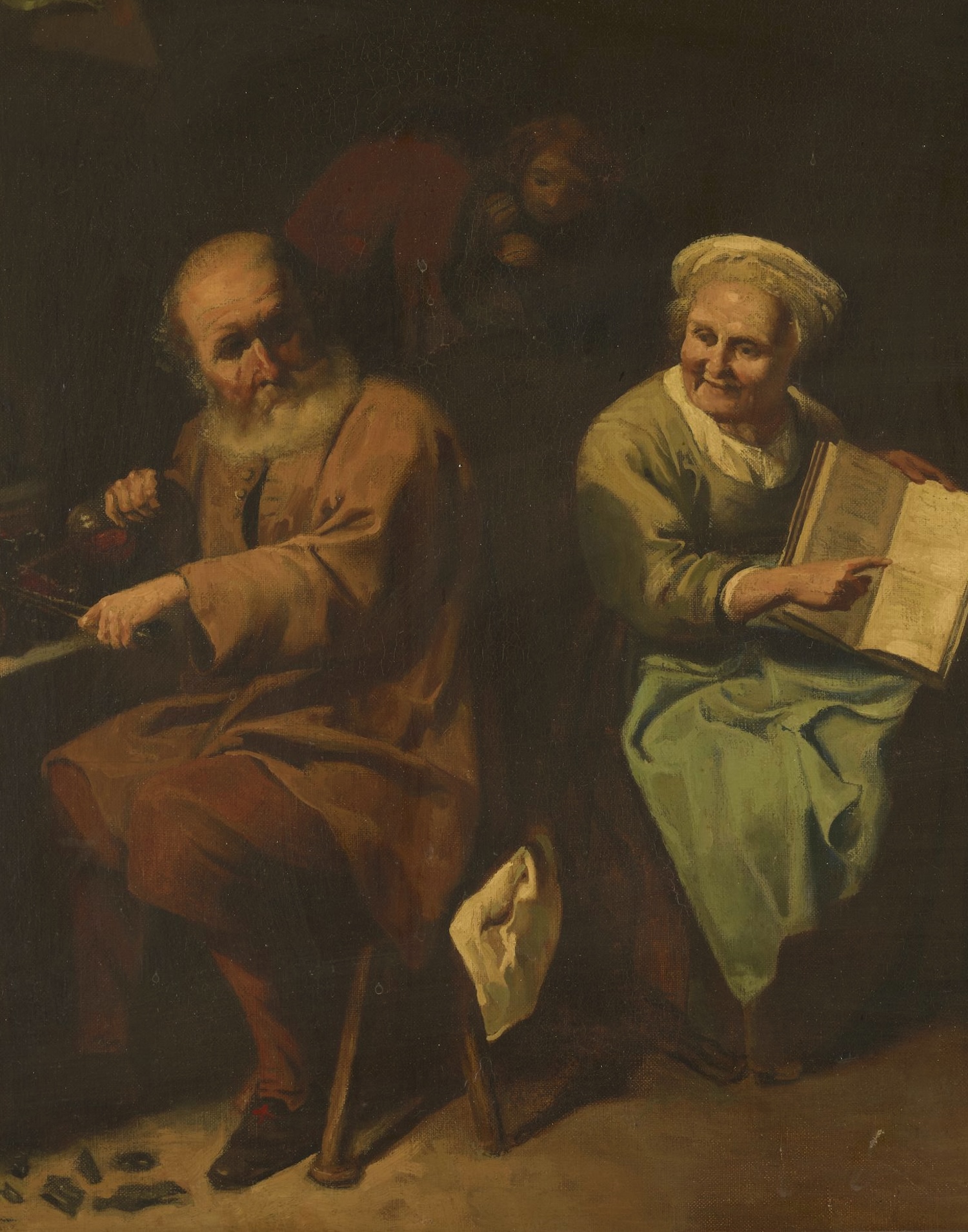
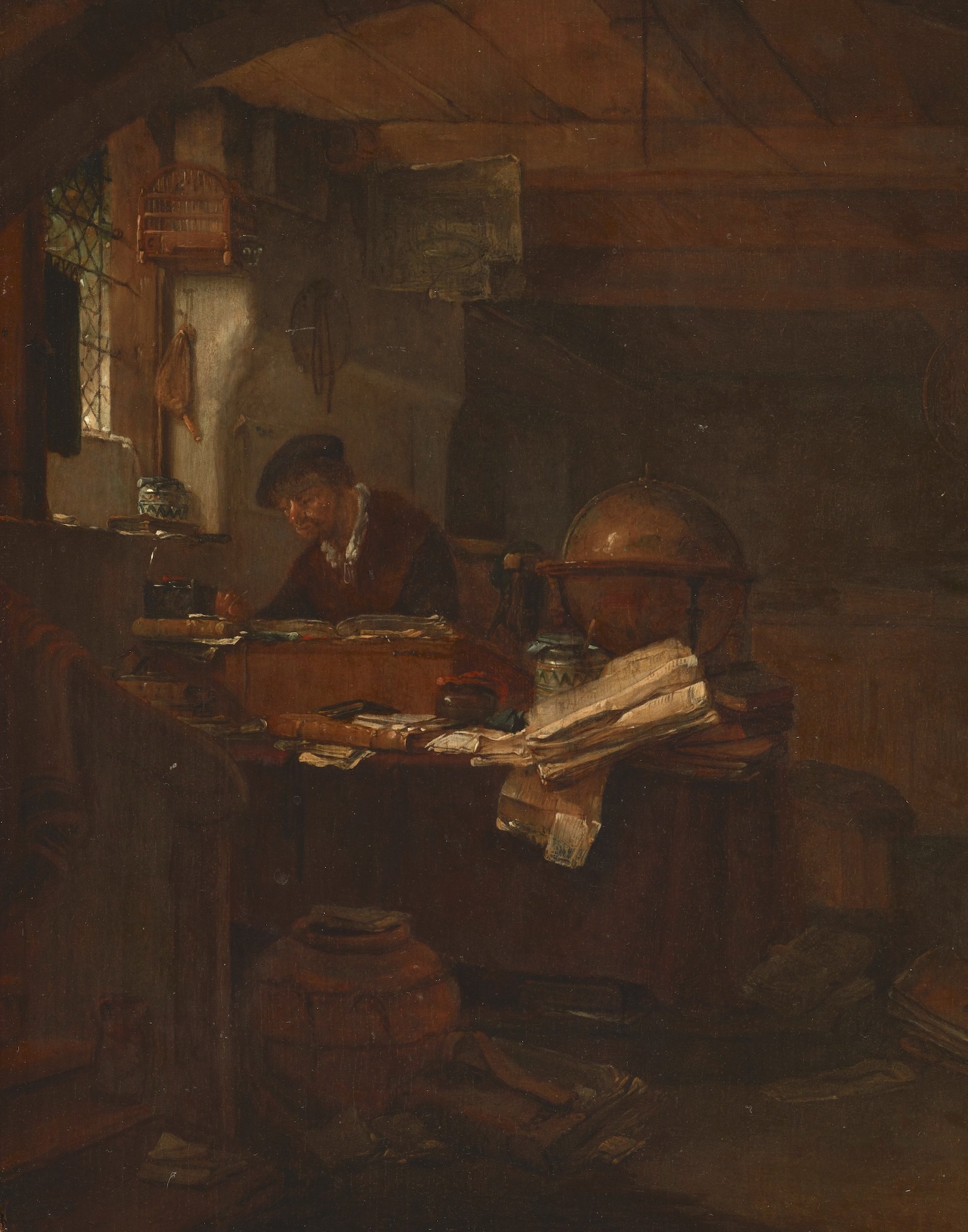
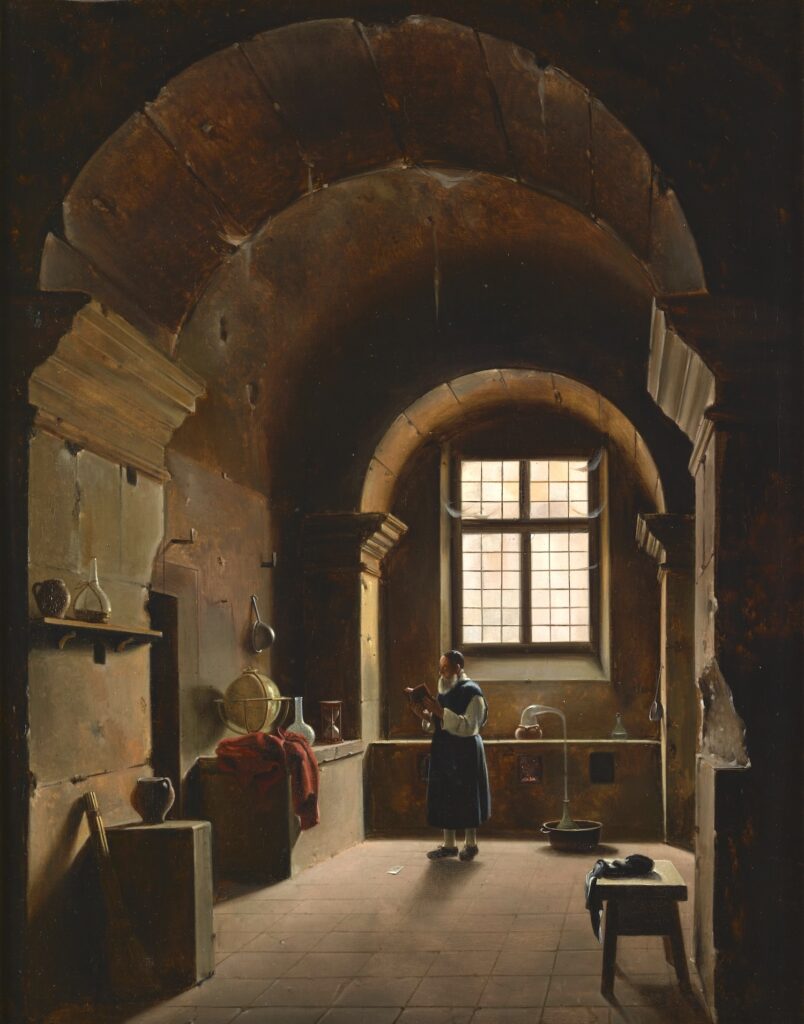
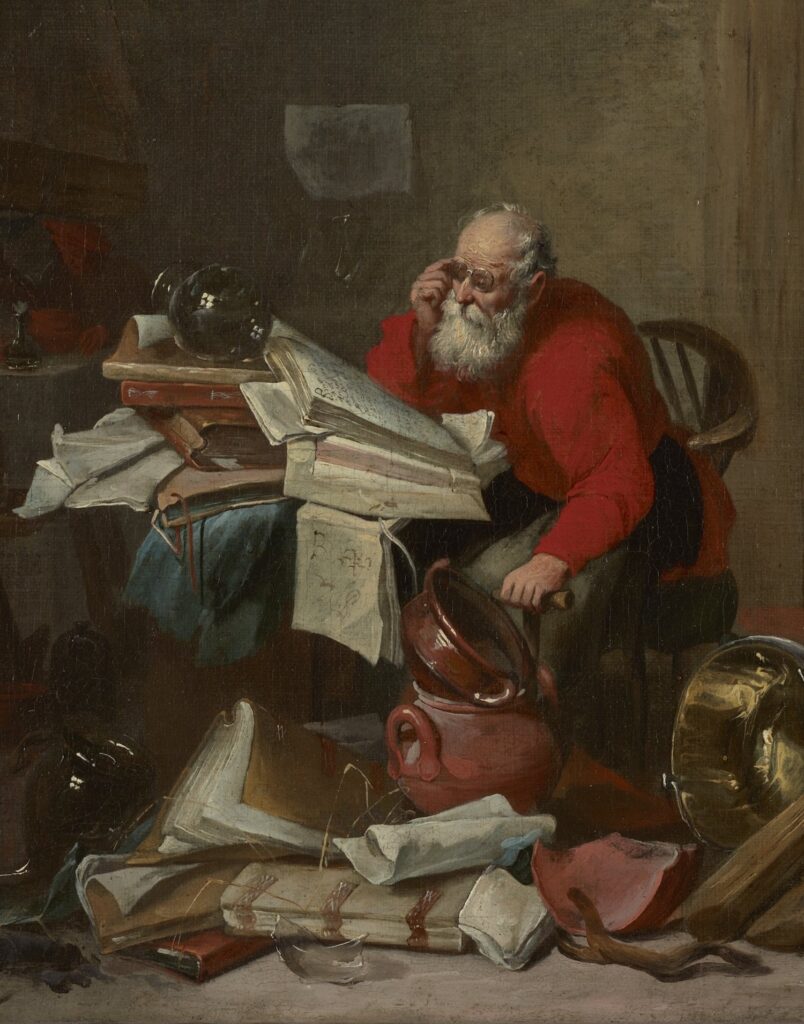
Fire and Gold draws from a lesser-known strength of the Institute’s museum collection: approximately 90 paintings, primarily European works dating from 1450 to 1850 that offer a window into the world of alchemy. About 16 paintings will be displayed at a time, with objects rotating every six months.
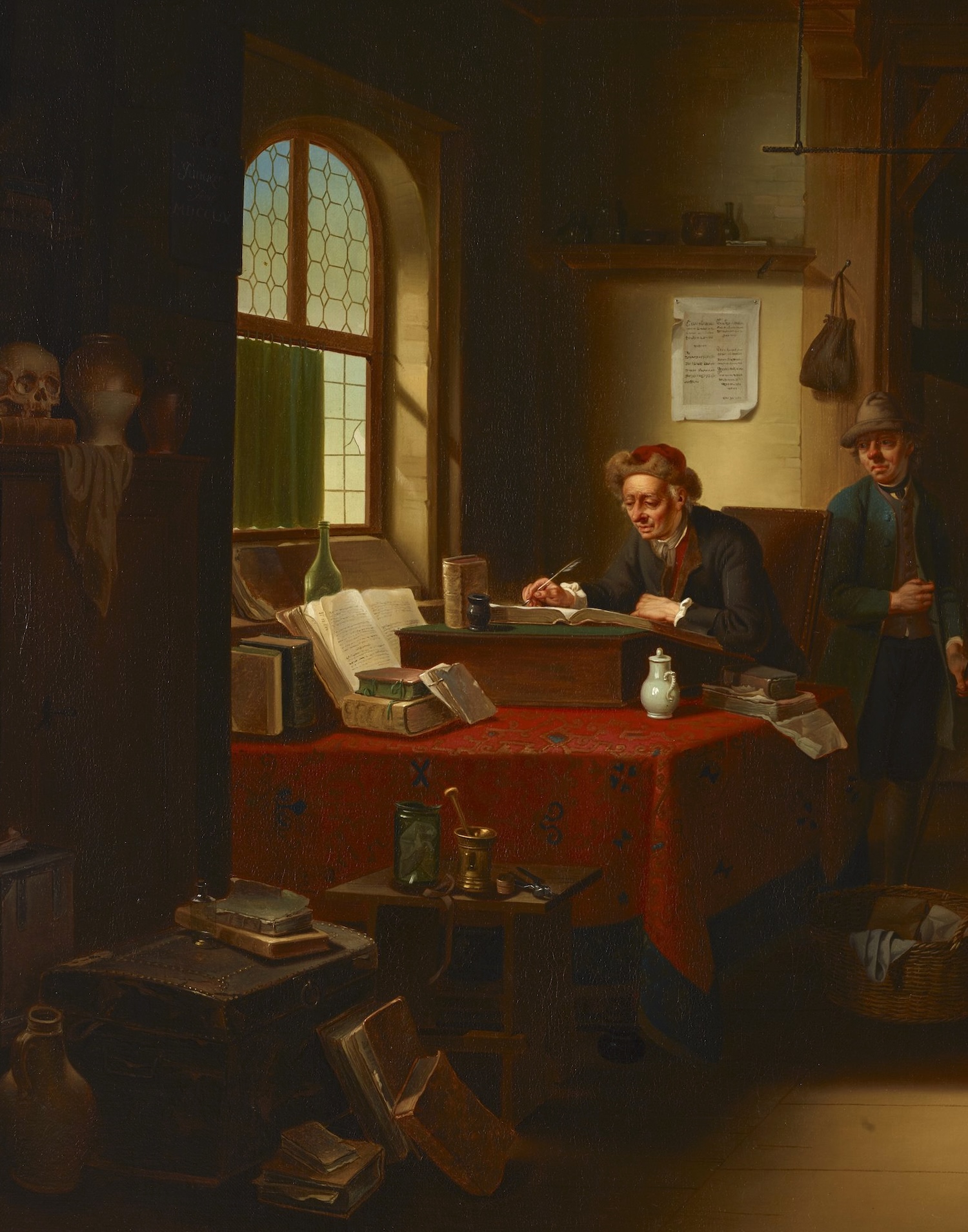
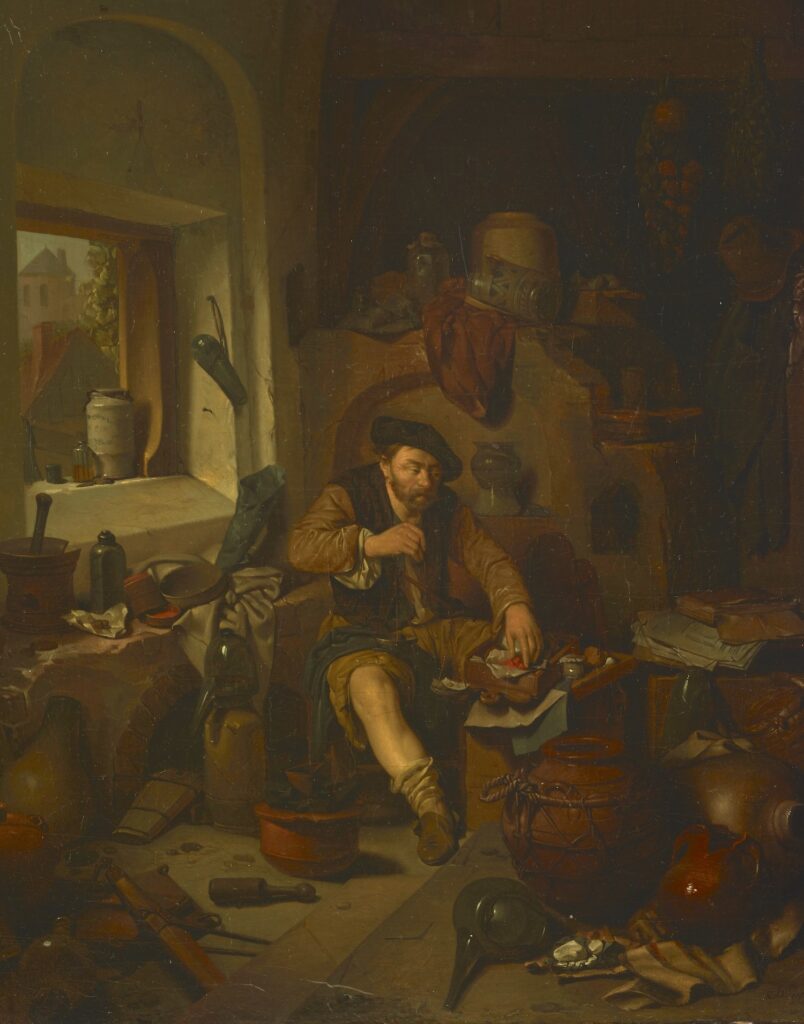
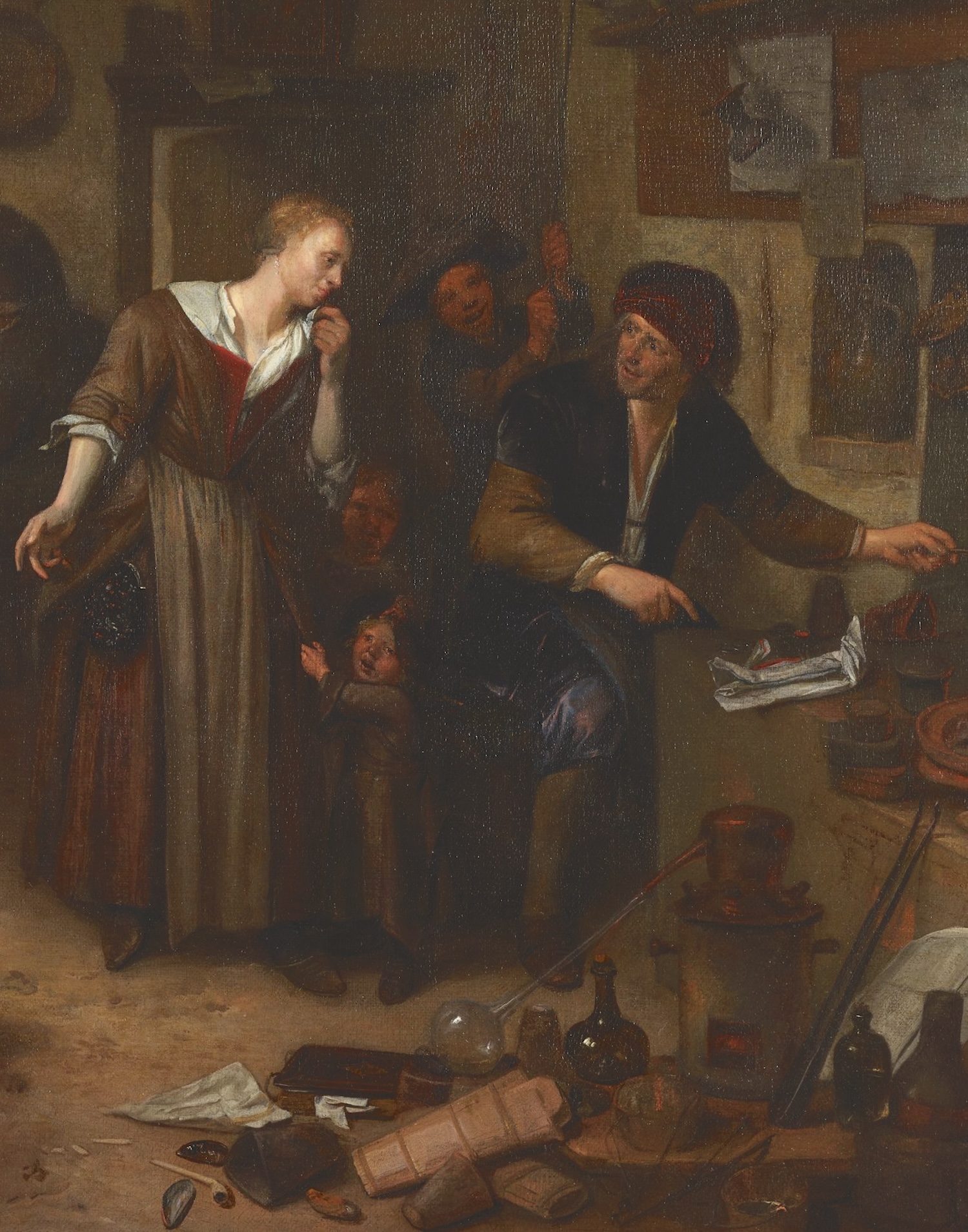

Many depict the alchemical laboratory as a scene of everyday life. Dutch, German, French, English, and Italian artists portrayed alchemists in dramatically different ways—from shabby or misguided figures surrounded by clutter, to scholarly experimenters and respected healers at work.
The exhibition features paintings from both the Fisher Collection (gifted by the estate of Fisher Scientific International founder Chester G. Fisher, namesake of the Fisher Gallery) and the Eddleman Collection (gifted by Spectrum Laboratories founder and philanthropist Roy Eddleman), making the Institute home to one of the largest collections of alchemical art in the world.
Fire and Gold: The Art of Alchemy (1450–1850) was curated by Elisabeth Berry Drago, an art historian who spent a decade at the Science History Institute researching, interpreting, and exhibiting its collections. She now lectures in art history at the University of Hong Kong.
“Alchemy is one of the fascinating places where art and science intersect,” says Berry Drago. “These beautiful paintings are full of fire, metals, and the promise of transformation. They show alchemists at work as scholars, healers, and experimenters, but also reveal how artists and the public understood their ambitions. Paired with rare books from the Othmer Library, they bring that world vividly to life.”
Alchemy in Rare Books
Rare books from the Institute’s Othmer Library add another dimension to the exhibition, showing how alchemists and other early experimenters recorded and shared their ideas about the natural world.
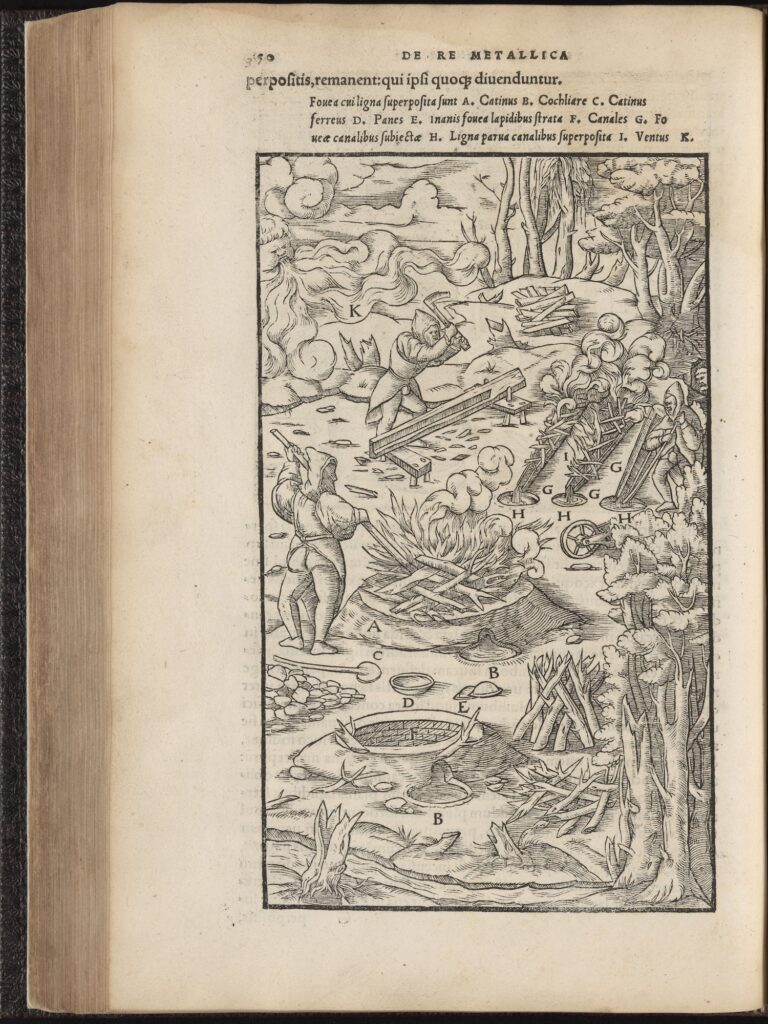
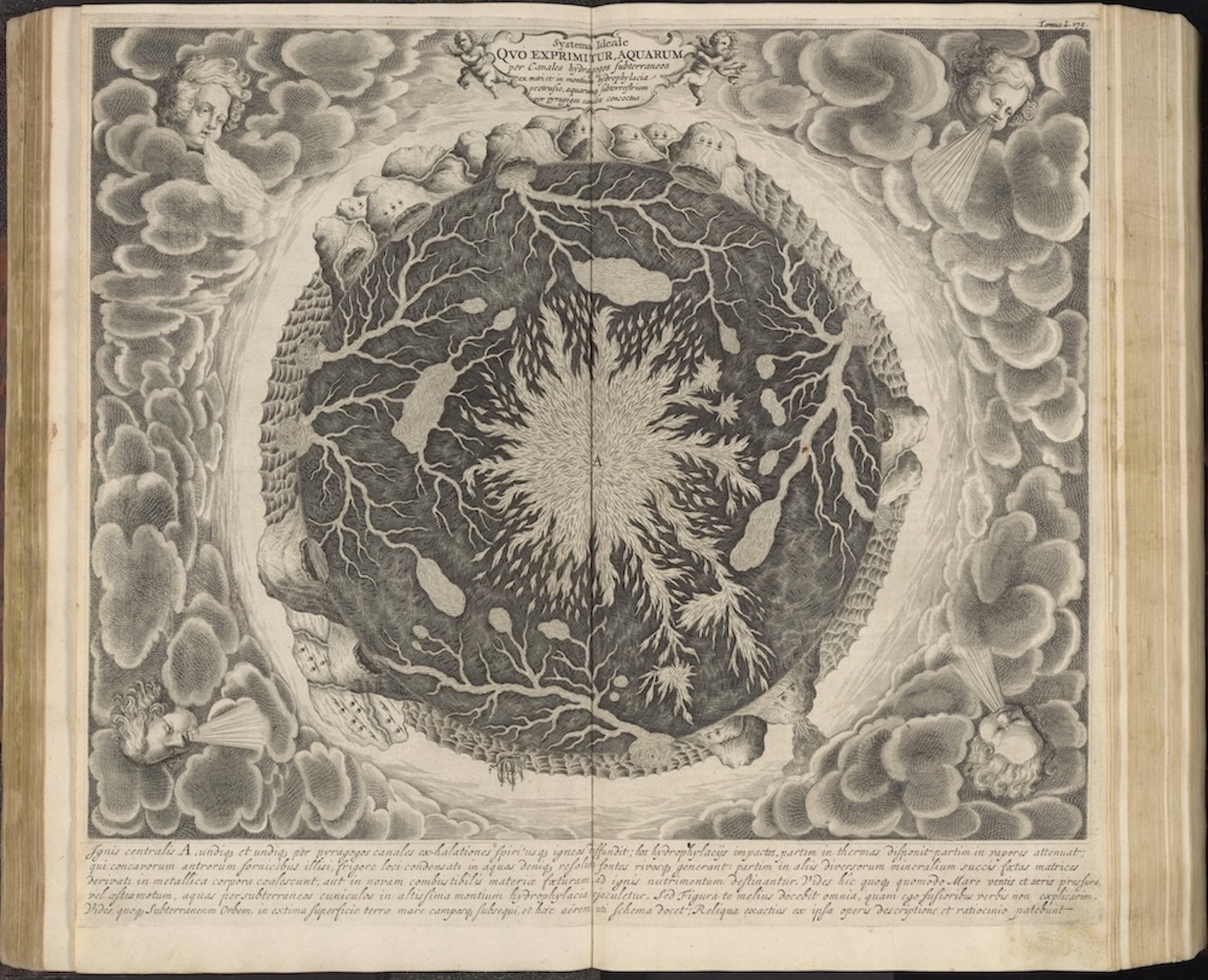
Among the works on view are Georg Agricola’s De re metallica (1556), Athanasius Kircher’s Mundus subterraneus (1665), and John French’s The Art of Distillation (1651). These texts illuminate the study of alchemy from mines and minerals to the laboratory, where alchemists used heat, distillation, and other processes to study and transform matter.
A New Space to Explore
Fire and Gold: The Art of Alchemy (1450–1850) offers a new way for visitors to experience the Science History Institute and its historic 1865 building. It is the first permanent exhibition in the Fisher Gallery, an intimate space overlooking the Othmer Library of Chemical History.
The research library holds nearly six miles of shelves filled with rare books, manuscripts, archives, and other materials documenting the history of the chemical and life sciences. Typically accessed by appointment, the library now provides the backdrop for an exhibition that brings together the Institute’s art and rare book collections.
Tour and Visitor Information
Fire and Gold: The Art of Alchemy (1450–1850) opens on Wednesday, October 7, 2026, at the Science History Institute, located at 315 Chestnut Street in Old City Philadelphia. A press preview will be held at 9:30am and a free public opening will be held at 5pm.
Beginning on Saturday, October 10, visitors can take a free, self-guided tour of Fire and Gold every other Saturday from 2pm to 3pm and alternately every other Thursday from 1pm to 2pm. Because of space limitation, the exhibition is best viewed in small groups. Registration is strongly recommended to guarantee your spot.
Support
Fire and Gold: The Art of Alchemy (1450–1850) has been made possible by the generous support of Barry Arkles and Janine Black.
Media Requests
Sarah Maiellano
pr@sciencehistory.org
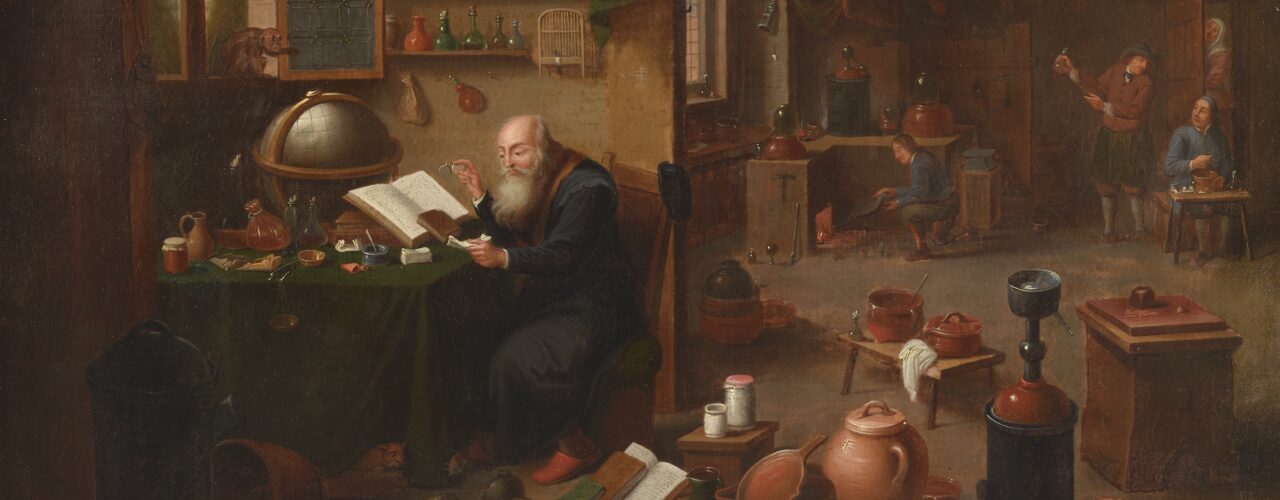
Featured image at top: Detail of Alchemist with Monkey, oil on canvas mounted on board, in the manner of David Teniers II, 1600s–1700s.
More Press
Science History Institute’s New Exhibition Explores the Sparkling and Explosive History of Fireworks
Flash! Bang! Boom! opens April 10 as part of America’s 250th birthday celebration.
Science History Institute Acquires Molecular Biology Archive That Includes Rosalind Franklin’s Historic ‘Photo 51’
This unparalleled collection documents the race to identify DNA’s double-helix structure and other significant developments that formed the foundation of molecular biology.
Science History Institute Celebrates ‘Earthly Matters’ Exhibition Opening and Lobby Renovation with Ribbon Cutting on October 8
Visitors are invited to Old City for an up-close look at our new collection of minerals, a curator’s talk, light refreshments, and more.