Science in the Margins
Alfred Swaine Taylor and the making of toxicological knowledge.
Alfred Swaine Taylor and the making of toxicological knowledge.
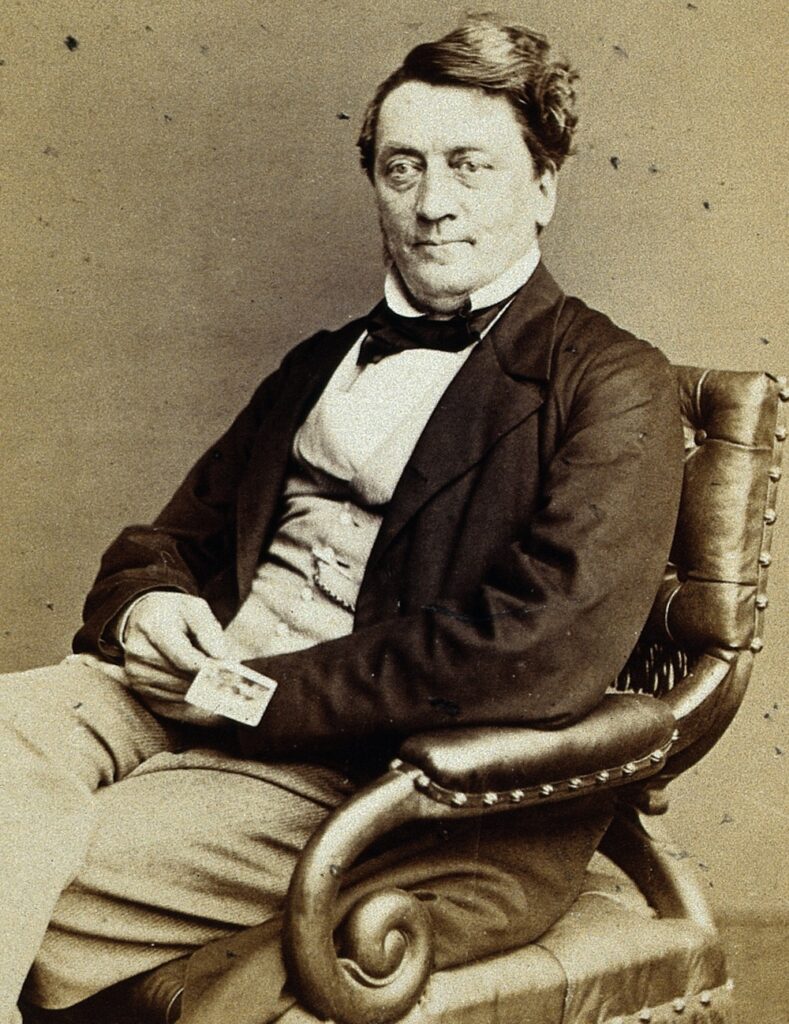
I’m sitting in a corner of the Othmer Library, about to leaf through the Alfred Swaine Taylor collection. This collection includes manuscripts of the influential English doctor and chemist’s early lectures and his personal copy of On Poisons in Relation to Medical Jurisprudence and Medicine (1875), one of his major works on the physiological effects of toxic substances and chemical tests used to detect them in a deceased body. More than 170 years ago, Taylor helped move the field of toxicology away from anecdotal historical stories and established a rigorous, practical framework for presenting courtroom evidence.
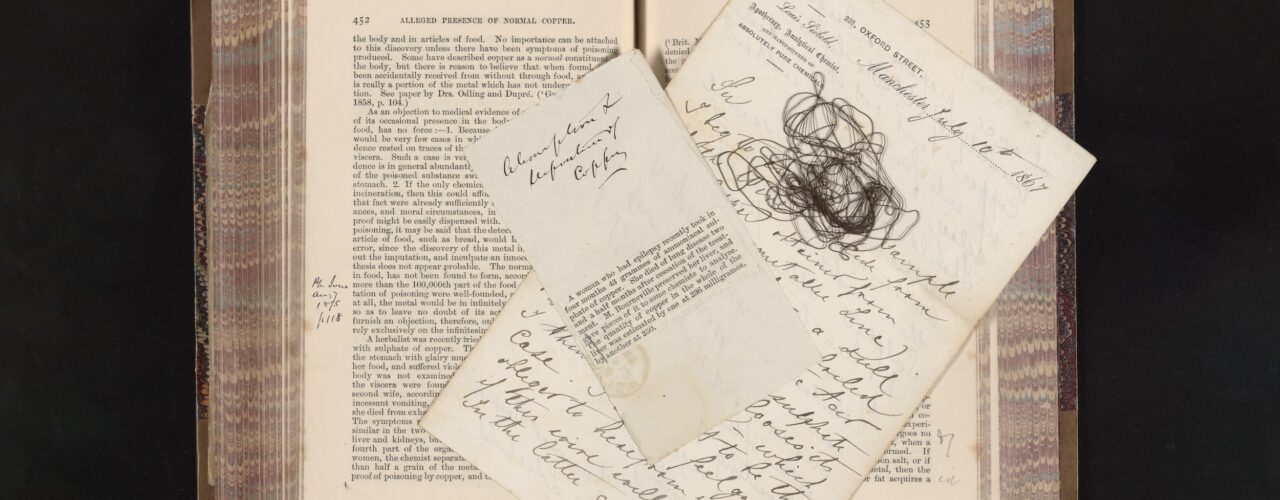
I open Taylor’s copy of On Poisons very carefully since it is quite literally full of surprises: newspaper clippings, bits of copper wire, fragments of postcards, handwritten notes, and corrections in the margins. As a summer intern, my assignment is to record the content and placement of the bits tucked between its pages. In many libraries, this might be cause for alarm. Someone has written in the book! They’ve stuffed it full of loose papers! But in the Othmer Library’s rare book collection, discoveries like these are cause for excitement. While Taylor’s published books document the conclusions he shared with students, physicians, and courts of law, the notes, corrections, and newspaper clippings he preserved alongside them reveal the work behind those conclusions. Together, his books and manuscripts allow us to see not only what Taylor knew, but also how his scientific knowledge was created, revised, and communicated.
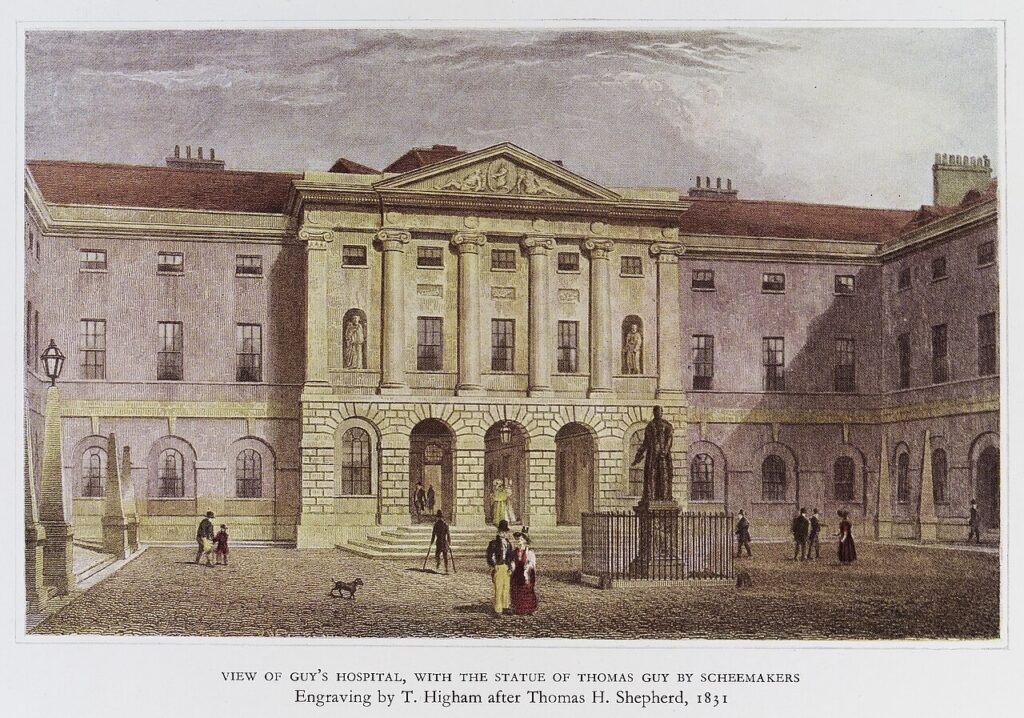
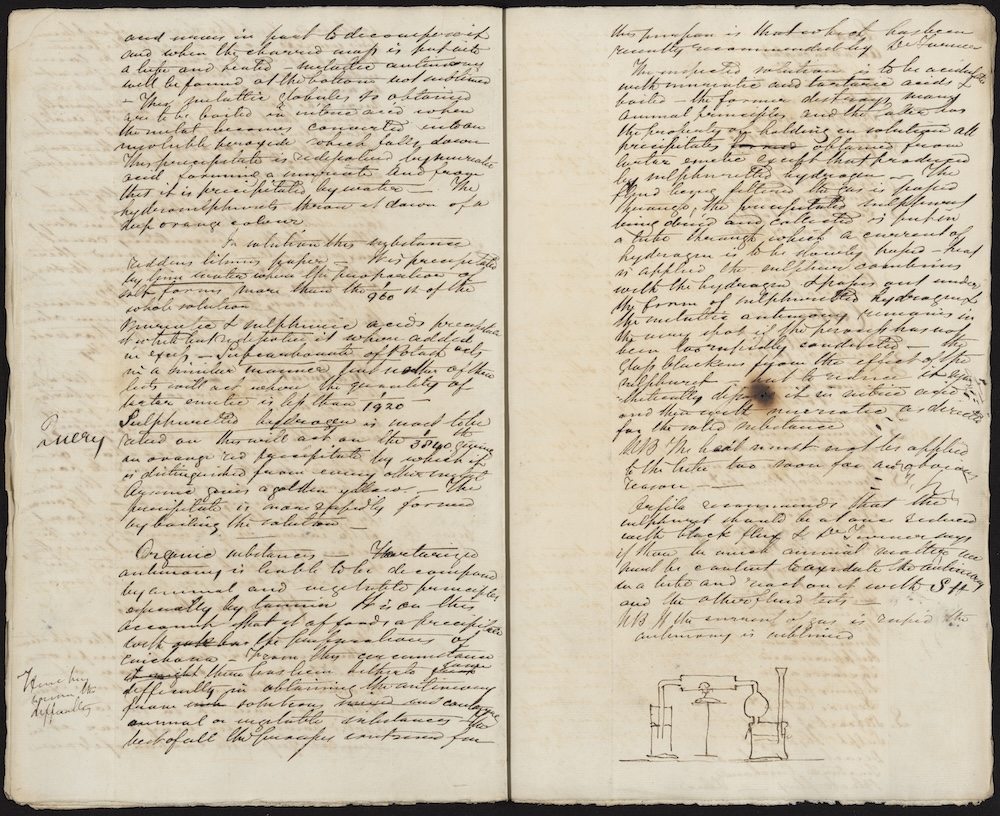
One place where we can see this is in Taylor’s handwritten lecture manuscripts. These notes were written for a series of lectures he began giving in 1831, when he was appointed to teach medical jurisprudence at Guy’s Hospital, one of London’s teaching hospitals. Even before reading a single page, Taylor’s lecture titles tell us something about how he thought the subject should be taught. He begins with a general history of the field before moving into more specific topics, such as lightning strikes, spontaneous combustion, poisoning, and finally cholera and typhus. Simply looking at the order of the lectures begins to reveal how Taylor organized his courses and what subjects he considered foundational.
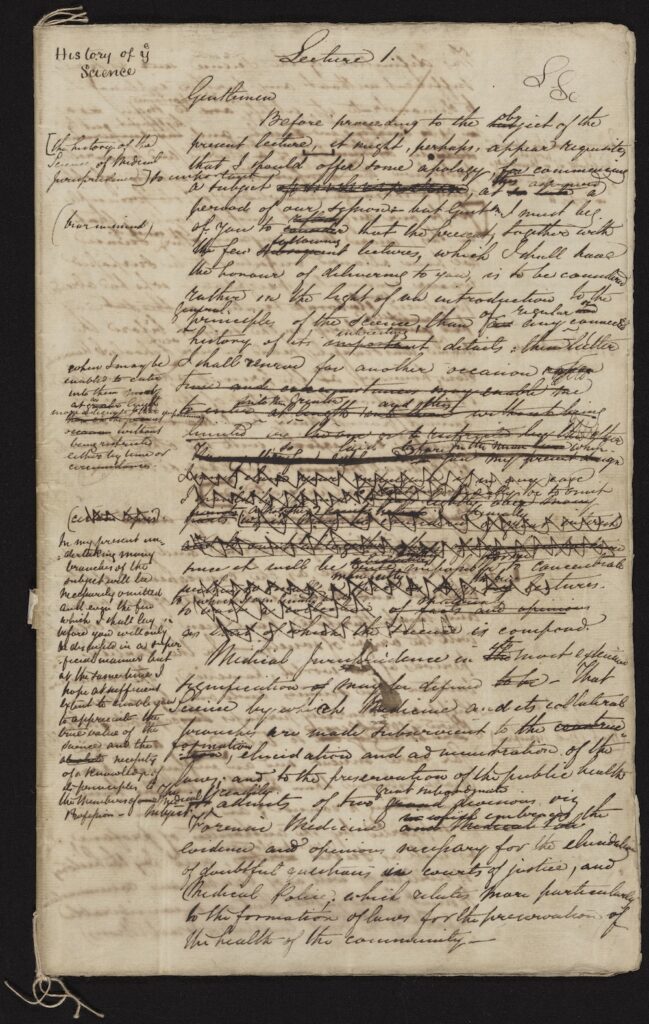
Even if the handwriting is difficult to decipher (there’s a reason “doctor’s handwriting” became a cliché!), something else immediately stands out. Words, sentences, and sometimes entire paragraphs have been crossed out and rewritten. Rather than presenting polished knowledge, these pages preserve the process of deciding how best to explain it. Like all good teachers, Taylor was constantly searching for a clearer phrase, a better example, or a more effective way to introduce an idea.
Sometimes Taylor even left reminders to himself. In one lecture on public health and quarantines, for example, he scribbled down the summary of a newspaper report describing a house in St. Giles where 100 people were living in a space only 24 by 20 feet. He also noted his source: the Morning Herald, dated August 27, 1831. Little notes like this offer a glimpse of Taylor at work, pulling together ideas from many different sources and weaving current events into his teaching.
Taylor continually revised both his lecture notes and his published books, adding new cases and refining explanations as new evidence emerged. Rather than treating his writings as finished products, he treated them as working tools that evolved throughout his career.
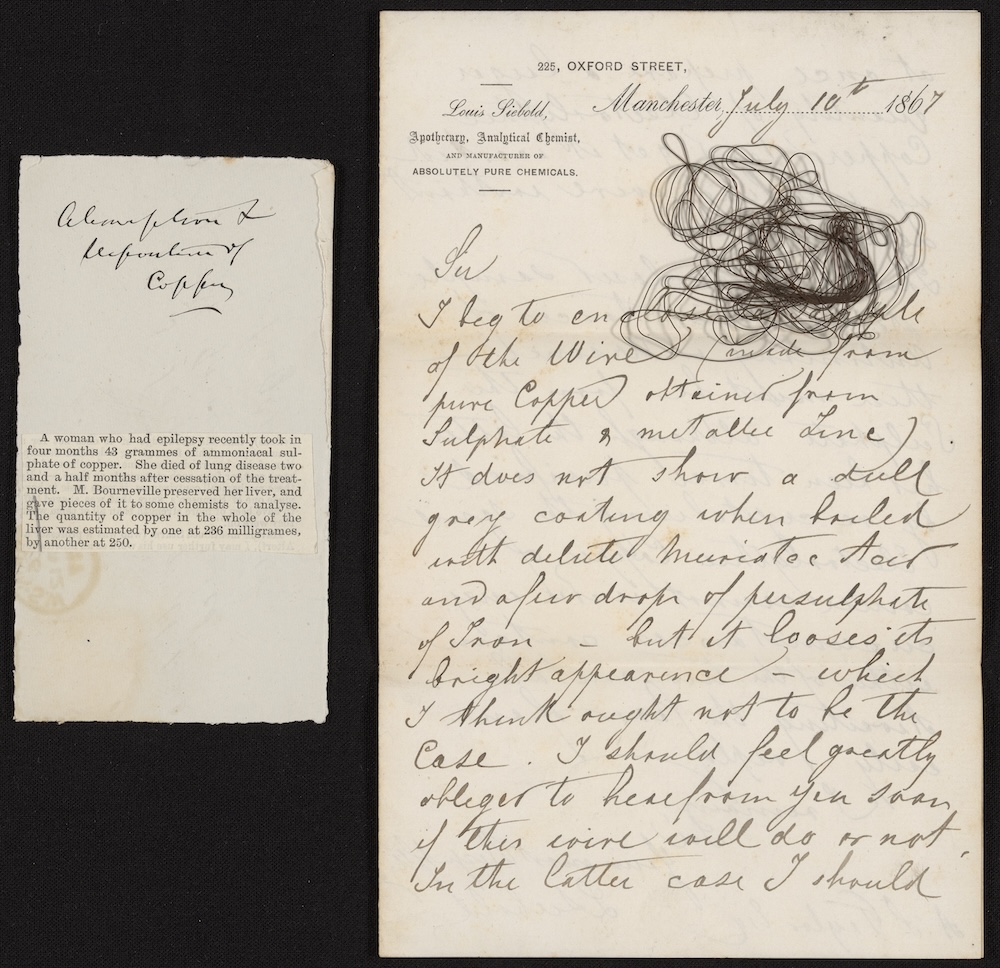
The same pattern appears in Taylor’s personal copy of On Poisons. The copy remained in Taylor’s hands, and over the years, he preserved newspaper clippings, notes, and letters inside it. He even included correspondence about his experiments with copper wire, complete with a piece of the wire itself! How much information can these little scraps give us? Let’s take a look.
Tucked into one section, he placed three newspaper clippings: one about a ship whose cargo hold caught fire and sank; one about cotton bales that ignited and burned down a city block; and one about a man whose cart full of bags of rosin became so hot that it exploded. At first glance, they seem like unrelated news stories. But they all describe materials catching fire with no immediately visible cause.
And where in his book did he place them? Under the chapter on spontaneous combustion. He wasn’t simply saving unusual stories—he was organizing them according to the chemical principles he believed explained them.
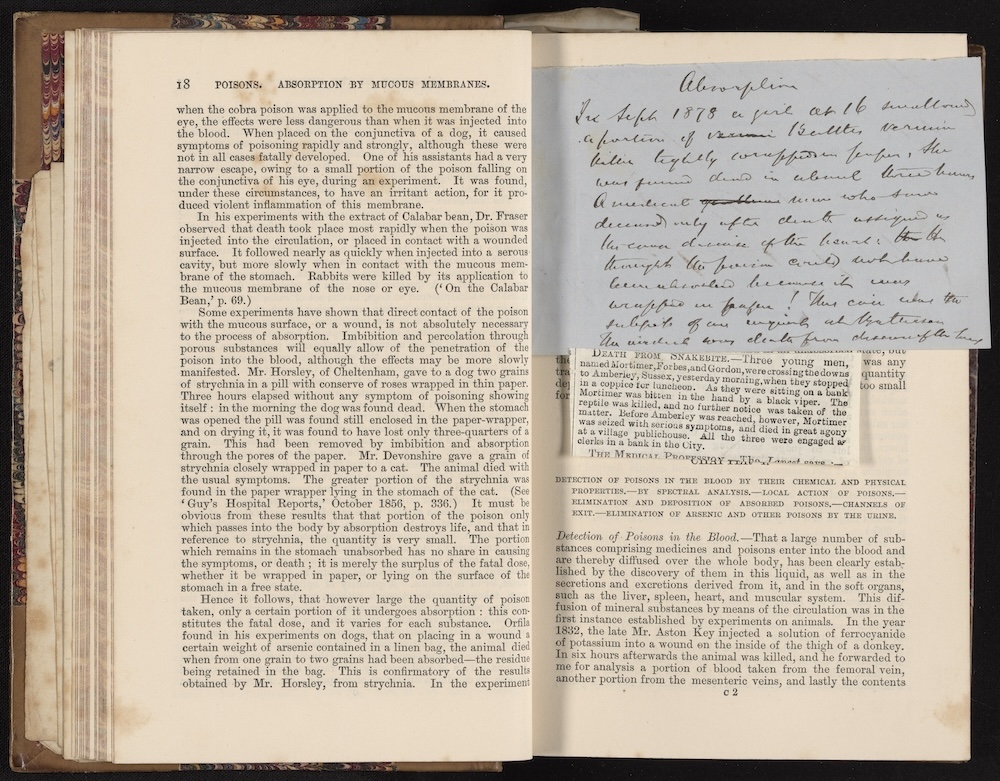
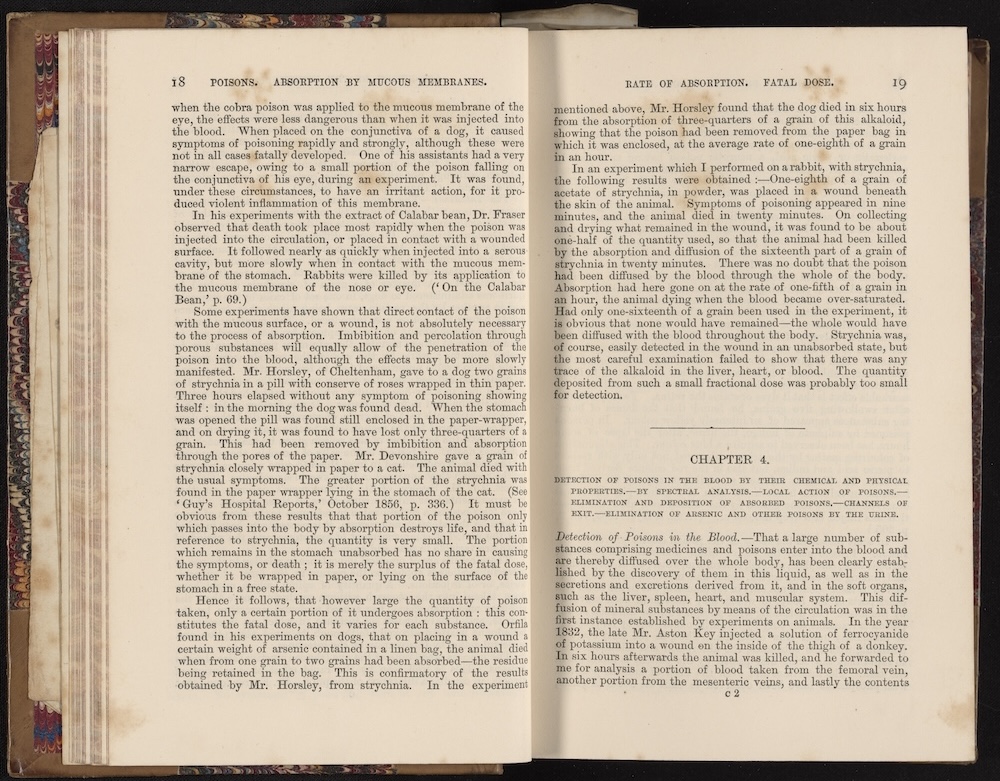
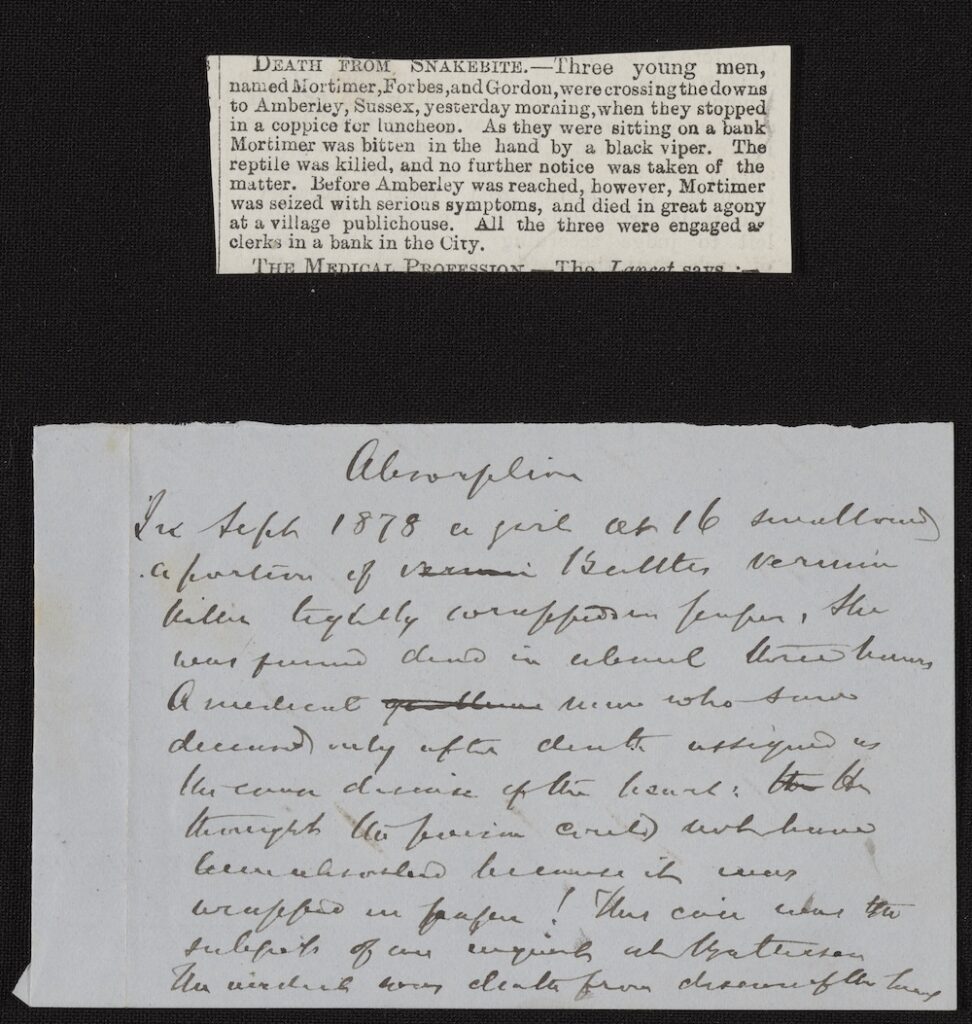
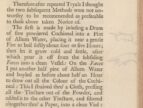
A newspaper clipping and a handwritten note, both found inside Alfred Swaine Taylor’s copy of On Poisons.
Here’s another example: a newspaper clipping about a man who died after a snake bit him while he was eating his lunch. Alongside it is a handwritten note about a woman who died after ingesting a packet of rat poison wrapped in paper. What section did these stories belong in? The chapter on fatal doses and poison absorption.
We even catch Taylor in the middle of organizing his evidence. On one newspaper clipping describing the possible drowning of an infant, he first labeled it as “infanticide” before crossing that out and replacing it with “drowning.” Rather than preserving only the final category, the clipping preserves the process of deciding where the evidence belonged.
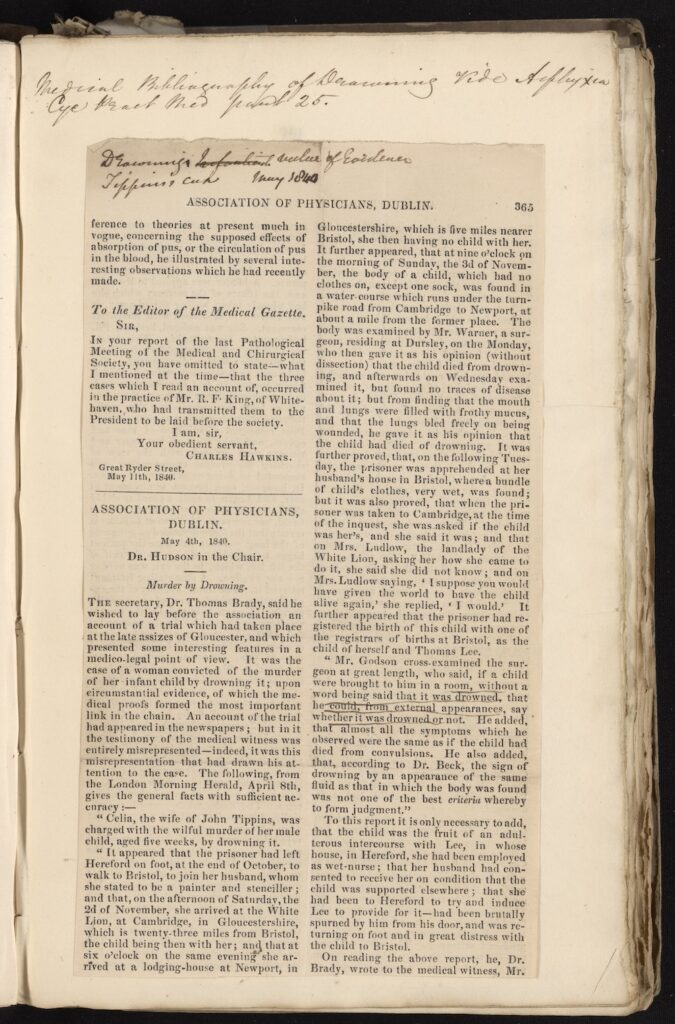
The value of these materials lies not only in what they are, but also where Taylor chose to place them. The clippings reveal the world he lived in, while their arrangement reveals how he thought about it. By collecting, comparing, and categorizing reports of accidents, illnesses, and unusual deaths, Taylor was building a framework for understanding their underlying causes. In doing so, he transformed isolated events into evidence that could help explain injury, disease, and death.
For archivists and historians, these scraps are valuable not simply because they survived, but because they survived where Taylor left them. Their relationship to the book is evidence in its own right. Remove them from their original context and part of the story disappears.
The details preserved in rare book collections may seem small: a crossed-out phrase, a newspaper clipping, or a handwritten correction. Together, however, they allow us to reconstruct the work behind the creation of scientific knowledge. Preserved here at the Othmer Library, Taylor’s books and manuscripts let us witness something that rarely survives publication: the process of deciding what new evidence meant. More than a century later, these traces allow us to watch scientific knowledge take shape—one observation, one revision, and one carefully filed scrap of paper at a time.
Featured image: Alfred Swaine Taylor’s copy of On Poisons in Relation to Medical Jurisprudence and Medicine (1875), with his handwritten notes, newspaper clippings, and pieces of copper wire found inside.
Bringing the past to life with an obsolete video format.
Highlighting the research projects of our current resident scholars.
How do science books for kids today compare with those that have come before?
Copy the above HTML to republish this content. We have formatted the material to follow our guidelines, which include our credit requirements. Please review our full list of guidelines for more information. By republishing this content, you agree to our republication requirements.