
Why the History of Medicine Matters in Birthing Justice
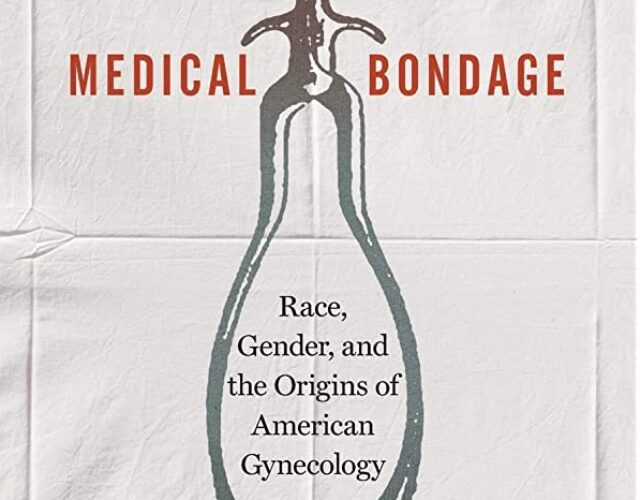
Deirdre Cooper Owens is a historian of medicine working at the intersection of science, race, and gender. She is the Charles and Linda Wilson Professor in the History of Medicine and director of the Humanities in Medicine program at the University of Nebraska–Lincoln, as well as a distinguished lecturer for the Organization of American Historians (OAH).
Cooper Owens also serves as director of the Program in African American History at the Library Company of Philadelphia, the oldest cultural institution in the United States. Her first book, Medical Bondage: Race, Gender, and the Origins of American Gynecology (University of Georgia Press, 2017) won the 2018 Darlene Clark Hine Book Award in African American women’s and gender history.
Cooper Owens’s Lunchtime Lecture is supported by the National Endowment for the Humanities as part of the Institute’s Innate: How Science Invented the Myth of Race project.
About the Series
Our virtual Lunchtime Lecture Series is for scholars and anyone curious about the history of science, technology, and medicine. Topics range from rigorous to entertaining, and help expand perceptions of the nature of science and how it’s done.
More events
Forensics Highlights Tour
Fans of murder mysteries and true crime are invited to join our museum educators to explore the science behind deductions.
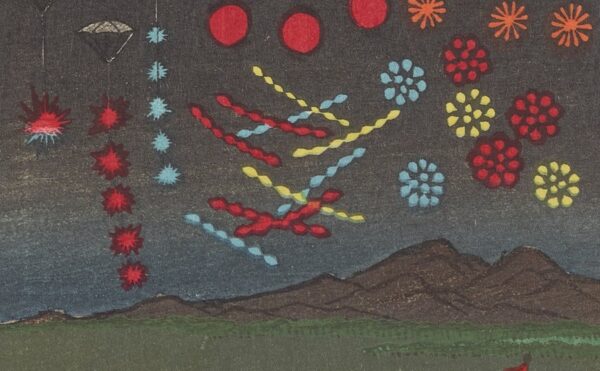
Fireworks Tour
Join our Gallery Guides for a drop-in tour of our special exhibition on the fascinating history and science of pyrotechnics.
Stories of Science: Craft-tober
Join us in our museum EVERY SATURDAY for a family-friendly program that highlights strange and surprising stories from the history of science!