
Yellow Fever at the Lazaretto
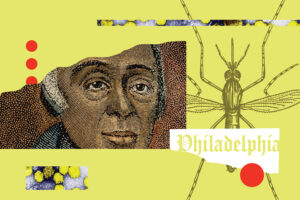
In 1793, an epidemic of yellow fever—a dangerous virus carried by mosquitoes—almost destroyed Philadelphia. Two Black preachers, Richard Allen and Absalom Jones, organized the city’s free Black community in providing essential services and nursing the sick and dying. But their courage and charity came at a cost. Over the following century, white physicians and scientists would argue that the yellow fever epidemic proved the myth of biological difference between the races. How did a city’s tragedy become fuel for racist rhetoric? And what lessons can we learn for public health today?
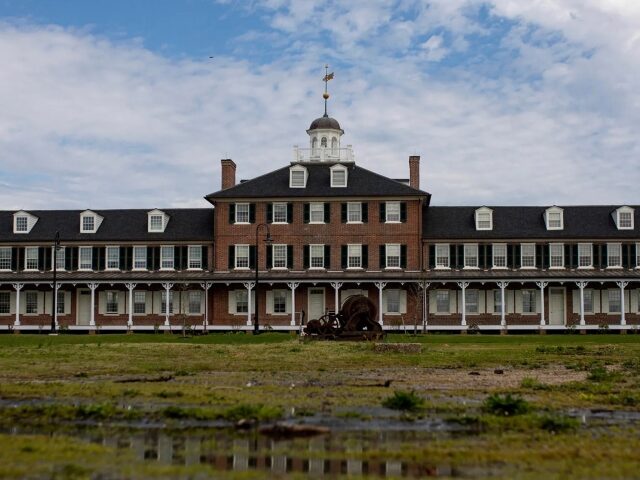
At this special program, you’ll join historians David Barnes (author of Lazaretto) and Rana Hogarth (author of Medicalizing Blackness: Making Racial Difference in the Atlantic World, 1780–1840) for an intimate lecture and conversation exploring yellow fever’s long legacy. Then go behind the scenes for an exclusive guided tour of the Lazaretto, America’s first quarantine station. Built in 1799 at the junction of the Schuylkill and Delaware Rivers, this historical site stands today as a unique artifact of Philadelphia’s contested scientific past.
“Yellow Fever at the Lazaretto” is supported by the National Endowment for the Humanities as part of the Institute’s Innate: How Science Invented the Myth of Race project.
The centerpiece of Innate is a series of 10 Distillations podcast episodes exploring the historical roots and persistent legacies of racism in American science and medicine.
More events
Stories of Science: Craft-tober
Join us in our museum EVERY SATURDAY for a family-friendly program that highlights strange and surprising stories from the history of science!
Forensics Highlights Tour
Fans of murder mysteries and true crime are invited to join our museum educators to explore the science behind deductions.
Fireworks Tour
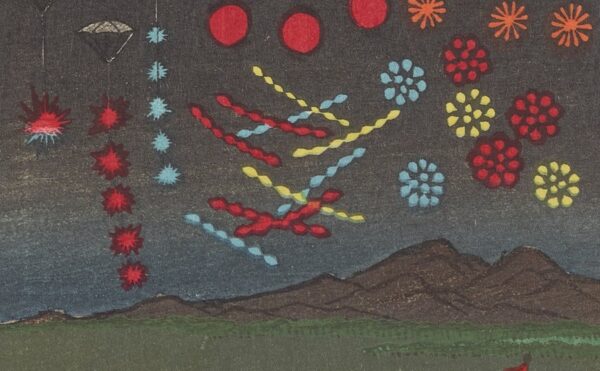
Join our Gallery Guides for a drop-in tour of our special exhibition on the fascinating history and science of pyrotechnics.