
From Cabinets to the Cloud: Unlocking the Research Potential of Natural History Collections
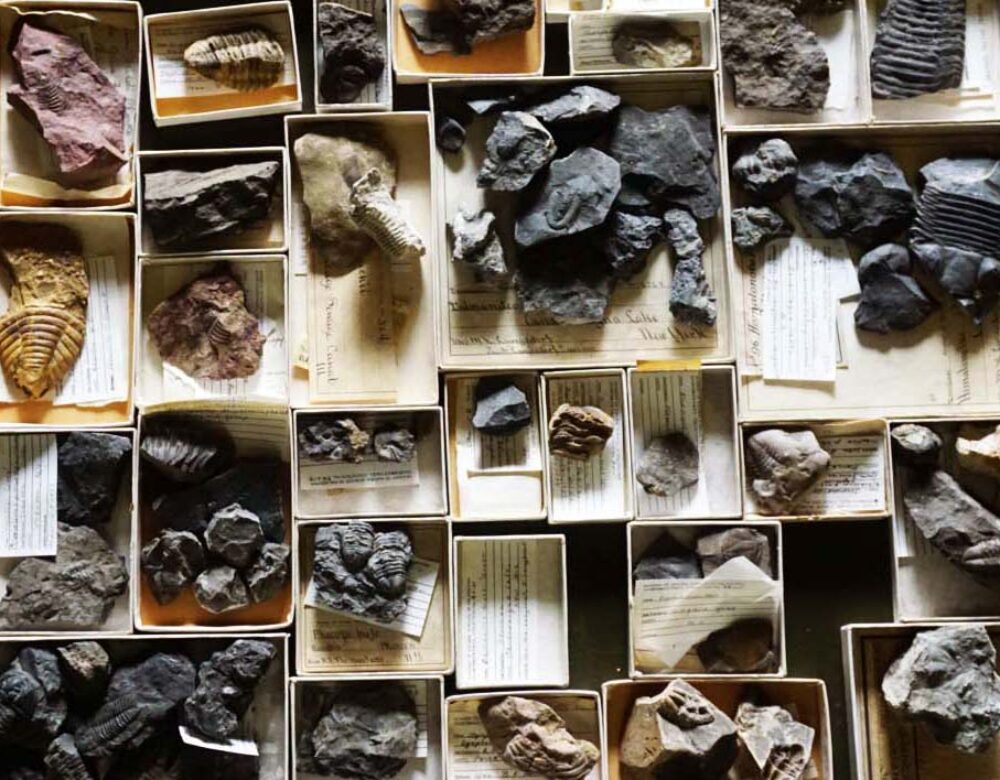
Did you know that behind the scenes of many natural history museums are millions of specimens representing life on earth, from fossils to insects to plants? And did you ever consider that those specimens can provide clues to help solve global issues? While museums are often thought of for their exhibits, their vast collections—shelves and drawers and cabinets of them—contain immeasurable information about life on Earth, prehistoric to present day.
Museums worldwide, including the Academy of Natural Sciences, are now moving specimens from cabinets to the cloud, digitizing them and sharing the data through global online platforms. Shareable digitized collections allow scientists to tackle pressing challenges at the global scale, from understanding species’ responses to climate change and habitat loss, to tracking the spread of invasive species, and even informing conservation strategies for food security and ecosystem health. By unlocking this data and making it more accessible to researchers worldwide, museums are transforming specimens into powerful tools for research, discovery, and solutions to some of the world’s most urgent problems.
Seating is available on a first-come, first-served basis. Tickets are not required for this event.
About the Speaker
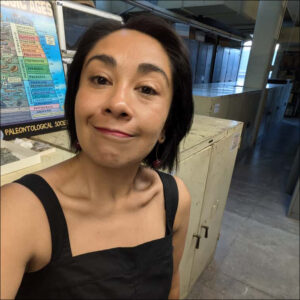
Alejandra Martínez-Melo, PhD, is a marine biologist, paleontologist, and a collection manager at the Academy of Natural Sciences of Drexel University. She specializes in invertebrate fossils and biodiversity patterns, with research focusing on sea urchins. Alejandra is passionate about making natural history collections accessible through digitization, bridging the gap between museum specimens and modern scientific research.
About the Series
Science on Tap is a monthly speaker series that features brief, informal presentations by Philadelphia-based scientists and other experts followed by lively conversation and a Q&A. The goal is to promote enthusiasm for science in a fun, spirited, and accessible way, while also meeting new people. Come join the conversation!
More events
Othmer Library Tour
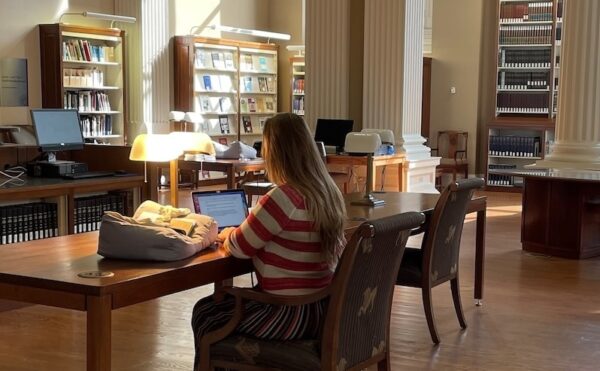
Curious about the other half of the Science History Institute? Step into the Othmer Library of Chemical History!
Philadelphia: Workshop of the World
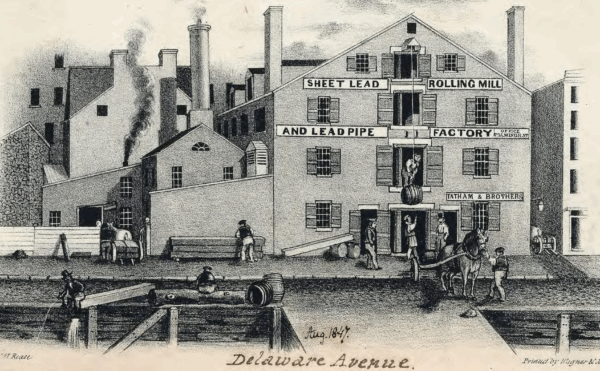
Join us for March First Friday as we unveil Philadelphia: Workshop of the World, the latest exhibition from our A Closer Read series.
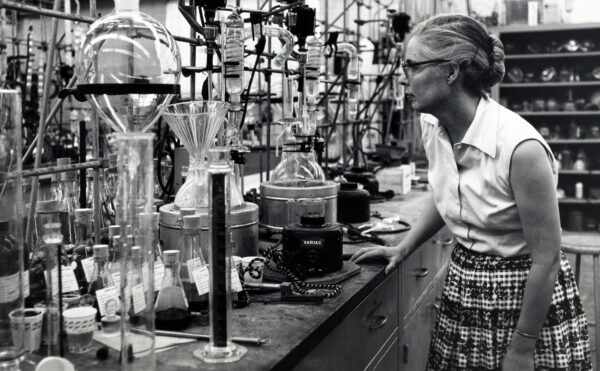
Women in Chemistry Tour
Drop in for a tour highlighting the central role of women in shaping chemistry and the material sciences throughout history.