
From Nature to Nylons: A Touch-Based History of Textiles
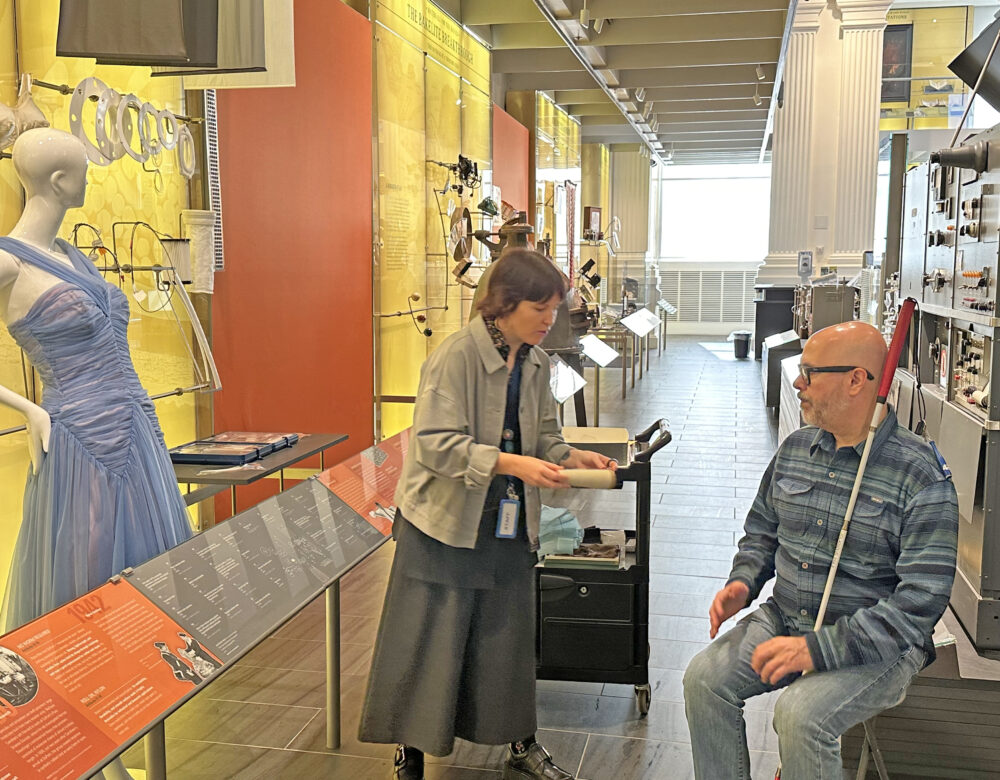
This touch-based tour offers guests a private learning experience that combines a personally guided exploration of select gallery exhibits and a hands-on study of objects from our collections.
The tour begins with an introduction to natural fibers, such as wool and linen, and moves on to the development of plastics and synthetic materials like nylon and Gore-Tex. Guests will leave with a better understanding of how these fibers changed our world and how the changing world influenced our desire for high-tech textiles.
Our Touch Tours are specifically designed to engage with guests who are blind and visually impaired. We also strive to be inclusive for all visitors with various abilities. Please communicate your accessibility needs at signup or reach out to us.
If you have any questions or would like to pay cash for the tour, email tours@sciencehistory.org or call 215.925.2222.
More events
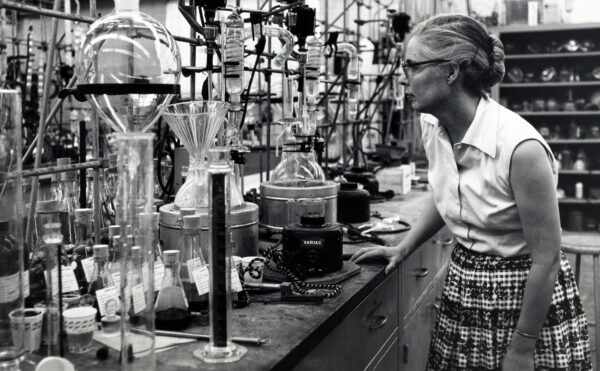
Women in Chemistry Tour
Drop in for a tour highlighting the central role of women in shaping chemistry and the material sciences throughout history.

Stories of Science: Celebrating Women’s History
Join us in our museum EVERY SATURDAY for a family-friendly program that highlights strange and surprising stories from the history of science!
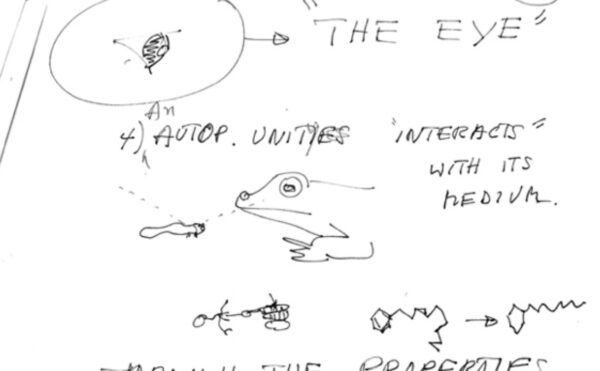
What Frogs and Octopuses Know (That ChatGPT Doesn’t)
Won Jeon shows how AI produces convincing language while lacking the situational awareness that powers the communication of living organisms.