
From Nature to Nylons: A Touch-Based History of Textiles
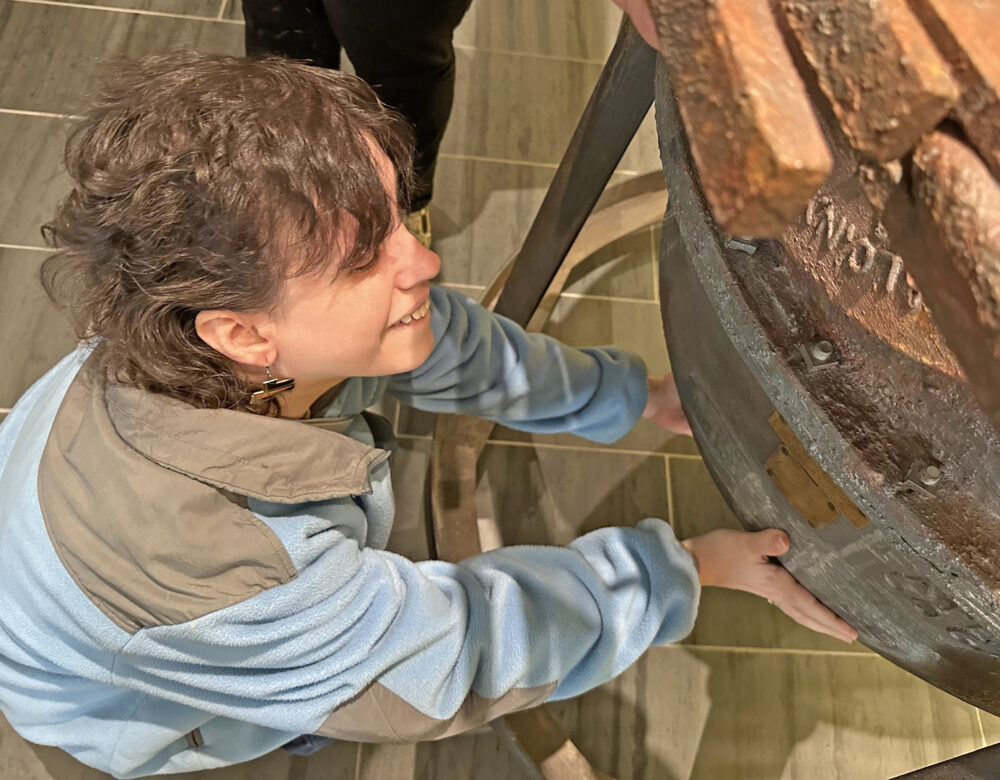
Touch Tours is a recurring program taking place on the second Tuesday of every month. This touch-based tour offers guests a private learning experience that combines a personally guided exploration of select gallery exhibits and a hands-on study of objects from our collections.
From Nature to Nylons begins with an introduction to natural fibers, such as wool and linen, and moves on to the development of plastics and synthetic materials like nylon and Gore-Tex. Guests will leave with a better understanding of how these fibers changed our world, and how the changing world influenced our desire for advanced high-tech textiles.
This tour is specifically designed to engage guests who are blind and visually impaired. We also strive to be inclusive for all visitors with various abilities. Please reach out to communicate your accessibility needs.
Reservations for the touch tour are required, and participation is restricted to 10 guests. Because reservations are limited, guests are encouraged to register early. To register, use the form provided here on the event page.
What to expect:
- The touch tour will last 1.5 hours but could extend longer depending on audience engagement.
- Guests will make three gallery stops on the first floor of the museum. Seating will be available at each stop. A sighted guide will be provided when walking between stops. The distance between stops is roughly 10–15 feet.
- The touch tour is a private museum experience as the museum is closed to the public on Tuesdays. Touch tour guests and Institute staff will be the only people in the museum space.
If you have any questions or would like to pay cash for the tour, email touchtours@sciencehistory.org or call 215.925.2222.
More events
First Friday: Our Plastic Planet
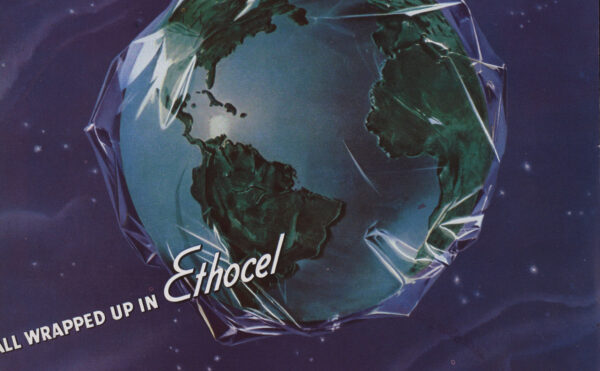
Have you ever wondered how plastic became a problem? Are there viable solutions to reducing plastic waste? Stop by our April First Friday event to learn the answers to these vital questions.

Othmer Library Tour
Curious about the other half of the Science History Institute? Step into the Othmer Library of Chemical History!
Science & Activism Tour
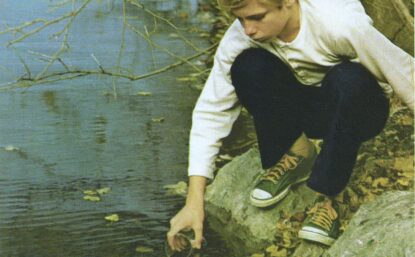
From Rachel Carson to ACT UP, explore how scientists and activists have shaped discovery and created change.