
Science on Tap, Untapped: Scientific Revolutions
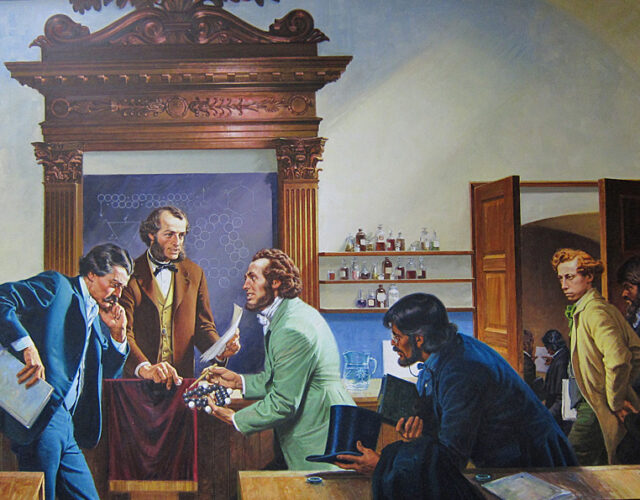
2026 is here and everywhere you look are celebrations of the Revolution! Science on Tap is no exception, but with a twist.
Join us for a special Science on Tap as we explore revolutions in science. Take a break from the Declaration and the 18th century and learn more about revolutionary moments in scientific advancements, from the study of diatoms to our understanding of dinosaurs.
This is a ticketed event and space is limited. The ticket price–$20 plus platform fee–includes food and drinks. Come celebrate with us in the Revolutionary City!
Please note that photographs or video may be taken by APS staff throughout the event for educational and/or promotional materials.
If you have any questions or concerns regarding accessing this event, please contact the APS’s education office at MuseumEducation@AmPhilSoc.org. The facility appreciates two weeks advance notice for any accommodation requests.
About the Speakers
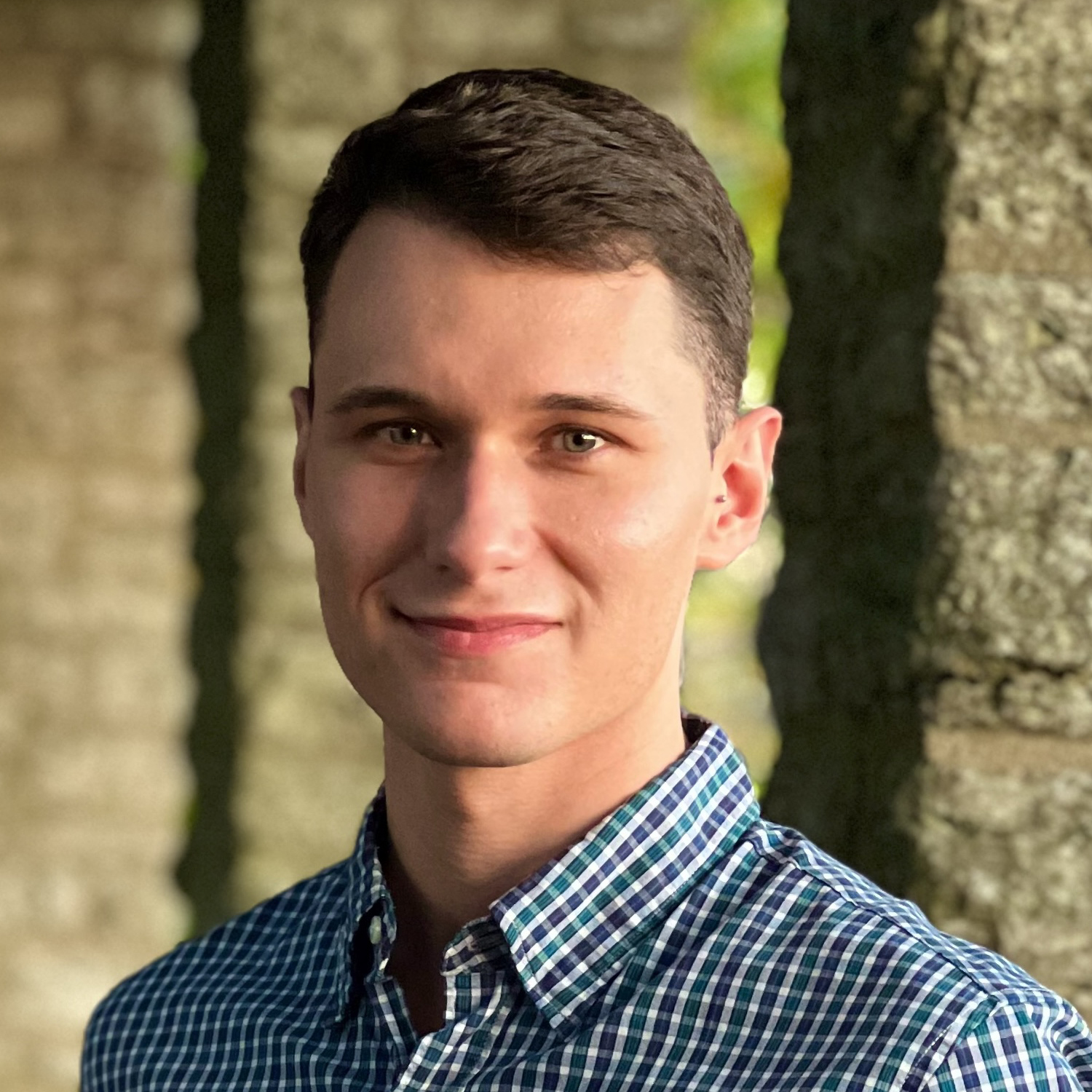
Taylor Bailey is an environmental historian and historian of science of the United States, with a focus on the history of human-animal relationships. He will graduate in September with a PhD from Massachusetts Institute of Technology after defending his dissertation on the origins of wildlife restoration practices in the 19th century U.S. He currently serves as the Cain Curatorial Fellow at the Science History Institute.
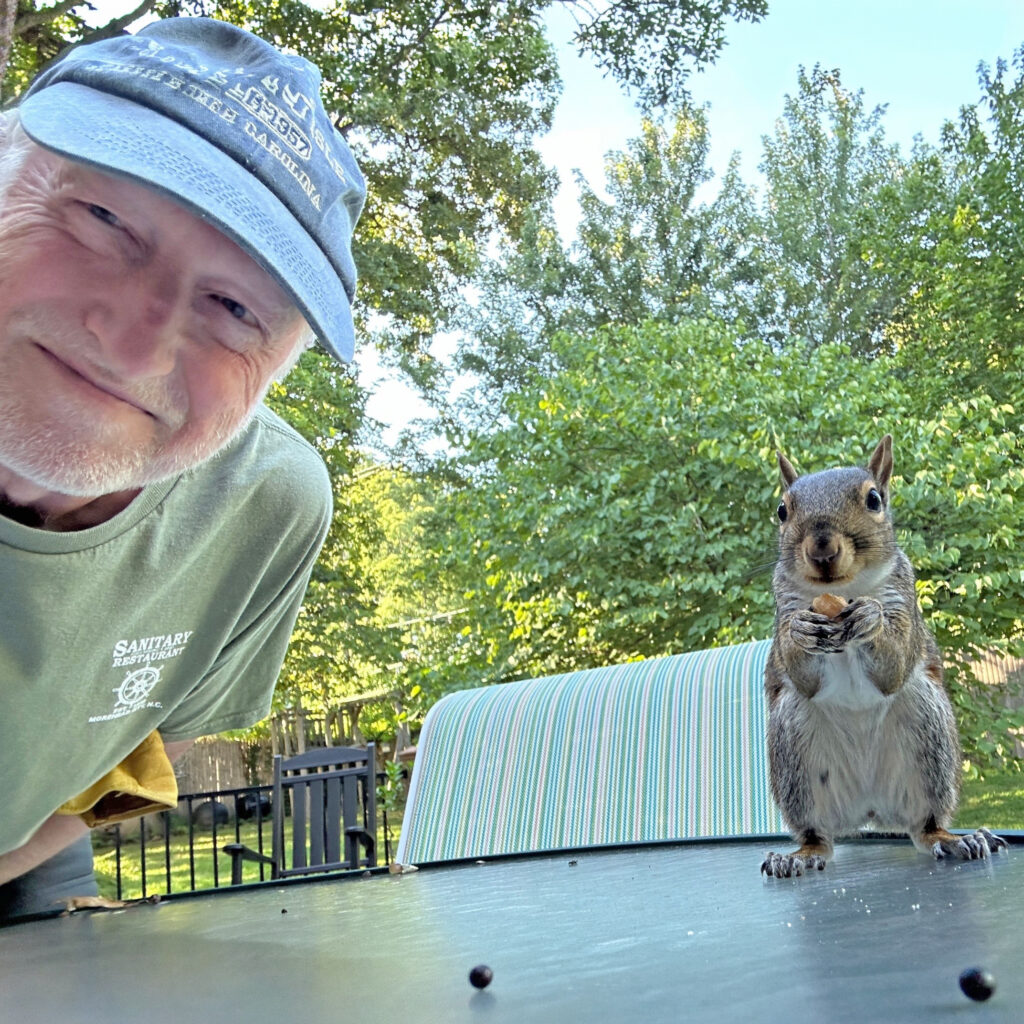
Scott McRobert is a professor of biology at Saint Joseph’s University. His research focuses on animal behavior, ecology and conservation. His laboratory, known as the Biodiversity Lab, houses hundreds of rare and exotic species, many of which are listed as threatened, endangered and critically endangered. McRobert’s wide range of research projects includes studies on the conservation of diamondback terrapins, the effects of climate change on tropical poison frogs, social behavior in fish, and sleep deprivation on sexual behavior of fruit flies. He has published over 80 journal articles and his work has been profiled in Science, Nature, the Philadelphia Inquirer, and 60 Minutes. Prior to Saint Joseph’s University, McRobert served as a herpetologist at the Academy of Natural Sciences, and as a naturalist for the Pennsylvania Department of Environmental Resources. He has lectured and taught courses for the Wagner and is part of the GeoKidsLINKS, the Wagner’s collaboration with Saint Joseph’s University that brings hands-on science to multiple North Philadelphia schools.
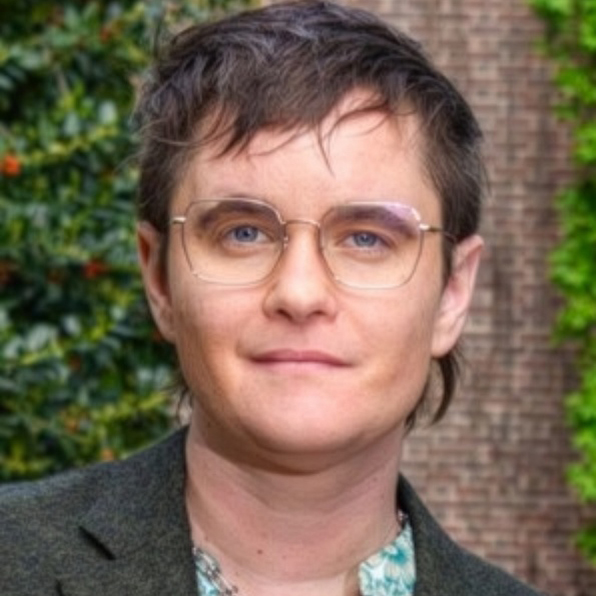
Sara Ray, is the senior director of interpretation at the Mütter Museum and Historical Medical Library. She holds a master’s degree in museum studies from Columbia University and a PhD in the history of science from the University of Pennsylvania. Her doctoral research used museum preparations of fetuses with congenital abnormalities to explore the intertwined histories of embryology, midwifery, anatomical collecting, and natural philosophy. At the Mütter, Sara oversees public programs, education, and gallery interpretation. In addition to her nerd work, Sara is a published fiction writer, Pennsylvania Master Naturalist, and an award-winning performance storyteller.
Roland Wall, is the executive director for the Patrick Center for Environmental Research at the Academy of Natural Sciences of Drexel University. He manages the Academy’s environmental research projects, leading an interdisciplinary science team that works on a variety of basic and applied research projects, often focused on aquatic ecosystems. He started at the Academy in 1999 on Ruth Patrick’s staff, writing and producing the Know Your Environment publication. He holds a bachelor’s degree in political science and a master’s degree in entomology and applied ecology, both from the University of Delaware. He has taught as an adjunct faculty member of Drexel’s Department of Biodiversity, Earth, and Environmental Sciences, and served as the Academy’s associate research dean. He served for six years on the Board of the Delaware Nature Society and is currently on the Steering Committee of the Coalition for the Delaware River Watershed.
About Science on Tap, Untapped
Science on Tap, Untapped events combine everything you love about the popular Philly science café with new locations, activities, and dates. As always, the goal is to promote enthusiasm for science in a fun, spirited, and accessible way while also meeting new people.
Featured image: August Kekulé, Catalyst of the Chemical Revolution. Jerry Allison, oil on canvas, ca. 1981.
More events
Unwell Waters Highlights Tour
Join our museum educators as we visit the history of medicine exhibit to learn about waterborne epidemics from Pennsylvania’s past.
Stories of Science: Craft-tober
Join us in our museum EVERY SATURDAY for a family-friendly program that highlights strange and surprising stories from the history of science!
Art of Alchemy Self-Guided Visit
Step into the age of alchemy and explore works in our new permanent exhibition, Fire and Gold: The Art of Alchemy (1450–1850).