
First-Class Flora:
A Stamp Collection of Medicinal Plants
This outdoor exhibition presents a unique historical intersection between professional science and a personal hobby.
On view through April 2027
Building Façade
Coins. Comic books. Baseball cards. Why do we collect what we collect?
Stamp collecting has been a pastime for nearly 200 years, beginning soon after the United Kingdom issued the first adhesive postage stamp, the Penny Black, in 1840. As more countries adopted the stamp as a means of paying for mail, some individuals became entranced with the variety of new designs and began collecting them. Many of these early stamps depicted heads of state and prominent historical figures, but postal agencies gradually expanded their offerings to include a wider range of subjects, such as notable events, anniversaries, places, and works of art.
In the 20th century, stamps with botanical themes emerged as a distinct category and became popular around the world. They often featured plants important to a country’s agriculture, trade, or national identity.
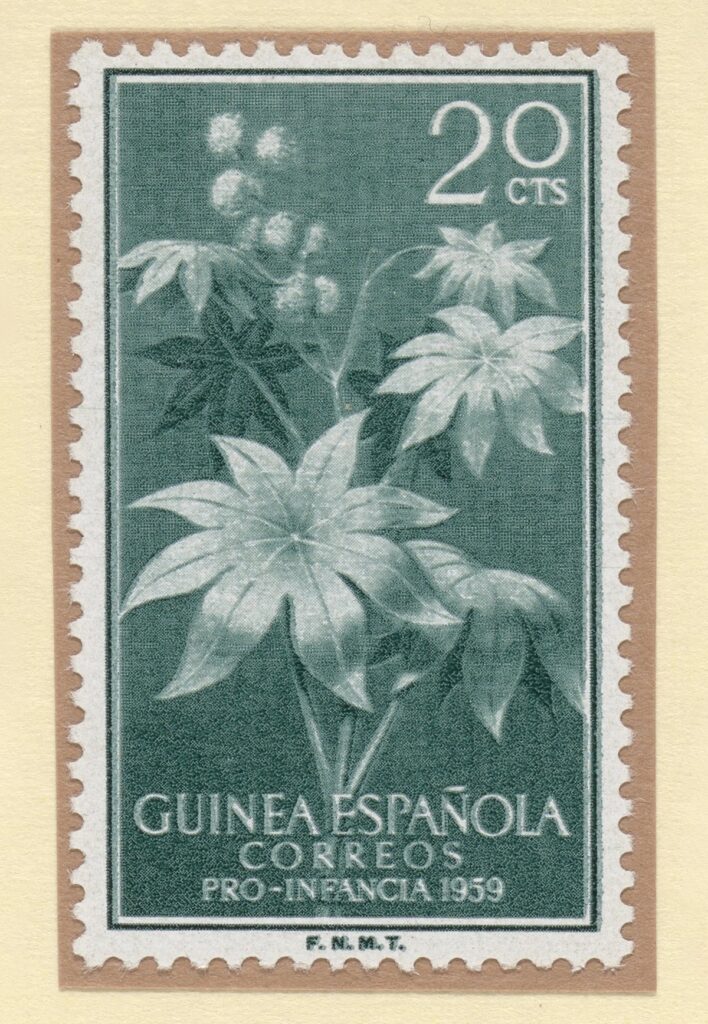
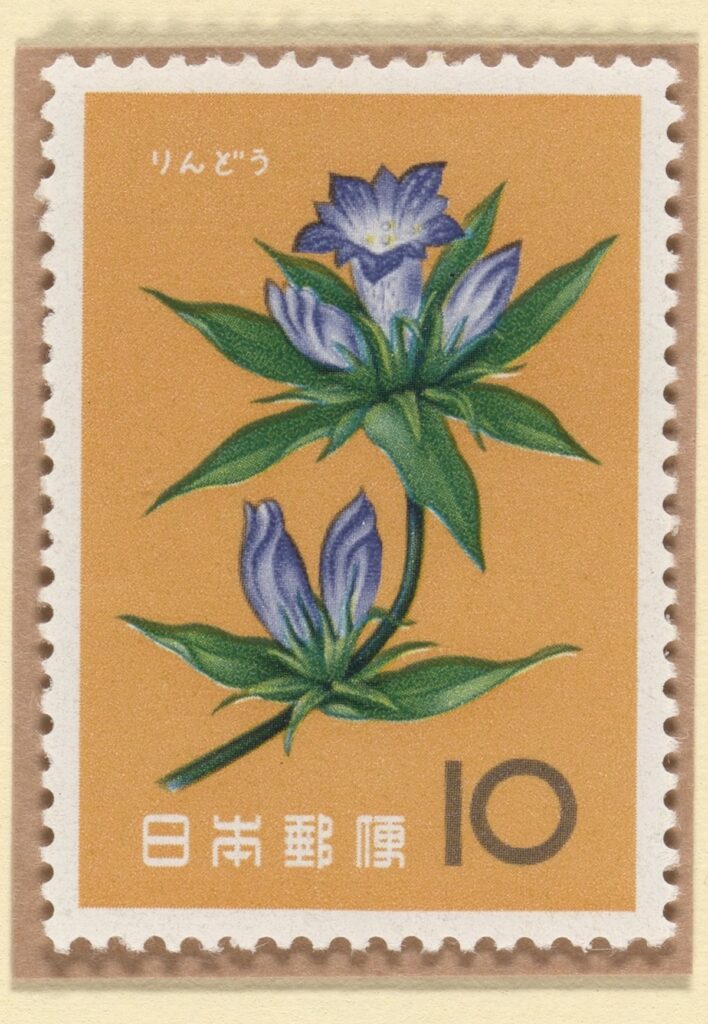
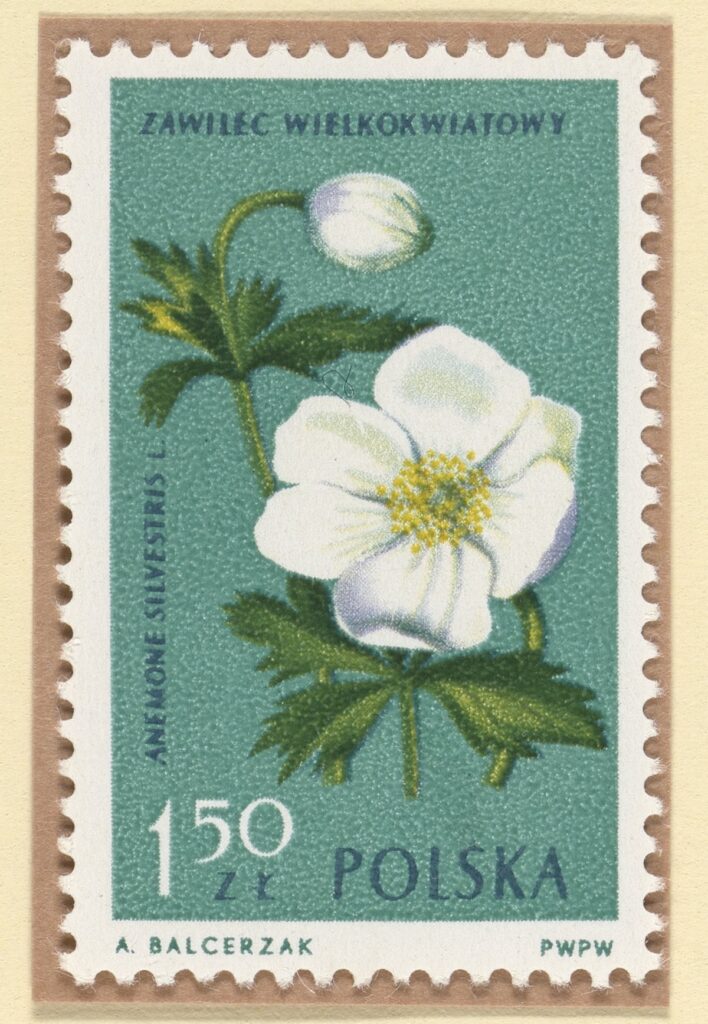
The botanical stamps featured in First-Class Flora are part of a larger collection known as The World of Chemistry in Stamps. They were compiled over a 40-year period by Richard Marston Lawrence (1906–1991), a market researcher for the chemical industry. Lawrence collected hundreds of stamps from more than 90 countries related to the history of chemistry. Most of the collection consists of stamps commemorating famous scientists and chemical discoveries, but a portion is devoted to stamps of plants with medicinal uses. For Lawrence, plants—and the medically significant substances that could be extracted from them—were an important dimension of the chemical profession.
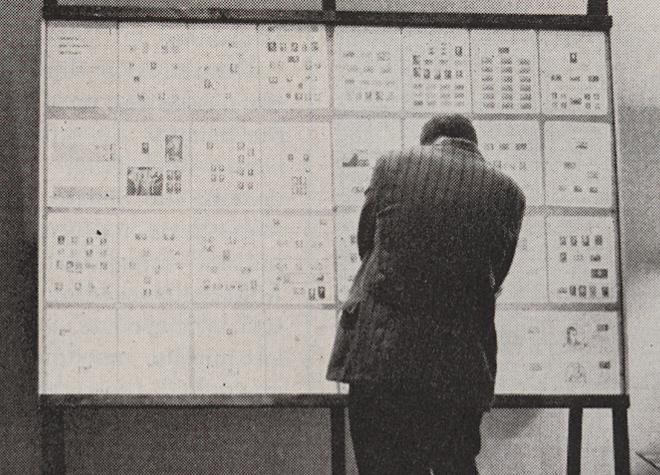
Lawrence organized his botanical stamps on panels according to their pharmaceutical utility, following the drug classification system of the American Hospital Formulary Service. First published in 1959, the Service was a compendium of drug information created by the American Society of Hospital Pharmacists for use by medical staff. In Lawrence’s collection, 26 pharmaceutical classes are represented, encompassing 220 individual plant stamps.
On each panel, Lawrence provided a typewritten definition of the classes of drugs that organized his stamps. He placed a 1949 Belgian periwinkle stamp, for example, under “antineoplastic agents” based on the cancer-suppressing alkaloids found in species of the genus Vinca. Stamps of opium poppies from Hungary (1961), Bulgaria (1954), and East Germany (1960) are included in the “analgesics and antipyretics” (pain relieving and fever reducing) group. A stamp issued by the Republic of the Congo in the early 1960s depicting the leaves and bark of the cinchona plant—a source of the antimalarial medication quinine—is classified as a “plasmodicide.”
Lawrence’s decades-long career in the chemical industry shaped his collecting interest. After graduating from the University of Illinois with a master’s degree in chemical engineering in 1931, he worked as a chemical expert for the U.S. Tariff Commission for six years before taking a job in market research at the Atlas Powder Company in Wilmington, Delaware. He subsequently held positions at Monsanto, the Armour Research Foundation, Wyandotte Chemicals, A. E. Staley Manufacturing, and International Minerals.
Public display was a crucial component of Lawrence’s hobby. He exhibited his collection at the national meetings of the American Chemical Society (ACS) from 1961 to 1983. This period coincided with a rapid post-World War II rise in ACS membership. Over more than two decades, tens of thousands of meeting attendees would have encountered Lawrence’s stamps in cities across the United States. At the 141st National Meeting in April 1962, he told Chemical and Engineering News, the ACS’s weekly magazine, that it was “probably the greatest collection of its kind ever put on display.”
Lawerence sold his collection to the Witco Corporation, a New York chemical manufacturer, in 1983. Witco’s successor, the Crompton Corporation, donated the stamps to the Science History Institute (then the Chemical Heritage Foundation) in 2003.
First-Class Flora: A Stamp Collection of Medicinal Plants was curated by Taylor Bailey, with installation and digitization by Jahna Auerbach and Scott Bowe.
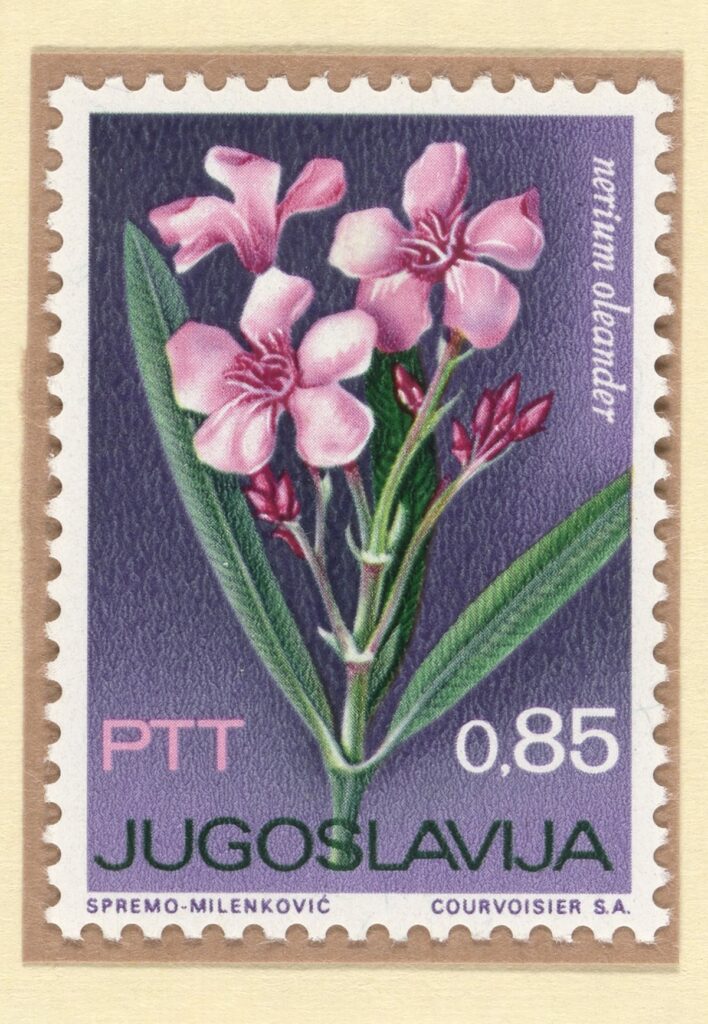
Featured stamp at top: Detail of Oleander (Nerium oleander), Yugoslavia, 1967. Oleander is a poisonous plant that contains cardiac glycosides.
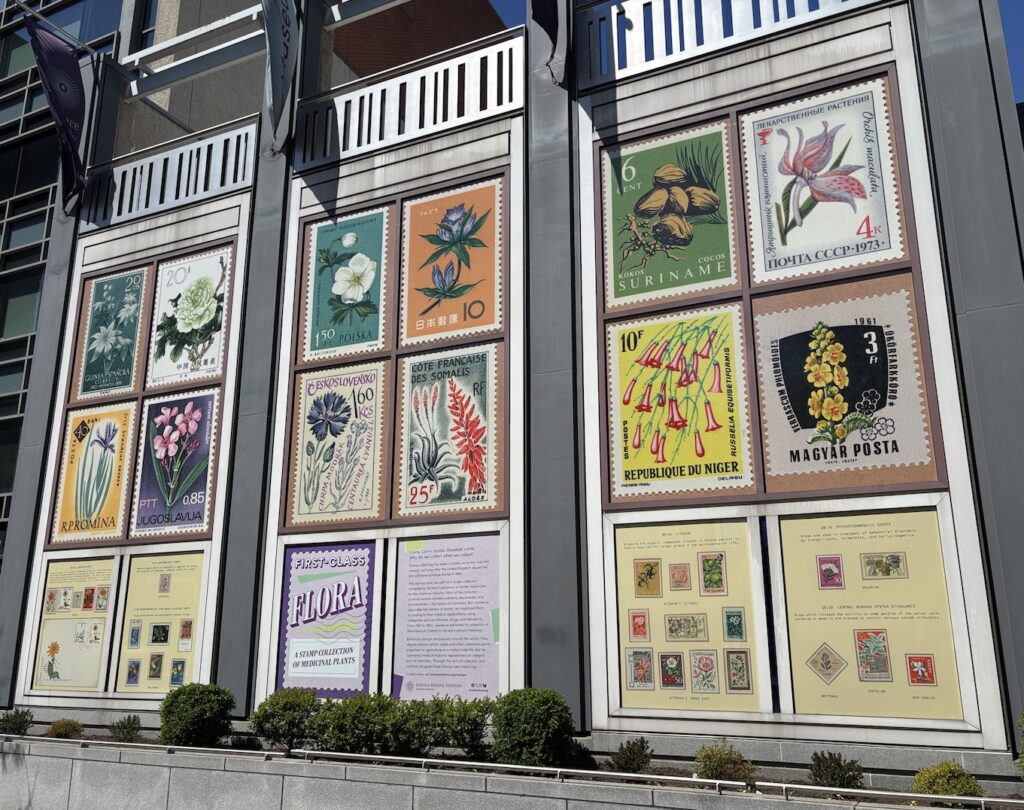
Top Row:
1: Castor oil plant (Ricinus communis) stamp, Spanish Guinea (1959)
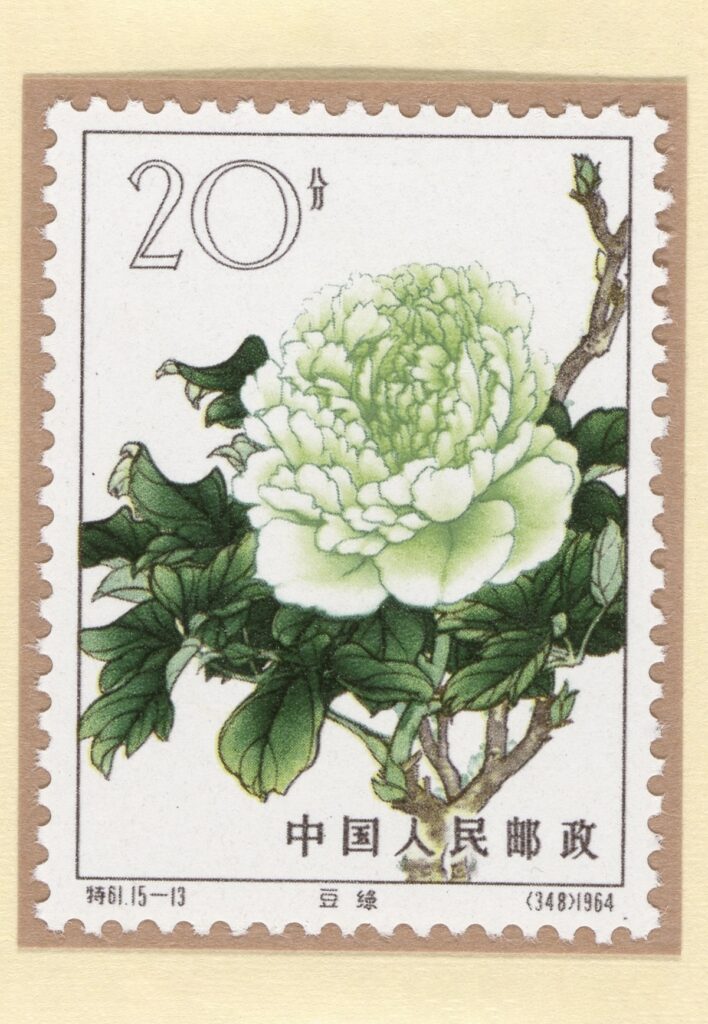
2: Pea Green tree peony (Paeonia suffruticosa) stamp, China (1964)
3: Snowdrop anemone (Anemonoides sylvestris) stamp, Poland (1962)
4: Japanese gentian (Gentiana scabra) stamp, Japan (1961)
5: Coconut palm (Cocos nucifera) stamp, Suriname (1953)
6: Heath spotted orchid (Orchis maculata) stamp, Soviet Union (1973)
Middle Row:
7: Prodan Iris (Iris brandzae) stamp, Romania (1961)
8: Oleander (Nerium oleander) stamp, Yugoslavia (1967)
9: Blue cornflower (Centaurea cyanus) stamp, Czechoslovakia (1965)
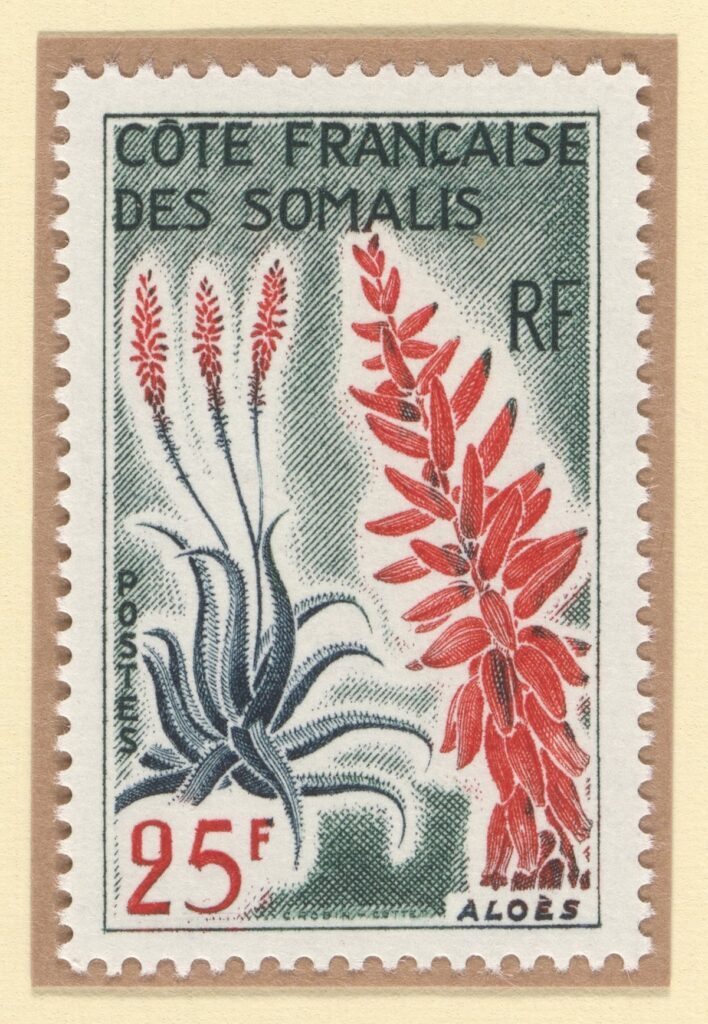
10: Aloe (Aloe vera) stamp, French Somaliland (1966)
11: Fountainbush (Russelia equisetiformis) stamp, Niger (1964)
12: Orange mullein (Verbascum phlomoides) stamp, Hungary (1961)
Bottom Row:
13: Stamp panel of “counterirritants”
14: Stamp panel of “antineoplastic agents” and “parasympatholytic agents”
15–16: Exhibition title and description panels
17: Stamp panel of “vitamins”
18: Stamp panel of “psychotherapeutic agents” and “central nervous system stimulants”
You might also like
DISTILLATIONS MAGAZINE
The Thinking Plant’s Man
Jagadish Chandra Bose and the contentious search for plant intelligence.
DIGITAL EXHIBITIONS
Sherlock Holmes and the Case of the Poisonous Plants
Arthur Conan Doyle’s stories from 1887 to 1927 open a window to the history of medicine and empire.
SCIENTIFIC BIOGRAPHIES
Edith Coleman
The Australian nature writer solved the orchid pollination mystery that puzzled Darwin.