
Seeing Carbon
This ExhibitLab display examines how oil consumption and climate science have evolved together since the 1940s.
On view May 13, 2026–June 27, 2026
Horiba Exhibit Hall
This ExhibitLab examines how oil consumption and climate science have evolved together since the 1940s. Scientific instruments first developed for oil refining later measured the increases in carbon dioxide driving climate change. While scientists working for oil companies like Exxon helped prove the dangers of climate change, the oil industry later encouraged public doubt in science to prevent regulation. Objects like a sampling flask used to create the Keeling Curve reveal surprising connections between the oil industry and the science of global warming.
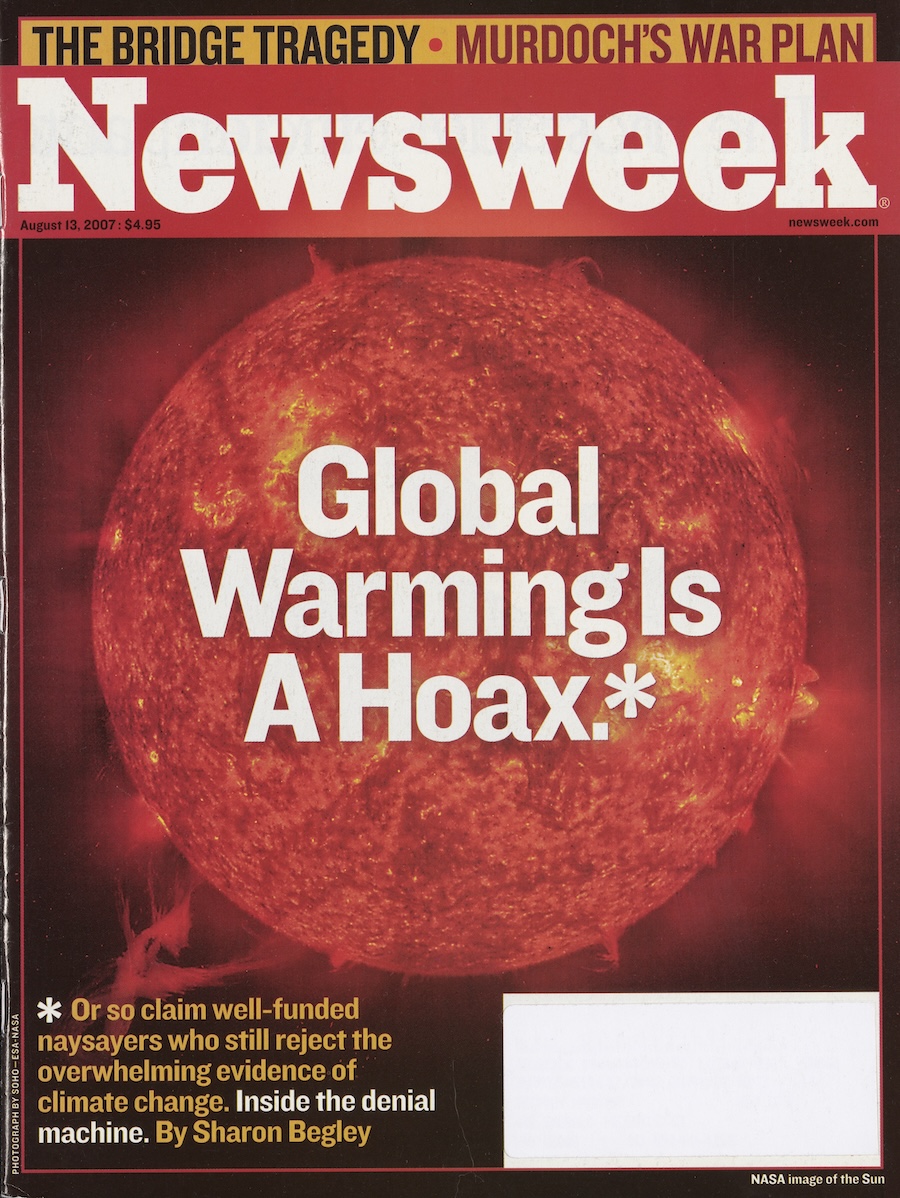
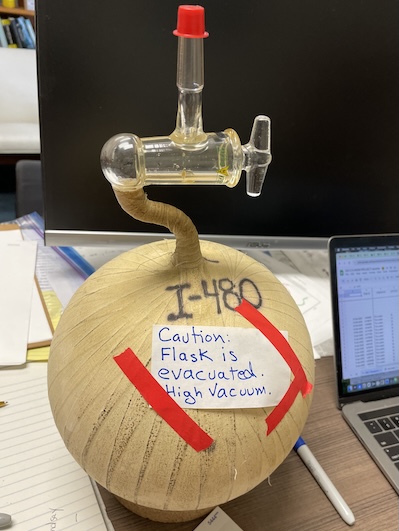
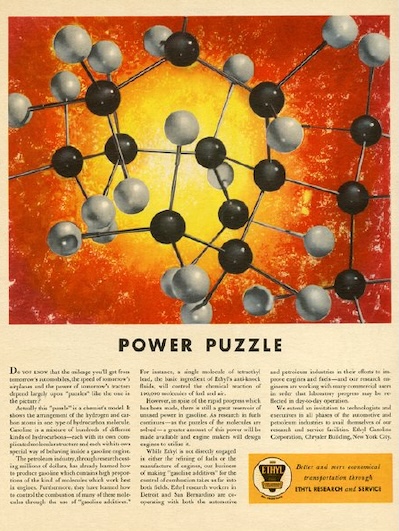
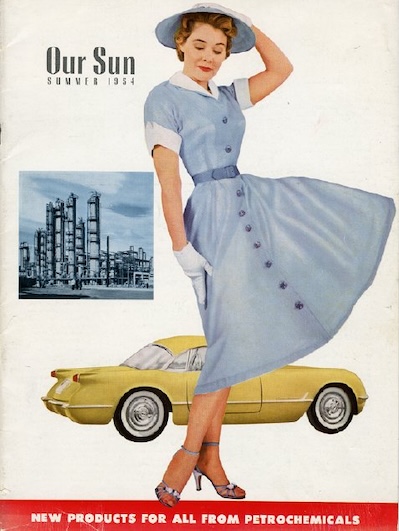
Seeing Carbon was curated by the Institute’s Roger Turner and artist, curator, and public historian Aislinn Pentecost-Farren.
About ExhibitLab
ExhibitLab is the Science History Institute’s space in the Horiba Exhibit Hall for small, focused displays that showcase specific collections, prototype new ideas, or respond to current events. Our staff members, fellows, and school and community partners curate these displays.
For more information about ExhibitLab, please contact Scott Bowe at sbowe@sciencehistory.org.
Featured image: Ralph Keeling takes an air sample at Maunakea, December 21, 2022. Courtesy of Dr. Tim Lueker.
You might also like

DISTILLATIONS MAGAZINE
Imagining a Postcarbon Future
How do we think about a world that doesn’t yet exist?

SCIENTIFIC BIOGRAPHIES
Margery Milne
A biologist and ecologist who dedicated her life to popular science writing and environmental preservation.
DISTILLATIONS MAGAZINE
How Two Outsider Scientists Saw Inside Climate Change
Eunice Foote and Guy Callendar showed the warming effects of CO2 in the atmosphere.
Horiba Exhibit Hall is named for Japanese businessman and 2006 Pittcon Heritage Award winner Masao Horiba (1924–2015), founder of Horiba Radio Laboratory, now Horiba Ltd., a manufacturer of advanced analytical and measurement technology.