
Writing Lives in the History of Science
This rare book exhibition shed light on the personalities and projects of scientific biographers.
On view January 2025–August 2025
Museum Mezzanine
Whose stories do we tell? Why?
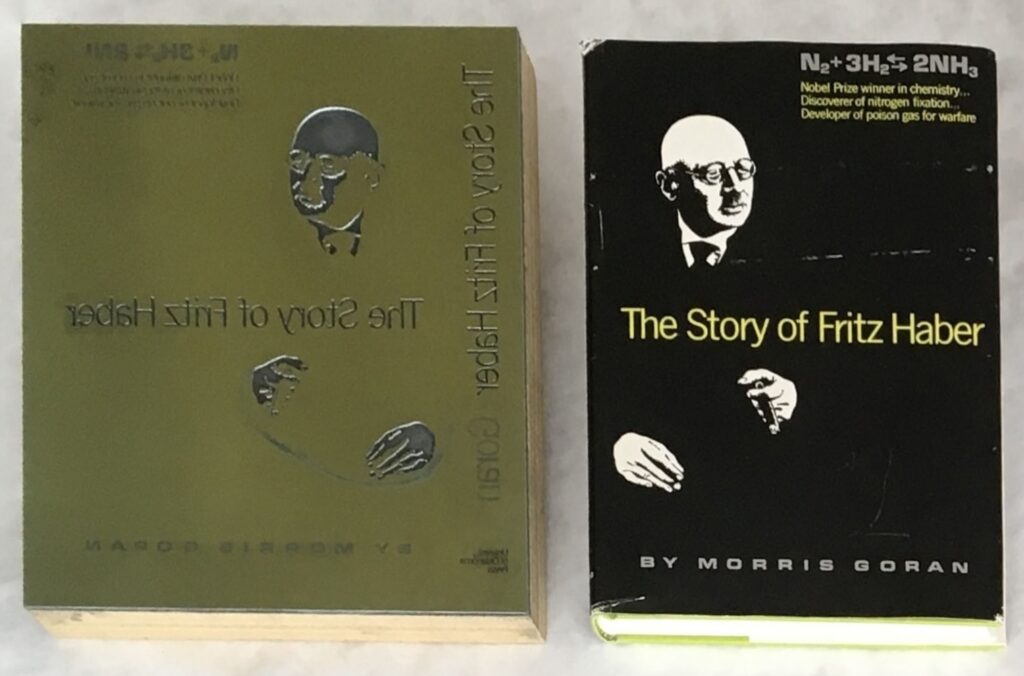
This exhibition from our A Closer Read series explored the motives, experiences, and tools biographers have brought to bear on scientific figures from the 18th century to the present. It showed that history, just like science, is always changing. Visitors saw rare books from the Othmer Library collection and unique archival materials that shed light on the personalities and projects of scientific biographers.
Works on display included a “scholar’s copy” of Joseph Priestley’s landmark Chart of Biography, a remarkable “extra-illustrated” copy of Memoirs of the Life of Sir Humphry Davy written by his brother, John, and selections from the private correspondence amassed by Morris Goran in his pursuit of The Story of Fritz Haber.
Writing Lives in the History of Science was curated by Judy Kaplan, public historian of science at the Science History Institute, and Megan Krempa, a master of information student at Dalhousie University.
Support
Support for Writing Lives in the History of Science was made possible by the Wyncote Foundation and by a grant from the Pennsylvania Historical and Museum Commission, a state agency funded by the Commonwealth of Pennsylvania.
About A Closer Read: Stories from Our Library Shelves
A Closer Read is a series of exhibitions featuring materials from the Donald F. and Mildred Topp Othmer Library of Chemical History. On display on the mezzanine level of the Science History Institute Museum, these exhibitions use rare books, archival materials, and modern books and journals to share new stories from the history of science.
You might also like
SCIENTIFIC BIOGRAPHIES
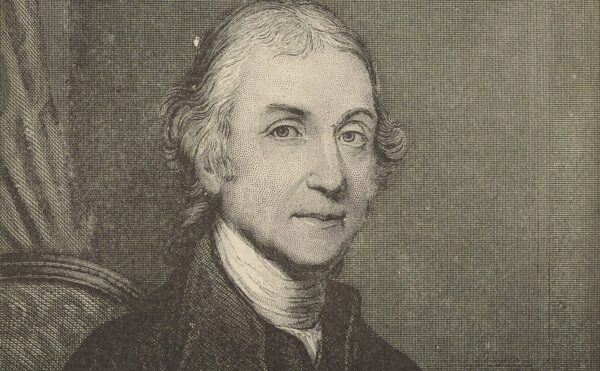
Joseph Priestley
One of the 18th century’s most preeminent experimental scientists, Priestley is best remembered for discovering oxygen.
SCIENTIFIC BIOGRAPHIES
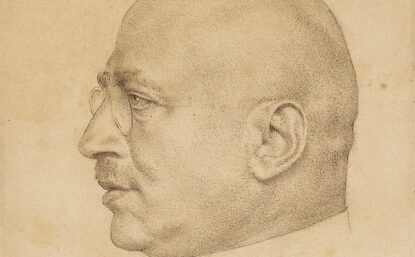
Fritz Haber
The Nobel Prize-winning chemist was controversial for his role in developing Germany’s poison-gas program during World War I.
SCIENTIFIC BIOGRAPHIES
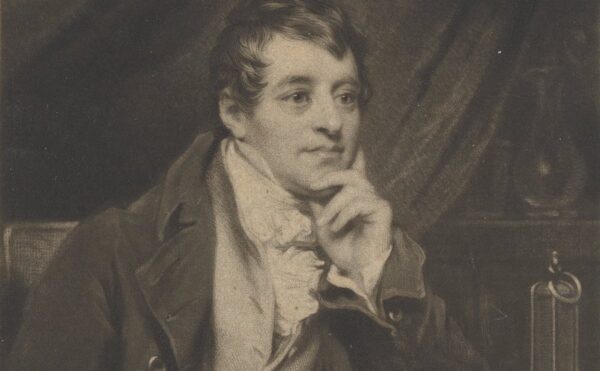
Humphry Davy
This self-taught electrochemistry pioneer became a leader in Lavoisier’s reformed chemistry movement of the late 18th century.