Meet the Fellows
Highlighting the research projects of our current resident scholars.
Highlighting the research projects of our current resident scholars.
Each year, the Beckman Center for the History of Chemistry at the Science History Institute welcomes a new class of research fellows. The Beckman Center offers both fellowships and travel grants, which provide funding to support academic research using our library, archives, and museum collections. We asked some of our newest fellows to tell us more about their projects and the collections they’ll be researching during their fellowships.
I am looking forward to spending this upcoming year completing and defending my dissertation, “Innumerable Melancholies: Medicine, Mental Health, and Human Nature in Renaissance Italy, 1450–1650.” This project uses court records, printed medical treatises, medicinal recipes, and manuscripts to study the history of mental illness and healthcare in the Renaissance, and I trace how the echoes of this premodern discourse around mental health can still be heard in the present.
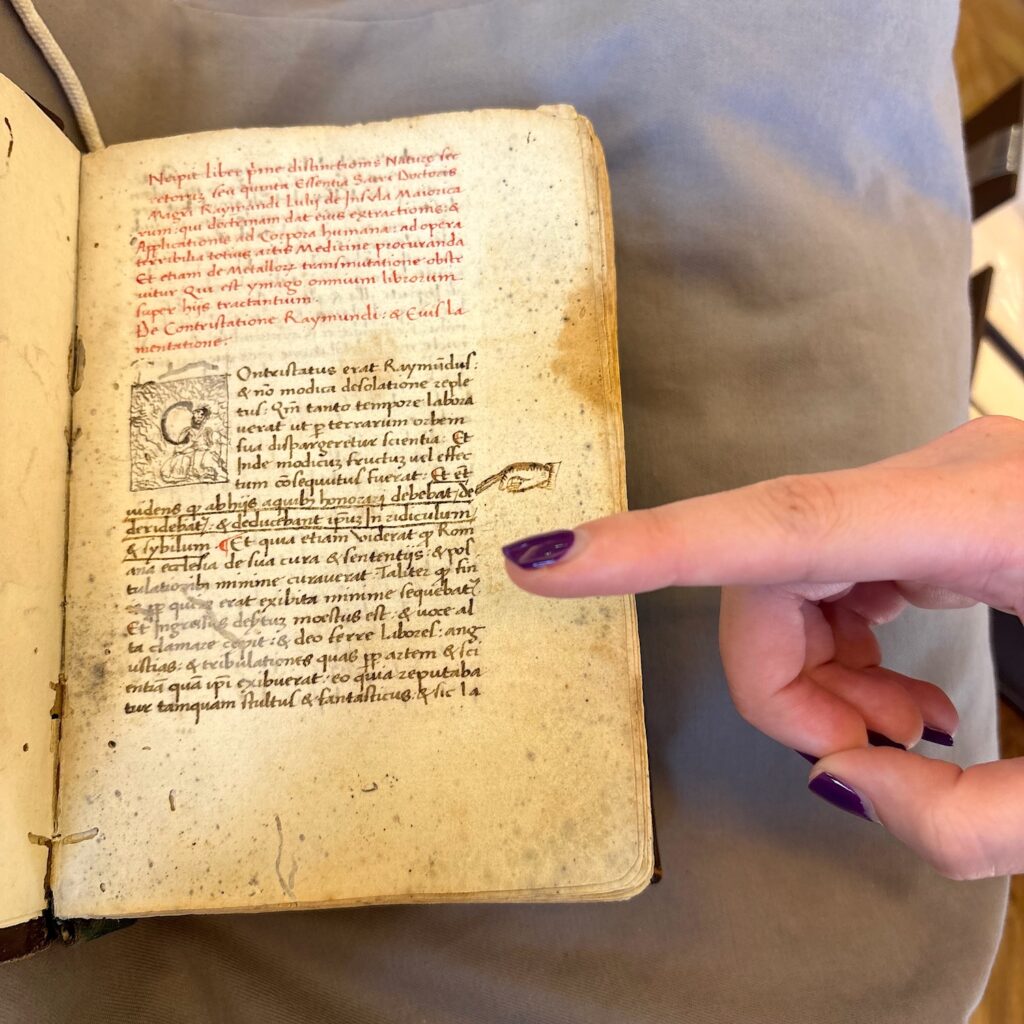
At the Science History Institute, I’ll be working with the some of the oldest manuscripts held by the Othmer Library, and I am especially excited to work with texts that were either produced or copied in Italy. I am particularly eager to work with manuscripts on both alchemy and medicine, such as Liber secreti naturali [Recipes and extracts on alchemy, medicine, metal-working, cosmetics, veterinary science, agriculture, wine-making, and other subjects] (ca. 1425–1450); [Alchemical miscellany] (ca. 1450–1470); Liber de secretis naturae seu de quinta essentia [The Book of the Secrets of Nature or of the Quintessence] (1498); and [Miscellany of medical, magical, and alchemical recipes] (ca. 1520–1540). These materials are of particular interest to my research because they demonstrate the overlap between scientific inquiry and medicine in the Renaissance, and they also illustrate how different people approached, thought about, and attempted to cure mental illnesses.
I’m here to understand how scientists worked to improve how materials flowed through continuous process manufacturing in the 20th century. How did they ensure that liquids poured smoothly, sticky adhesives rolled off the production belt, or microbes did not gunk up the machines? I’m interested in how scientists developed the stuff—such as enzymes, surfactants, and acrylic resins—for the making of other stuff at the scales and velocities of industrial manufacturing.
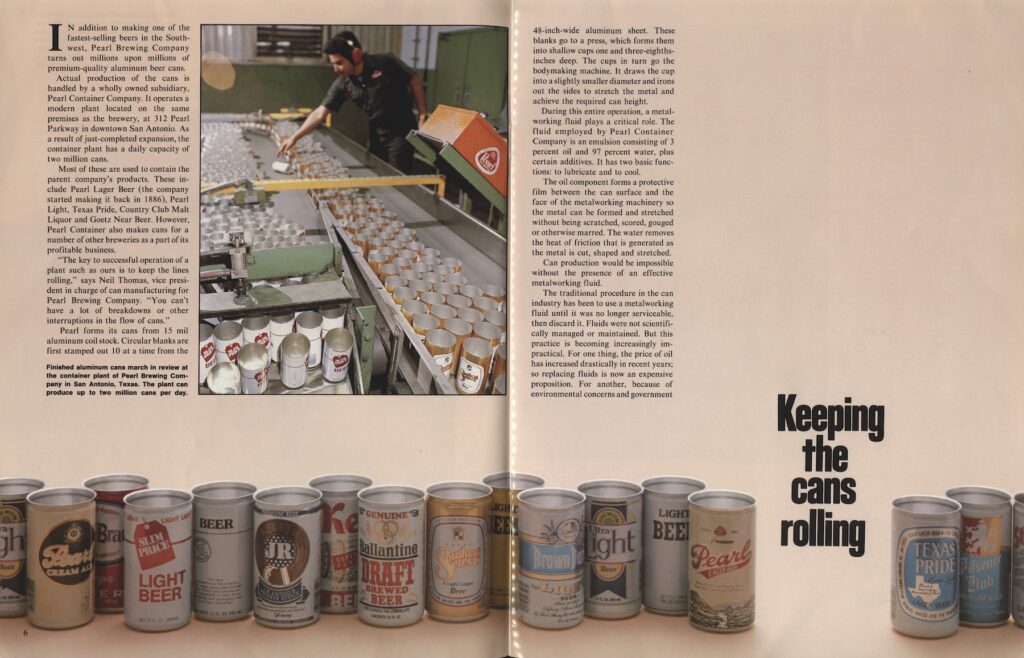
Currently, I’m wading through the Rohm and Haas Company Archives at the Science History Institute. Rohm and Haas was a chemical company headquartered in Philadelphia. At the moment, I’m enjoying going through the Rohm and Haas Reporter, which was a quarterly publication the company sent to its customers in industry. They detail how Rohm and Haas products are used, among other things, to increase the lifespan of metalworking fluids used in the making of beer cans and to improve the flow of concrete.
At the Science History Institute, I am particularly interested in trying to understand how someone educated in a particular tradition of thought came to integrate elements of another into their body of knowledge. My case study is Estêvão Rodrigues de Castro (1559–1637), a Portuguese physician educated in the traditional Aristotelian model in Portugal. Late in life, he moved to Florence and achieved the venerable position of physician to the Grand Duke of Tuscany. Although he almost certainly had no contact with authors such as Paracelsus, Philipp Ulstad, Joseph du Chesne, Andreas Libavius, and Duncan Bornet, at least in his formative years, all are cited in one of his major works, De meteoris microcosmi [On the meteors of the microcosm] (1621). In this book, Castro advanced the idea that the world contained processes similar to those happening in the “great chemical workshops” and discussed the nature of gold and pearls, actively engaging with or referencing these authors.
While it is difficult to trace how Castro developed his thought over a long period of time (De meteoris microcosmi was not published until he was 62!), one of my goals is to get a glimpse of how moving from one place to another can shape a person’s preceding body of knowledge. Just like me in these past couple of months at the Science History Institute: I have learned a lot, and my time here has been deeply transformative, both personally and academically.
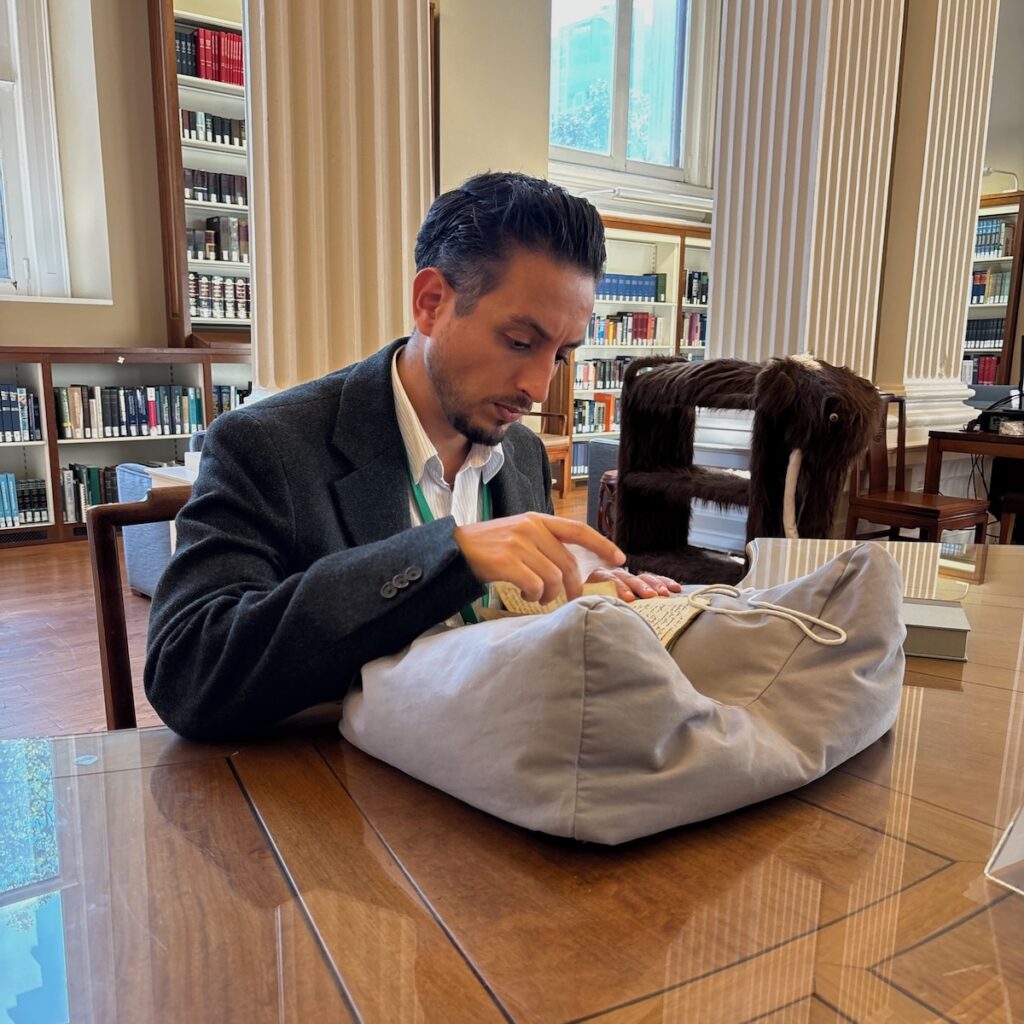
I have been working with the Othmer Library’s rare books collection, where I have been looking into the works of du Chesne, Libavius, and others. The Othmer Library also holds a book by Castro that I have been researching over the past few months. It has the quirky title of Quae ex quibus [The Things Out of Which] (1627), but that’s a story for another time. It has been such an exciting journey having access to so many amazing books all in one place!
Visit the Current Fellows page to learn about all of the scholars researching our collections.
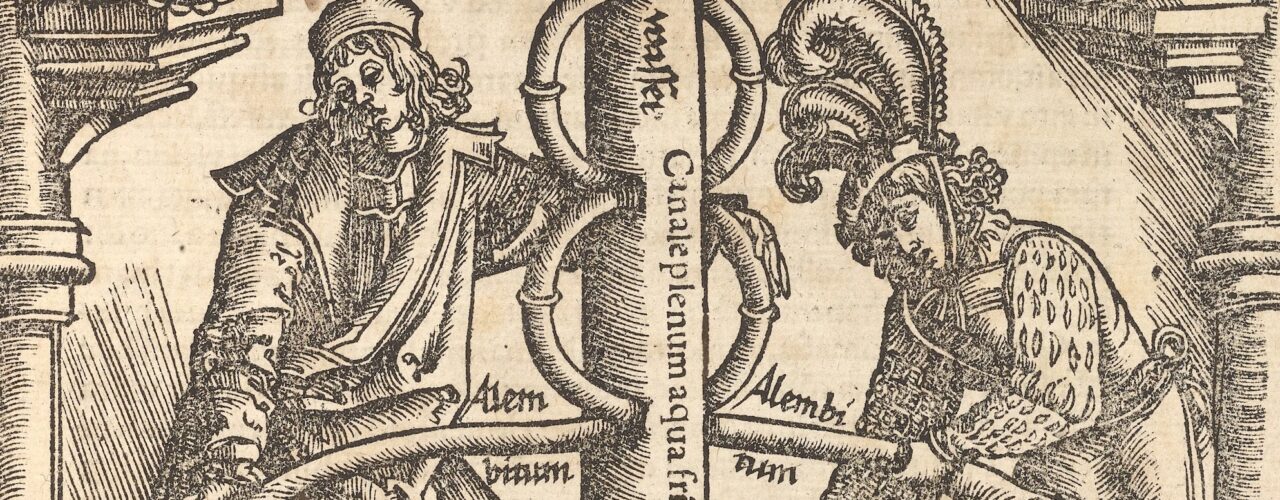
Featured image: Detail of an illustration from Philipp Ulstad’s Coelum Philosophorum, seu De Secretis Naturae, 1525.
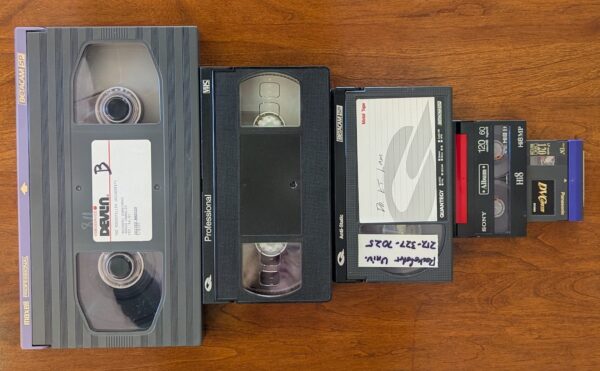
Bringing the past to life with an obsolete video format.
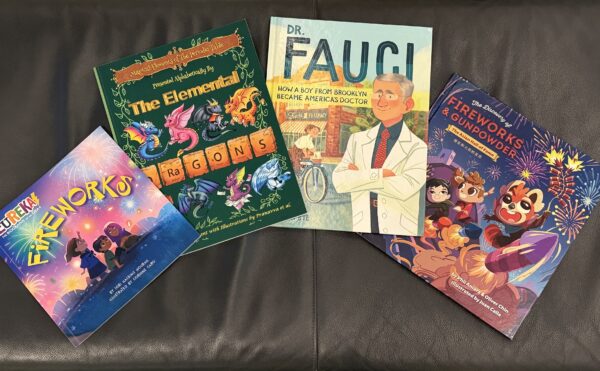
How do science books for kids today compare with those that have come before?
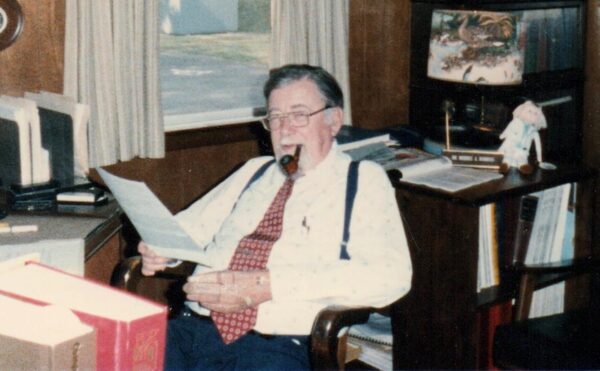
Morris A. Robbins and a tale of autonomy.
Copy the above HTML to republish this content. We have formatted the material to follow our guidelines, which include our credit requirements. Please review our full list of guidelines for more information. By republishing this content, you agree to our republication requirements.