
CollegeFest 2023
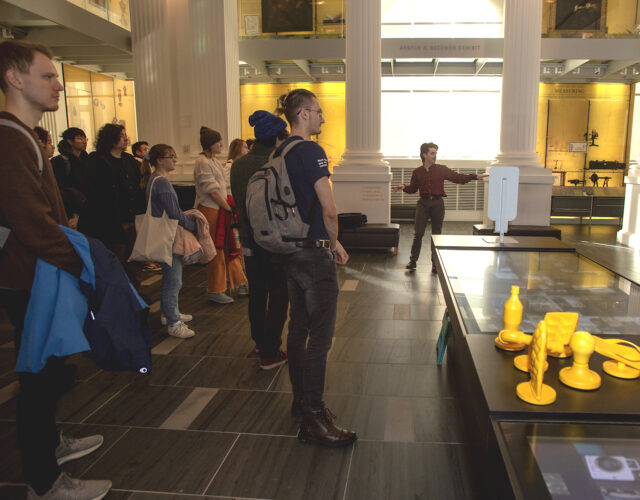
All new and returning Philadelphia-area college students are invited to visit the Science History Institute’s museum during CollegeFest, Campus Philly’s annual city-wide, weekend-long, “Welcome to Philadelphia!” celebration featuring free experiences, fun activities, contests, entertainment, giveaways, and more.
The Institute joins more than 25 of the City of Brotherly Love’s most iconic cultural organizations and attractions offering free admission exclusively to college students. Your official ticket also includes free SEPTA rides right to our front door in Old City.
Students can explore the intersections of environmentalism, education, and fun with our latest outdoor exhibition Playing Dirty, hear the voices and learn the stories of scientists and engineers who immigrated to the United States in the 20th century with our Migrating Science ExhibitLab, and discover the connections between rare earth elements and glass art with Enabling Transparency. And don’t miss our permanent exhibition, which will take you on a journey through more than five centuries of scientific inquiry into the material world.
CollegeFest is organized by Campus Philly. Registration is required.
More events
Study Hall x Distillations: American Vice
Come celebrate our newest Distillations podcast season with a special performance by the Crossroads Comedy Theater Company!
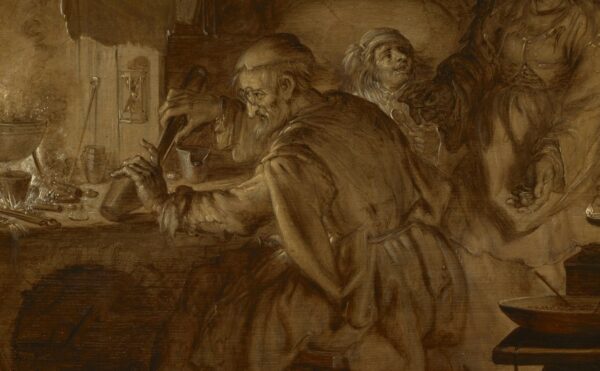
Art of Alchemy Self-Guided Visit
Step into the age of alchemy and explore works in our new permanent exhibition, Fire and Gold: The Art of Alchemy (1450–1850).
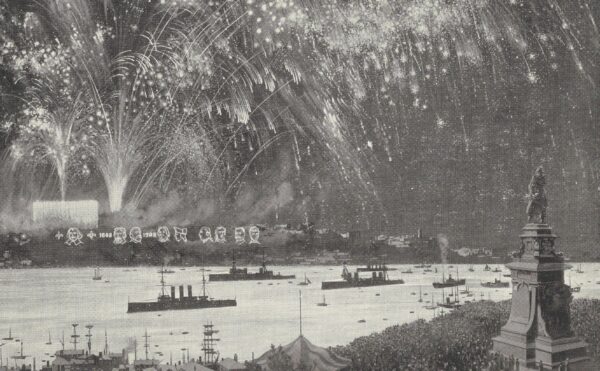
Fireworks Tour
Join our Gallery Guides for a drop-in tour of our special exhibition on the fascinating history and science of pyrotechnics.