
Fireworks Tour
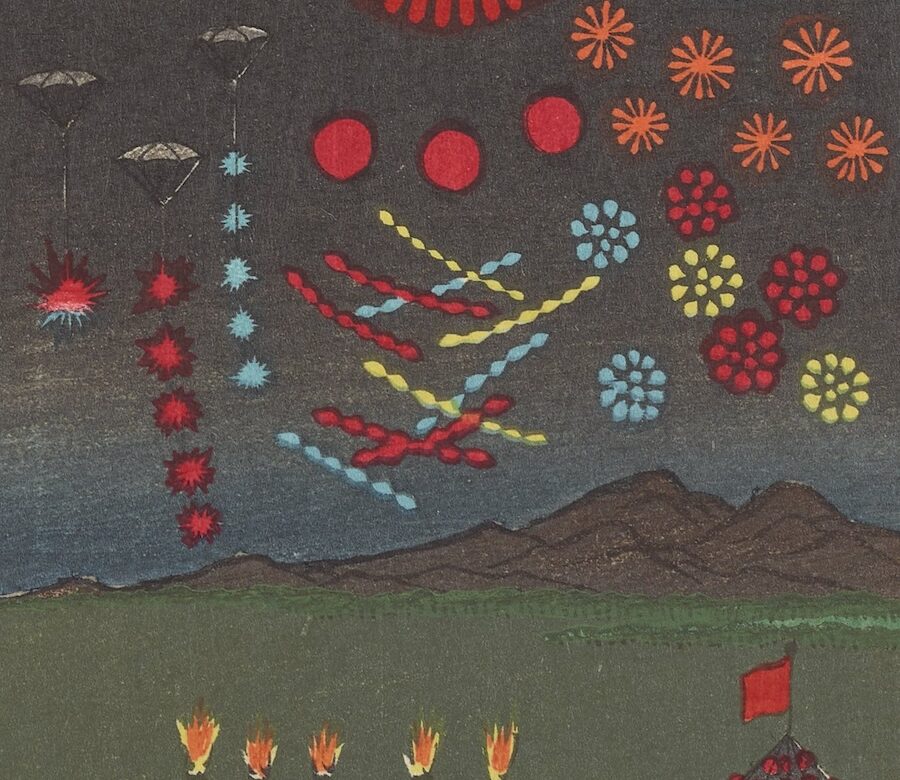
What’s the difference between a firecracker and a rocket—and how do they work? Why have fireworks come to represent events as diverse as the Chinese New Year, Italian saint days, ireworks.
What’s the difference between a firecracker and a rocket—and how do they work? Why have fireworks come to represent events as diverse as the Chinese New Year, Italian saint days, and the 4th of July?
Find out by taking a tour of our Flash! Bang! Boom! A History of Fireworks exhibition, which explores the fascinating international history of fireworks: from the chemistry of how they go “boom,” the factory laborers who churn them out, and the pyrotechnicians who light the match, to the migrants and business leaders who made them famous, and the innovators lighting up a new future.
Our longer tours are designed to offer visitors a comprehensive exploration of artifacts in our collection with unique stories. These tours last approximately 50 minutes and provide a deeper understanding of how science history and the present day are linked.
Know Before You Go:
- Drop-in tours are free and reservations are not required
- Space is limited to 20 participants
- Participation is first-come, first-served
- The recommended age for our tours is 13 years old and up
- Guests will be standing for most of the tour; limited bench seating and portable folding stools are available to the public
- Please contact us at museum@sciencehistory.org if you have further accessibility concerns you would like to discuss
Featured image from Pyrotechnics: The History and Art of Firework Making, 1922.
More events
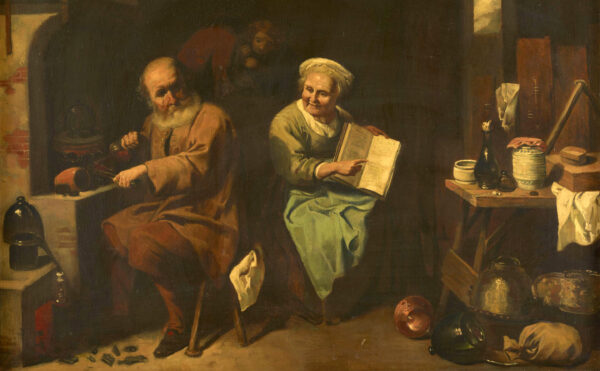
Art of Alchemy Self-Guided Visit
Step into the age of alchemy and explore works in our new permanent exhibition, Fire and Gold: The Art of Alchemy (1450–1850).
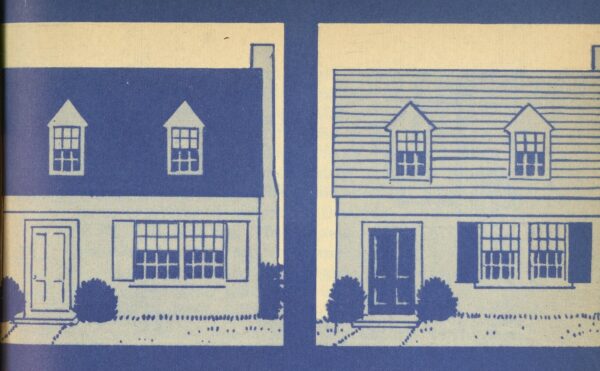
Stuff from Your House Highlights Tour
Join our museum educators as we explore the scientific principles and history behind everyday household objects.
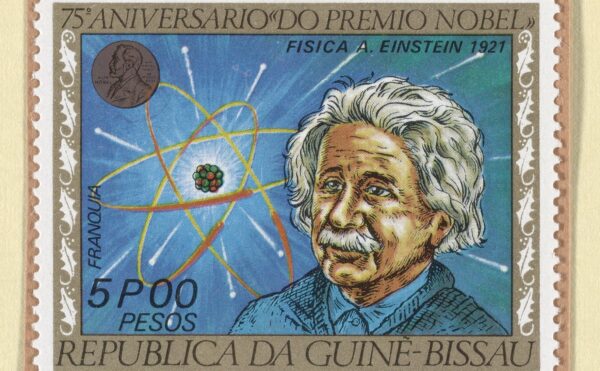
Stories of Science: Craft-tober
Join us in our museum EVERY SATURDAY for a family-friendly program that highlights strange and surprising stories from the history of science!