
Pain and Its Killers: What a New Class of Non-Opioid Pain Medicine Could Mean for Society
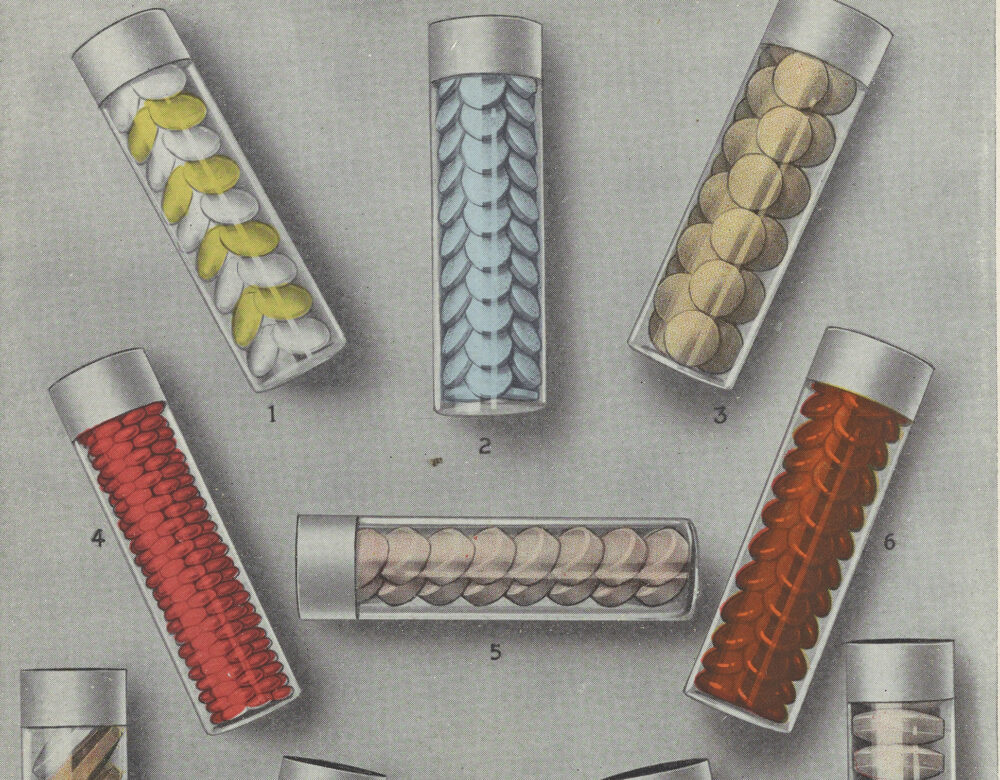
Can a new painkiller bring relief to people without the risk of addiction?
After two decades without innovation, a breakthrough moment arrived: Last year, the FDA approved Journavx™ (suzetrigine), the first new class of non-opioid pain medicine in more than 20 years. Early clinical trials show it delivers relief comparable to opioids without the addiction risk. For millions living with chronic pain and a nation still grappling with the opioid crisis, this isn’t just medical news. It’s hope.
But beyond the science lies a bigger story. How did we get here? What does this mean for patients, doctors, policymakers, and families caught in the grip of America’s deadliest drug epidemic? And most importantly, what happens next?
Join this essential conversation to learn how history has shaped today’s pain treatment landscape. We’re bringing together three leading voices who bridge history, science, and society to unpack this landmark development:
- David Herzberg
Founding director of the Drugs, Health and Society program at the University at Buffalo (SUNY) and education director of the Clinical and Research Institute on Addictions - Lucas Richert
Professor and George Urdang Chair in the History of Pharmacy at the University of Wisconsin–Madison, executive director of the American Institute of the History of Pharmacy, and Science History Institute Haas Fellow - Marla Broadfoot
Renowned freelance science writer and editor, whose work has appeared in Scientific American, Smithsonian, Knowable, Science, STAT, Popular Science, Discover, Nature News, Science News, and other publications
Whether you’re personally affected by chronic pain, working in healthcare, or simply believe in evidence-based solutions to public health crises, this conversation matters.
Agenda
5pm–6pm | Museum open
6pm–7pm | Panel discussion
7pm-8pm | Reception
As a courtesy to our speaker, our door policy stipulates that all guests must arrive before 7pm.
About the Moderator
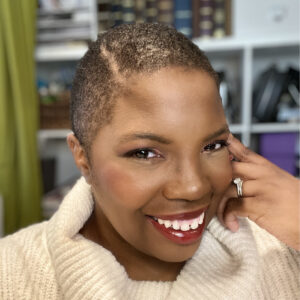
Alexis J. Pedrick is chief storyteller and podcast host at the Science History Institute, where she leads our award-winning Distillations podcast. A public historian and engaging science communicator, she specializes in making the history of science accessible to broad audiences through compelling stories, talks, and tours. Alexis also directed the National Endowment for the Humanities-funded project Innate: How Science Invented the Myth of Race, which explores the historical roots and lasting impacts of racism in science and medicine. She holds degrees from Temple University and Arcadia University and is passionate about connecting history, science, and the public through meaningful conversations.
About the Panelists
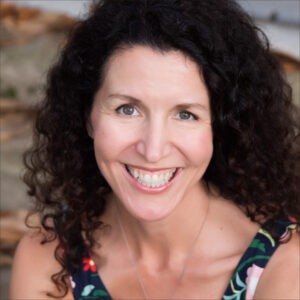
Marla Broadfoot is a freelance science writer and editor based in Wendell, North Carolina. Her work has appeared in Scientific American, Smithsonian, Knowable, Science, STAT, Popular Science, Discover, Nature News, and Science News, among others. She is a board member of the National Association of Science Writers, a contributing editor at American Scientist magazine, and an alum of the Rosalynn Carter Mental Health Journalism Fellowship. Before shifting to journalism, she earned a PhD in genetics and molecular biology from the University of North Carolina at Chapel Hill.
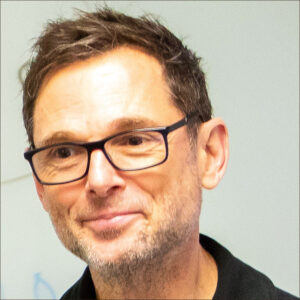
David Herzberg is professor of history at the University at Buffalo (SUNY), where he also is the founding director of the Drugs, Health and Society program and the education director of the Clinical and Research Institute on Addictions. He researches the history of drugs and drug policy in America, with a primary focus on psychoactive pharmaceuticals, from Bayer’s heroin to Purdue’s OxyContin, including barbiturate, amphetamine, Quaalude, Ritalin, and Valium, and more. His research can be found in numerous peer-reviewed historical and medical journals, in popular outlets, such as The New York Times and The Washington Post, and in three books, most recently White Market Drugs: Big Pharma and the Hidden History of Addiction in America (University of Chicago Press, 2020).
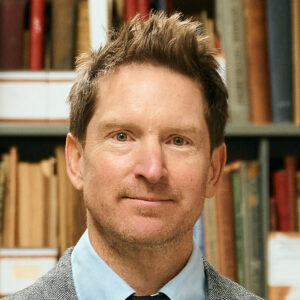
Science History Institute Haas Fellow Lucas Richert is Professor and George Urdang Chair in the History of Pharmacy at the University of Wisconsin-Madison. He trained at the University of Edinburgh and the University of London before holding positions at the University of Saskatchewan and Strathclyde University. He is the author of three monographs and one anthology: A Prescription for Scandal (Rowman & Littlefield, 2014), Strange Trips (MQUP, 2019), Break On Through (MIT Press, 2019), and Cannabis: Global Histories (MIT Press, 2021). He is the former coeditor in chief of Social History of Alcohol and Drugs (Chicago Press) and is the current coeditor of History of Pharmacy and Pharmaceuticals (U-Wisconsin Press). Richert is a founding member of UW-Madison’s Psychoactive Pharmaceutical Investigation program and the Transdisciplinary Center for Research in Psychoactive Substances. He also serves as the executive director of the American Institute of the History of Pharmacy.
About This Event
This event is part of our Science and Society and Joseph Priestley Society (JPS) series. Our Science and Society speaker series explores the history of science embedded in our everyday lives. We invite scientists, historians, policymakers, and educators for engaging, in-depth conversations that expand our perspectives. Named for the 18th-century scientist who discovered oxygen, JPS promotes a deeper understanding of science, technology, and industry, with an emphasis on innovation and entrepreneurship.
Featured image: Detail of display samples of Lilly tablets, part of Hand Book of Pharmacy and Therapeutics, circa 1919.
More events
From Nature to Nylons: A Touch-Based History of Textiles
This private learning experience combines a personally guided exploration of select gallery exhibits and a hands-on study of objects.
Art of Alchemy Self-Guided Visit
Step into the age of alchemy and explore works in our new permanent exhibition, Fire and Gold: The Art of Alchemy (1450–1850).
Fireworks Tour
Join our Gallery Guides for a drop-in tour of our special exhibition on the fascinating history and science of pyrotechnics.