
Transforming the Dead: The Art, Ritual, and Science of Egyptian Embalming
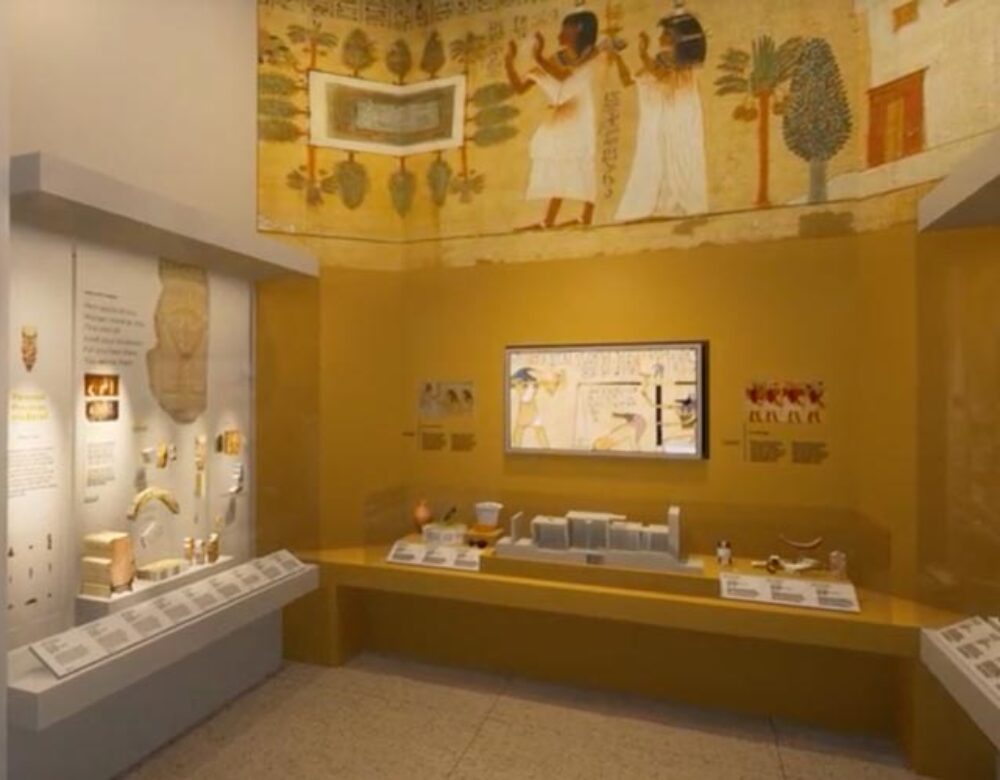
In December 2026, the Penn Museum will open its new Egyptian galleries, inviting visitors into the fascinating world of ancient Egyptian beliefs about death and the afterlife. Central to this journey is mummification, a practice that blends ritual, artistry, and technical understanding to preserve the body for the afterlife. This talk explores how ancient embalmers worked to transform the dead for life after death and offers a look at the art and science behind this intriguing practice.
Seating is available on a first-come, first-served basis. Tickets are not required for this event.
About the Speaker
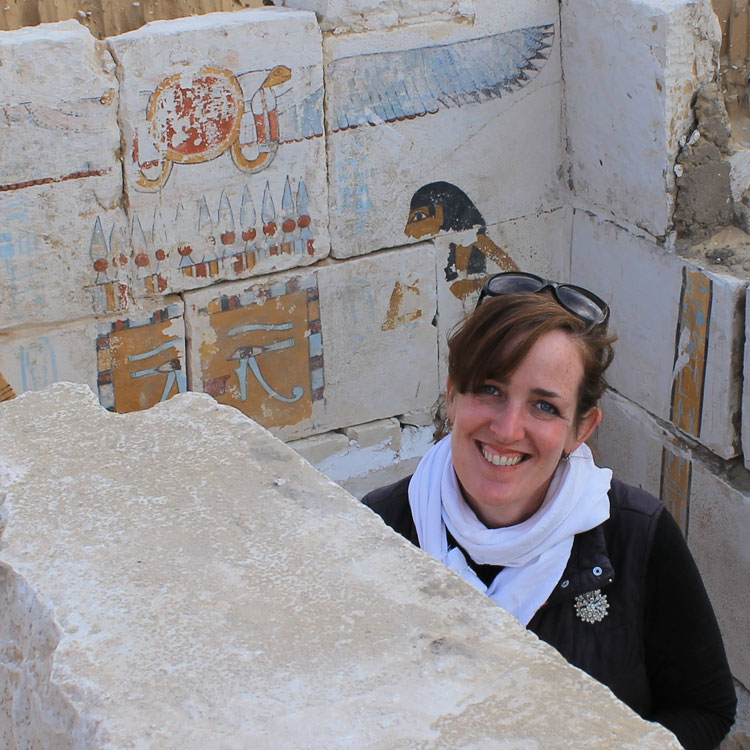
Jennifer Houser Wegner is a curator-in-charge of the Egyptian Section at the Penn Museum. She received her PhD in Egyptology from Yale University’s Department of Near Eastern Languages and Civilizations. She has worked in Egypt since 1990 and has participated in numerous fieldwork seasons at the sites of Giza, Bersheh, Saqqara, and Abydos.
About the Series
Science on Tap is a monthly speaker series that features brief, informal presentations by Philadelphia-based scientists and other experts followed by lively conversation and a Q&A. The goal is to promote enthusiasm for science in a fun, spirited, and accessible way, while also meeting new people. Come join the conversation!
More events
Study Hall x Distillations: American Vice
Come celebrate our newest Distillations podcast season with a special performance by the Crossroads Comedy Theater Company!
Art of Alchemy Self-Guided Visit
Step into the age of alchemy and explore works in our new permanent exhibition, Fire and Gold: The Art of Alchemy (1450–1850).
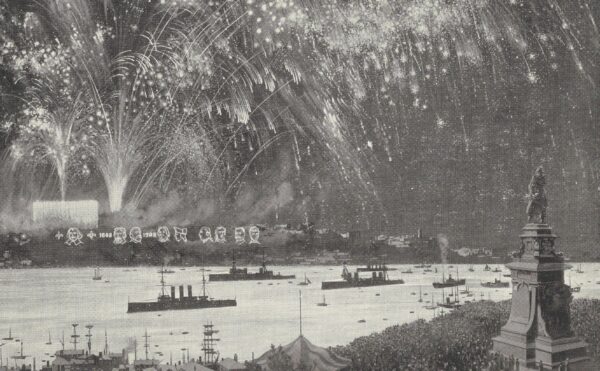
Fireworks Tour
Join our Gallery Guides for a drop-in tour of our special exhibition on the fascinating history and science of pyrotechnics.