
Distillations magazine

Unexpected Stories from Science’s Past
April 16, 2026 Environment & Nature

The Soapy Origins of a Sandalwood Smuggler

A war between police and a notorious outlaw riveted South India for more than a decade. At the conflict’s roots was a centuries-old saga of scarcity and control.

A shirtless man standing with a gun on his shoulder
About SUPPORT OUR WORK

In the days leading up to Operation Cocoon, Indian Police Service Chief K. Vijay Kumar was gripped by tremendous anxiety. The task force Kumar commanded had spent 13 years and more than ₹1 billion—well over $35 million today—on a fruitless manhunt. The battle between authorities and notorious fugitive Koose Muniswamy Veerappan had captivated the nation and turned the Eastern Ghats on the border of Tamil Nadu and Karnataka into a war zone.

Veerappan was fiercely intelligent and heavily armed, and he bore a burning vendetta against law enforcement. Many observers believed that as long as Veerappan took refuge in the dense forests blanketing this mountainous terrain, his capture would be impossible. Even forest officers could not compete with Veerappan’s deep sylvan knowledge, including the ability to interpret and mimic animal sounds. Chief Kumar, who typically placed little stock in prognostication, later confessed to consulting an astrologer before the operation. October 18, 2004, would be a special day, he was told.

By then, Veerappan’s crimes were many and had little precedent in modern Indian history. He and his crew, numbering more than a hundred at its zenith, had assassinated forest officers, ambushed police convoys, kidnapped tourists, and, most shockingly, abducted beloved Kannada film star Dr. Rajkumar and held him hostage for 108 days.

Such ruthlessness cemented Veerappan’s notoriety. Authorities branded him a terrorist, but his fearsome reputation belied the origins of his criminal career: smuggling forest products. An unmatched aptitude with a rifle, demonstrated from a young age, eventually made him the most prolific elephant poacher in Indian history. Sandalwood, however, made his name. Santaṉa kaṭutal Vīrappan, or “sandalwood smuggler Veerappan,” became the moniker often repeated by journalists, news broadcasters, and politicians.  

A man and a police officer observe posters featuring a man in white shirt with his arms raised and hands clasped in prayer.

Though a far cry from the drugs, guns, ivory, or other goods often trafficked illicitly, sandalwood’s luxurious smell has tantalized for centuries. Merchants and traders, priests and devotees, dignitaries and kings—all have been drawn to sandalwood’s allure. The Kingdom of Mysore, one of the most powerful princely states in British India, grew rich off trade in sandalwood oil and the iconic product now known as Mysore Sandal Soap. To secure supply for this commodity, the kingdom’s forest officers locked down the tracts in which sandal trees grew. Officials in postcolonial Karnataka followed suit, enforcing sandalwood smuggling as a criminal offense. It is commonly said that law makes an outlaw. In Veerappan’s case, soap made an outlaw.

For Veerappan, smuggling was both livelihood and political statement—a challenge to government’s hegemony over the riches of the forest. His conflict with authorities stemmed from a fundamental philosophical disagreement over the ownership of natural resources. To untangle the knot of law and politics, local knowledge, and global desire that rendered South India’s forests into a battleground, we must follow the scent of sandal through history.

Among the villagers of the Ghats, Veerappan was also known as Kāṭṭu rājā, “King of the Forest.” But he could not hold onto his kingdom forever. Who does the forest belong to? Answering this deceptively simple question lays bare the specter of colonialism that hangs like a fog over these jungle lands, haunting the present.
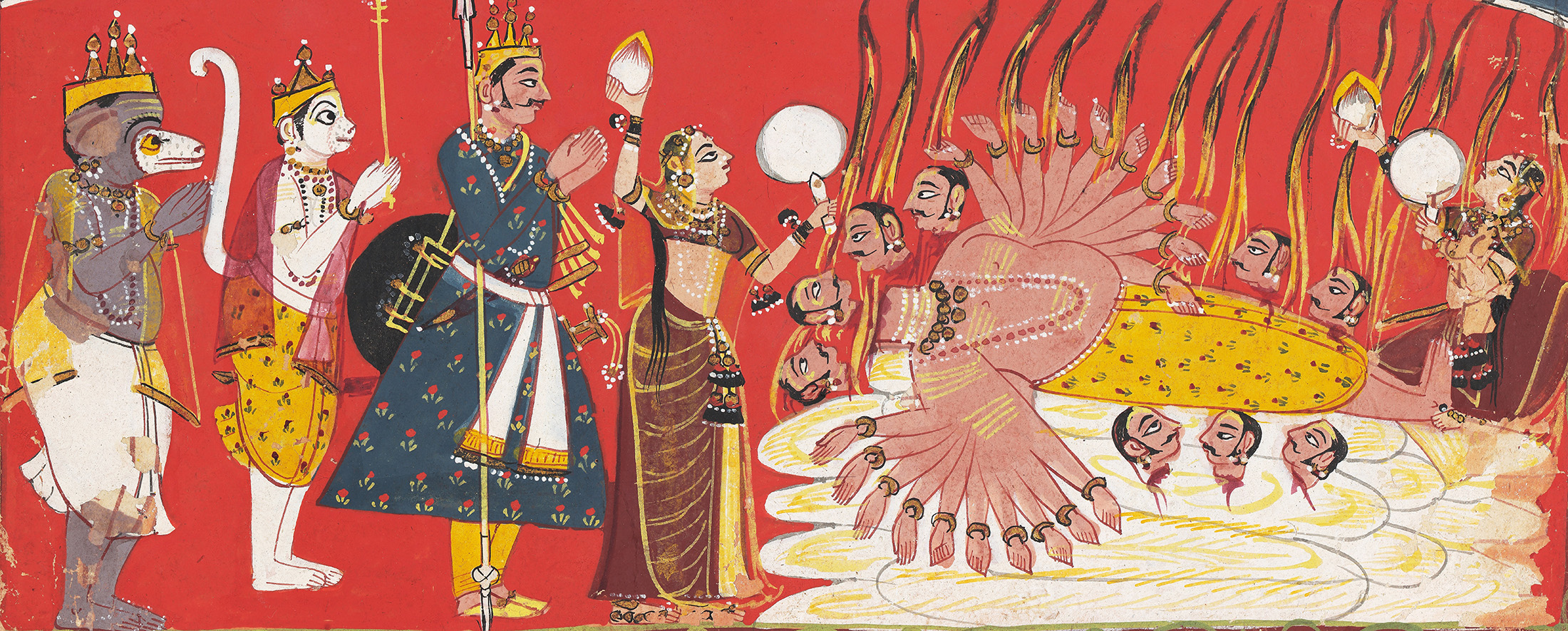
The body of a decapitated, many-headed figure lies on burning logs while human and animal characters perform funerary rites.
Detail of a painting by an unknown Malwa artist depicting the funeral of ten-headed demon king Ravana, ca. 1600s. Ravana’s body burns on a sacred pyre of sandalwood logs.

The Smell of the Divine

Historically, sandalwood has been defined by its uses as much as its physical characteristics. The English name derives from the Sanskrit candana, a capacious term encompassing many species and preparations, commonly defined as “wood for burning incense.” A deeper etymology suggests it could be related to cāntu, a Dravidian term meaning “to daub into a paste.”

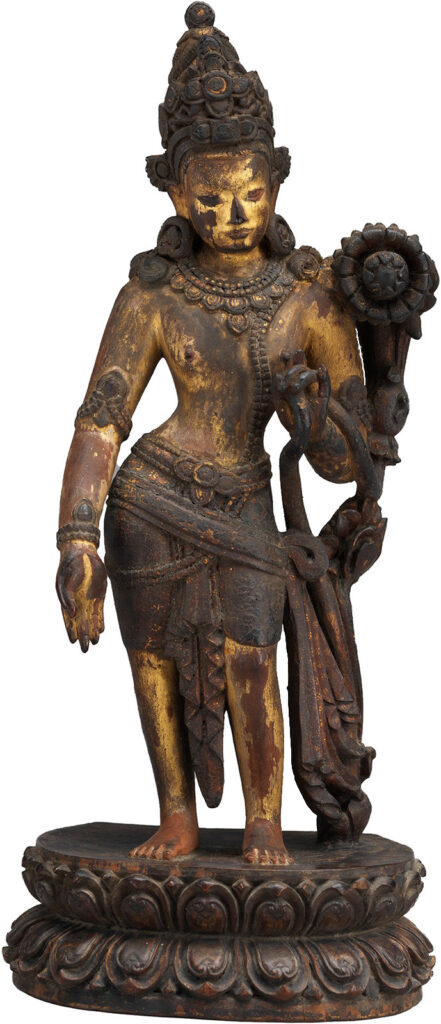
Devotional songs, Vedic scriptures, materia medica, epic narratives, perfumery manuals, alchemical treatises, and historical chronicles from ancient and medieval India make frequent and elaborate mention of sandalwood and its evocative powers. It was prized for its rich color and soft, unctuous texture, but foremost for its aroma, described as creamy, sweet, smooth, and earthy.

In Hindu poetry, smell functioned as a powerful signal for virtue. In the Mahabharata, Yudhishthira, the most righteous of the five Pandava brothers, uses sandalwood and consecrated water together in morning ablutions. In Buddhist texts, carved sandalwood was purported to best capture the likeness of the Buddha. To breathe in the scent of sandal was to perceive “markers of a stable order of truthful being,” writes religion scholar David Shulman.

Wooden figure standing on a pedestal holding a lotus flower.

Ayurvedic physicians ascribed sandal with strong cooling powers capable of quenching thirst, quelling fever, banishing poisons, and eradicating parasites. Perfumers who mixed oils in temples, monasteries, and royal courts cataloged how to balance its fragrance with that of camphor, saffron, musk, and aloeswood.

Poetic descriptions of sandalwood were attentive to differences in variety and grade, highlighting the importance of merchants’ trained judgment in evaluating its quality. Although this expertise may not have traveled beyond the Indian subcontinent, sandalwood was well known as an exotic aromatic in Europe and the Indian Ocean world long before the arrival of European colonial powers in the 16th and 17th centuries.

Thus, controlling the trade in sandalwood was a priority for India’s rulers. Some ecologists have suggested that control of sandal tracts, alongside spice groves and diamond deposits, drove the expansion of the Vijayanagara Empire throughout the peninsula from the 13th to 16th centuries. After the empire’s decline, Mysore emerged as one of the most powerful states in the region, particularly during the reign of the bellicose Hyder Ali (r. 1761–1782) and his son Tipu Sultan (r. 1782–1799). Coveting their territory and natural riches, the British East India Company waged a protracted war against Mysore for more than 30 years.

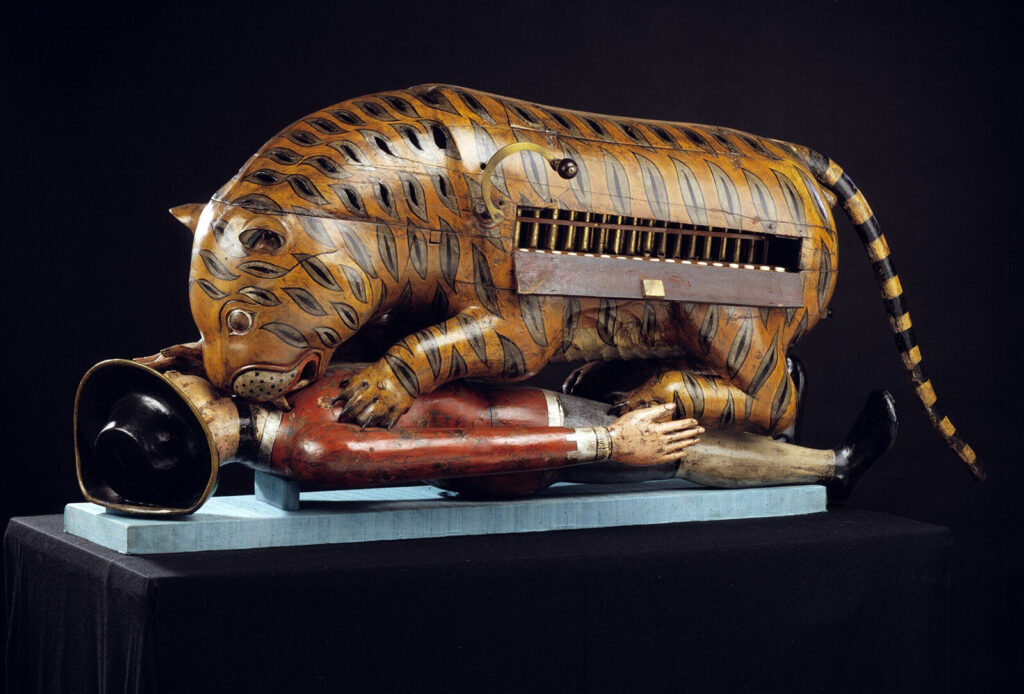
The defiance of the Mysorean leaders became legendary. Hyder Ali developed the world’s first iron-cased rockets, inspiring fear and awe from his British adversaries. His son earned notoriety for Tipu’s Tiger, an automaton of a tiger mauling a European soldier’s neck. Though perhaps less famous now than the machine bearing his name, Tipu Sultan maintained an iron grip over Mysore’s sandalwood, pepper, and cardamom. In 1791, when the British captured Bangalore, an important trading hub, Tipu Sultan blocked sandalwood from reaching the city’s markets. The following year, he declared a state monopoly over all sandal trees in the kingdom. Even as he lost territory to the British, he continually denied them the prize they most desired. Thus, contemporary forest governance in Karnataka owes its legal precedent to Tipu Sultan and the bitter Anglo-Mysore wars.

Wooden figure of a tiger mauling a man in a red uniform.

Mysore’s resistance to British encroachment came to a sudden and dramatic end in 1799 when Tipu Sultan was vanquished in the fabled Siege of Seringapatam. The kingdom was subjugated and made a protectorate of the East India Company. Almost immediately, the British entered into agreements with the Wodeyars, whom they reinstalled as Mysore’s dynastic rulers, for the right to trade sandalwood. The princely state had wide latitude to set a high selling price, securing a consistent revenue stream for the monarchy. Purnaiah, the first diwan (prime minister) of Mysore, instituted new duty taxes and a scheme whereby cultivators could receive sandal seeds and saplings. In response to government incentives toward sandalwood cultivation, village leaders designated sandal trees in their district special reserves and permitted harvesting only once every 12 years.

Although state control over forest resources was partial, the Mysore state bureaucracy expanded and evolved to maximize profits from this important natural resource. British technical experts in the Forest Department centralized efforts to conserve forest resources, developed silviculture experiments, and established the koti system, a network of heavily guarded sandalwood depots.

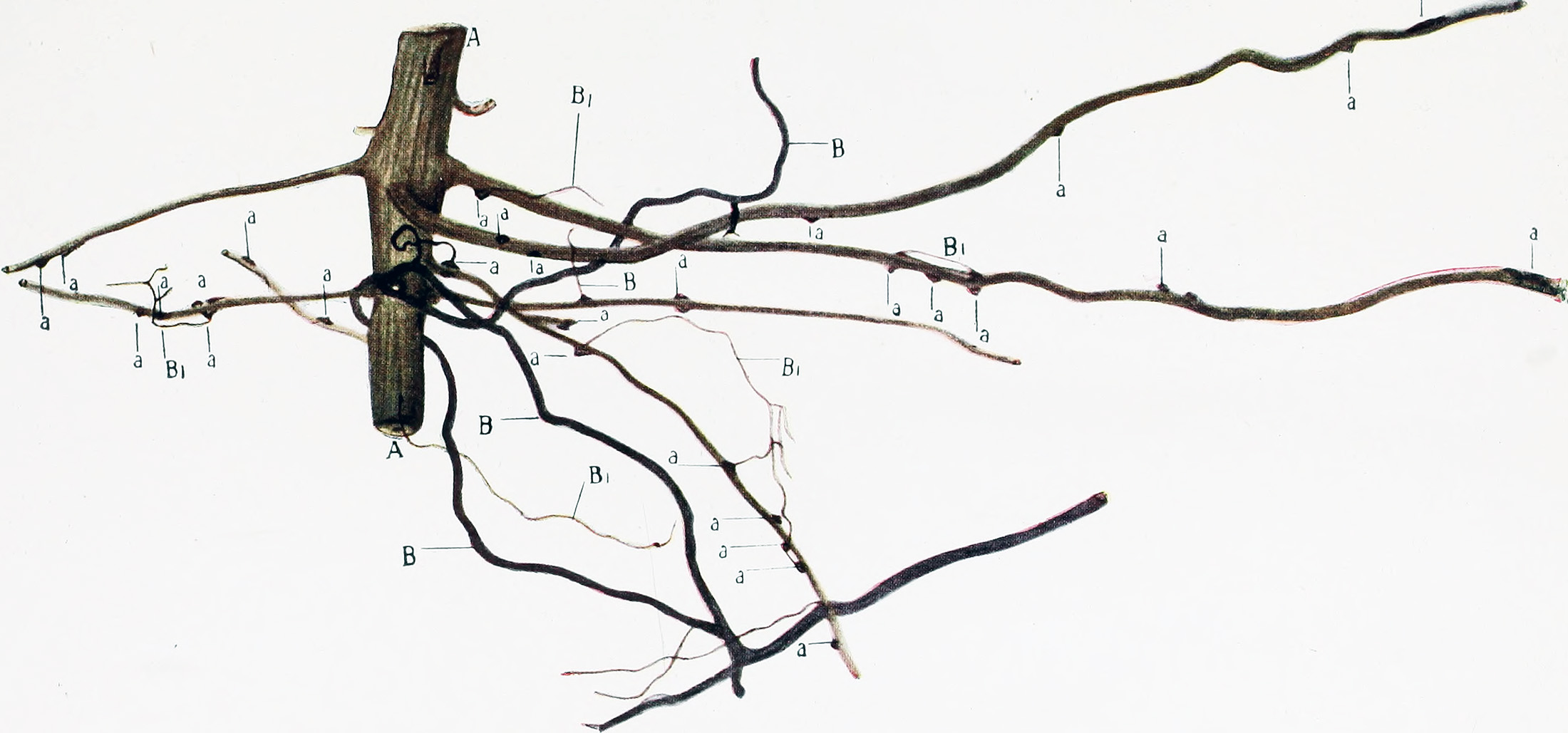
Increasing the supply, however, confounded colonial officials. Attempts at cultivation invariably failed because British botanists failed to understand a key aspect of the plant’s physiology—saplings grow parasitic roots to siphon nutrients from neighboring plants. Without host trees, they never reach maturity. Although a Calcutta-based researcher published this observation in 1871, the knowledge did not circulate widely among colonial scientists until the early 20th century. Moreover, foresters were perplexed by the mysterious spike disease, which dramatically reduced sandal’s leaf growth and killed infected trees within two years.

Despite these challenges, by the turn of the 20th century, forest products were the princely state’s third largest source of revenue, and sandalwood was undoubtedly the Forest Department’s most lucrative commodity. However, the kingdom’s administrators would soon realize that the real wealth was not in growing sandal trees, but in what you could do with them.

Illustration of intertwined tree roots with markers identifying different species
A sandal tree’s parasitic roots latch onto the roots of a toothbrush tree (Streblus asper), from forest conservator Rama Rao’s “Host Plants of the Sandal,” 1910.

Commodifying and Criminalizing the Forest

When Alfred Chatterton arrived in Mysore in 1912, he was hopeful his vision of an industrialized India would find more traction than it had with the conservative elites in neighboring Madras. He never could have imagined, however, that in a few short years he would be directing all of Mysore’s industrial development.

In Mysore, Chatterton found common cause in the administration of development-minded Maharaja Krishnaraja Wodeyar IV and his diwan, the accomplished civil engineer Mokshagundam Visvesvaraya, who had overseen the construction of dams, flood-control projects, and drainage systems throughout the British Empire. Since the late 19th century, Mysore’s pursuit of political and economic modernization had earned the princely state’s leadership favor with the British, affording them a modicum of sovereignty in decision-making. The early 20th century would see the expansion of state investment in the production of iron, leather, porcelain, and, most promisingly, sandalwood oil.

For decades, chemists at perfumeries in Europe and North America had extracted essential oil from sandal heartwood, literally distilling its value into a concentrated, versatile, and stable commodity. Chatterton was recruited to help Mysore cut out these middlemen and extract more profit from its sandal crop. When World War I closed off key European markets for its sandalwood in 1914, the government rushed its nascent plans into action.

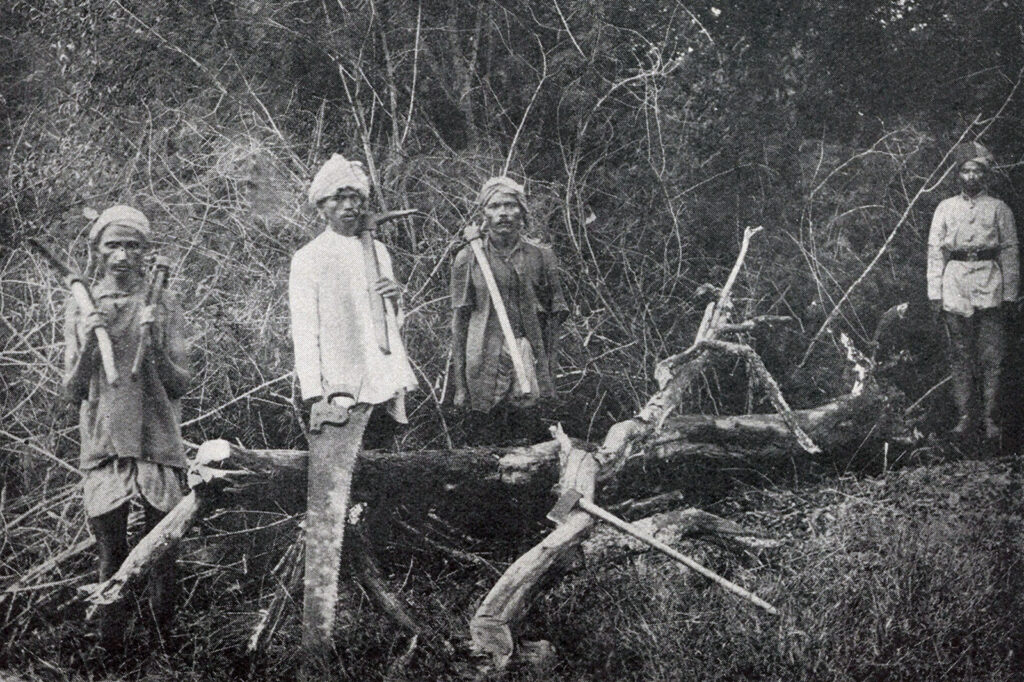
Four men standing holding axes and saws standing next to a felled tree

The bench chemistry for this project was undertaken at the Indian Institute of Science (IISc) in Bangalore. The five-year-old school had laboratory facilities and faculty that were peerless in colonial India, drawing talented students from across the subcontinent. The maharaja had lavished much of his considerable wealth on the university, and to jump-start the distillation program he further offered three scholarships in general and applied chemistry for essential oil research. With this support, faculty and students built an experimental distillation apparatus that extracted sandalwood oil orders of magnitude purer than anything made heretofore in Mysore.

Following this proof of concept, Chatterton blended repurposed and custom-built machinery to establish the government’s first sandalwood oil factory in 1916, less than a mile from the university. The Mysore government increased its contributions to IISc tenfold, hired the scholarship students as factory chemists, and kept the faculty on retainer to handle quality control.

Chatterton next recruited technical staff, clerks, watchmen, and a deputy, Y. Narasinga Rao. By the end of the first year, the factory was producing 1,500 pounds of sandalwood oil per month, with a second factory near the city of Mysore in development. Chatterton also secured several contracts for selling the product overseas.

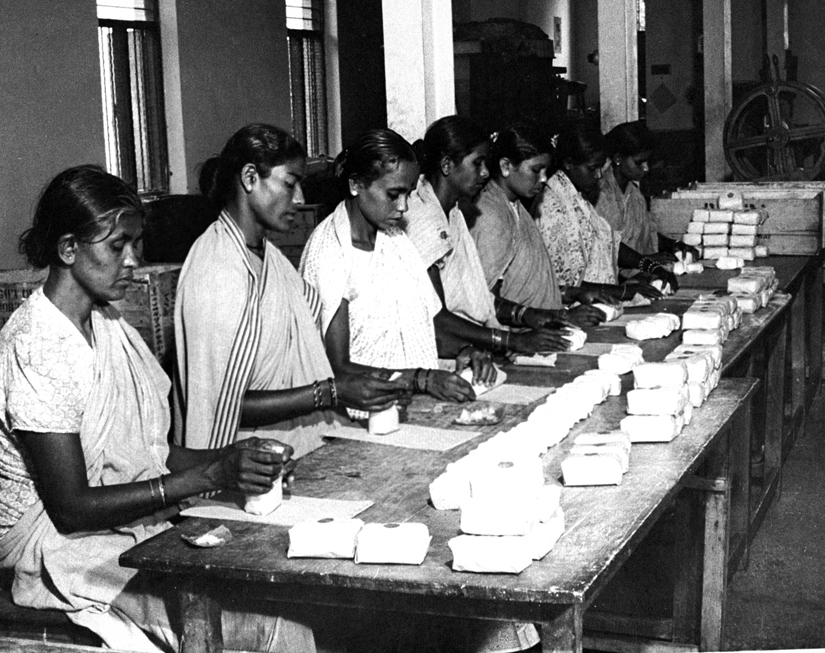
Seven women seated at a table wrapping bars of soap

Essentially, Chatterton operated a commercial enterprise within the machinery of government, an arrangement that allowed him to bypass many obstacles faced by new businesses—securing a factory site, rail transportation, fuel, raw materials, and other capital outlay. Instead, his most pressing challenges were building capacity, developing a market, and securing a regular supply of sandalwood to make the scheme profitable for the state.

Krishnaraja Wodeyar IV’s emphatic support for the project resulted in some extraordinary workarounds to these hurdles. In 1917 he closed the Forest Department’s sandalwood auctions and reserved the entirety of the kingdom’s sandalwood crop for the oil factories. This arrangement stirred tensions between Chatterton and the chief conservator of forests, particularly during the postwar economic downturn of the early 1920s. Faced with a lack of buyers, Chatterton’s factories stockpiled much of their distilled product, starving the Forest Department of revenue. The maharaja and his council were unfazed neither by the factories’ short-term losses nor the complaints of naysayers, allowing Chatterton time to achieve viability. Such preferential agreements, conceived to secure a competitive edge, would later ossify so that the government always had its thumb on the scale.

By the mid-1920s, the global economy rebounded, and the maharaja’s patience was rewarded. By then Chatterton had retired and handed over leadership of the oil factories to Narasinga Rao. The sale of sandalwood oil, arranged through agents in London, proved wildly lucrative for Mysore, leading Rao to write, “the industry has successfully passed through this trial and may . . . become permanent.”

Indeed, the scheme had found many buyers in Europe and North America, with new markets developing in India, Southeast Asia, China, Japan, and beyond. Mysore’s factories began purchasing sandalwood from neighboring polities to keep pace with demand.

Print advertisement featuring an Indian woman smiling beside a bar of soap stamped with the words “Govt Soap Factory Bangalore.” The [tag line?] reads: “Such Perfumed Lustre!”
Mysore Sandal Soap advertisement, 1971.

State investment radically and irrevocably changed the legal regime over forest products. Governance of sandalwood grew stricter, and smugglers were prosecuted more severely than ever before. Seasoned government advocates from Bangalore ventured to remote district magistrates to guarantee convictions. Authorities demanded that temples producing sandalwood carvings and incense keep detailed records and turn over any unused product to the state. Purchases of distillation stills were scrutinized, lest the buyers have designs on bootlegging their own oil. A joint task force of foresters and police was formed to surveil routes out of the kingdom and keep better tabs on the number of sandal trees growing wild.

As part of its drive toward industrialization, the state had also pioneered a soap factory, which used coconut oil and other local products to produce soap stock. In the mid- to late 1920s, the chemist who ran the factory, Sosale Garalapury “Soap” Sastry, began investigating the creation of a sandalwood-scented soap. An apocryphal tale suggests that the initiative came from the maharaja himself after receiving a gift of such soaps from a foreign dignitary. Whatever the impetus, the two factories joined forces, producing a commodity that was eminently modern and refined but that also embodied indelible aspects of Indian culture and traditional values.

Today, Mysore Sandal Soap is a cultural mainstay, evoking luxury and nostalgia for wide swathes of Indian and diasporic consumers. Its iconic status sanitizes the product: the state’s heavy-handed cordoning of sandal trees comes to consumers in a neat and sweet-smelling package. By the time the princely state gave way to postcolonial Karnataka, the government had claimed complete authority over the traffic in sandalwood. But rising resentment of this monopoly among forest-dwelling communities and the growth of the black market meant that the state’s problems were far from over.

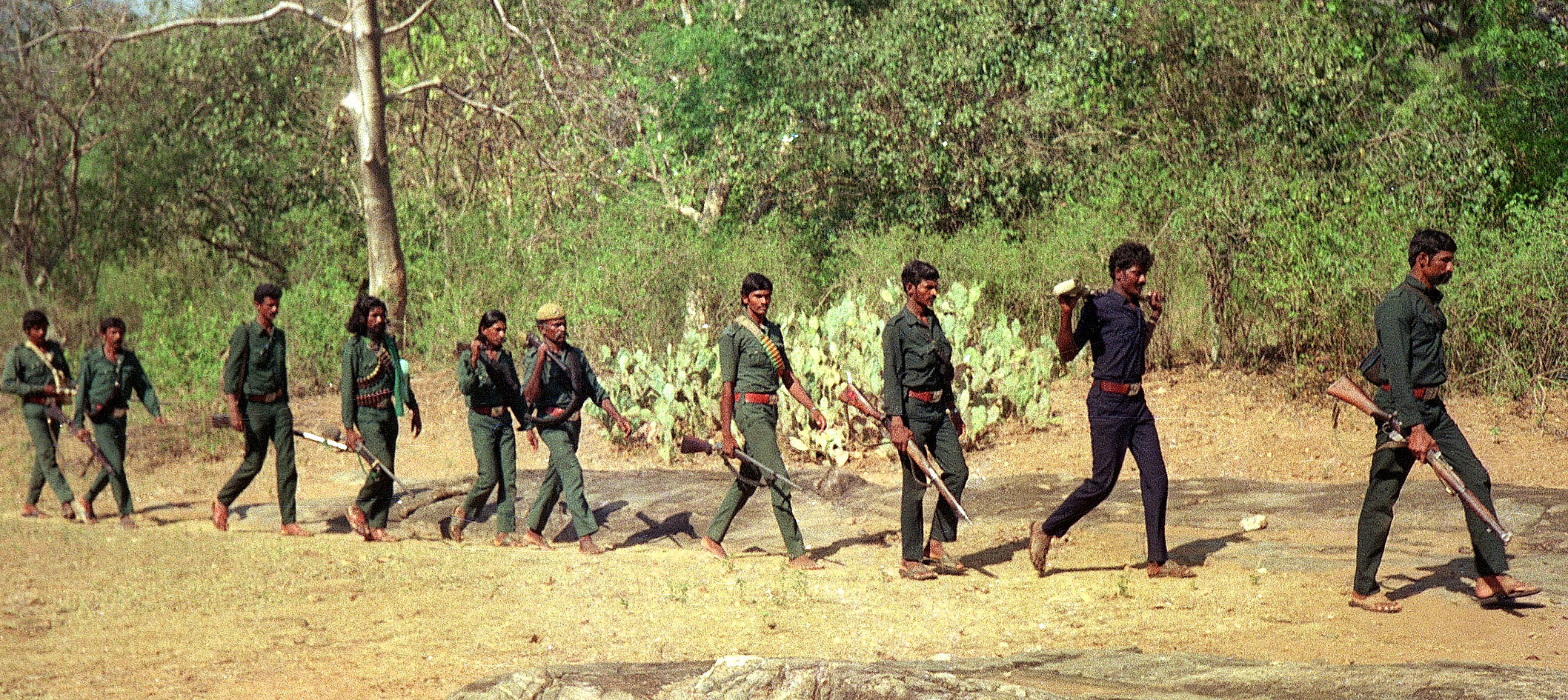
Line of ten armed men in green camo walking in single file
Veerappan and his gang, April 1993.

Downfall of the Forest King

After independence, southern Indian states were largely responsible for their own finances, as the new central government concentrated investment in the north. For Karnataka, the sandal oil factories only grew in importance. From 1950 to 1970, more than 480,000 sandal trees were harvested annually; the Karnataka Forest Department delivered an average of 2,400 tons of sandalwood to the factories each year. At their peak, the facilities in Bangalore and Mysore produced roughly 2,800 tons of sandal oil per annum, a 350-fold increase from about 8 tons per year in 1916. Government factories expanded their product lines into other cosmetics, driving up profits and harvests. The Forest Department responded with a conservation plan in the early 1960s, but foresters still faced pressure to fell immature trees to satisfy the factories’ production quotas. Consumption was unsustainable.

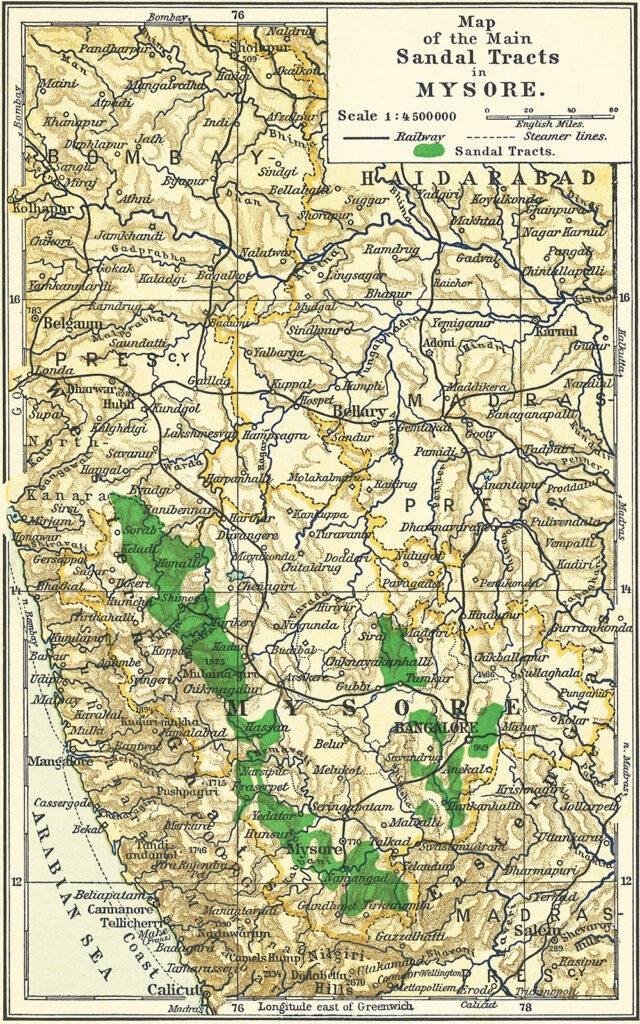
This fact was revealed suddenly in 1974, when a survey revealed only 350,000 sandal trees were still standing and little more than 1% of them were mature enough for harvest. The price of sandal skyrocketed and has continued to grow exponentially since. Sandalwood smuggling quickly became a singularly lucrative profession, which state officials were quick to scapegoat as the cause of the crisis.

Color topographical map with green shaded portions

Despite these threats to the survival of the species, the Karnataka Forest Department continued to sell sandalwood to the factories at artificially low prices. Meanwhile, the government shifted liability to landowners, who were ordered to safeguard sandal trees on their property. Theft or damage of these trees resulted in heavy fines and significant jail time, effectively disincentivizing private cultivation efforts. The state’s costly mismanagement of this natural resource was clear to all, but still it maintained unequivocal ownership of all sandalwood within its borders.

Veerappan’s world was inexorably shaped by these colonial structures of exploitation. He shared his life story, political ideology, and more in a series of video interviews with journalist Nakkheeran Gopal, who sought to contradict the state’s official, Manichaean narrative. Veerappan’s village, Gopinatham, was populated by people relocated in the 1930s after the completion of the Mettur Dam left their original home underwater. When postcolonial state borders were drawn, the Tamil community of Gopinatham became a part of Karnataka. The inhabitants were marginalized not only for their perceived backward way of life, but also for their ethnolinguistic identity, particularly amid the rise of tensions in the later 20th century between Tamils and Kannadigas, Karnataka’s dominant ethnic group.

As a young man, Veerappan grew convinced that the state and central governments, by decreeing the wealth of the forest their own, were effectively trapping him and his kin in poverty. Daily wage labor, marginal health care, and an overall precarious existence were the best his people could hope for, even while ivory and sandalwood lay within reach. He refused to accept this future for himself and his family. With the help of his uncle and brothers, he organized a crew of elephant poachers that combed the Male Mahadeshwara (MM) Hills. They bribed foresters to look the other way and used lumber shipments to smuggle the ivory to Kerala, where it was then sold to overseas buyers, particularly in China.

Their activities drew the ire of a rival elephant poaching gang. Word spread that the gang was lying in wait in the hills surrounding Gopinatham. Veerappan went into hiding. When his mother’s health declined, however, he surreptitiously returned to his village to fulfill her dying wish to see him. Weeks later, after Veerappan had returned to the forest, his younger brother informed him that she had died shortly after his visit and that the family had to perform the last rites without him. Taken by a violent rage, Veerappan hunted down and murdered the rival gang leaders who had denied him the right to lay his mother to rest.

Veerappan’s actions heightened scrutiny on his criminal enterprise. He was even briefly apprehended by the Karnataka Forest Department but escaped his confines. In his mid-30s, amid a global crackdown on ivory trade, he turned to sandalwood smuggling to support himself and his crew. With his extensive and influential contacts, he built a network of caches and transportation routes, moving more than ₹1 crore (₹10 million) worth of product through the busy port of Madras (now Chennai) in less than a year.

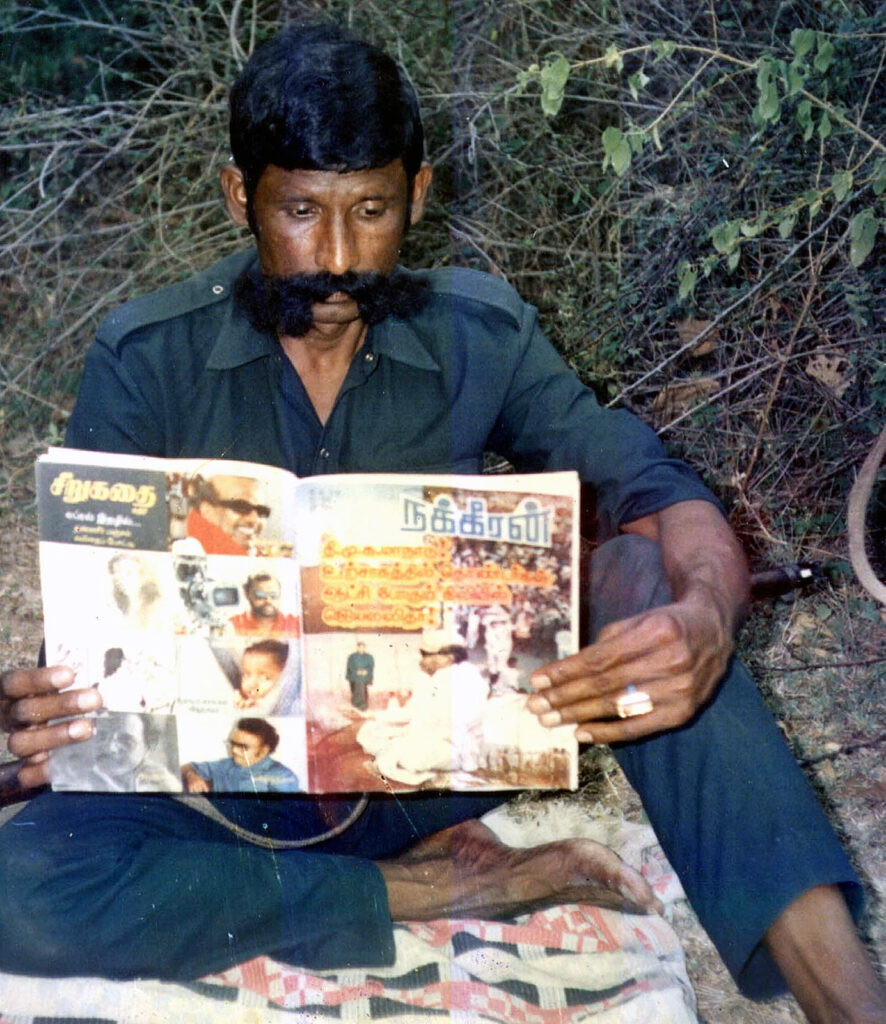
Man sitting on a blanket in a forest reading a colorful magazine

It would have been impossible to achieve this scale of operation without the complicity of numerous police, forest, and trade officials. Veerappan frequently pointed to such entrenched corruption and hypocrisy to justify his open defiance of the government. Still, pressure from authorities forced him to abandon his operation a mere 11 months in, but the name santaṉa kaṭutal stuck for life, perhaps an attempt to paint him as a common thief.

The war with the Tamil Nadu and Karnataka Special Task Force (STF) saw atrocities perpetrated by both sides. In 1993, Veerappan set landmines in the path of a police convoy, executing more than 20 police personnel and civilian informants.

The STF, in response, tortured hundreds of hill country villagers in their search for Veerappan during the 1990s. Victims of this terror campaign were unlawfully imprisoned, starved, severely beaten, shocked with electricity, and sexually assaulted. One advocate who collected testimony from the villagers has argued that the atrocities rose to the level of war crimes, with some acts so wanton and depraved that she could scarcely bear to mention them.

The disenfranchisement of rural denizens in public discourse is so stark that many Indians are unaware that these injustices—perhaps the most severe human rights violation since independence—took place. Perpetrators received promotions and plaudits while the villagers have received little to no compensation or acknowledgment of their suffering. K. Vijay Kumar’s account flatly denies that any such abuses took place.

An endless cycle of vengeance raged in these borderlands for a decade. Veerappan’s brand of vigilante justice earned him favor with forest-dwelling communities, but as the manhunt dragged on, supporters and informants alike bore the worst of the violence. Still, local assistance and an unmatched knowledge of more than 14,000 square kilometers of forest tracts allowed Veerappan to avoid capture. Eventually, however, the life of a fugitive and separation from his family weighed on him. His vision was also failing; he desperately needed cataract surgery. By October 2004, Veerappan was ready to flee India. He reached out to a contact with Liberation Tigers of Tamil Eelam (LTTE), a radical paramilitary organization then engaged in civil war in Sri Lanka. The STF had its opening.

Operation Cocoon hinged on S. Velladurai, an undercover operative planted by Kumar, convincing Veerappan and his few remaining comrades that he was an LTTE member and that he could successfully shepherd them to asylum in Sri Lanka. They took the bait. Repurposing an ambulance as an inconspicuous getaway vehicle, Velladurai drove the gang out of the forest and across the border into northern Tamil Nadu and a police ambush.

Armed men in camo and tan uniforms congregating around and sitting inside a van on a dirt road

When Veerappan realized what was happening, he refused to surrender. The STF fired hundreds of bullets in the shootout. Other details of the encounter are remarkably vague, but when the smoke cleared, Veerappan and his three associates were dead. Photographs released by authorities showed a body tightly wrapped in cloth with only the face visible but almost unrecognizable with his iconic handlebar moustache snipped. The images made clear that summary execution was the punishment for a sandalwood smuggler who dared to so flagrantly and viciously defy the state’s authority.

The injustices that incited Veerappan’s revolt live on. In 2024, Karnataka Soaps and Detergents Limited, the government entity that manufactures Mysore Sandal Soap, delivered a record-shattering dividend of more than $12 million. That the extraction of sandalwood will continue to be pursued for profit is a given. What remains uncertain is if there is any future for India’s sandal forests beyond being distilled into a bar of soap.

More from our magazine

A group of men posing for a photograph in front of a house.
DISTILLATIONS MAGAZINE

The Misogynist Dinner

In 1880, the 4-year-old American Chemical Society threw a tantrum disguised as a party. Here’s why it still matters.

Twin girls in Scottish costumes eating bowls of oatmeal at a table
DISTILLATIONS MAGAZINE

Fitter for a Stable Than a Table

A potted history of porridge.

A historical illustration depicts an experiment with a suspended person, possibly related to scientific studies or demonstrations.
DISTILLATIONS MAGAZINE

When Electricity Met Democratic Revolution

The science that animated a political idea.

    Republish

    Copy the above HTML to republish this content. We have formatted the material to follow our guidelines, which include our credit requirements. Please review our full list of guidelines for more information. By republishing this content, you agree to our republication requirements.