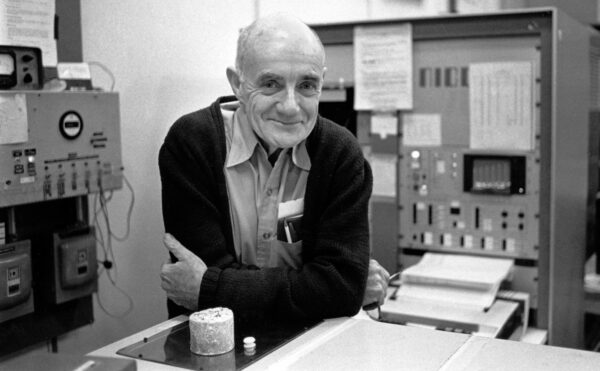

In 1953, Eugene Garfield was living in a single room across the street from the Welch Medical Library at Johns Hopkins University. He was a scrappy, saxophone-playing single father who had landed the job of a lifetime there with the Machine Indexing Project of the Army Medical Library, and this proximity allowed him to work around the clock. To most, the project was a success: it yielded MeSH, a standardized taxonomy of medical subject headings still used to organize biomedical research today. But Garfield was restless. He had learned how to program the powerful IBM machines at the Welch, and he wanted to use them to do more.
Garfield longed for the coming of the World Brain—H. G. Wells’s vision of a peace-promoting “clearing house for universities and research institutions; . . . a cerebral cortex to these essential ganglia.”
By the 1950s, cutting-edge research was coming out in breakneck journal releases. Indexes like the one Garfield was being paid to develop lagged years behind the pace of publication. Scientists were struggling under the weight of their own success, afraid they would soon drown in a “flood of paper.” Garfield believed that developments in computing technology could buoy them.
Such concerns motivated the First Symposium on Machine Methods in Scientific Documentation, held at Hopkins in March 1953. Among other things, it introduced him to Shepard’s Citations, an elaborate index lawyers used to navigate court precedents and identify decisions relevant to their cases.
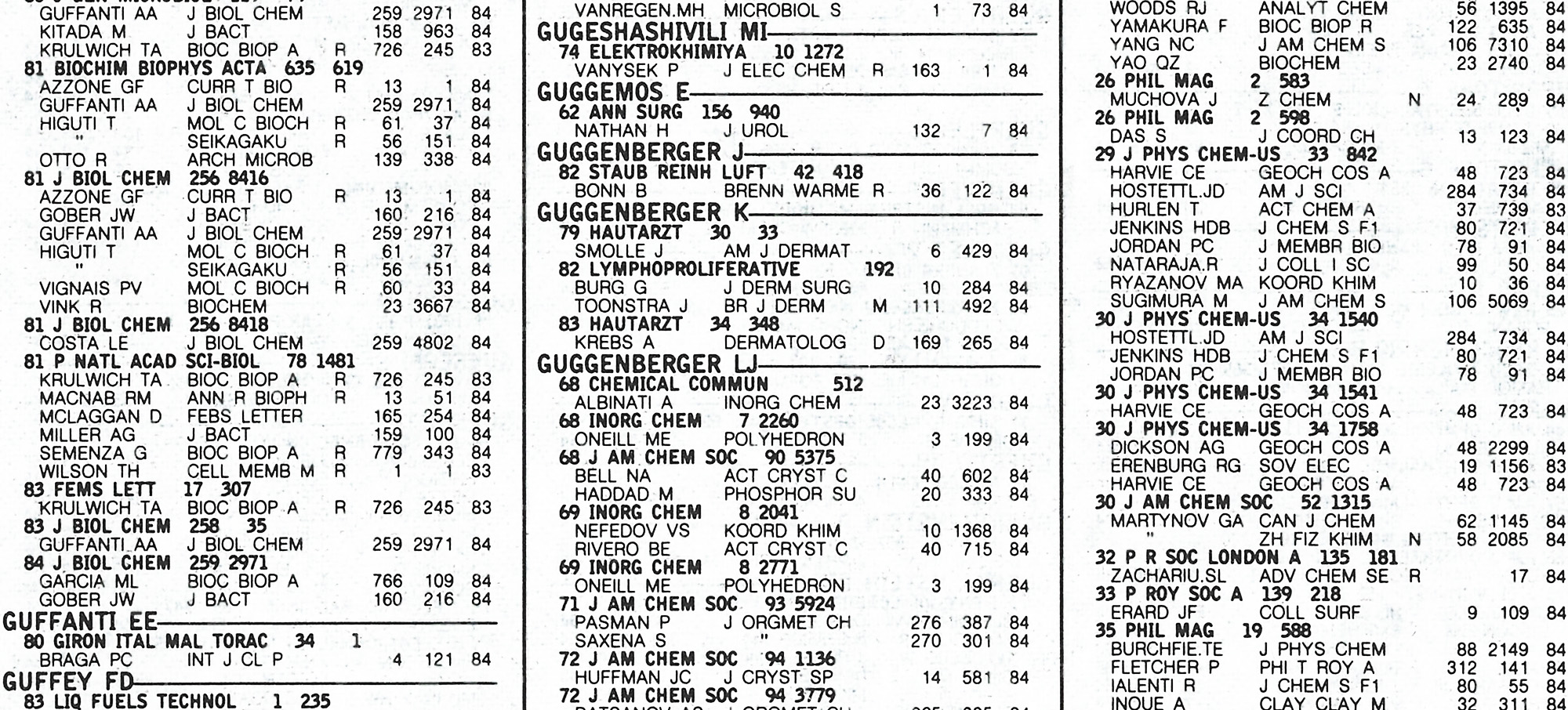
In a bona fide eureka moment, Garfield realized a similar system could help researchers in any discipline filter useful research from that which was irrelevant, redundant, fraudulent, or otherwise unhelpful. In 1955 he proposed a system of “thought indexes” to accomplish that task in a landmark paper for Science. Though the end result was no flashier than a telephone book, Garfield’s Science Citation Index (SCI) would revolutionize how science is undertaken and evaluated.
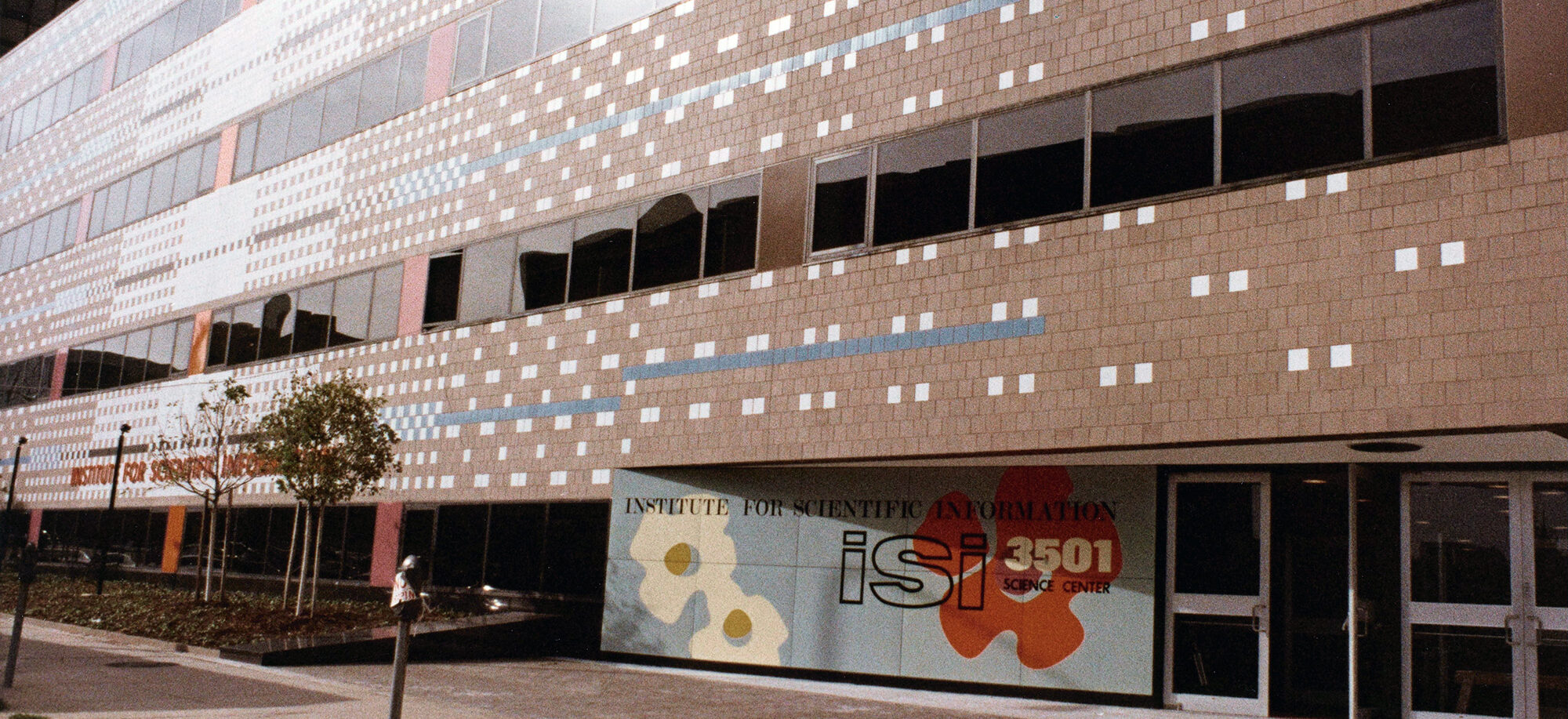
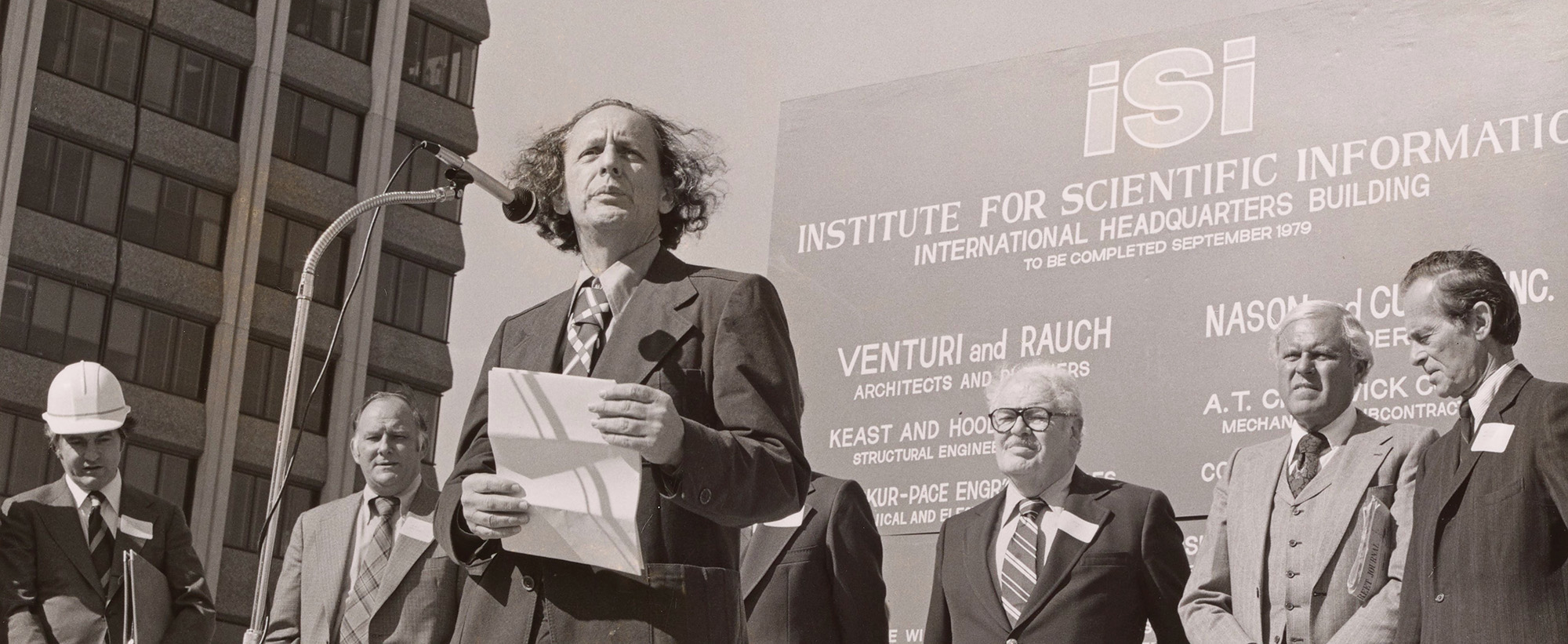
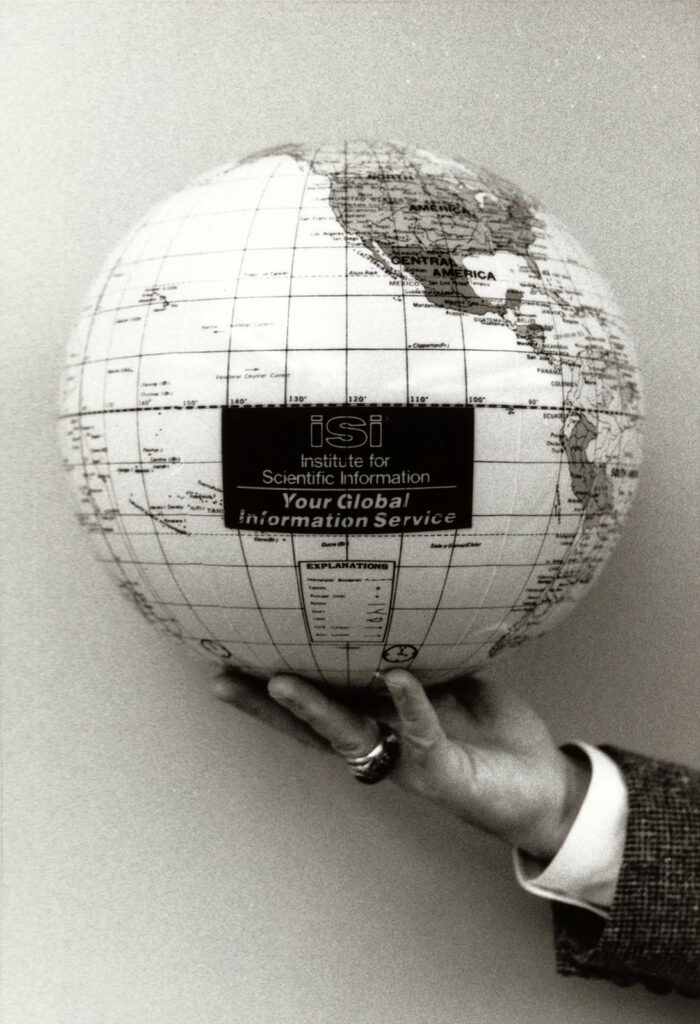
Garfield was no stranger to revolutionary ideas. Growing up in the Bronx during the 1930s, he was swayed early on by the teachings of his socialist uncles. He majored in chemical engineering as an undergraduate at the University of Colorado because they had dazzled him with romantic stories of labor organizing in the mines out West. But Garfield had an equally pronounced entrepreneurial streak, and by the late 1970s, he had spun his unique training in chemistry, librarianship, and linguistics into a sprawling Philadelphia-based technology company. His Institute for Scientific Information (ISI) was worth millions, and the SCI was one of many profitable patents and product lines offered to a list of well-heeled clients that included Nobel laureates and several top pharmaceutical companies.