A TYPICAL U.S. HOME is full of products that are dangerous if handled incorrectly, from cleansers under the kitchen sink to weed killers and antifreeze in the garage. Starting in the early 1920s, Congress passed laws that required warning labels on packages telling consumers how to treat these goods safely.
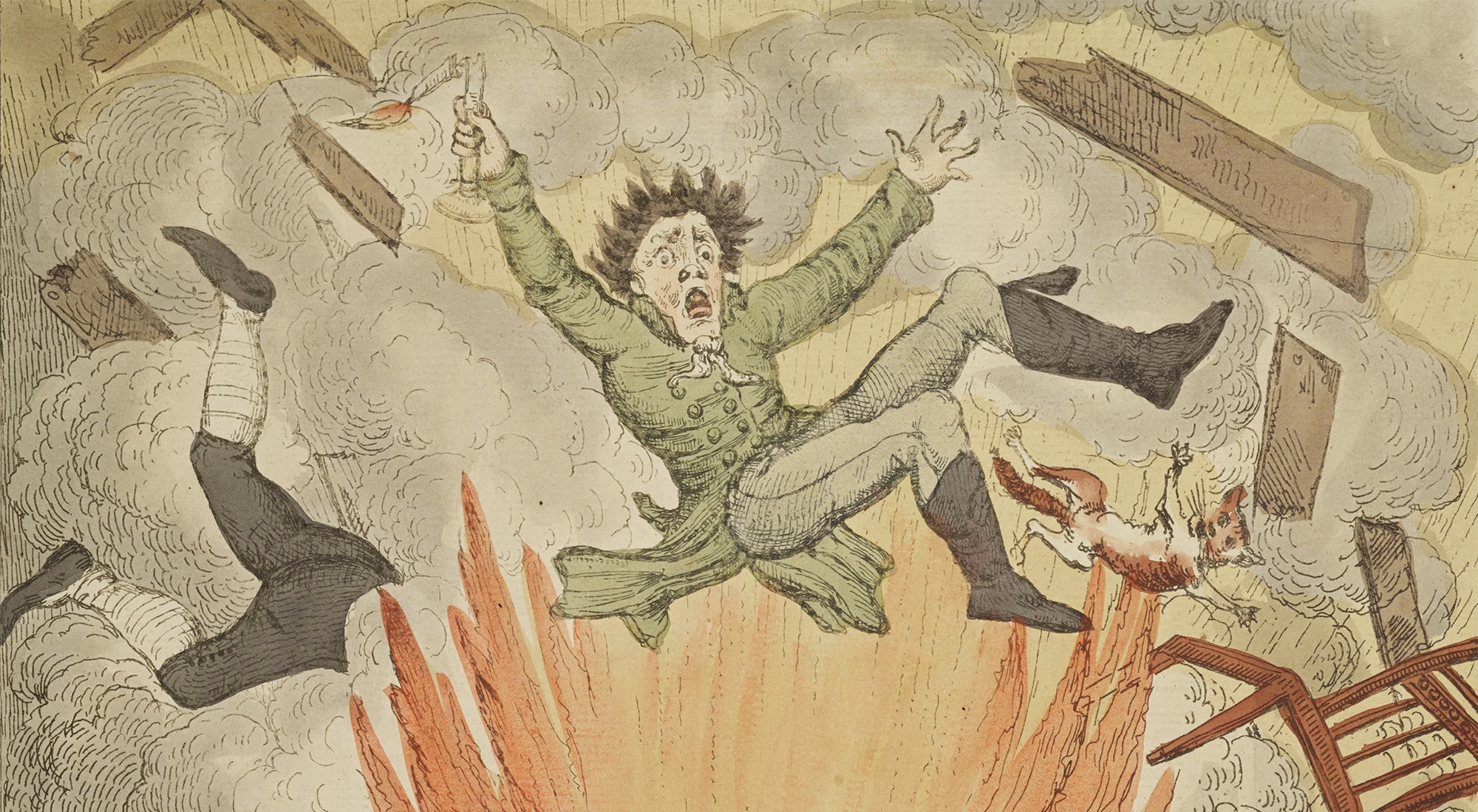
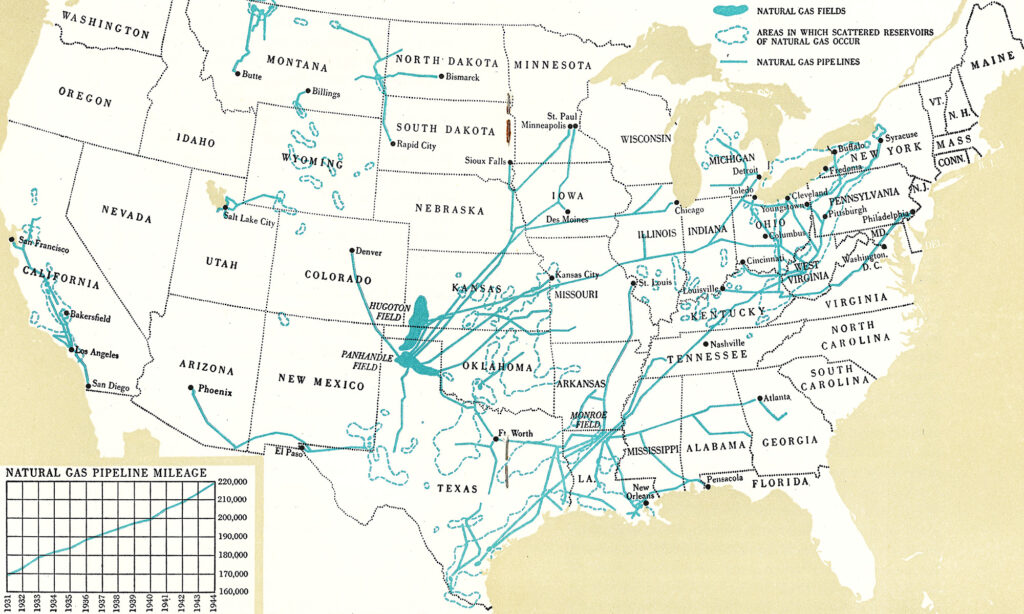
But what if your product arrives through underground pipes rather than in boxes or cans? That’s a central challenge for the natural gas industry. Gas provides more than one-third of the energy used in the United States: it fuels electric power plants and factories, as well as furnaces, stoves, and water heaters in millions of homes. Gas generates fewer pollutants when burned than oil or coal, and the United States produces more of it than any other nation, so it’s good for energy security. However, it’s also colorless, odorless, and highly flammable. Leaky or damaged gas lines can lead to deadly explosions.
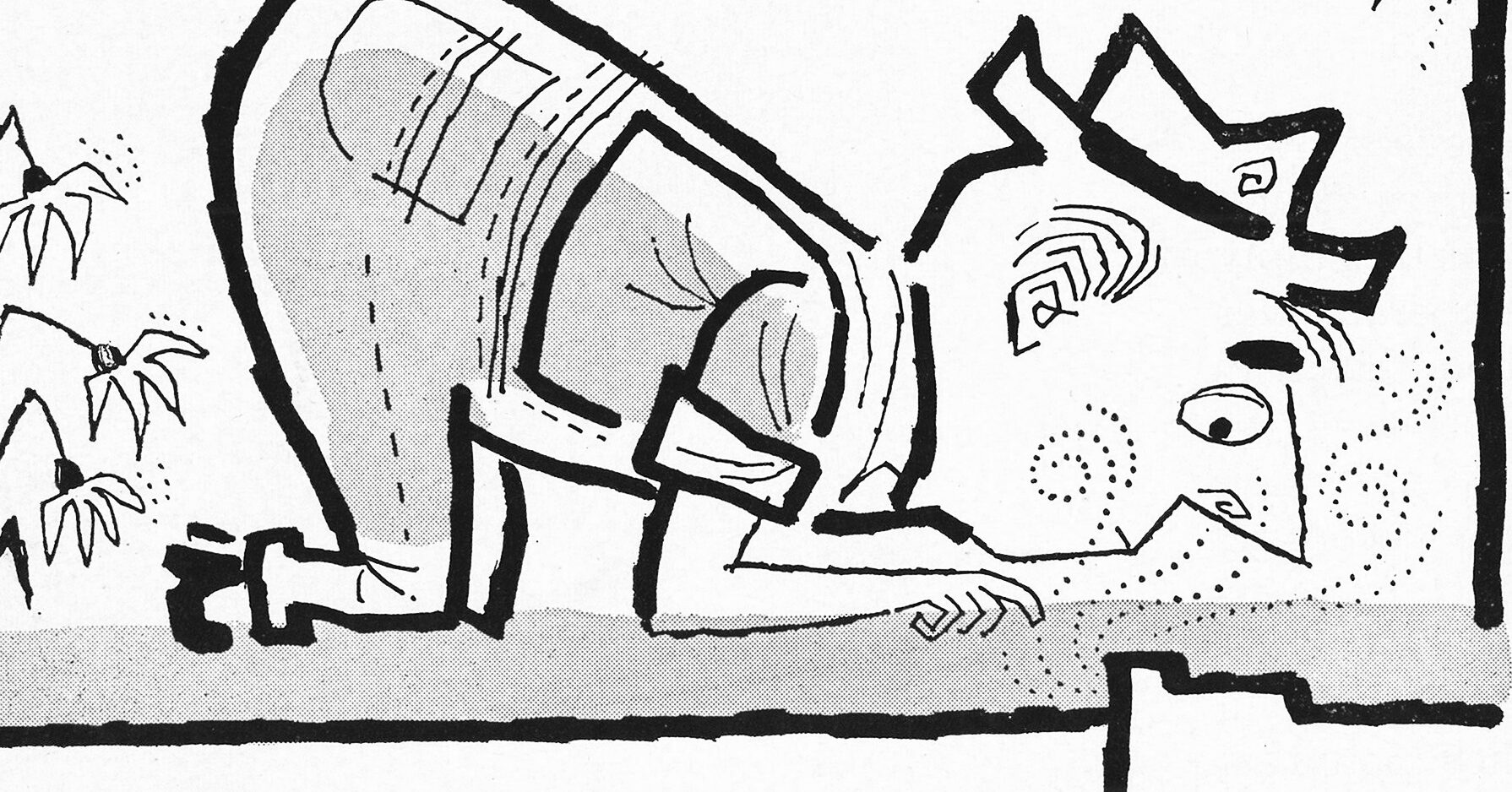
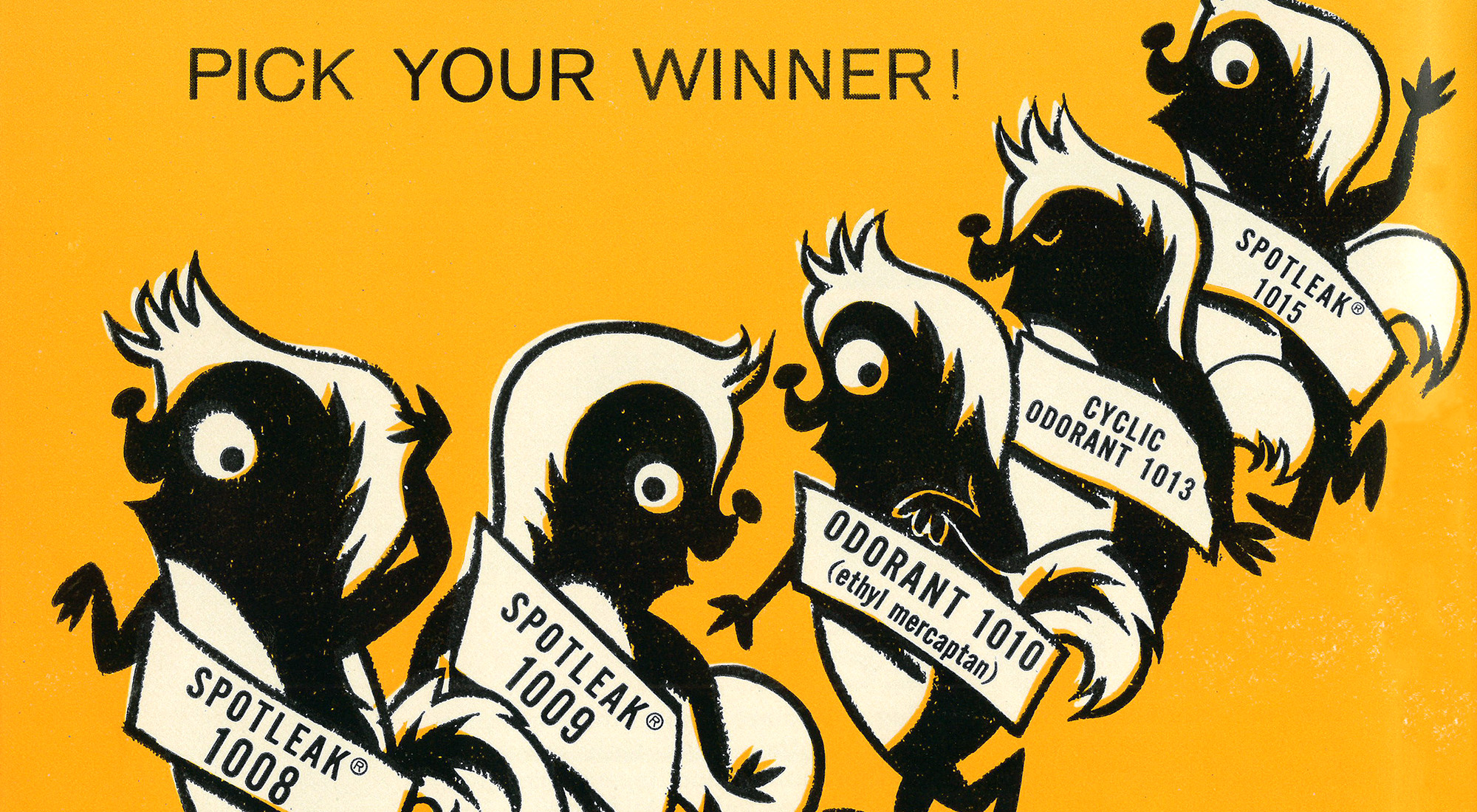
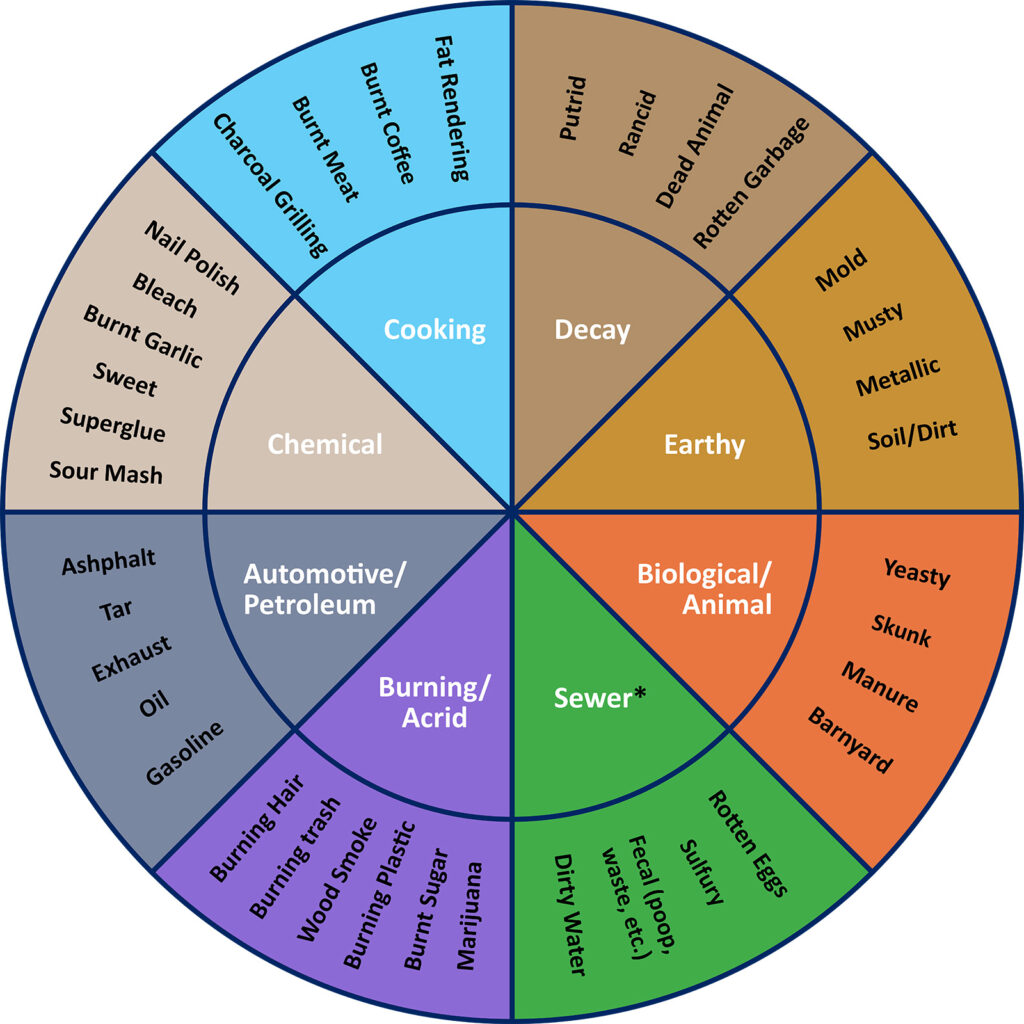
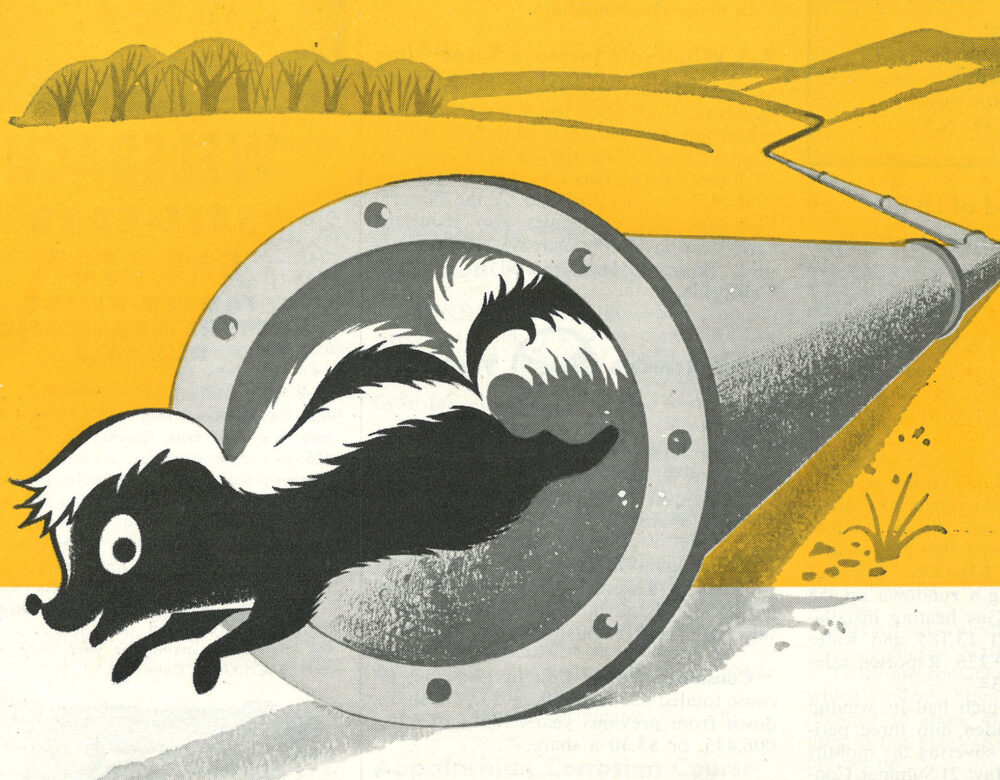
Without any obvious place to put a warning label, the gas industry uses a different approach. Distributors add mercaptans, also known as thiols. These organic compounds have a sulfur atom bonded to a hydrogen atom and, depending on who you ask, smell like rotten eggs, rancid cabbage, or skunk spray. Utilities tell customers, over and over, year in and year out, what that smell means and what to do if it’s detected: leave the room right away; don’t do anything that could create a spark; and call 911 or the gas company.
Gas companies repeat this message on inserts mailed with monthly bills and at school assemblies and community gatherings. Sometimes they get creative.
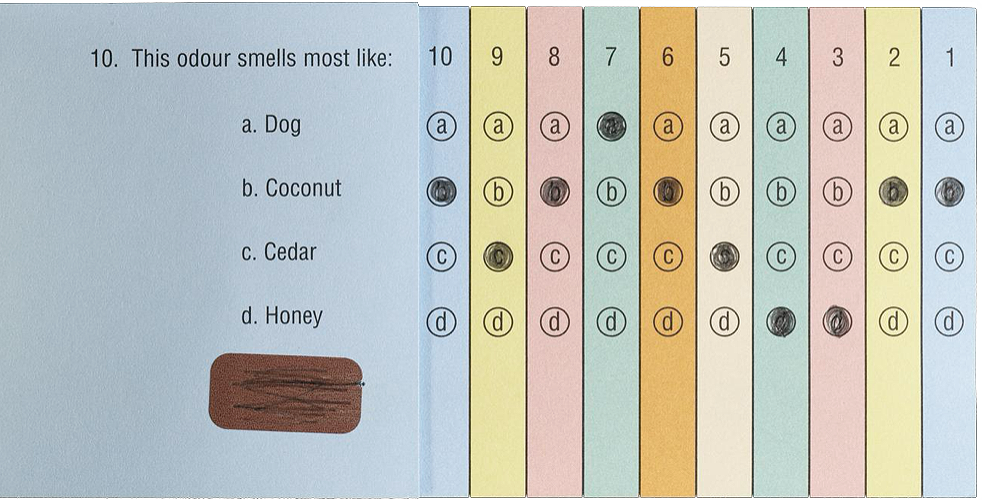
Baltimore Gas and Electric, the oldest gas utility in the United States, caused a stir in 1987 when it mailed 300,000 scratch-and-sniff cards impregnated with the smell of mercaptan to customers. The mailers got the point across, although not as the utility intended. The cards were dosed so strongly that the odor leaked out of the envelopes. Baltimore’s firehouses were swamped with calls from residents who thought gas might be wafting into their homes.
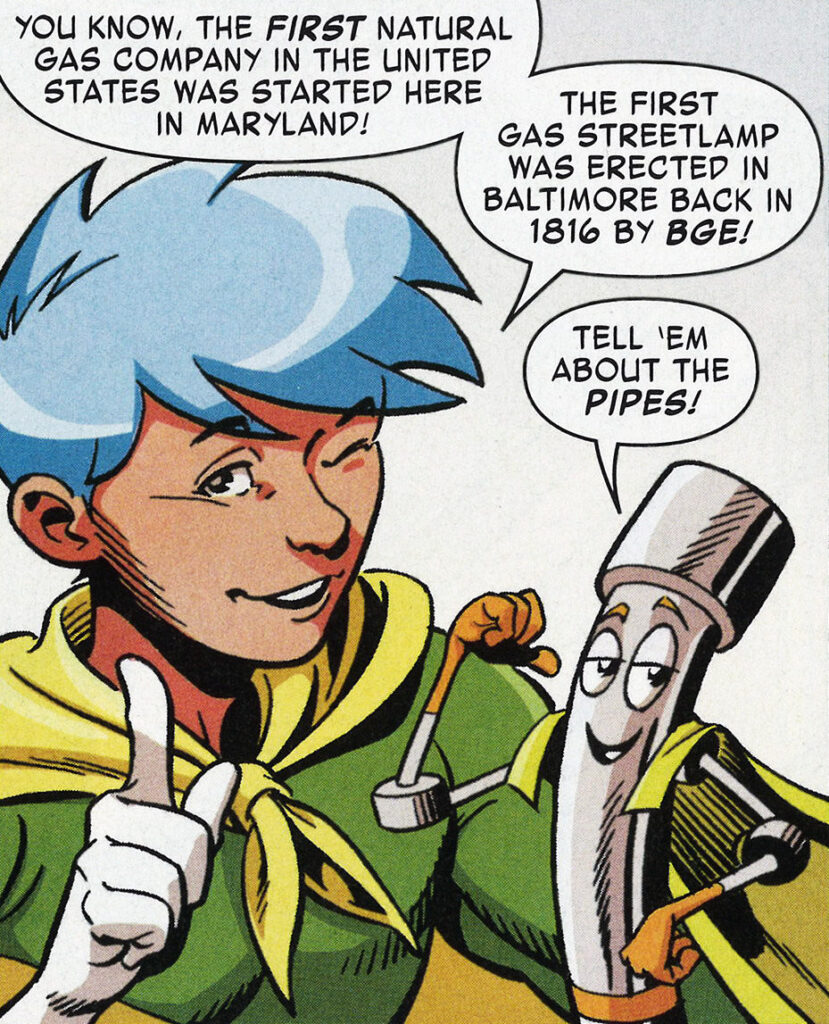
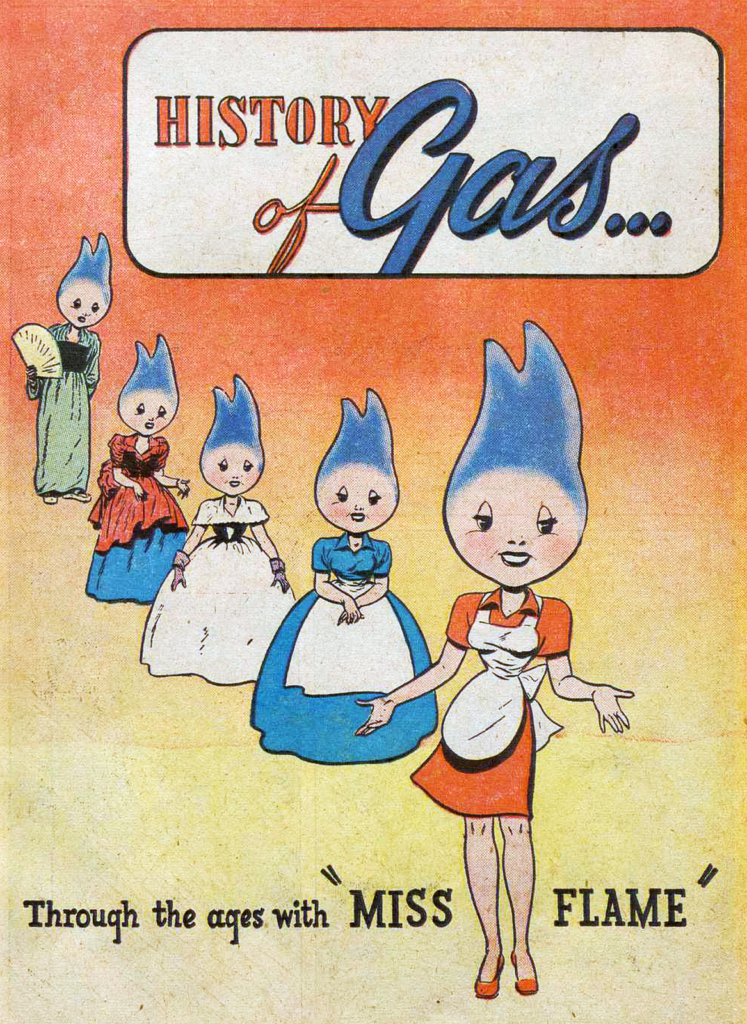
BGE had more success in 2014 when it debuted Captain Mercaptan, an earnest caped crusader with a shock of blue hair resembling a gas flame. In costumed school appearances, social media posts, and a custom-edition Marvel comic, our hero, who is still on the beat, tells kids what to do at the slightest whiff of danger.
Captain Mercaptan may be the most niche character in the Marvel universe, but the mantra to act fast when you smell gas has prevented innumerable accidents, deaths, and injuries since the mid-20th century. As a safety tool, though, odorizing natural gas doesn’t really have an analog. Why? The answer lies in the smell itself—its history and the science that tries to understand it.