
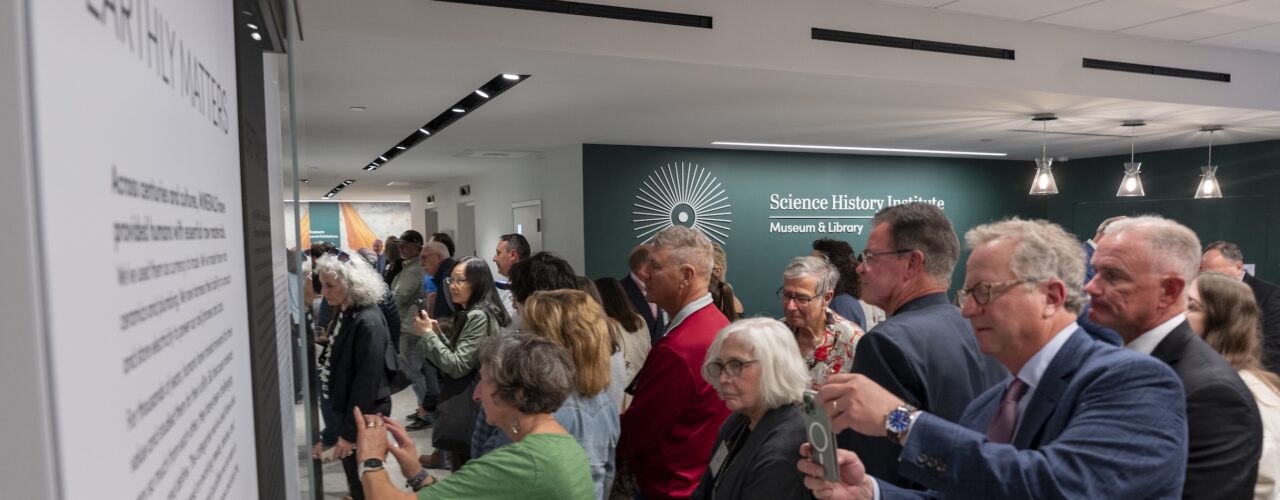
Science History Institute Unveils New Mineral Exhibition at Packed Opening Celebration
Ribbon cutting officially opens Earthly Matters and brand-new gift shop, marking the completion of the Institute’s major lobby renovation.
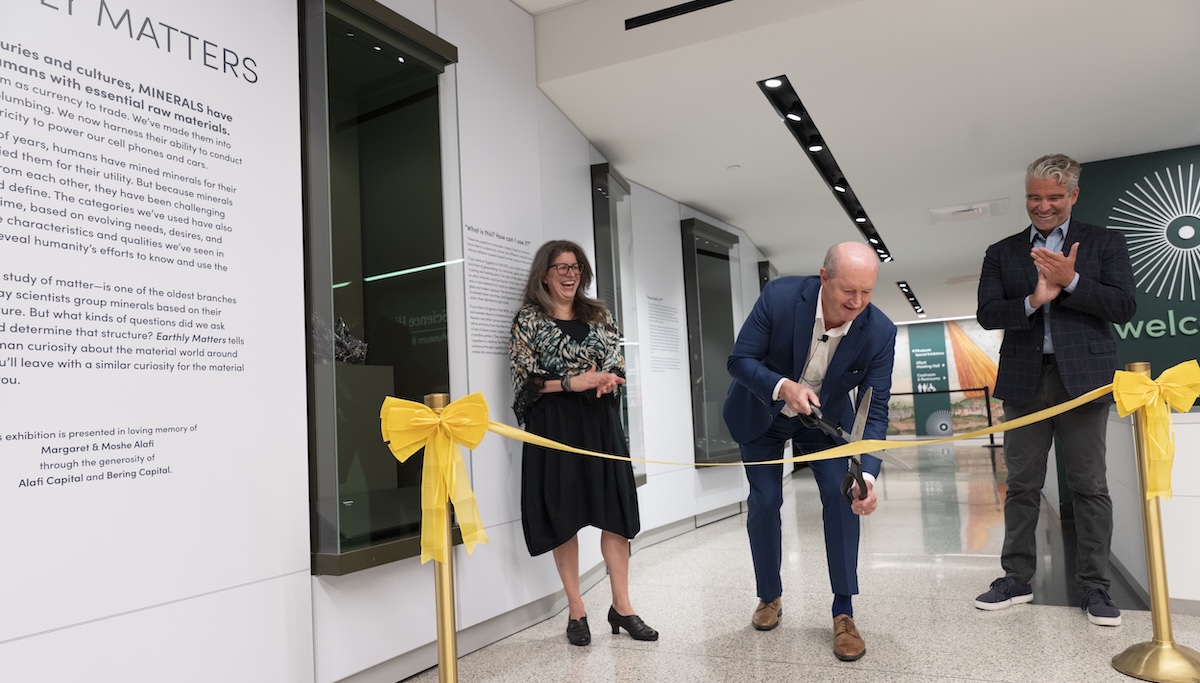
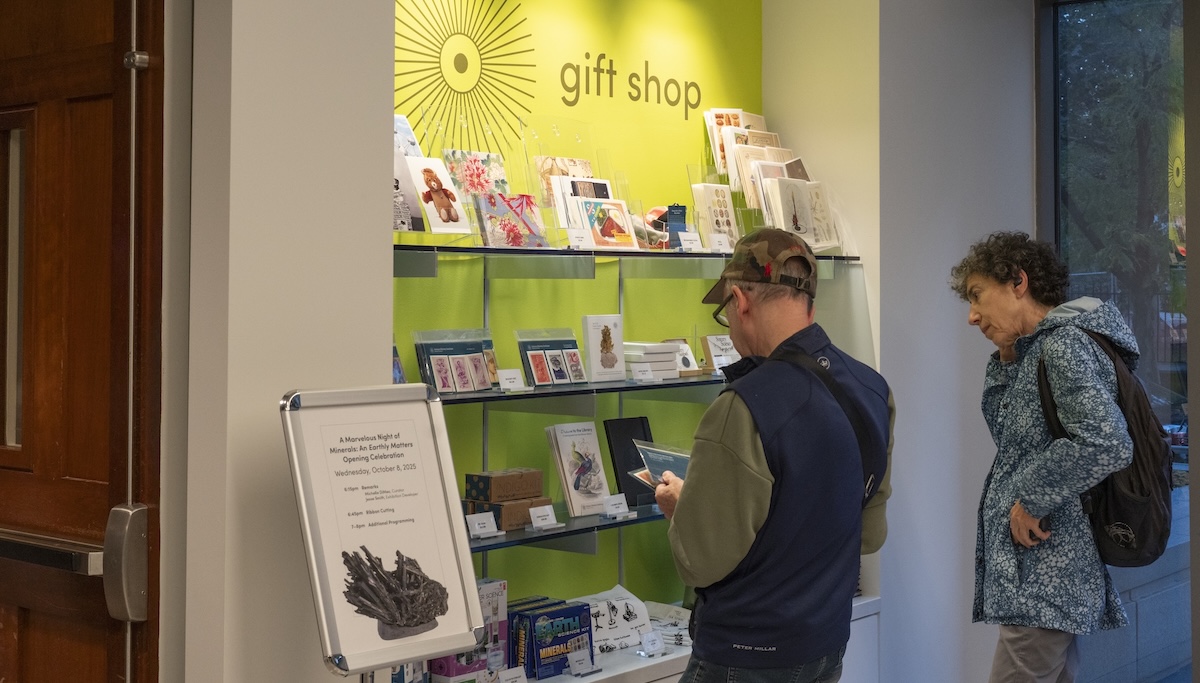
The Science History Institute welcomed a lively crowd of more than 300 to the opening of our new permanent exhibition, Earthly Matters. Held on Wednesday, October 8, the multifaceted celebration featured a ribbon cutting ceremony to officially unveil our recently renovated lobby, which includes our new “hall of minerals” exhibit space, gift shop, and welcome desk.
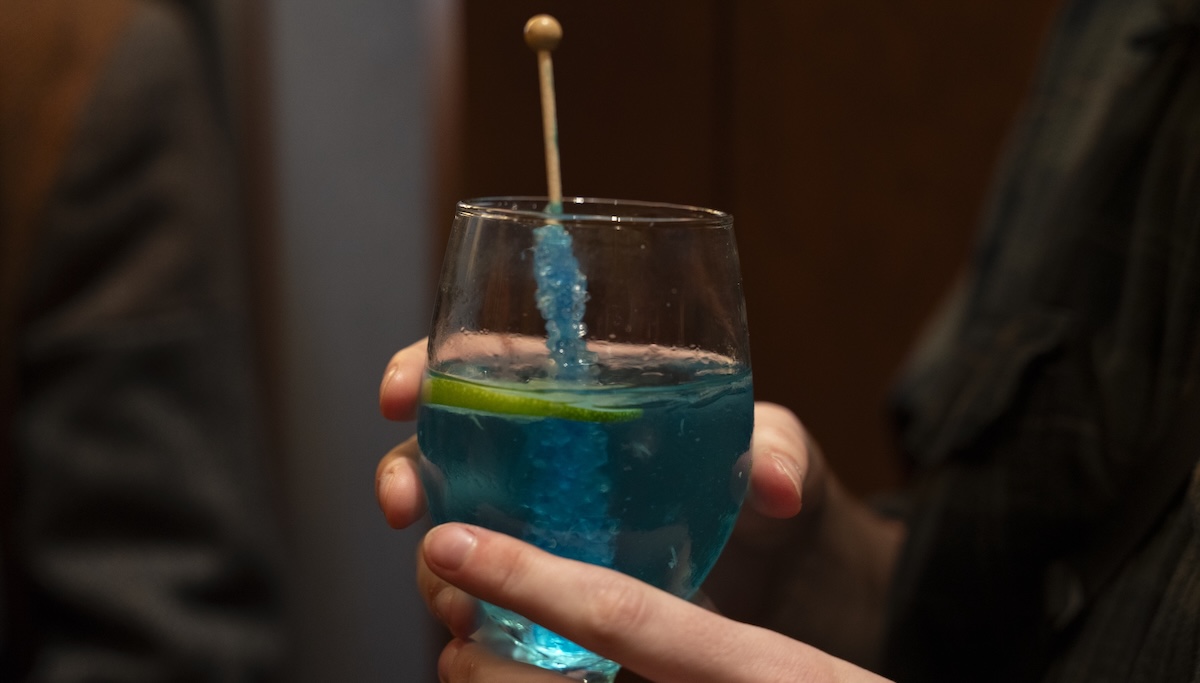
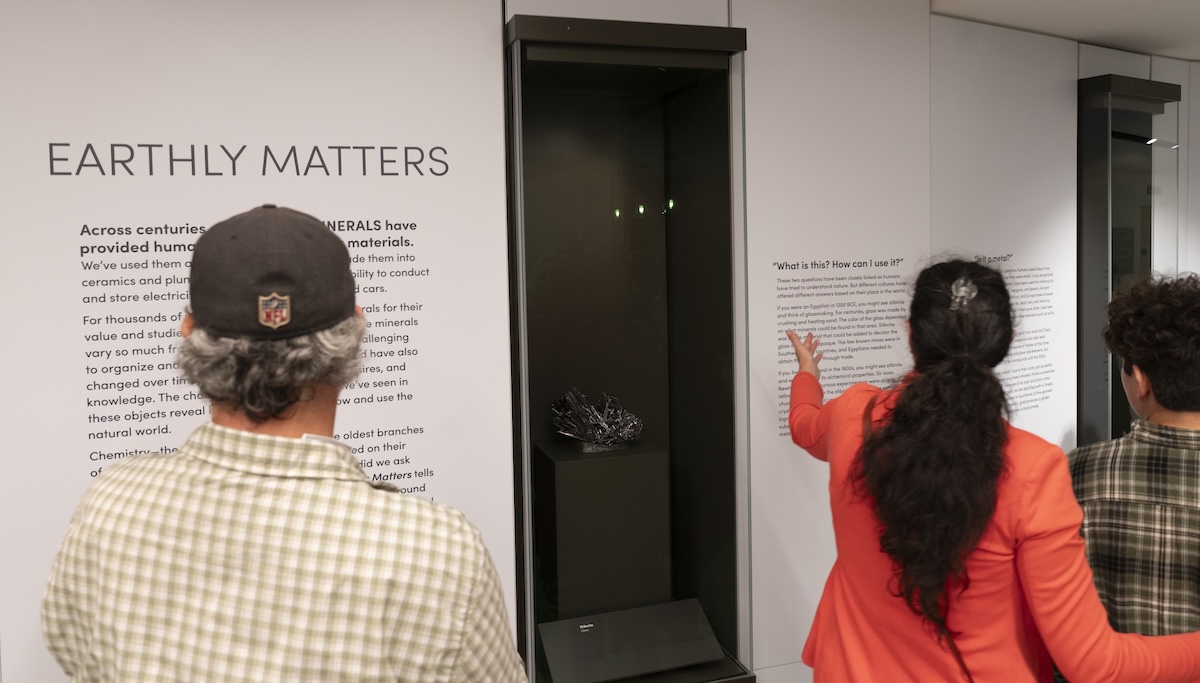
In addition to getting a first look at our unique display of such minerals as stibnite, aquamarine, fluorite, gold, and a 1-million-year-old meteorite, guests also enjoyed light hors d’oeuvres and a glowing “Gem and Tonic” cocktail featuring a rock-candy-on-a-stick stirrer.
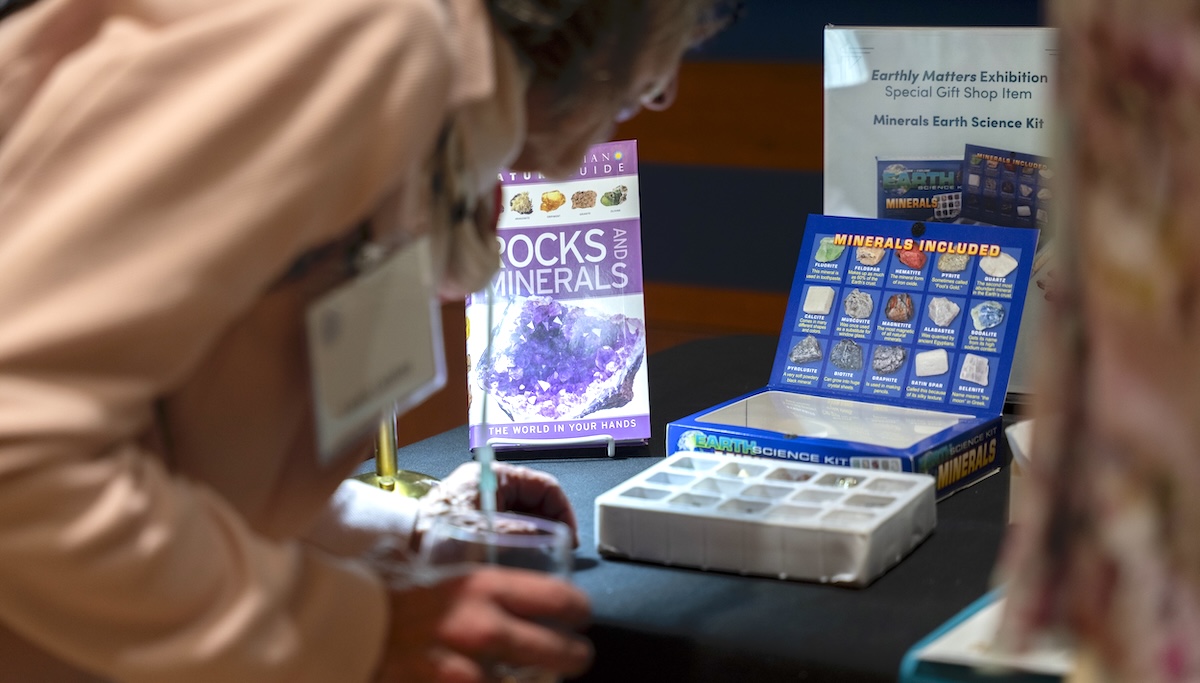
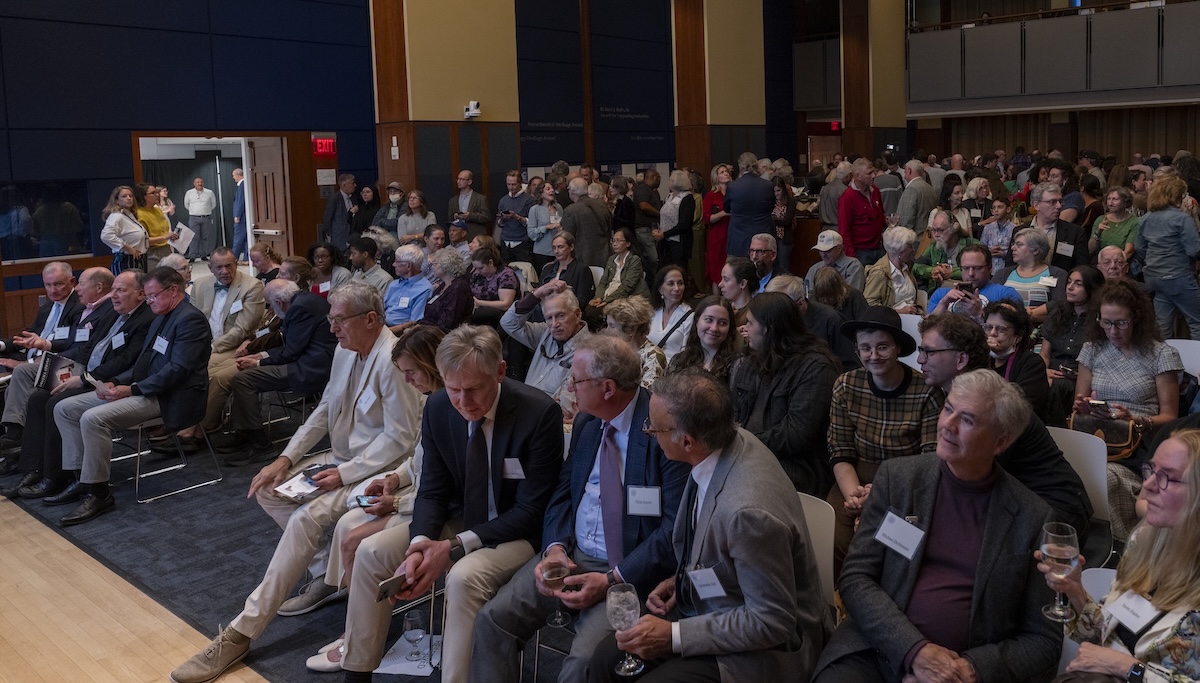
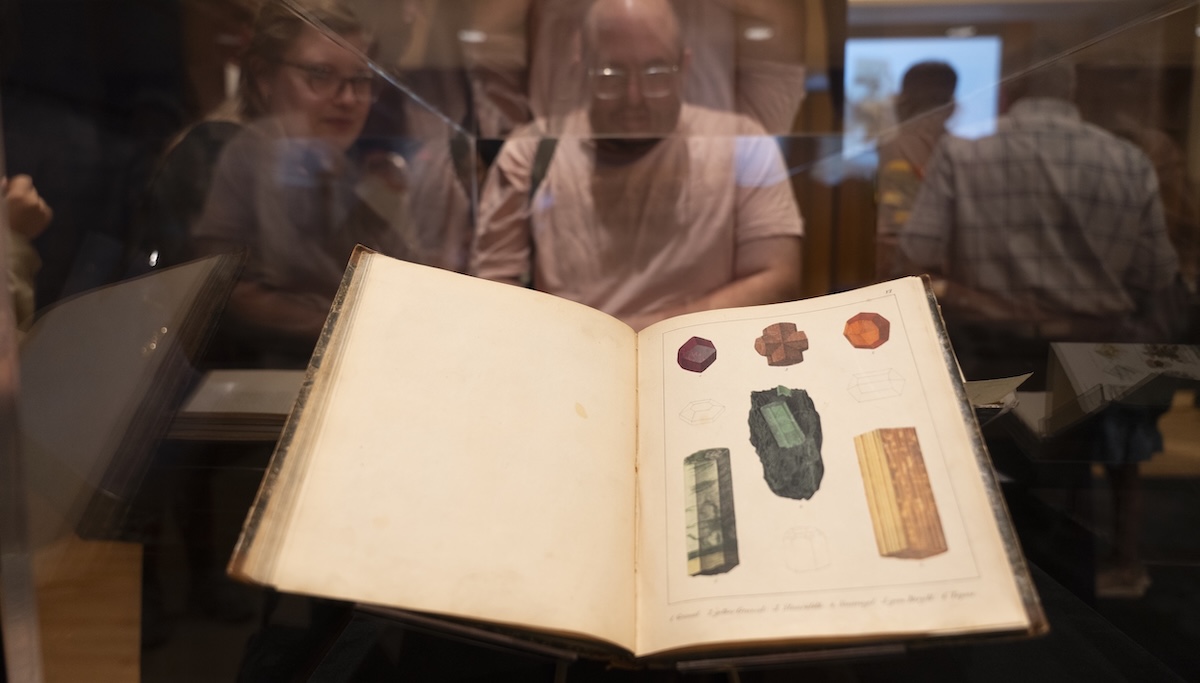
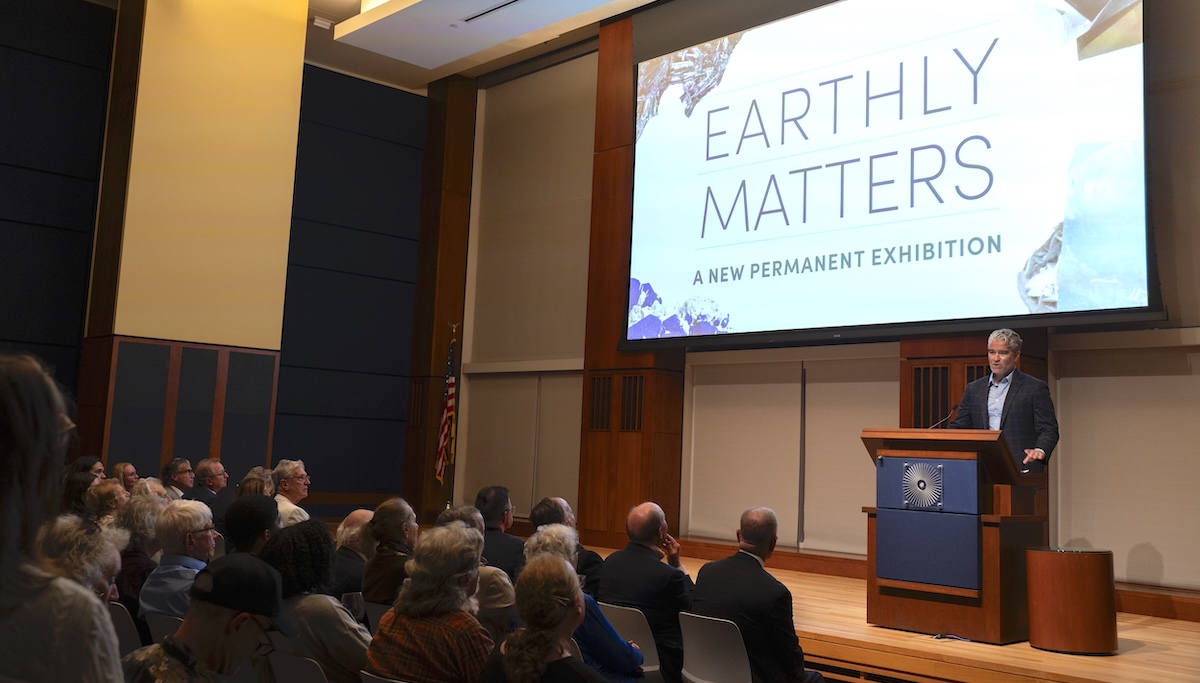
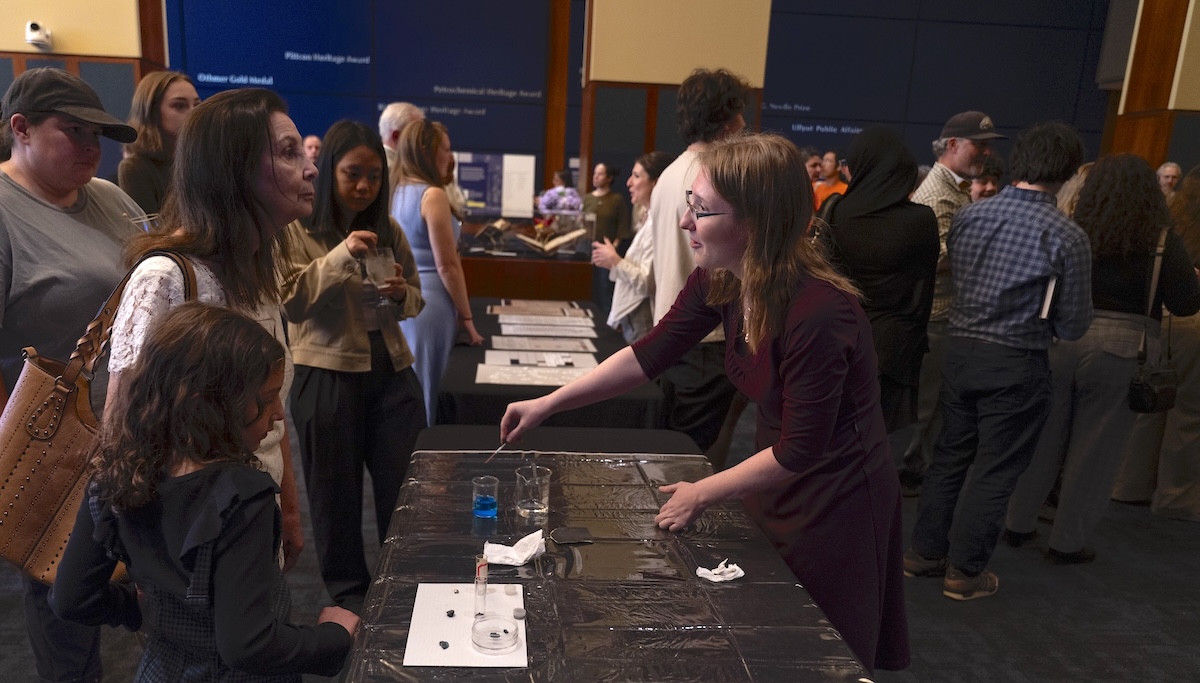
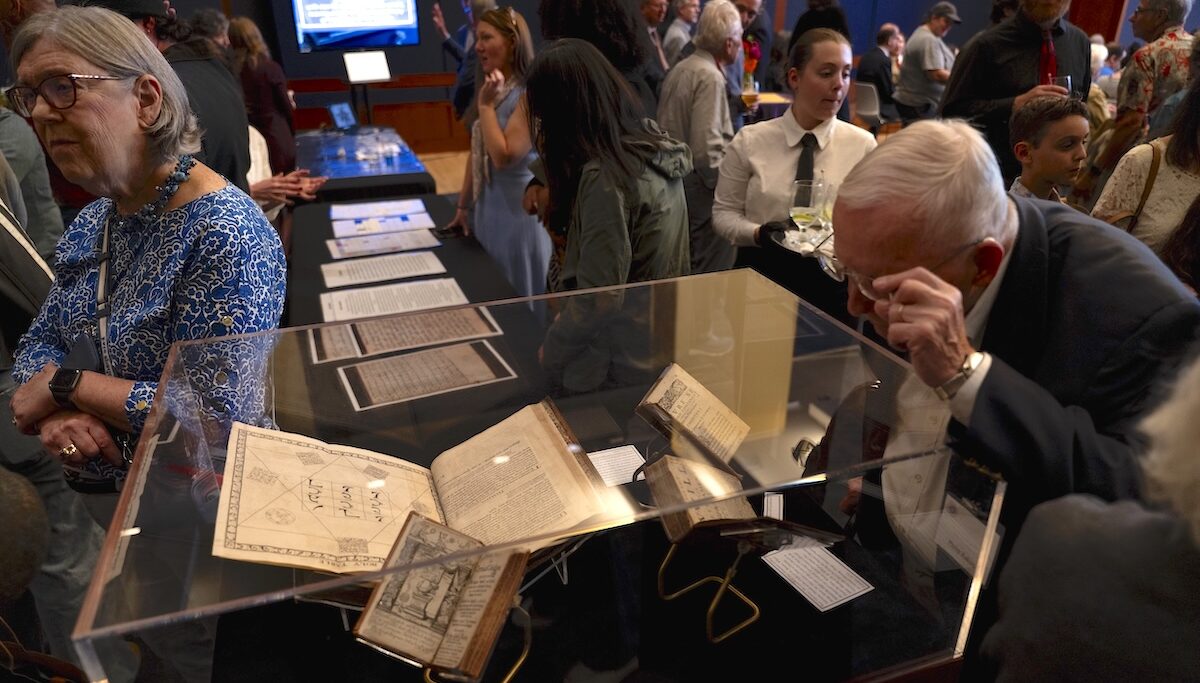
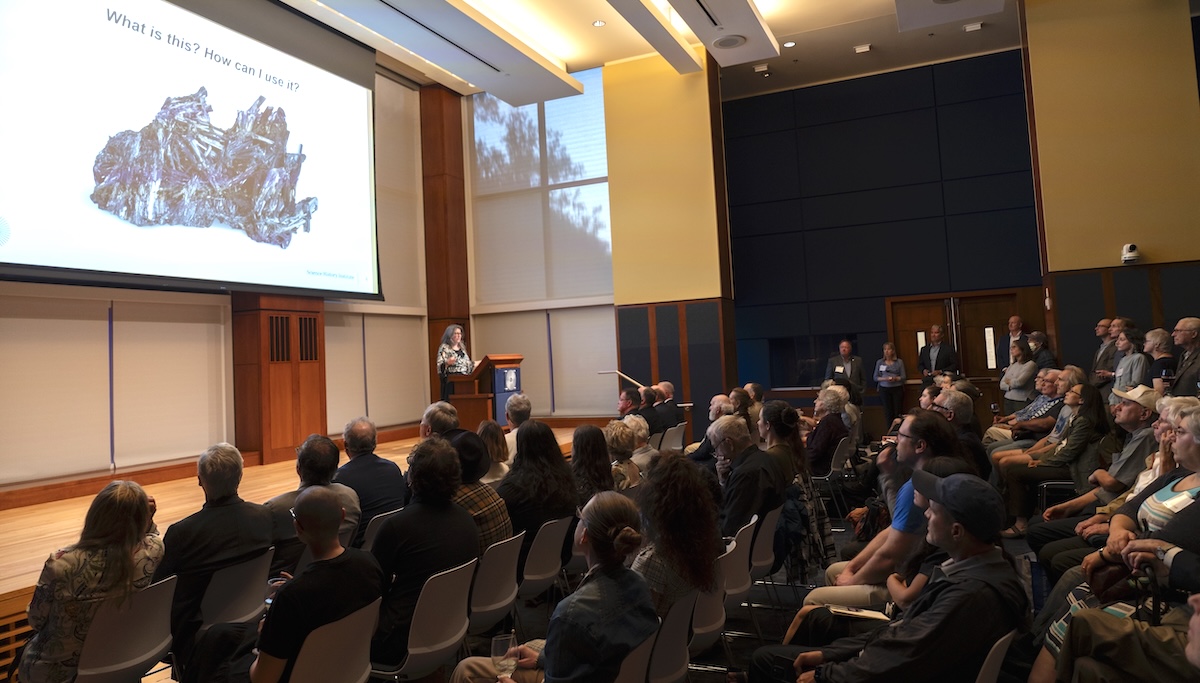
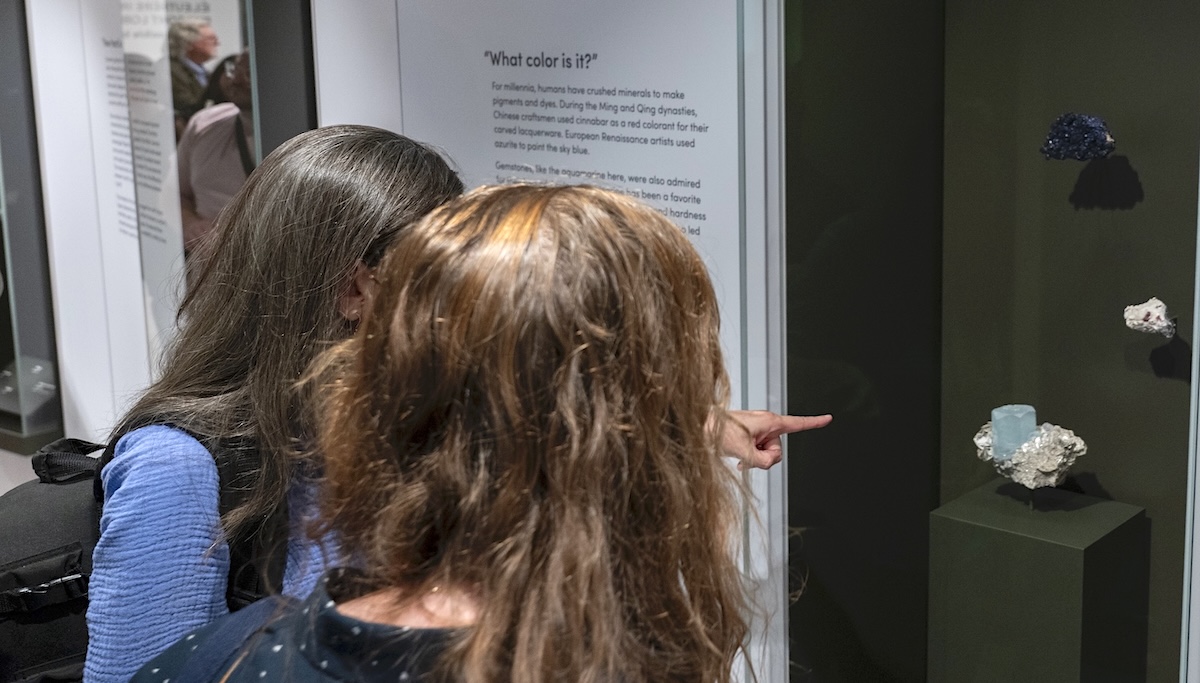
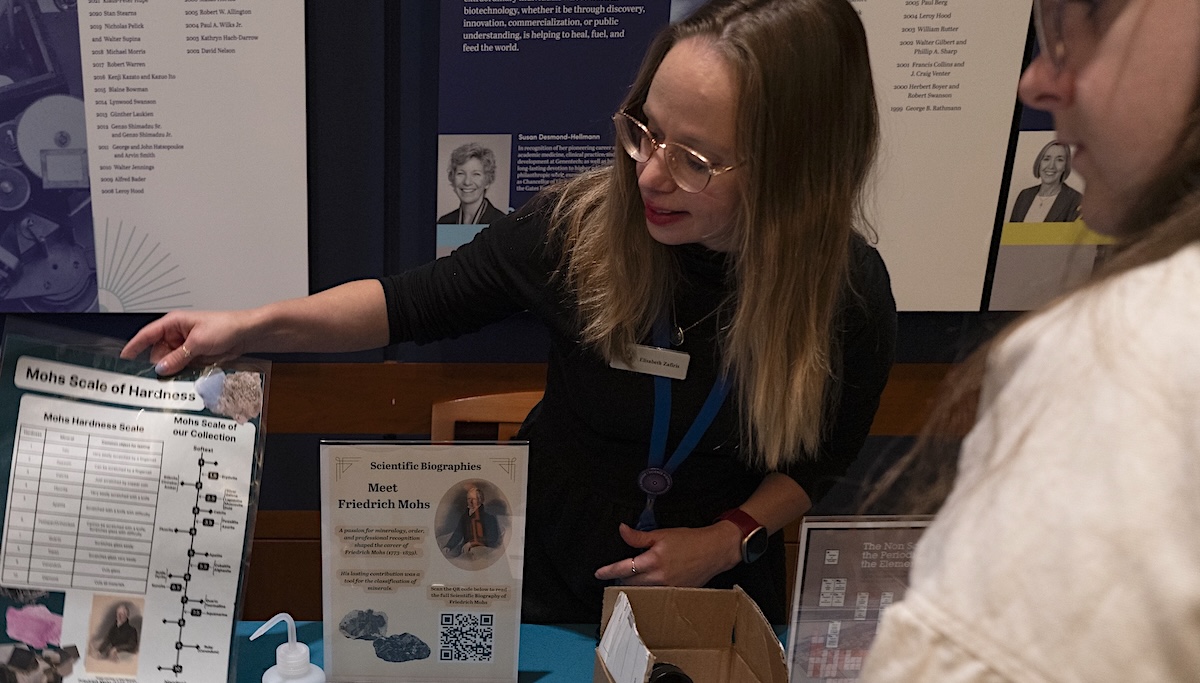
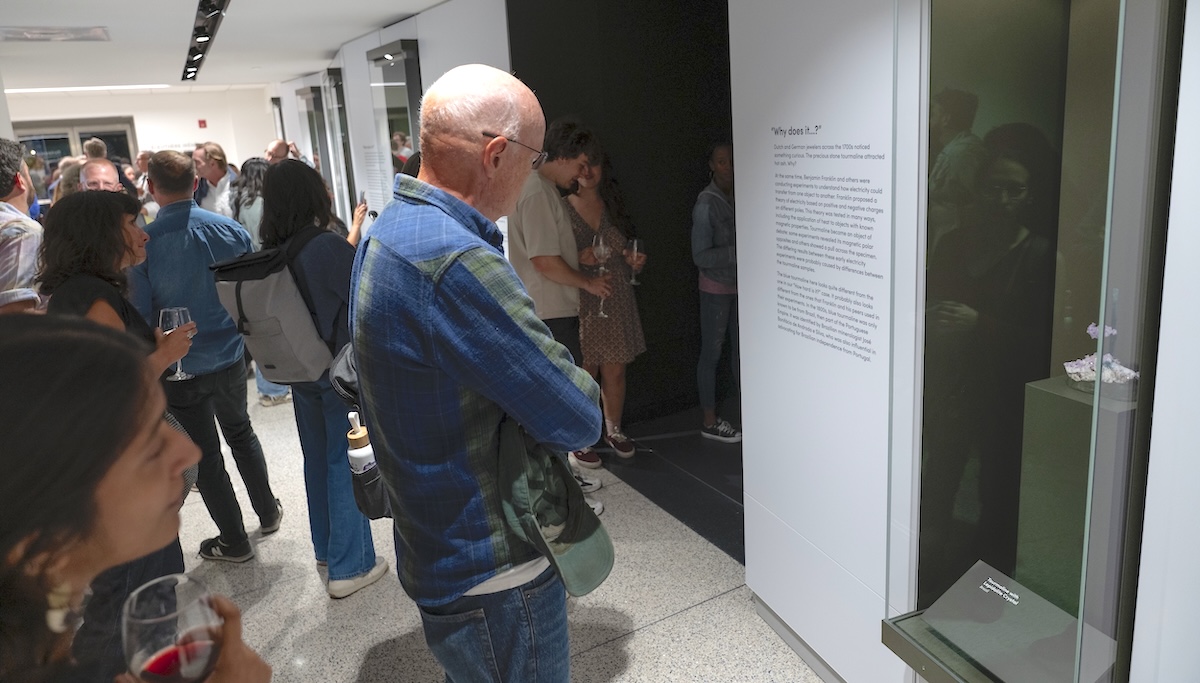
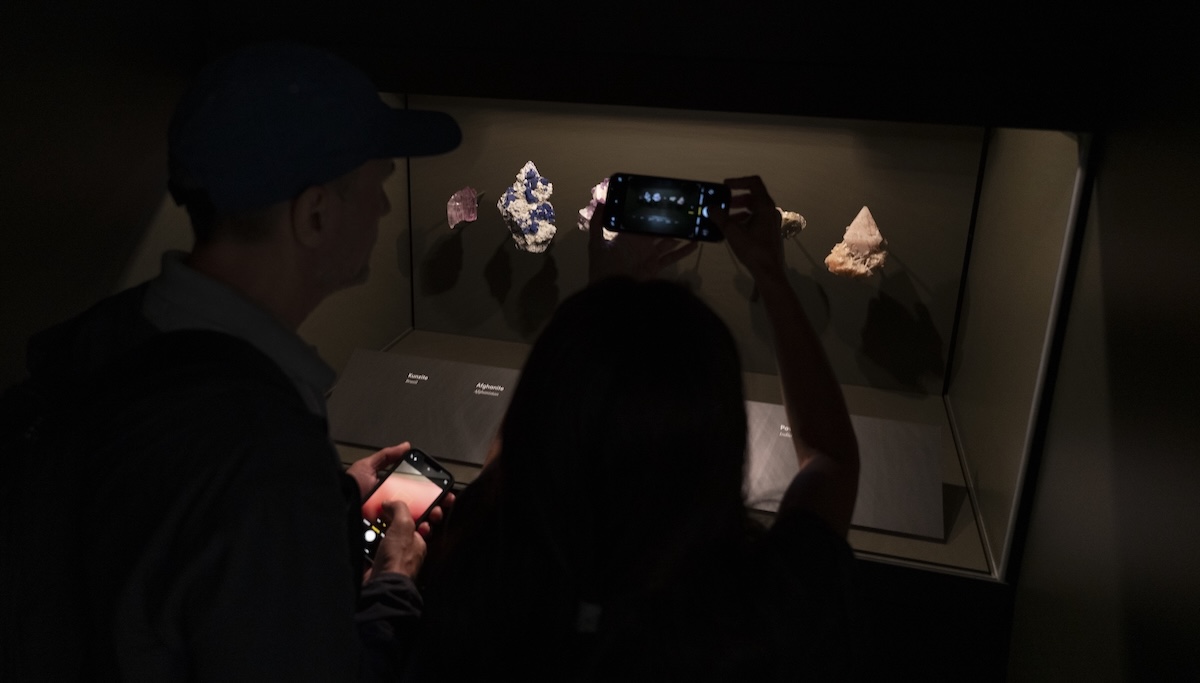
Curator Michelle DiMeo and exhibition developer Jesse Smith gave the packed house a behind-the-scenes tour of Earthly Matters, complete with fascinating stories of how humans have mined, studied, and categorized minerals for thousands of years. The event also included an interactive table featuring experiments using the mineral hardness scale created by Friedrich Mohs in 1812 (and still used today) and color streak tests. Visitors also learned about fluorescence and the chemical properties of the minerals in our collection, and viewed historic periodic tables and a display of alchemical texts and rare books on minerals from our library collection.
As part of the Institute’s Rohm and Haas Fellow in Focus lecture series, former Institute scholars Megan Piorko and Meagan Allen greeted guests at the “Producing the Philosophers’ Stone” table. Piorko had attendees try their hand at solving the first line of a 17th-century ciphertext containing a partial recipe for creating the legendary substance, which alchemists believed could turn base metals like lead and iron into gold. Allen demonstrated how she made an amalgam from mercury and gold, while a video of her smelting the element antinomy in a lab looped on a video screen.
Earthly Matters is open to the public Wednesday through Saturday, 10am to 5pm; admission is free.
About Earthly Matters
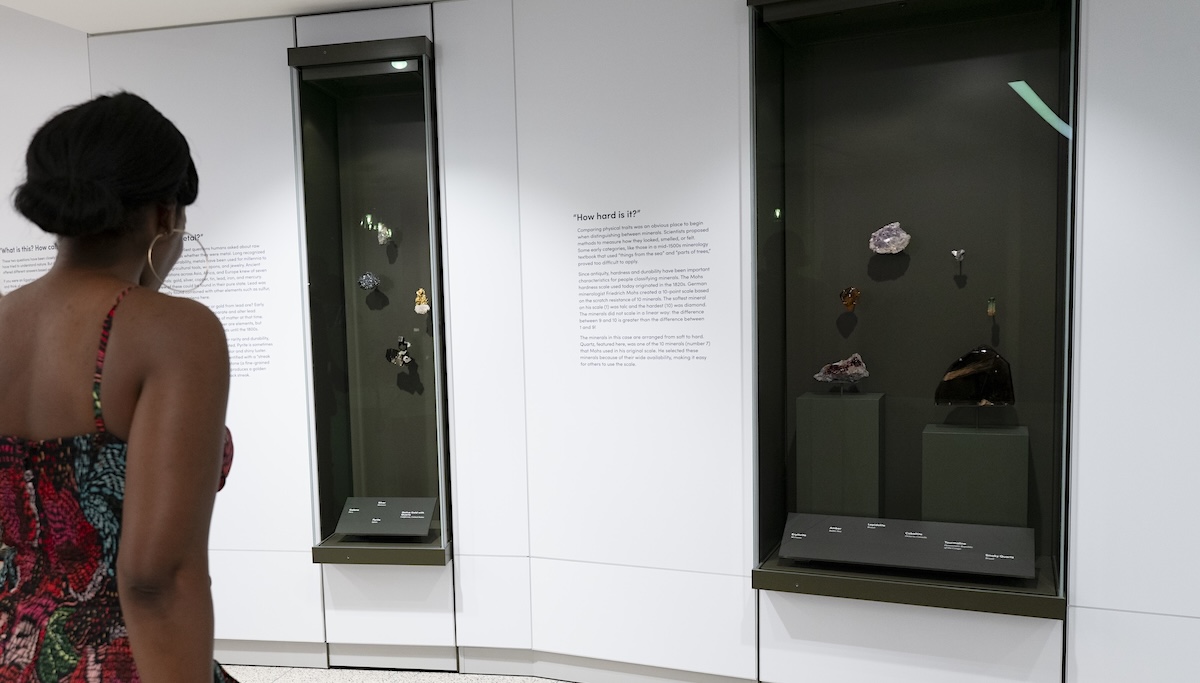
Earthly Matters is the Science History Institute’s new permanent exhibition that explores the history and science behind a collection of more than 20 recently donated minerals. On display in seven custom cases—including one featuring glowing specimens under special ultraviolet lighting—these elements, crystals, gemstones, and precious metals tell stories of human curiosity about the natural world around us.
Media Coverage
Earthly Matters is featured in the following media outlets:
FOX 29’s Drew Anderson Takes Field Trip to See Science History Institute’s Brand New Mineral Exhibit
FOX 29 | October 10, 2025
Glowing Minerals and a Meteorite Will Now Be on Permanent Display at the Science History Institute
PhillyVoice | October 9, 2025
Support
Earthly Matters is presented in loving memory of Margaret & Moshe Alafi through the generosity of Alafi Capital and Bering Capital.
All images: Science History Institute/Meredith Edlow
More News
New Alchemy Exhibition Draws Sold-Out Crowd to Opening Celebration
Attendees take an up-close look at paintings and rare books from the Institute’s Fire and Gold exhibit while enjoying a curator’s talk, activities, and light bites.
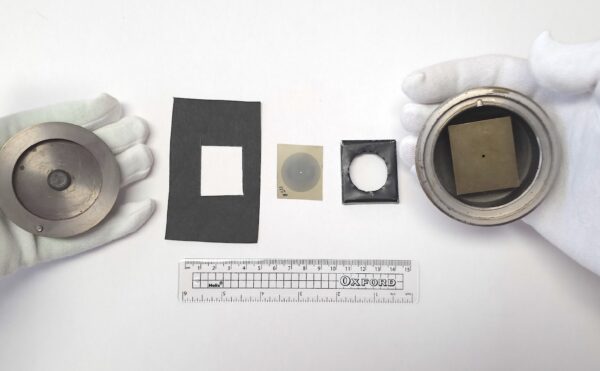
New Research Challenges Misconceptions about Rosalind Franklin’s Famed ‘Photo 51’ and the Discovery of DNA’s Double Helix
Paper by the Science History Institute’s Alistair Sponsel and King’s College London’s Brian Sutton uncovers the significance of her previously captured Photo 49.
Science History Institute Launches New Season of ‘Distillations’ Podcast
American Vice takes listeners from cigarettes and alcohol, to fireworks and LSD with weekly episodes starting September 15.