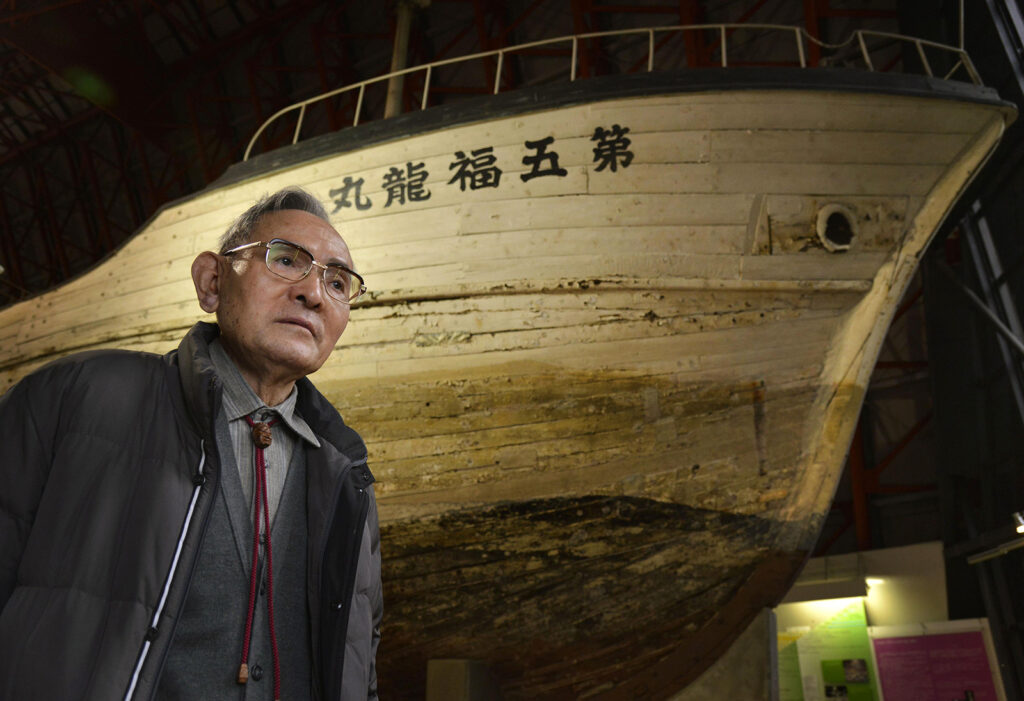
In the predawn hours of March 1, 1954, Japanese fishermen aboard the Lucky Dragon, a tuna trawler drifting in the central Pacific, looked up to see an astounding sight: a tremendous yellow flash lit up the western skies, and a pink fireball ascended, turning brilliant orange. “The sun rises in the west!” exclaimed one in awe.
The fireball spewed a massive, umbrella-shaped cloud that soared into the heavens, then the skies grew black again. A few minutes later, a loud rumbling “came up from the ocean floor like an earthquake,” wrote Ōishi Matashichi, one of the 23 fishermen aboard. The crew dove for cover, fearing a bomb had been dropped.
To Matashichi, who had just turned 20, the voyage seemed jinxed from the start. The ship’s regular captain stayed behind to have surgery; the inexperienced skipper who replaced him ran the ship onto a sandbar within the first two hours. Three days of fierce storms followed, nearly capsizing the ship. Strong currents stole half their nets. After weeks of sailing, their catch was so paltry the captain finally turned the ship toward the Bikini Atoll, where the waters were rich with yellowfin tuna; they had arrived mere hours before the explosion lit up the night sky.
Alarmed, the captain announced an end to the voyage. But the misadventures weren’t over. Clouds rolled in, and a sticky dust floated down. Snow-like in appearance, the mysterious flakes were gritty and tasteless, said those who sampled them. For two hours it fell, piling up so thickly the crew’s feet made tracks across the deck. “No one was aware of the sad fate toward which, willy-nilly, we were being drawn,” Matashichi wrote of that morning. “We just kept pulling in the lines.” Shortly before noon, the Lucky Dragon set off for Japan, 2,500 miles to the northwest.
Even though the crew washed down the deck, remnants of the dusty flakes remained. Some kept paper-wrapped samples as mementos, but mementos of what was a mystery.
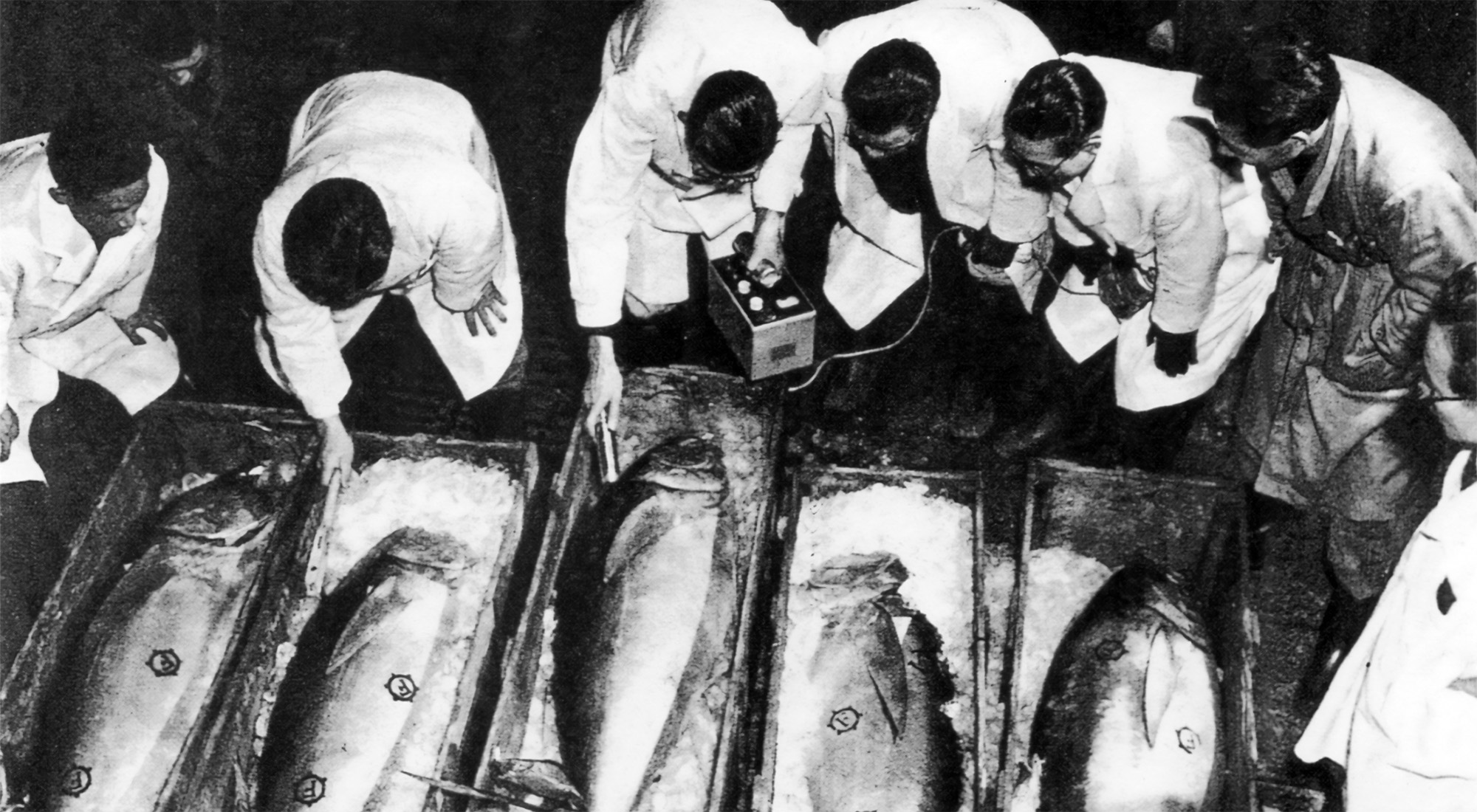
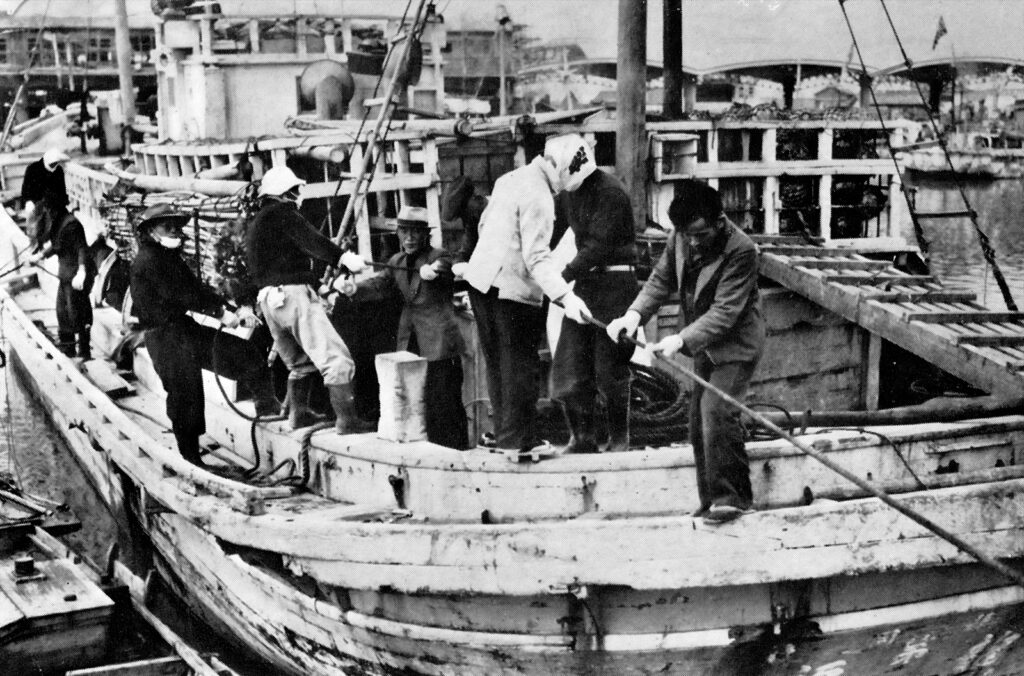
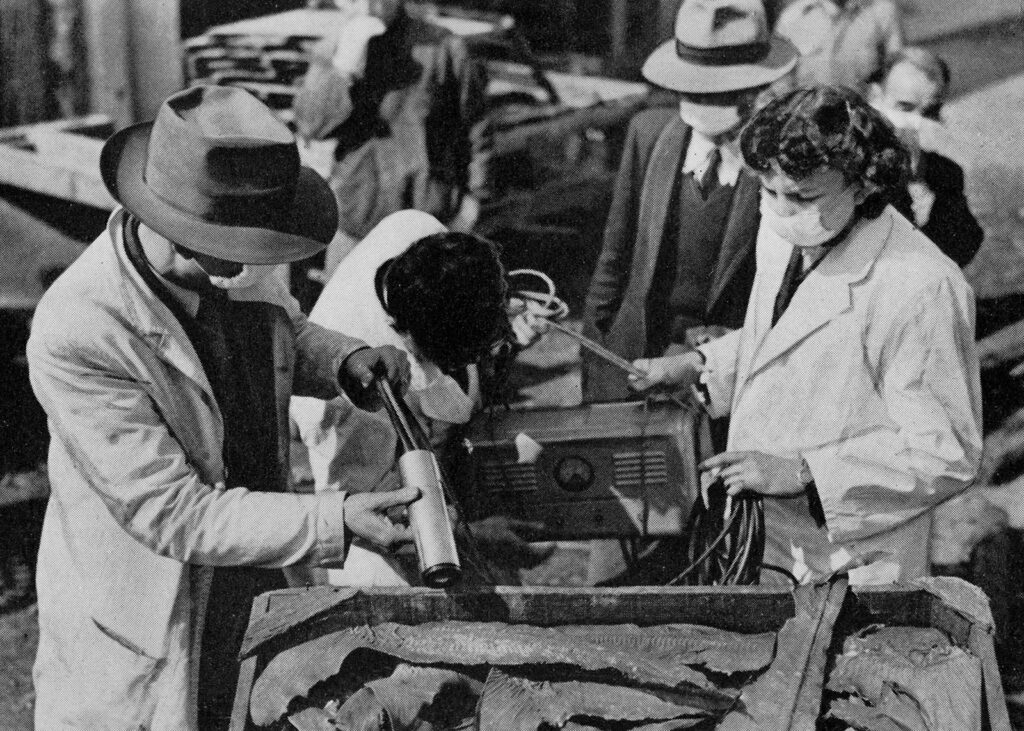
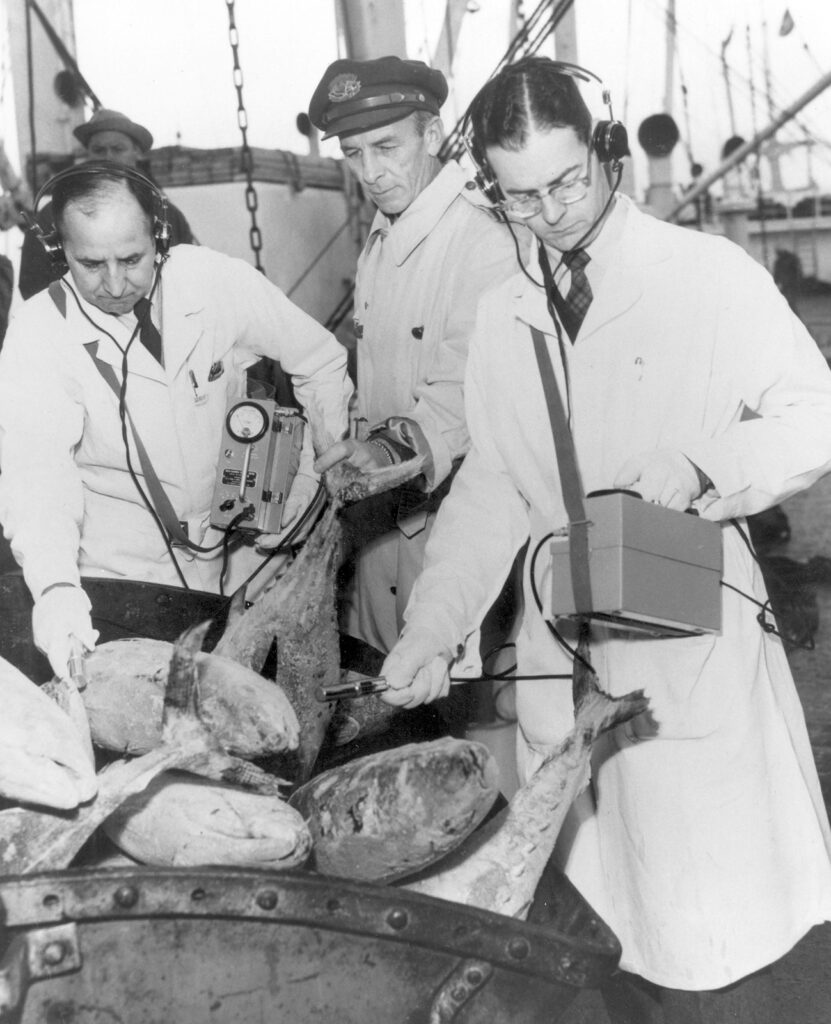
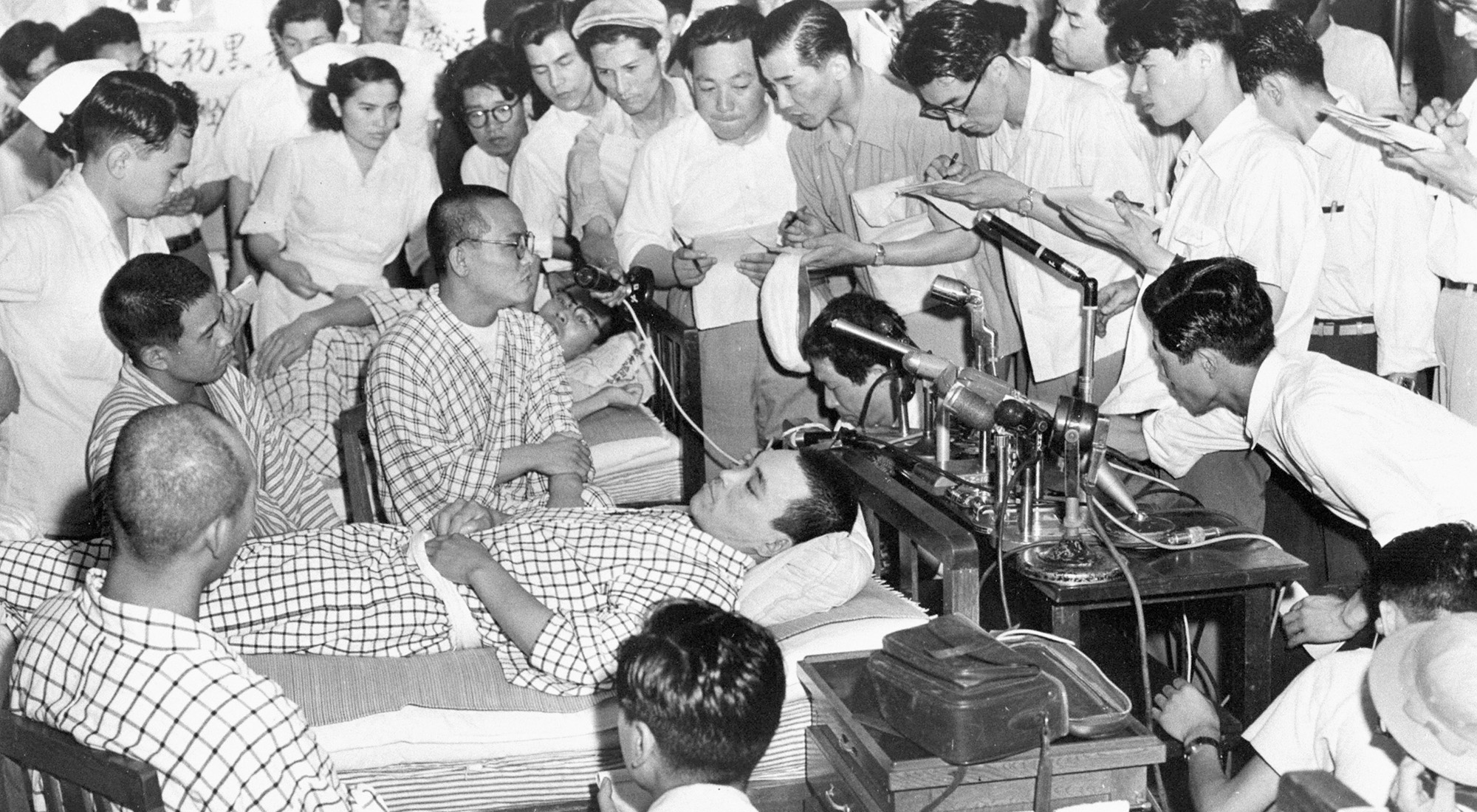
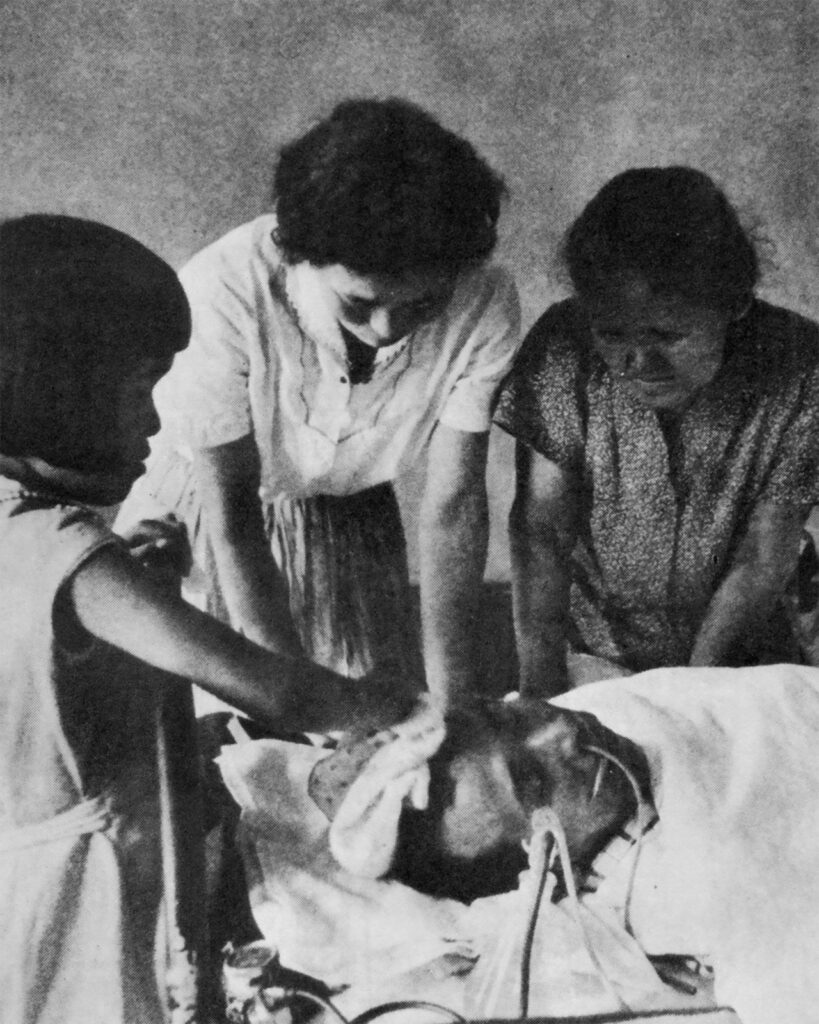
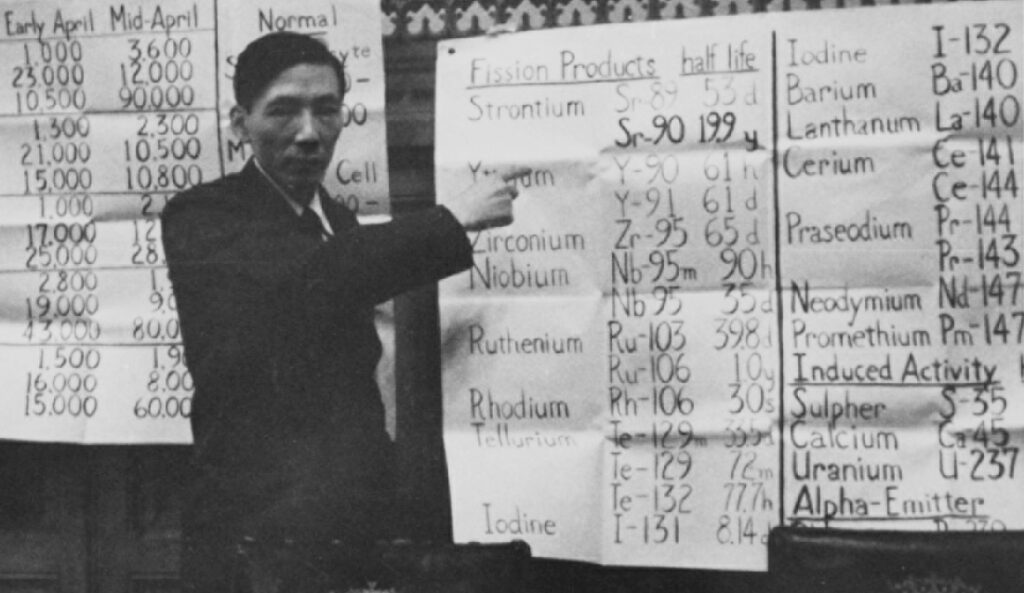
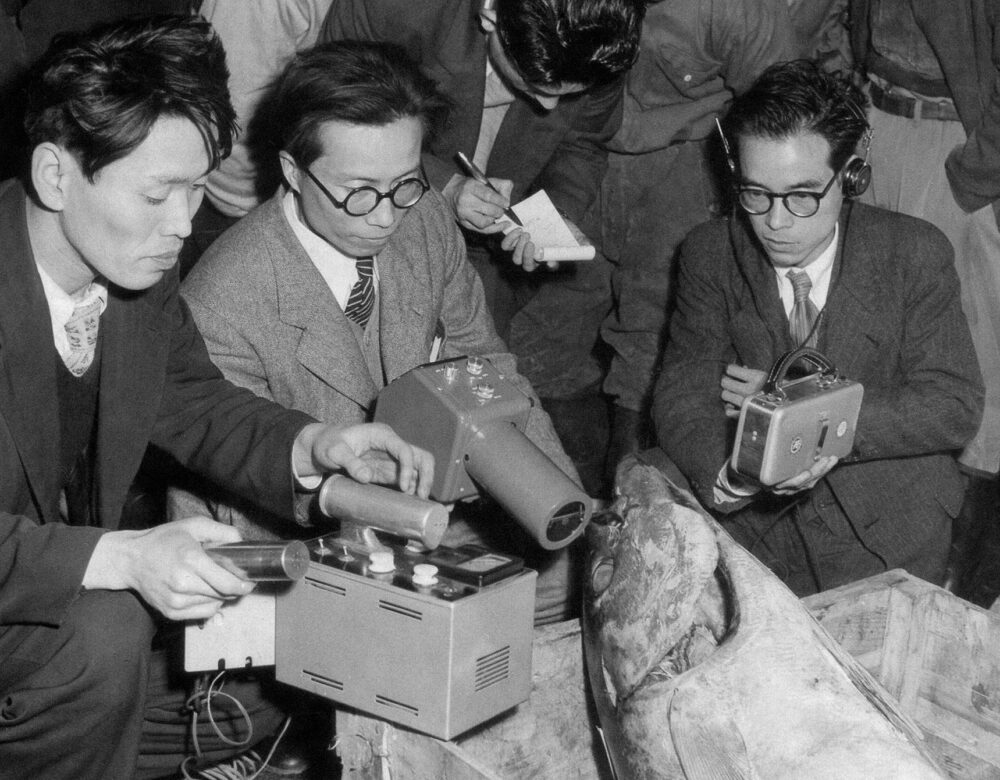
Thirteen days later, on March 14, the Lucky Dragon arrived back at its home port of Yaizu, on Japan’s southern coast, hauling more than nine tons of tuna. When the ship’s owner stepped onboard, he was so alarmed by the state of the crew that he hastily sent them to the hospital. Their skin was blistered and burnt. The radioman’s face had turned black. The men’s hair fell out in clumps. And their bodies, they would soon learn, were abuzz with radioactivity.
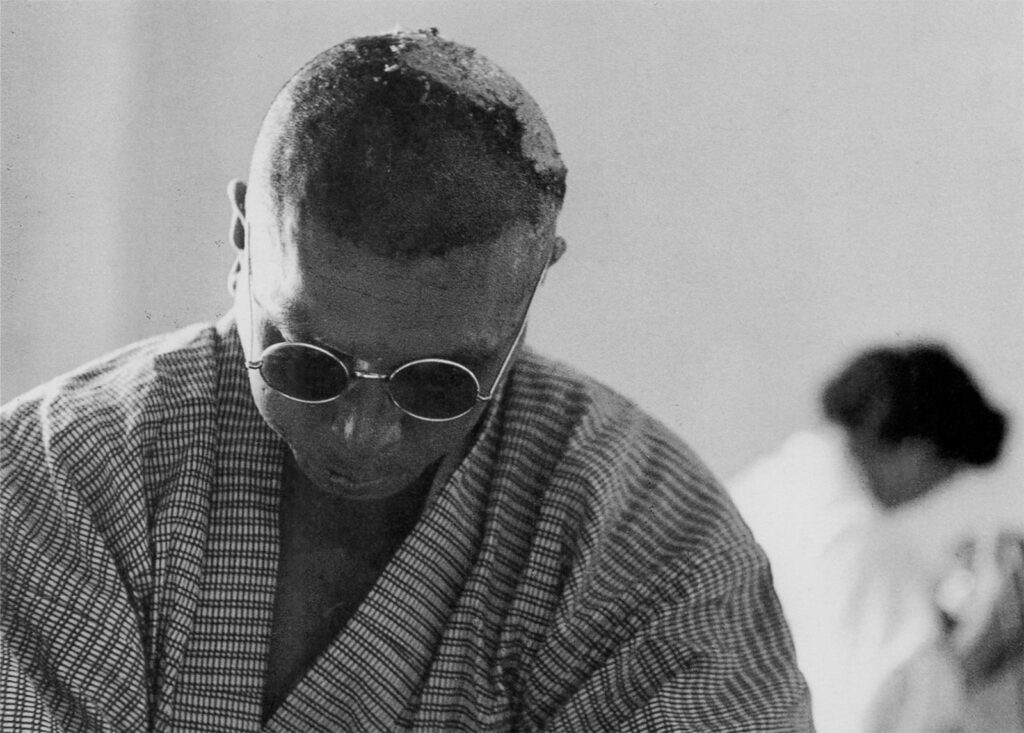
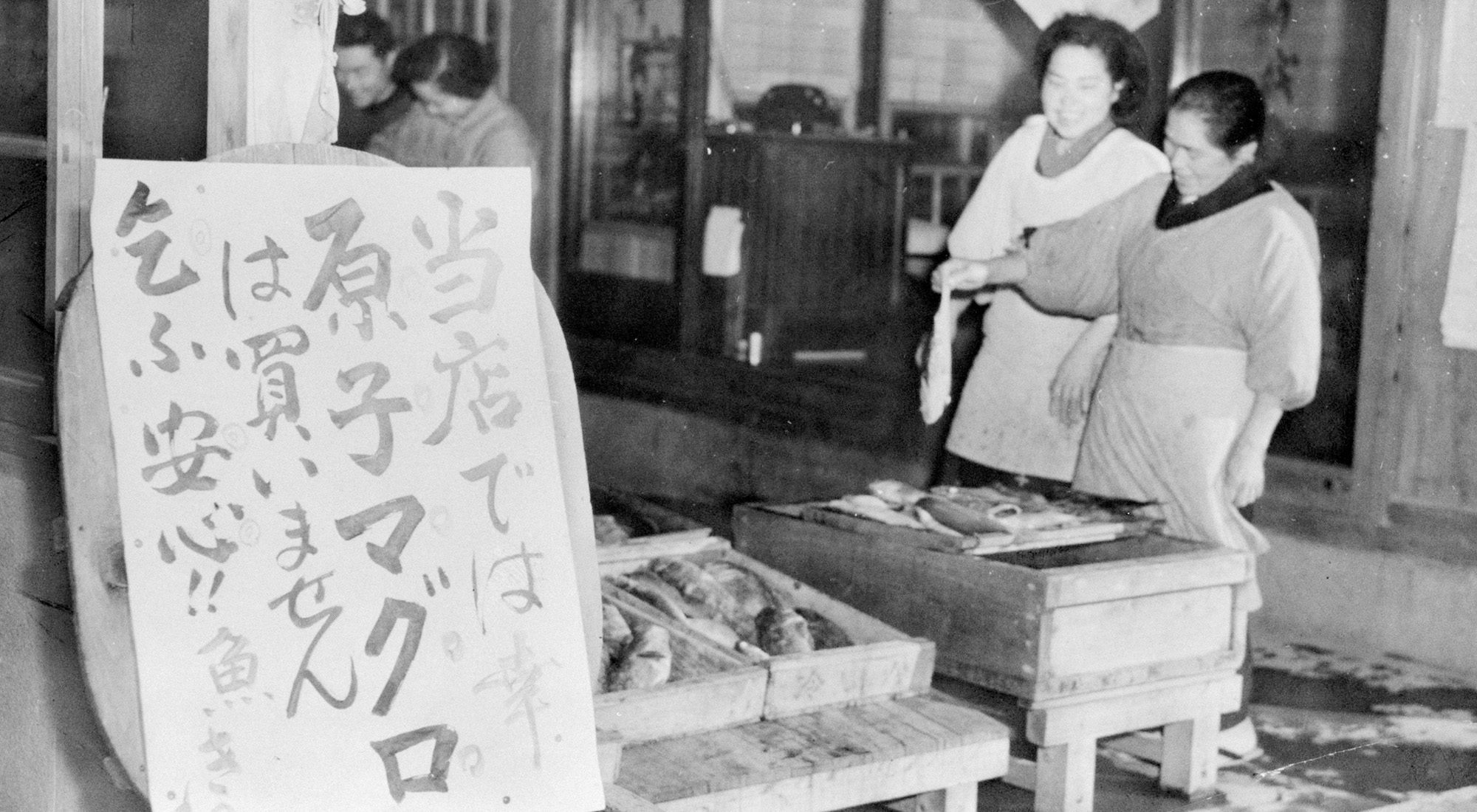
Although details were murky, the Japanese press deduced what had happened. Tokyo papers splashed the news of the Lucky Dragon 5 (Daigo Fukuryū Maru in Japanese) across their front pages. “Japanese fishermen encounter Bikini nuclear test: 23 contract radiation sickness,” announced Yomiuri Shimbun, the first to break a story that became a national obsession.
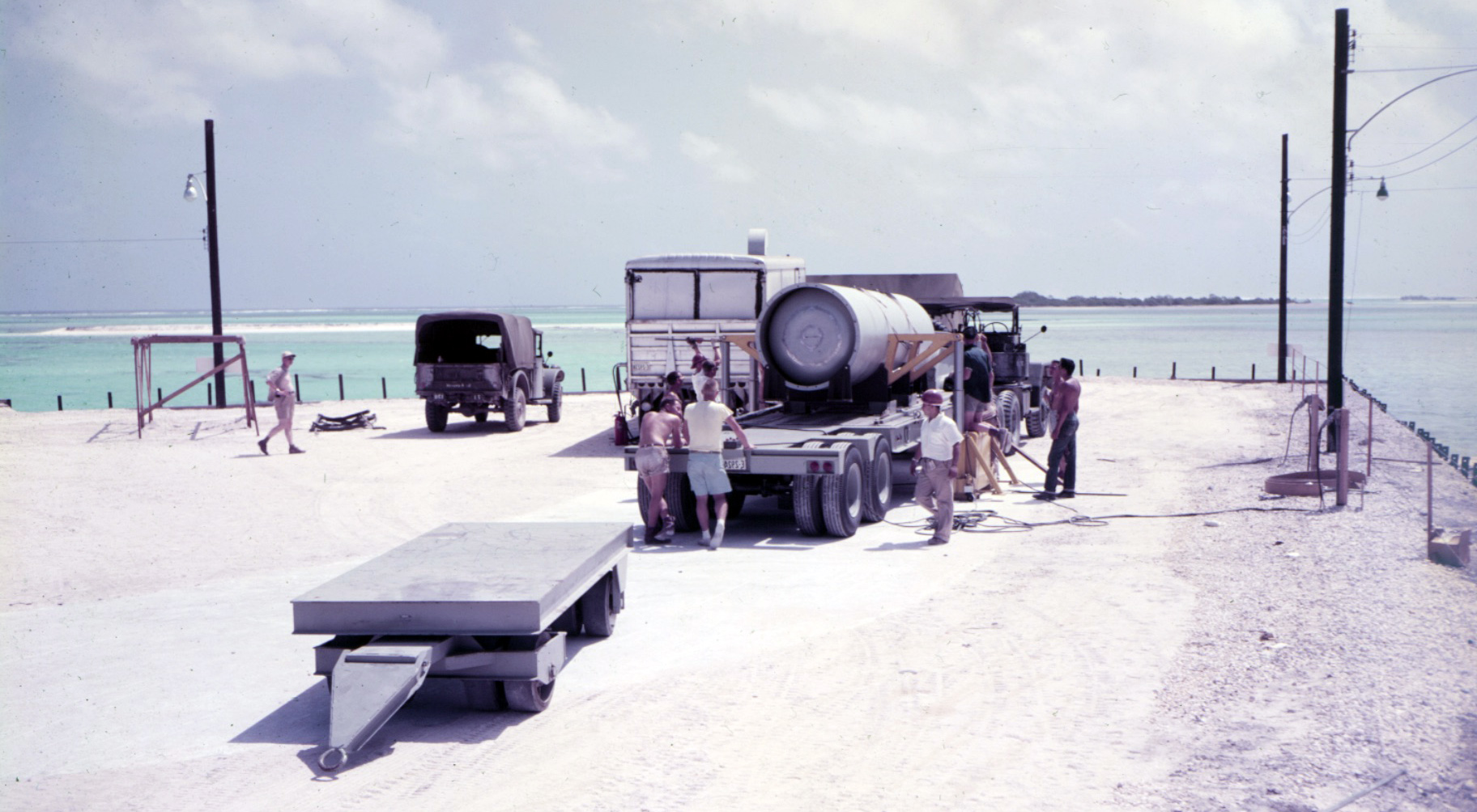
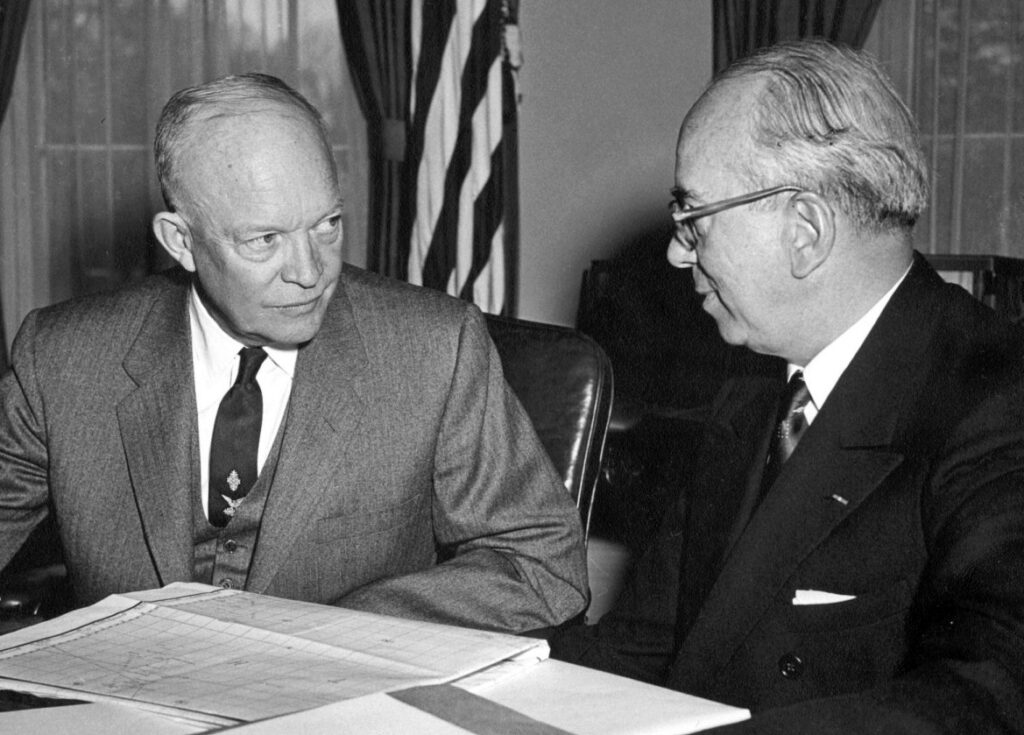
Initially, the tight-lipped U.S. Atomic Energy Commission (AEC) claimed the test was “routine” and that any exposure to radiation was of no concern. In fact, the operation, code named Castle Bravo, was anything but normal. The fishermen, it would later be revealed, had witnessed what is still the most powerful detonation of a thermonuclear device in American history, conducted on a far-flung coral isle in the Marshall Islands, about 87 miles west of the trawler’s location.
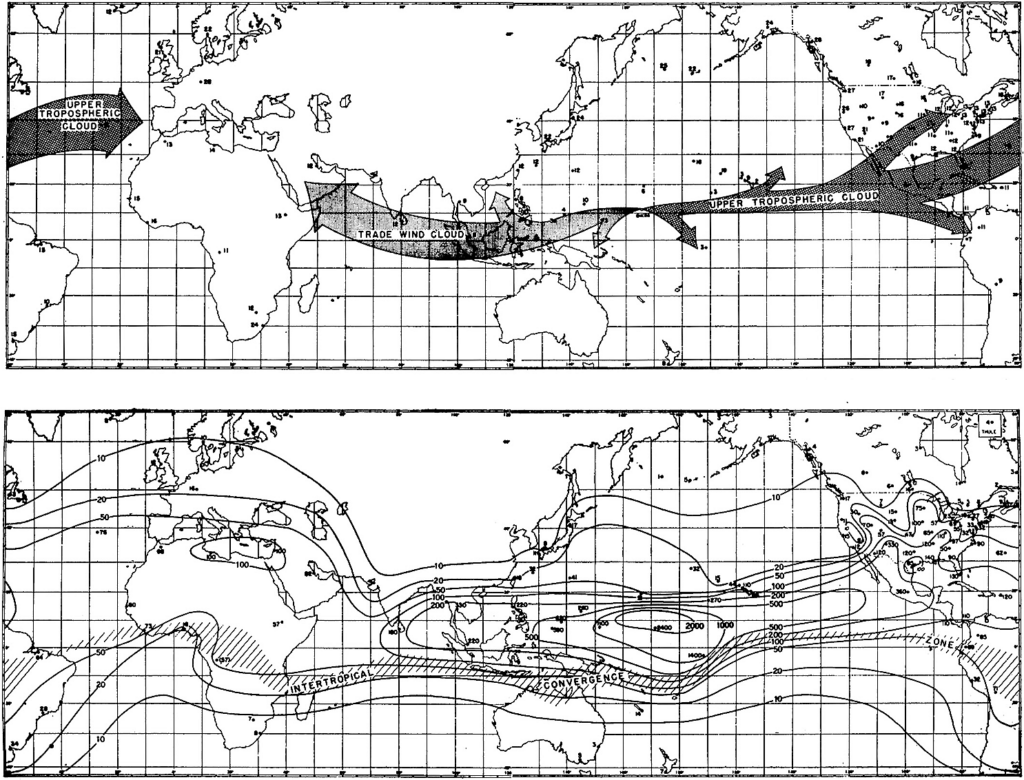
The blast, says historian Toshihiro Higuchi, author of Political Fallout, would be pivotal in changing public sentiment about nuclear testing. “It made people realize that the effects were no longer confined to the target area and no longer confined to direct exposure, but that we could encounter the contamination through our food, our water, and our air,” Higuchi says. “I can’t emphasize enough how important the Castle Bravo test was” in establishing that connection.
It also introduced a new word into the global vocabulary—fallout—or as Japan’s media called it, shi no hai, “ashes of death.”