IN EARLY FEBRUARY 2006, in a neighborhood of modest houses in Smethwick, United Kingdom, four miles west of Birmingham, Theresa Simpson rose one morning to check on her 6-month-old grandchild, Troy. She found his crib empty.
Theresa’s 17-year-old daughter, Danielle, the baby’s mother, didn’t know where Troy was either. Nor was he with his father, 21-year-old Sherwain Smith, who lived in a nearby apartment. Where had the baby gone?
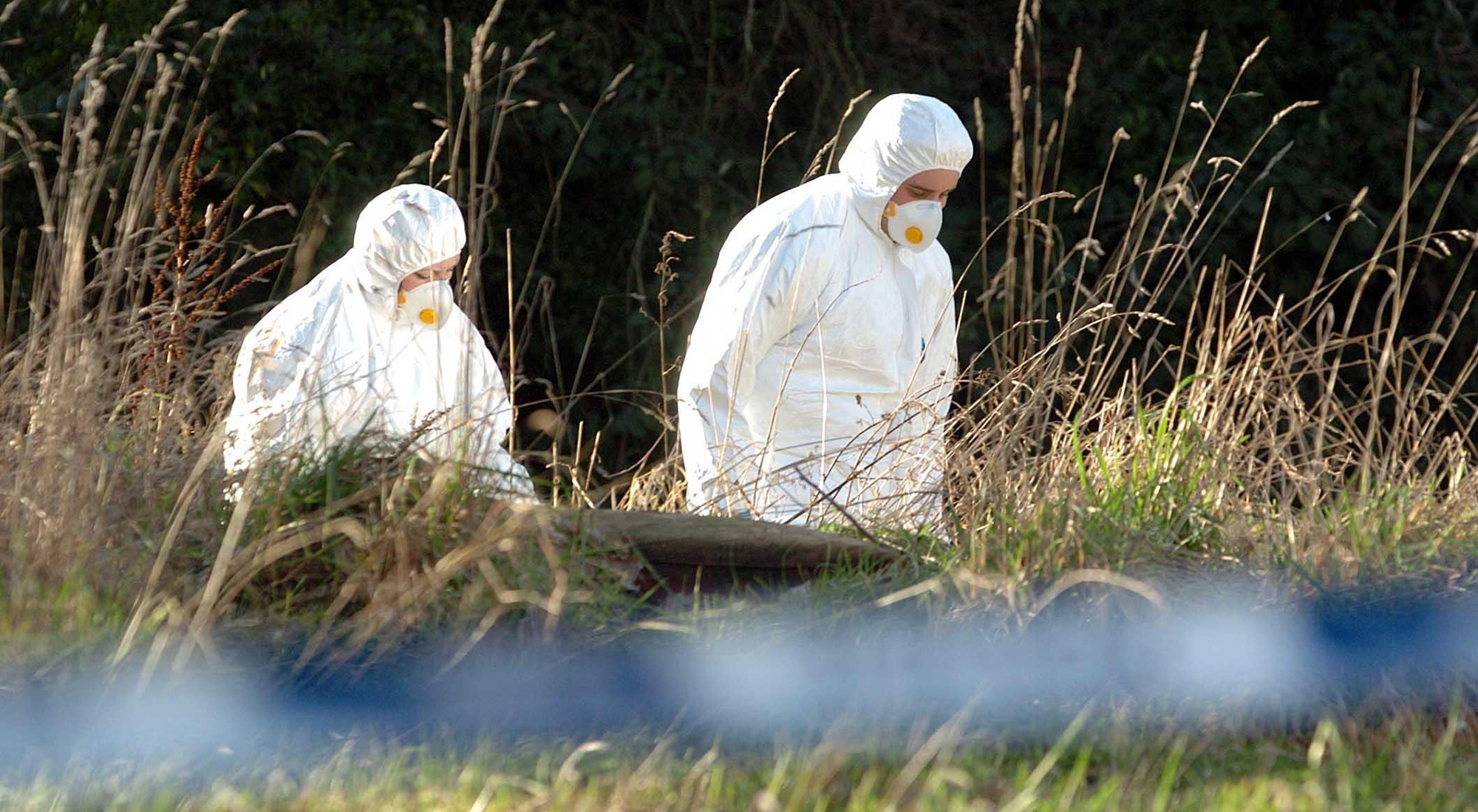
Police found Troy dead the next day. Someone had wrapped his body in a trash bag, stuffed it into a duffel bag, and dumped it at a culvert by a nearby brook.
Suspicion fell on the three people closest to Troy: his mother, Danielle, his grandmother, Theresa, and his father, Sherwain. But had any of them really killed him? No witnesses could place any of the three at the culvert.
Or rather, no human witnesses. The culvert was hemmed in by weeds and shrubs. Poplars, willows, and cherry laurel lined the brook’s edges; brambles climbed its trash-strewn banks. A large holly grew beside a path residents had worn across the nettles, cow parsley, and hogweed. Anybody trying to reach the culvert would have trudged over these plants.
So police called one of the few people who might make sense of what had happened there: Patricia Wiltshire.
A small, smart dresser with a Welsh lilt, Wiltshire used to work as an environmental archaeologist at University College London, studying sediments from sites around Britain for pollen that might reveal what crops prehistoric and early modern people had planted.
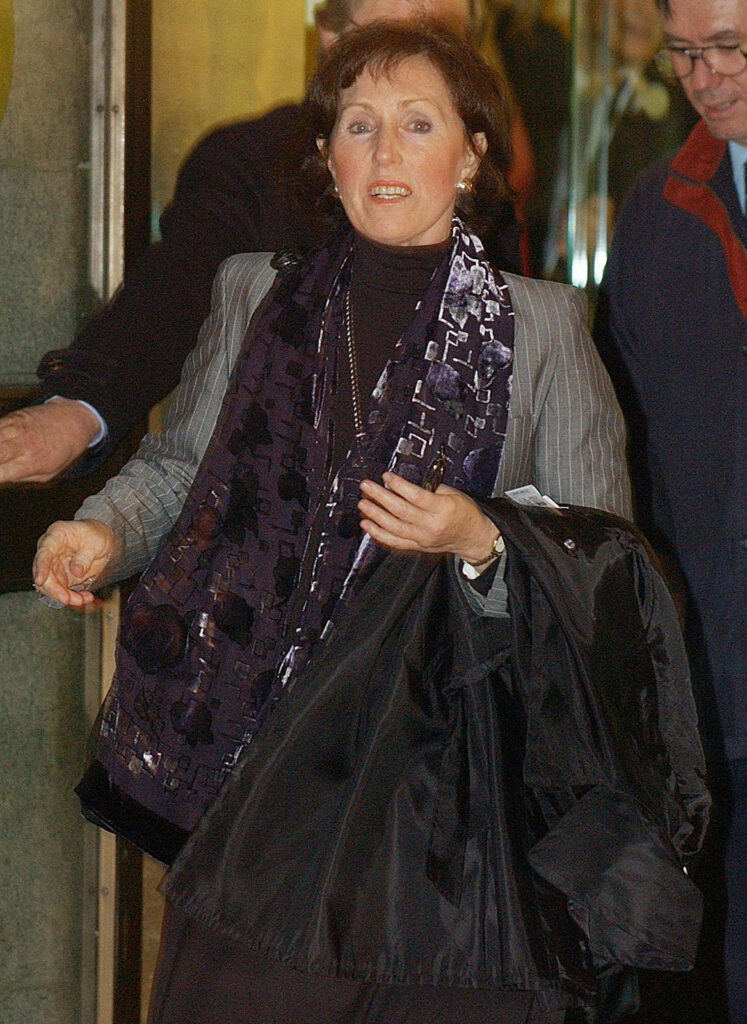
In 1994, police called her out of the blue. They had found the charred body of a man in a trench, near tire tracks in a field, and asked if she could check a suspect’s car for plant evidence that would place it at the scene.
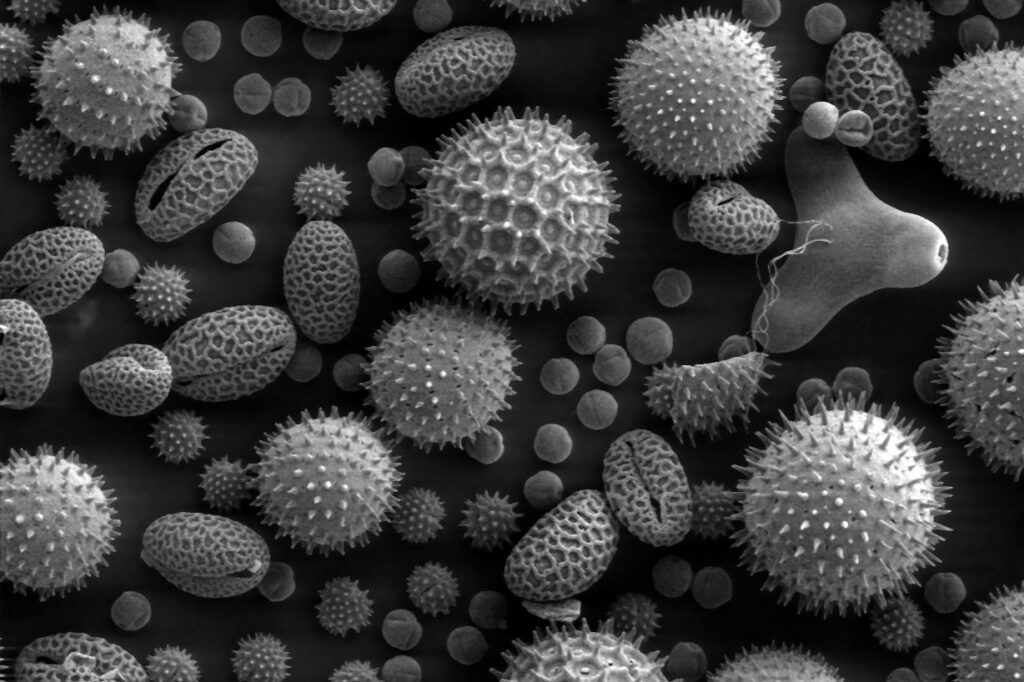
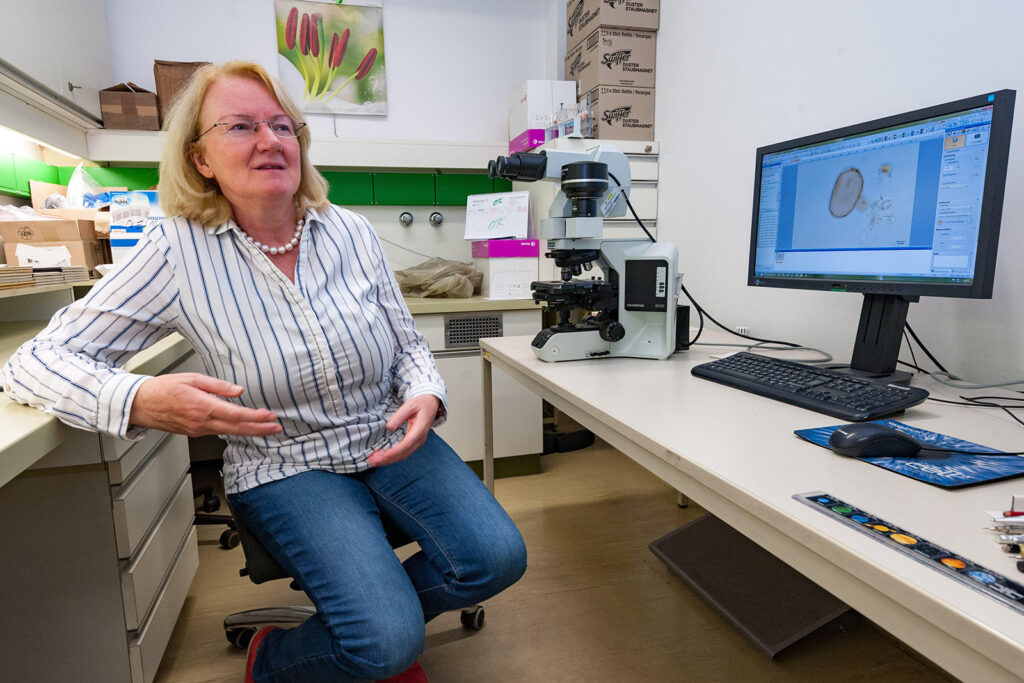
Wiltshire was game to try. She washed down the car’s footwell mats, pedals, bumper, air filters, and radiators, sieved the water, and centrifuged out the debris. “There was pollen everywhere,” she later recalled in her book The Natural History of Crime. As she studied it under the microscope, a landscape emerged before her mind’s eye. When police took her to the field, she pointed to the very point where the body had been dumped alongside a hedge, identified from the pollen mix she had lifted from the car. “The police were utterly shocked, but so was I,” she told the interview series Minutes With in 2025. “I didn’t know I could do that.”
Now in her 80s, Wiltshire has helped investigate hundreds of criminal cases as a forensic ecologist. She is still at it. Reached by email, she apologizes for managing only a few hasty thoughts. “I am truly bogged down with work,” she writes, noting another court date two days later.
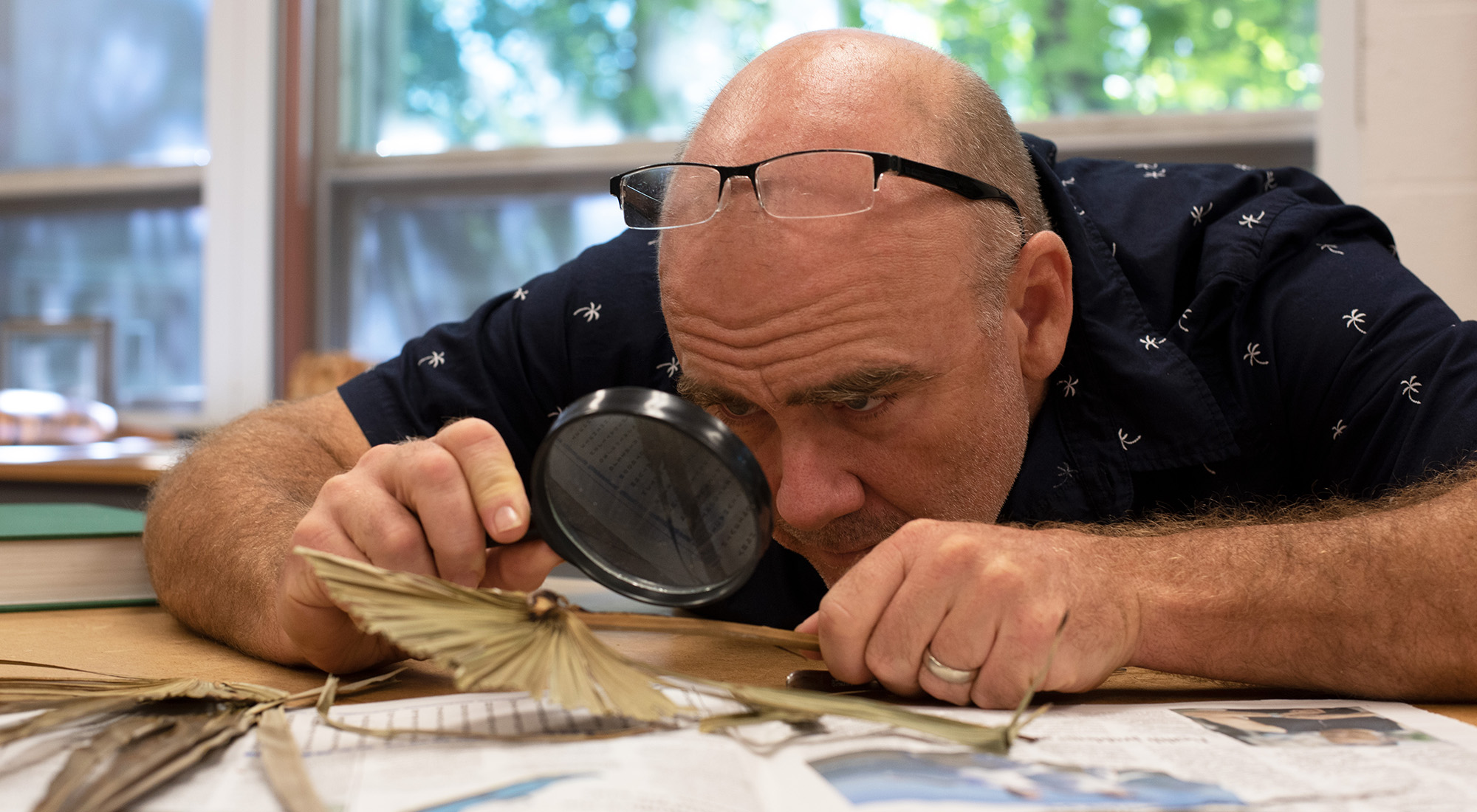
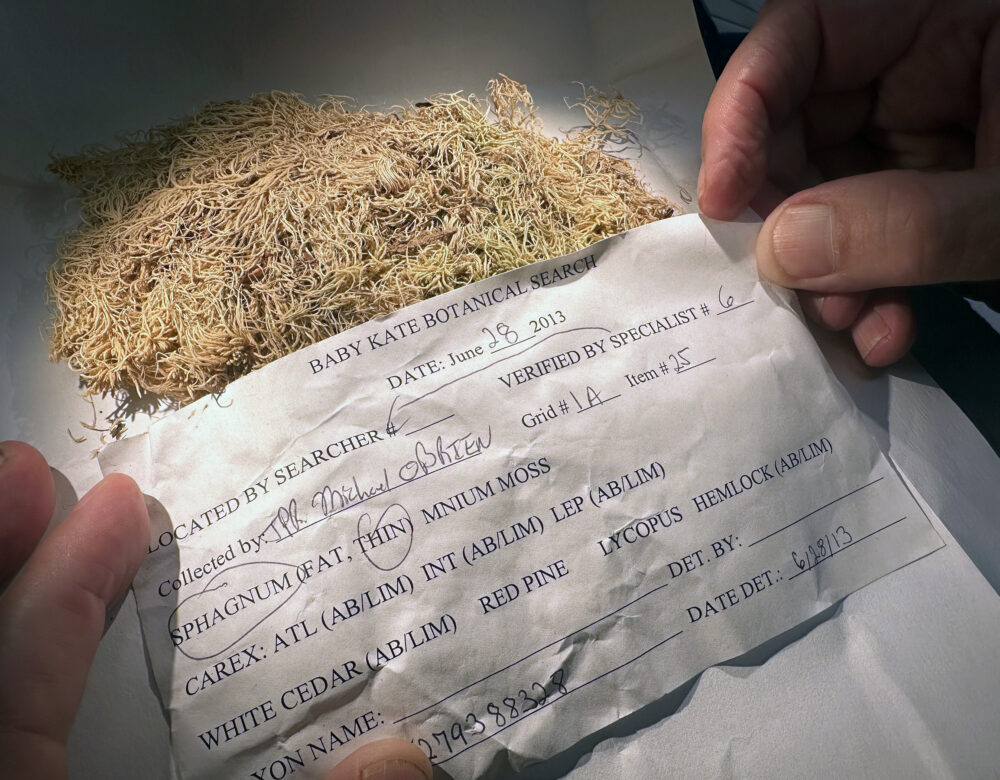
Plants make up 90% of all biomass on Earth. We eat them, build with them, walk on them, brush against them. They’re woven into every aspect of our lives, which means they’re woven into our crimes. A criminal might see a thicket as a good place to hide a body, but for a botanist that translates to “a lot of evidence,” carried off on the suspect’s shoes, pant cuffs, or car floorboard, says Christopher Hardy, a professor of plant sciences at Millersville University in Pennsylvania. Some of it might be nearly invisible to the naked eye—say, pollen or microscopic algae from a pond—yet when investigated by an expert it can be “just as powerful as genetic evidence, if not more so,” says Hardy.
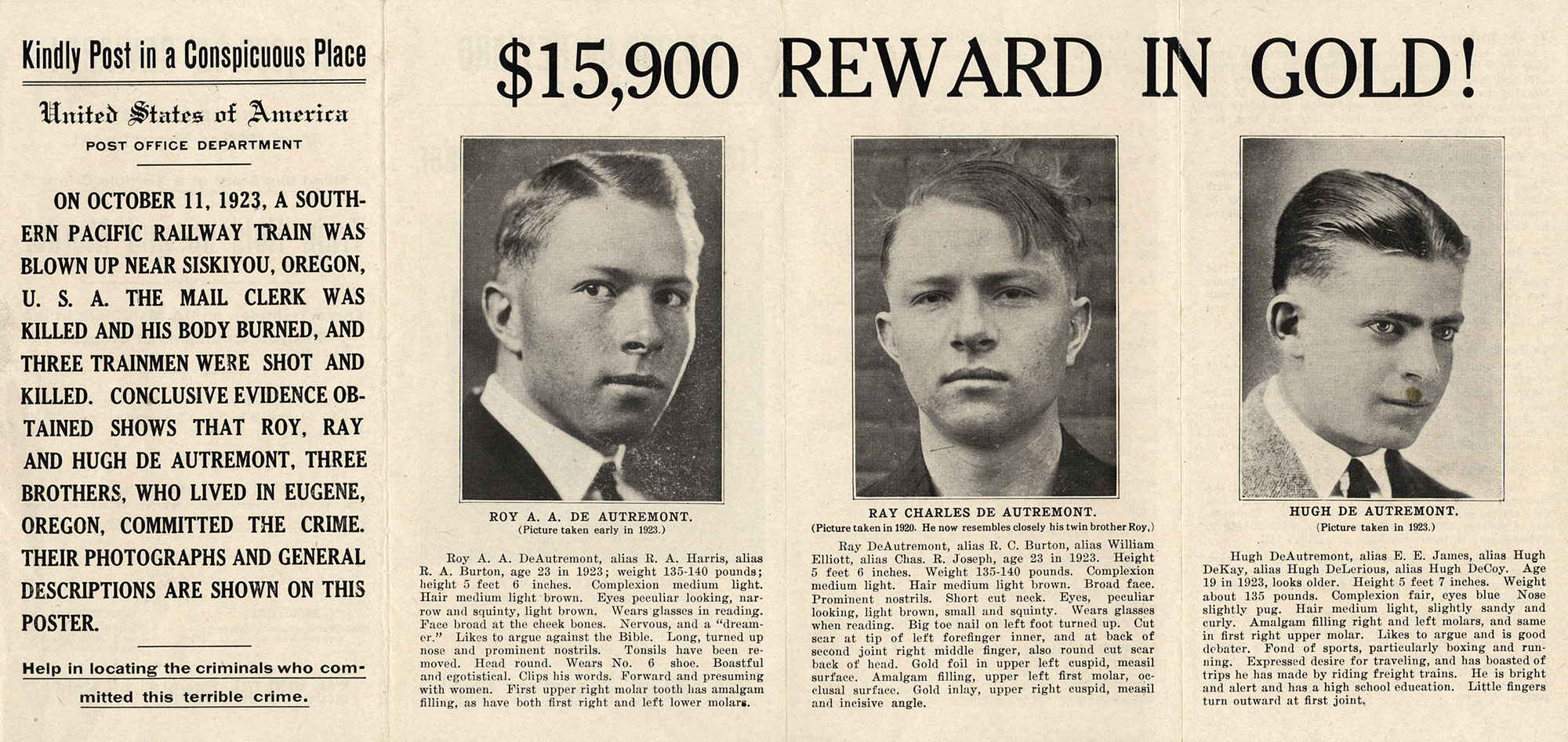
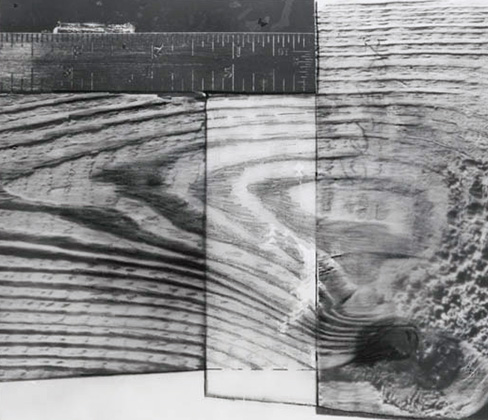
In 1923, three men robbed and murdered four railroad employees on a Southern Pacific train in Oregon, then vanished. Investigators sent a pair of overalls left at the scene to Edward Heinrich, a chemistry professor at the University of California, Berkeley, who identified fir pitch in the fabric and wood chips in the pockets—enough to establish that they were looking for a lumberjack working in the Pacific Northwest. That botanical detail was part of a broader profile Heinrich constructed from trace evidence, which ultimately helped lead to the arrest of three brothers, named DeAutremont, four years later.