
The Freedom Plane
At a fragile moment in U.S. history, a flying roadshow looks to the past.
At a fragile moment in U.S. history, a flying roadshow looks to the past.
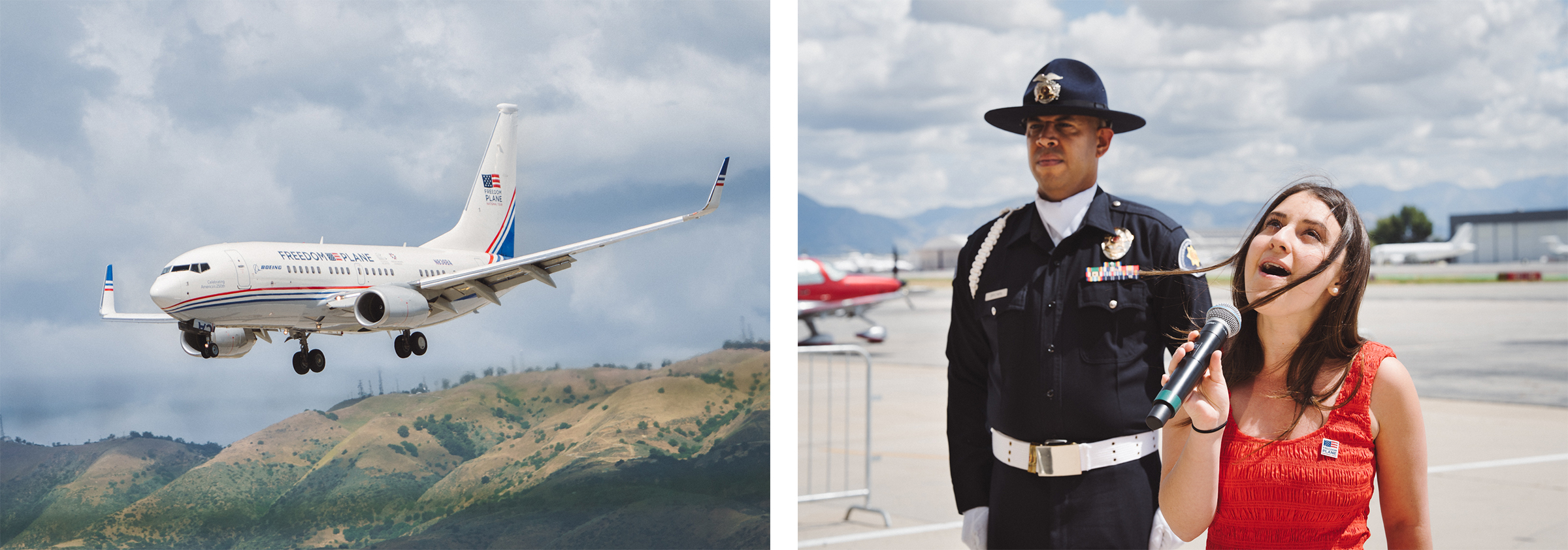
VAN NUYS AIRPORT is the preferred landing strip of Los Angeles’s billionaire set. The Kardashians are among its frequent users. It’s also a common backdrop for film productions, from Casablanca’s climactic farewell to the Hollywood excess of Entourage.
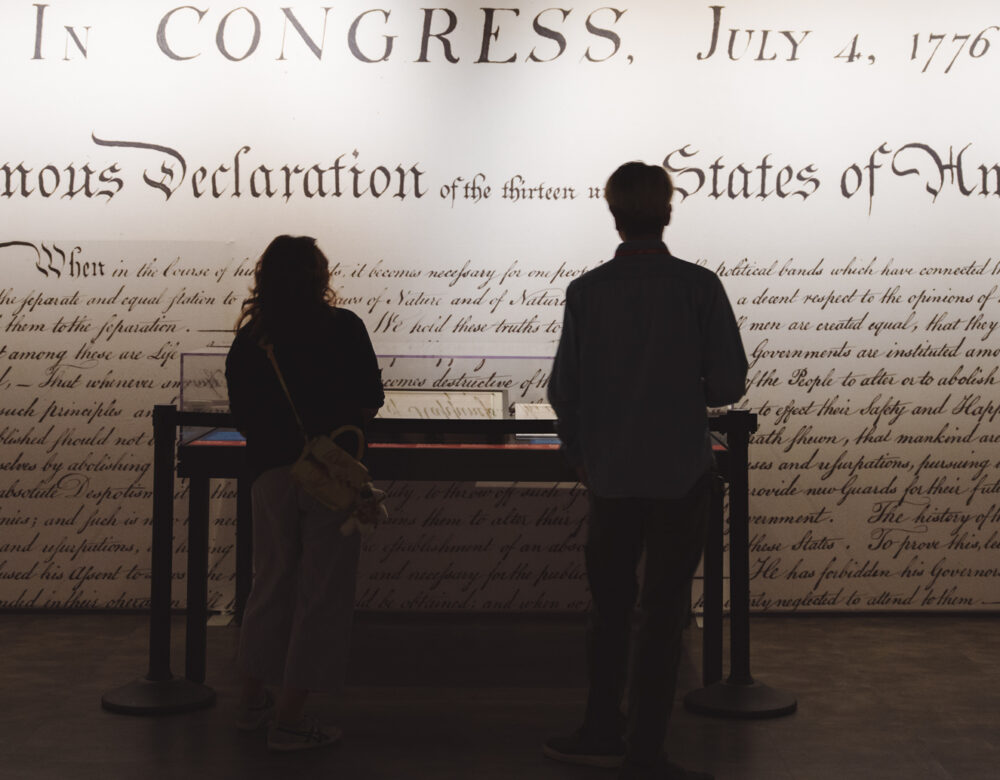
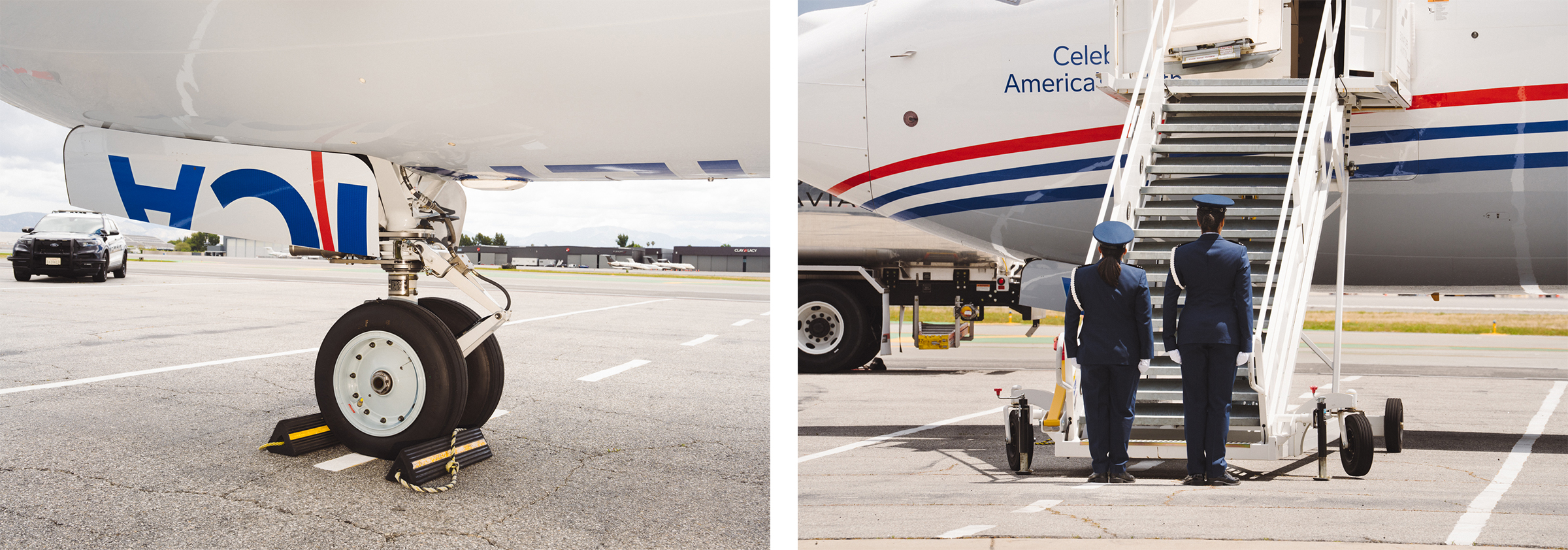
Recently, it was the stage for a different kind of spectacle: the Los Angeles stop of the Freedom Plane National Tour. Organized by the National Archives to mark the country’s 250th anniversary, the exhibition is carrying nine documents from the nation’s founding era to museums in eight U.S. cities. Among the artifacts are a signed copy of the Treaty of Paris, which formally recognized the United States, and oaths of allegiance signed by George Washington and Alexander Hamilton.
“It’s like the creation of our government in one small exhibit,” said historian Jessie Kratz, curator and project manager of the tour.
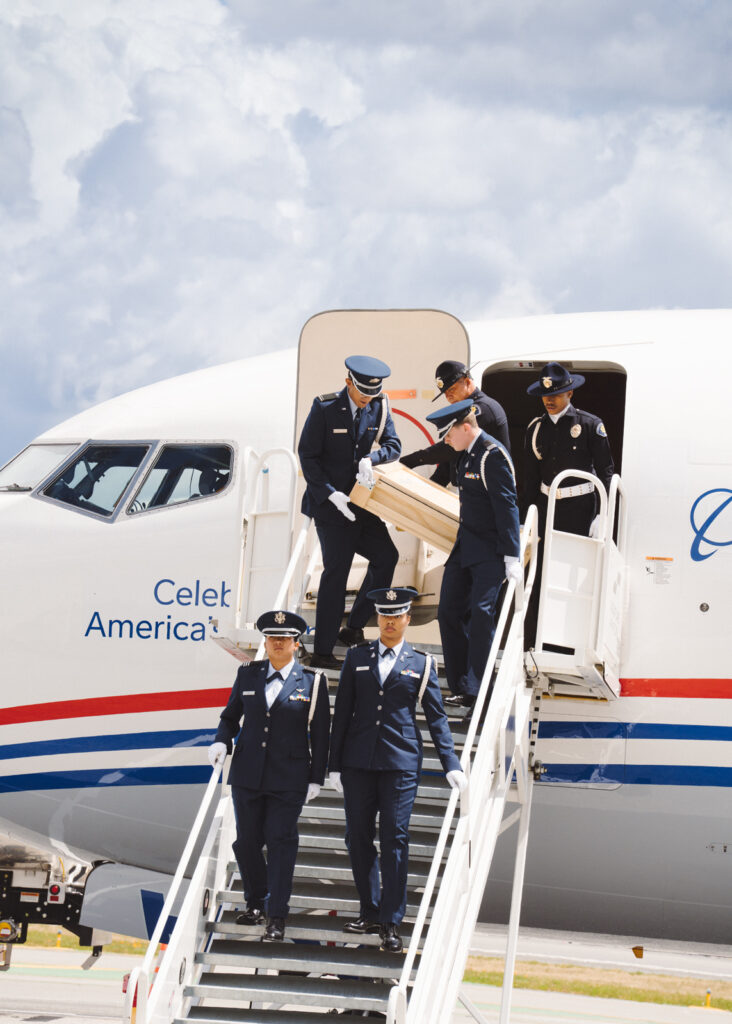
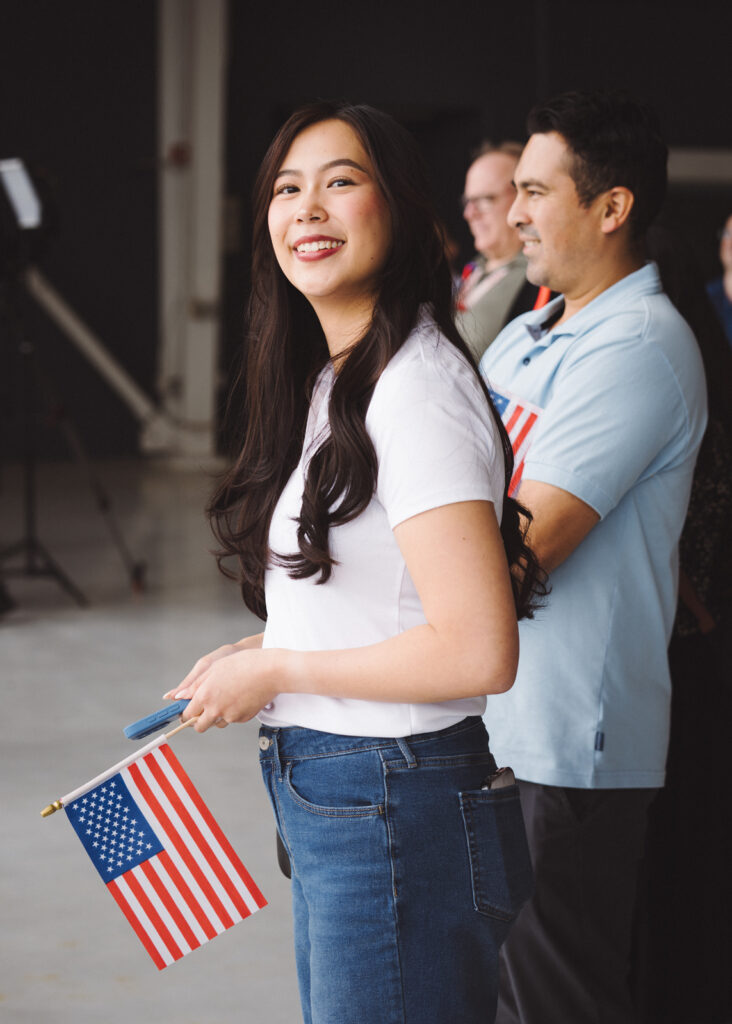
The documents’ arrival at Van Nuys unfolded with the choreography of a diplomatic visit more than that of a museum exhibition. Media watched from behind barricades as the aircraft taxied through a water cannon salute. A young woman sang the national anthem while ROTC members formed ranks on the tarmac.
“We treated the flight like every other flight,” pilot Jyl Steele explained. “Everything on the ground has been different, though.”
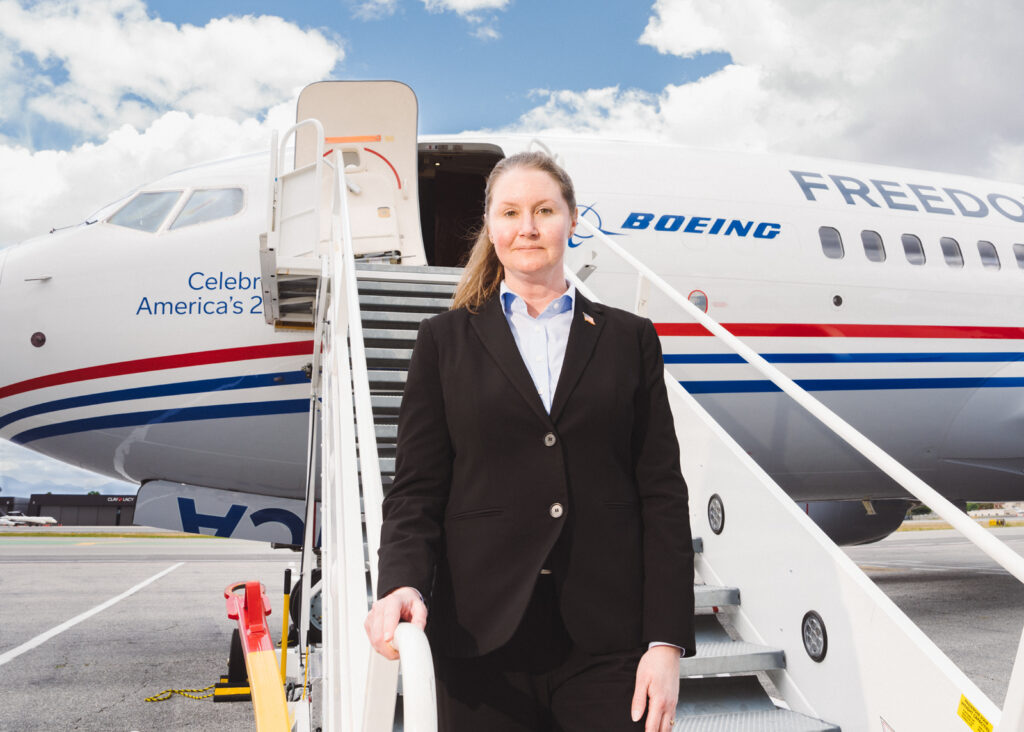
For Steele, the Freedom Plane brought to mind a spectacle from 50 years earlier. The American Freedom Train carried some 500 artifacts around the country to mark the Bicentennial. Inside, an automated walkway ushered visitors past Washington’s copy of the Constitution, an Apollo moon rock, and Bob Hope’s People’s Choice Award.
That Bicentennial exhibition drew inspiration from yet an earlier Freedom Train, which spent 17 months touring the United States after World War II with historical documents sealed inside its walls. The tour was designed to restore loyalty to “the American way of life” amid widespread social unrest. Millions of visitors signed a pledge to uphold a “heritage of freedom.”
The Freedom Plane arrived in Los Angeles during an equally tense chapter in the nation’s history. Security was tight, and details surrounding the documents’ movement remained closely guarded.
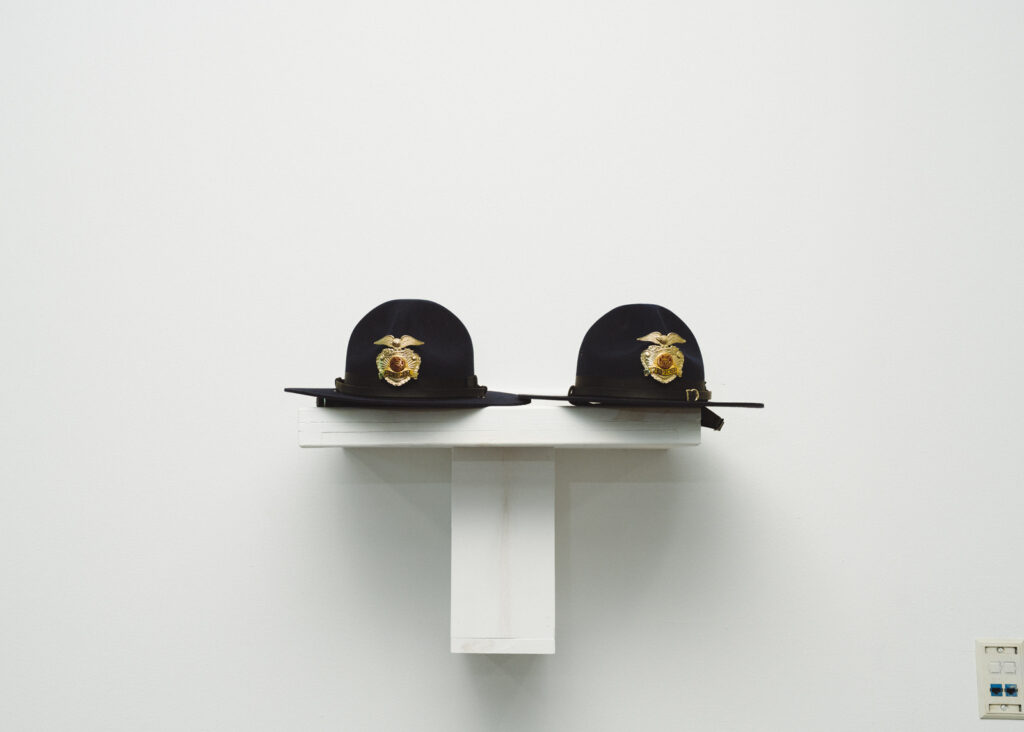
Traffic backed up outside Van Nuys Airport as a police motorcade escorting the documents departed for the University of Southern California, which hosted the exhibition. One waiting driver leaned out his window and shouted, “Who is it?” When told archival documents were the source of the commotion, he seemed puzzled.
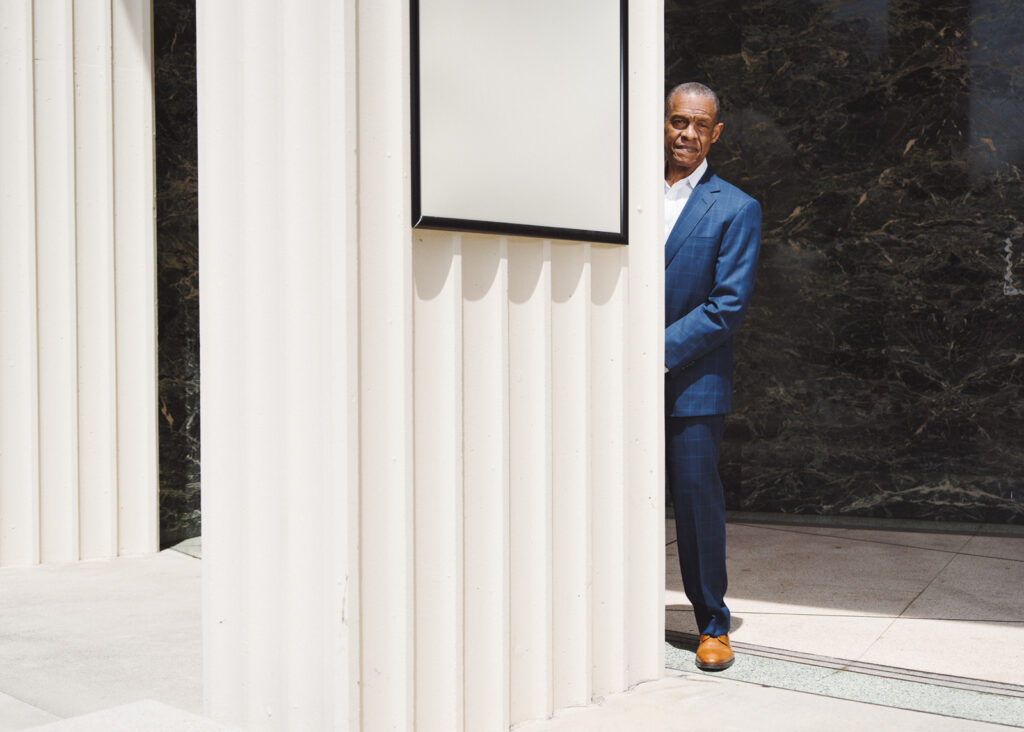
“Obviously we don’t want to have a Nicolas Cage moment, where someone decides to try and steal them,” said Erroll Southers, USC’s top security official, referencing the actor’s role as a cryptologist who steals the Declaration of Independence. But the bigger safety concern, said Southers, is climate and environment.
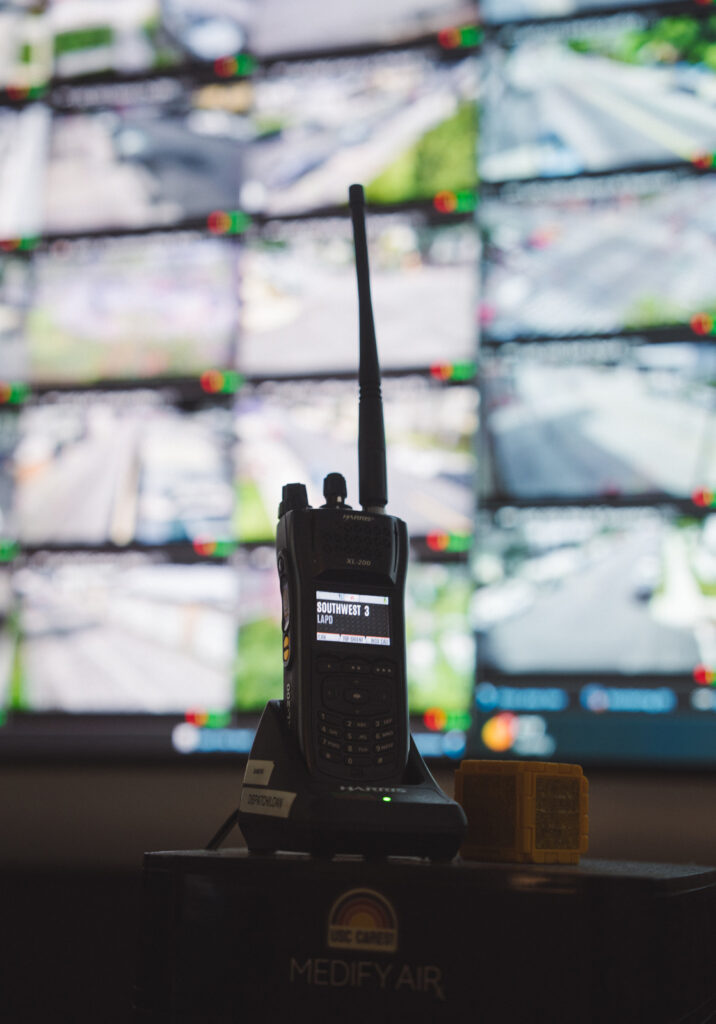
The Freedom Plane tour relies on an unseen network of technical laborers who use layers of “microclimates” to shield the fragile documents from fluctuating temperatures and humidity.
These challenges are nothing new. Curators of the original Freedom Train went to great pains to safeguard their artifacts. To avoid disaster, scouts were sent ahead of the train to check for bad tracks and washouts. The moving train’s vibrations alone were a source of dread.
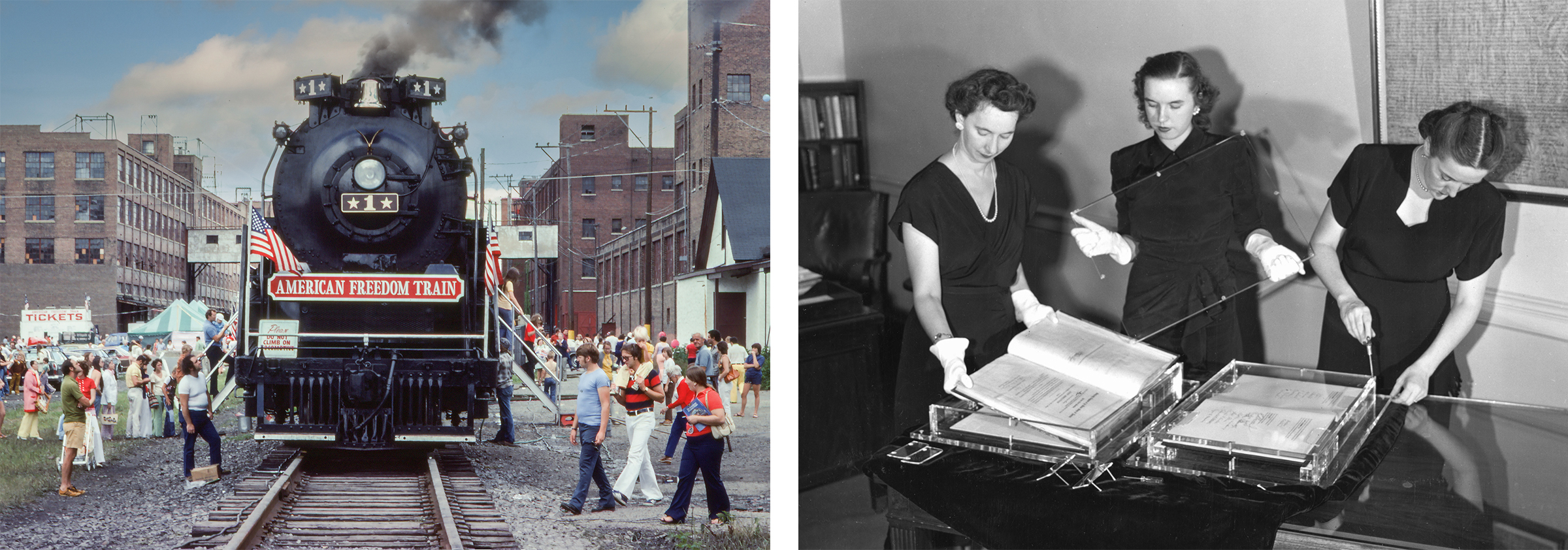
Delmar Robb, the documents’ chaperone, inspected them constantly for signs of cracking. Weather, too, was a perpetual concern. During a heat wave in Philadelphia, Robb went through 19 tons of ice each day to keep the artifacts cool. When the season changed, steam from leaky radiators became a threat.
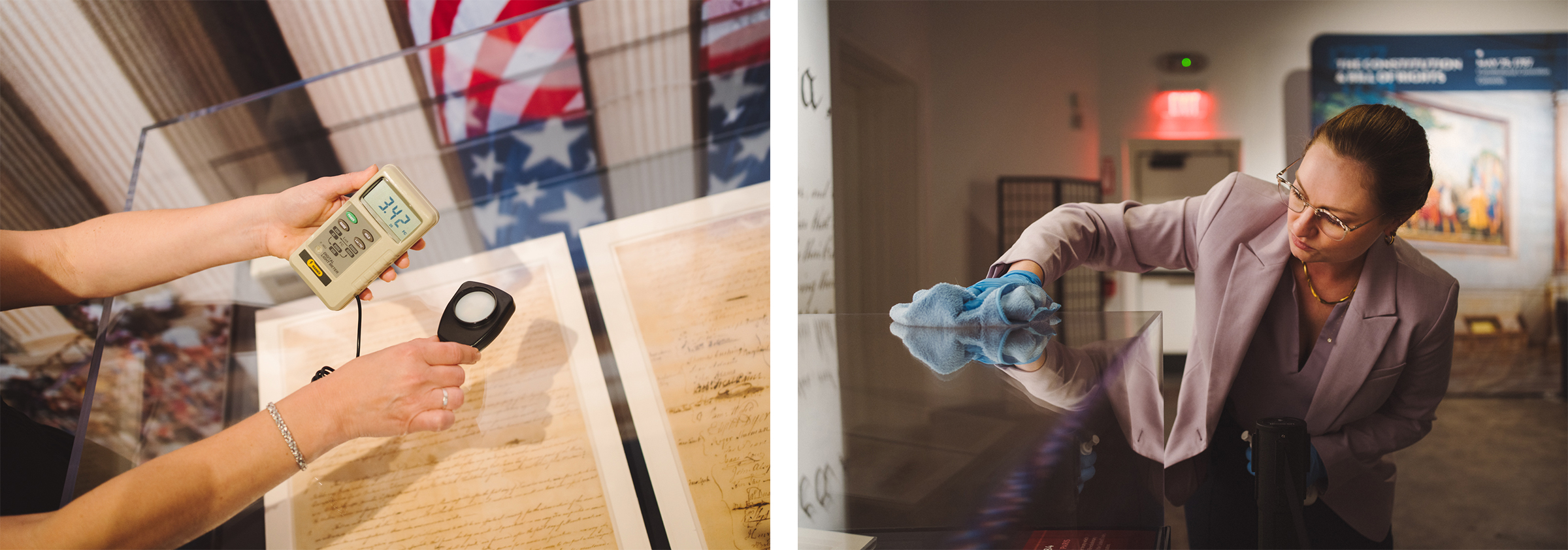
Mitigation technologies have advanced since Robb’s time, but the routines remain familiar. Before the USC opening, Jessie Kratz walked museum staff through an inspection checklist, logging humidity and temperature readings from thermohygrometers and comparing the documents’ conditions against high-resolution scans.
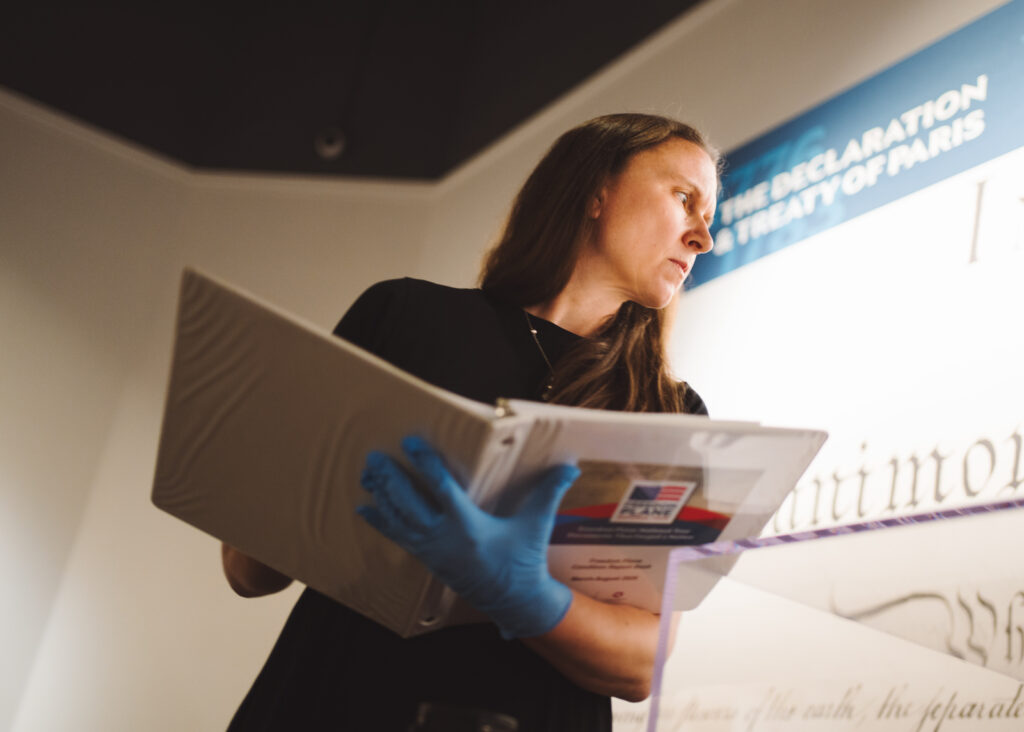
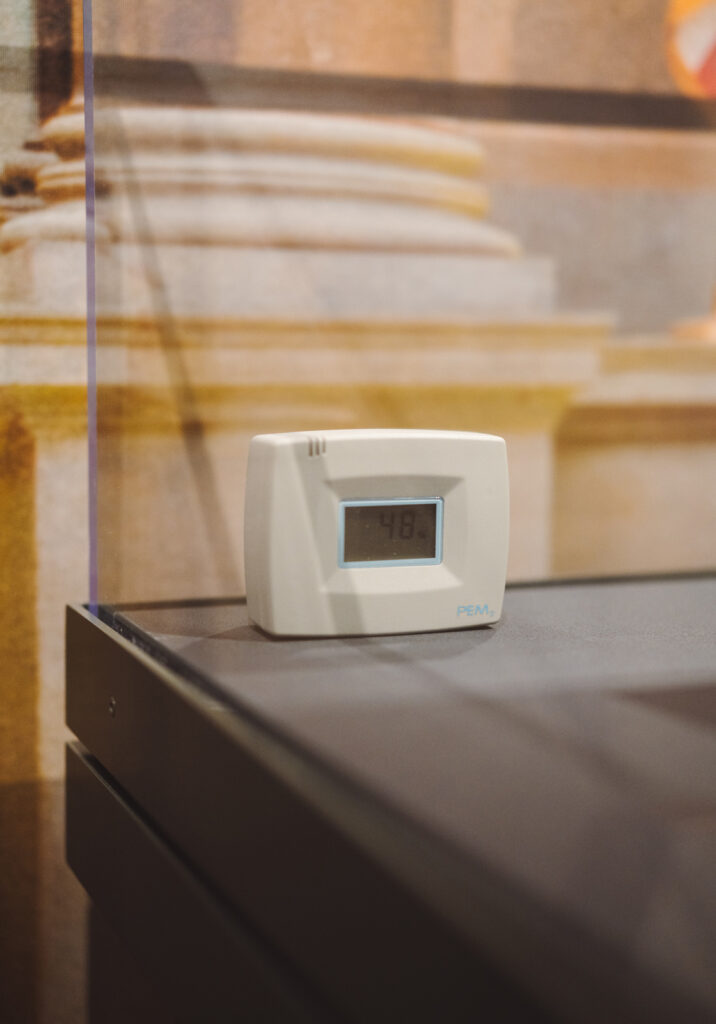
Light exposure is the most insidious threat. Ultraviolet radiation degrades both page and ink, forcing conservators to treat visibility itself as a limited resource.
“We picked documents that still had light time left,” Kratz explained. Under National Archives guidelines, documents spend at least 10 years in storage for every year they are displayed. Even then, they are shown in near-darkness.
After all the motorcades and microclimates, a basic question lingers: When high-resolution reproductions are a click away online, why risk moving these artifacts at all?
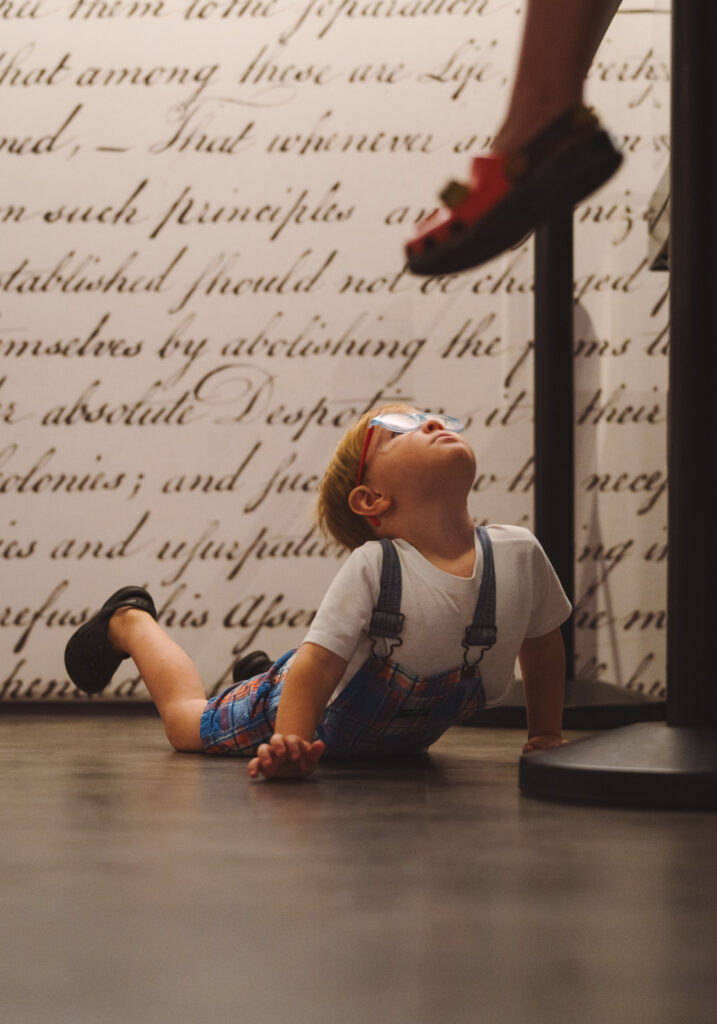
Cristina Splawn, a homeschooling mother, brought her four sons to the exhibition on opening day. “We really love and respect America,” she said.
For her, seeing the documents in person transformed history from something distant into something tangible. Her youngest son, less wowed by the moment, began to squirm.

“I think democracy is amazing,” Splawn said when asked about the documents’ relevance today.
“You know, it’s been a wild several years in the country, right?” she added after a pause. “But that’s showing that we can all have our voices heard and express what we believe.”
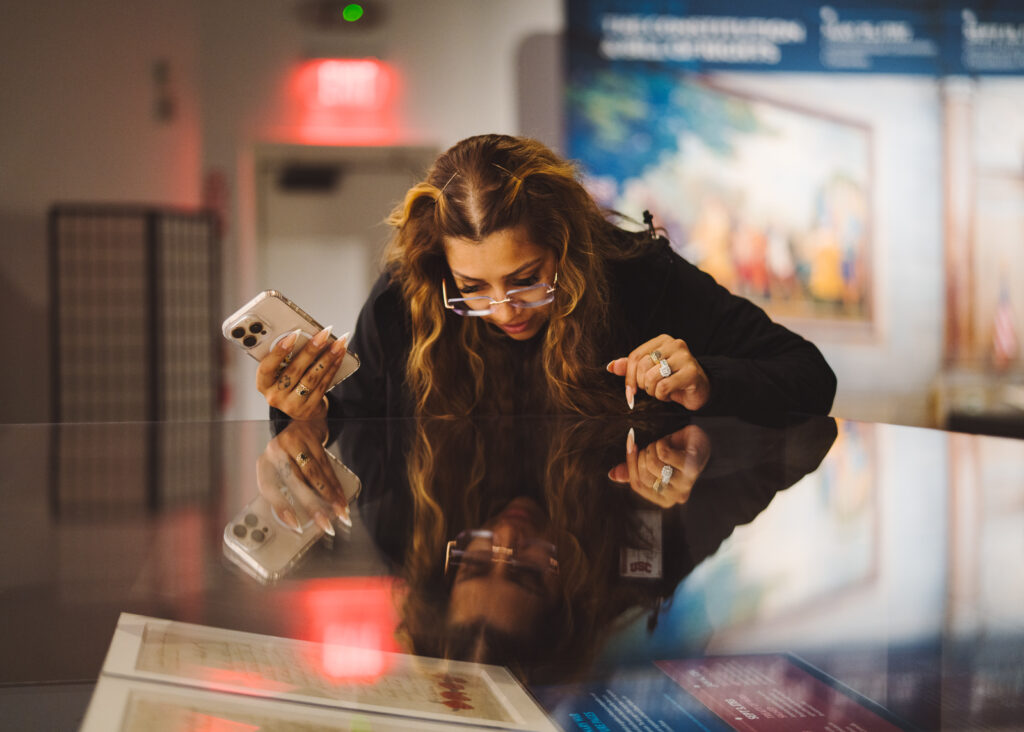
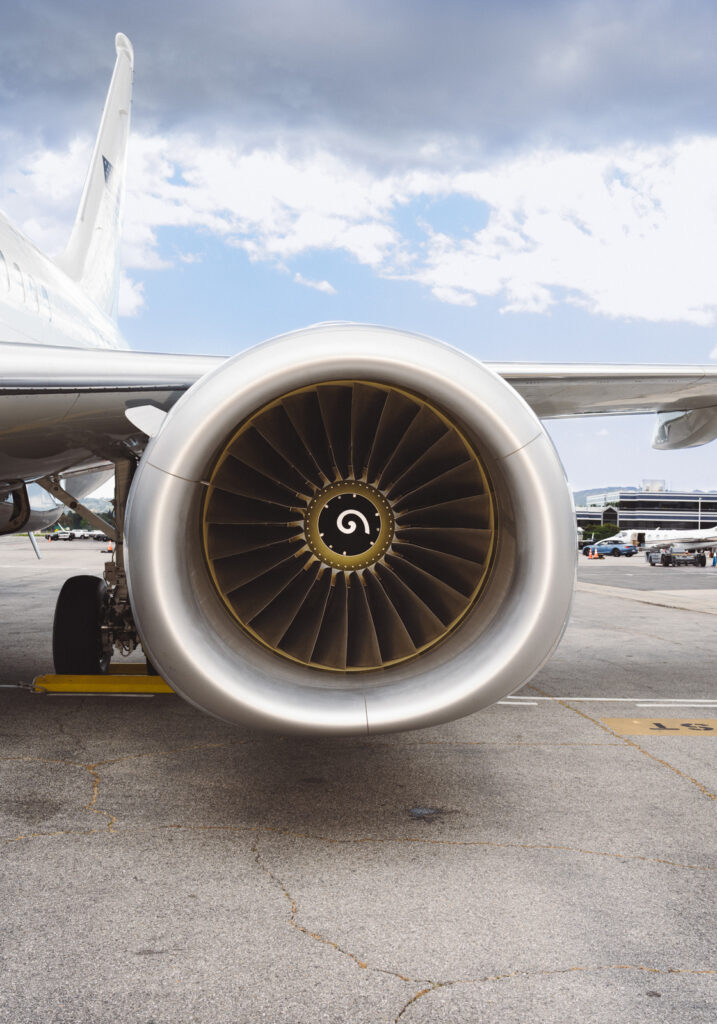
Weeks later, the documents left Los Angeles the same way they arrived: sealed in protective cases loaded onto a red, white, and blue Boeing 737.
“These documents are almost all one of a kind,” Kratz said. “And you’ll never see these again.”
The limits of racism, power, and the Good Roads Movement in the Americas.
A twist of fate thrusts a protégé into the limelight of the Nobel Prize.
Can sustainable air travel get off the ground?
Copy the above HTML to republish this content. We have formatted the material to follow our guidelines, which include our credit requirements. Please review our full list of guidelines for more information. By republishing this content, you agree to our republication requirements.