Distillations magazine

Unexpected Stories from Science’s Past
November 5, 2026 Health & Medicine

Starved for Purpose

The conscientious objectors who braved heatstroke, hepatitis, and hunger during World War II.

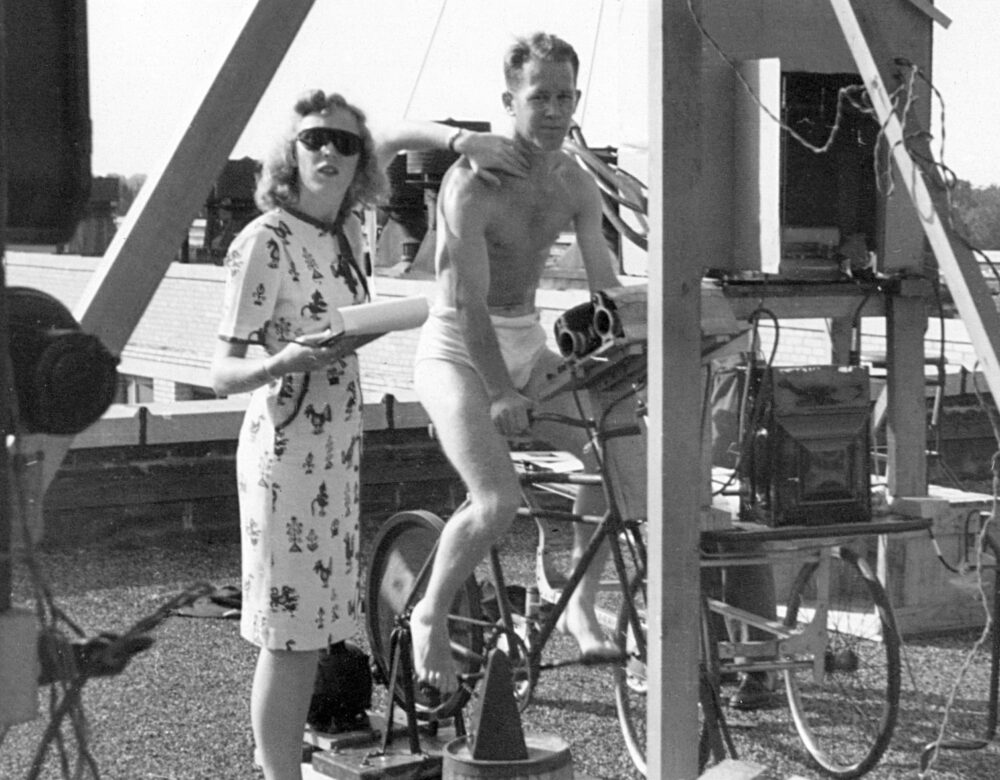
A man riding a bicycle-like apparatus. A woman wearing sunglasses is standing next to him holding a notepad, with her hand on his neck checking his pulse.
About Join Our Team SUPPORT OUR WORK

In the waning months of 1941, Larry Miller was a senior at Antioch University in Yellow Springs, Ohio, when he received a draft notice ordering him to report for military service. Miller’s great-grandfather had been a Civil War general. His favorite uncle had co-piloted the navy biplane that in 1919 completed the first transatlantic flight. And his father, as a private in the U.S. Army, had dodged clouds of mustard gas on the front lines in France during World War I. Yet despite the family’s military tradition, Miller had no intention of reporting. Raised Episcopalian, he had recently converted to Quakerism, a religion that rejects all forms of violence. He applied for and received conscientious objector (CO) status.

But Miller would still lay his body on the line.

Six months later, the gap-toothed young man found himself at a work camp in New Hampshire, pulling on a pair of underwear with a small patch sewn into the crotch. Embedded in that patch were 100 adult lice and a bumper crop of lice eggs. For the next 19 days, Miller and 29 other COs donned these bug-infested undergarments while they slept, ate, and worked long summer days repairing a washed-out road—itching, writhing, cursing under their breath.

Meanwhile, scientists from the National Research Council and the Rockefeller Foundation were keeping tabs on the men, charting their vitals, counting the number and age of the lice they carried, and, when louse counts were deemed high enough, sprinkling mysterious powders on the men’s armpits and pubic areas.

“I had the dubious honor of breeding the most lice before the doctors dusted the magic powder into my clothing and on my body,” remembered Miller, who was awarded a fitting prize: a copy of Tolstoy’s War and Peace.

The site became known as “Camp Liceum,” and the experiment and follow-on trials involving more COs were designed to test possible treatments of epidemic typhus, a louse-borne disease that had decimated troops during World War I. Six months, three trials, and more than a dozen powders later, researchers recommended two of the lousicides. But by then, a Swiss chemist had put an even more powerful insecticide on the government’s radar—DDT.

Miller’s trial at Camp Liceum was one of more than 40 human experiments conducted on COs during World War II. By enduring danger and discomfort, these volunteers practiced a different kind of service while holding fast to their pacifist beliefs.
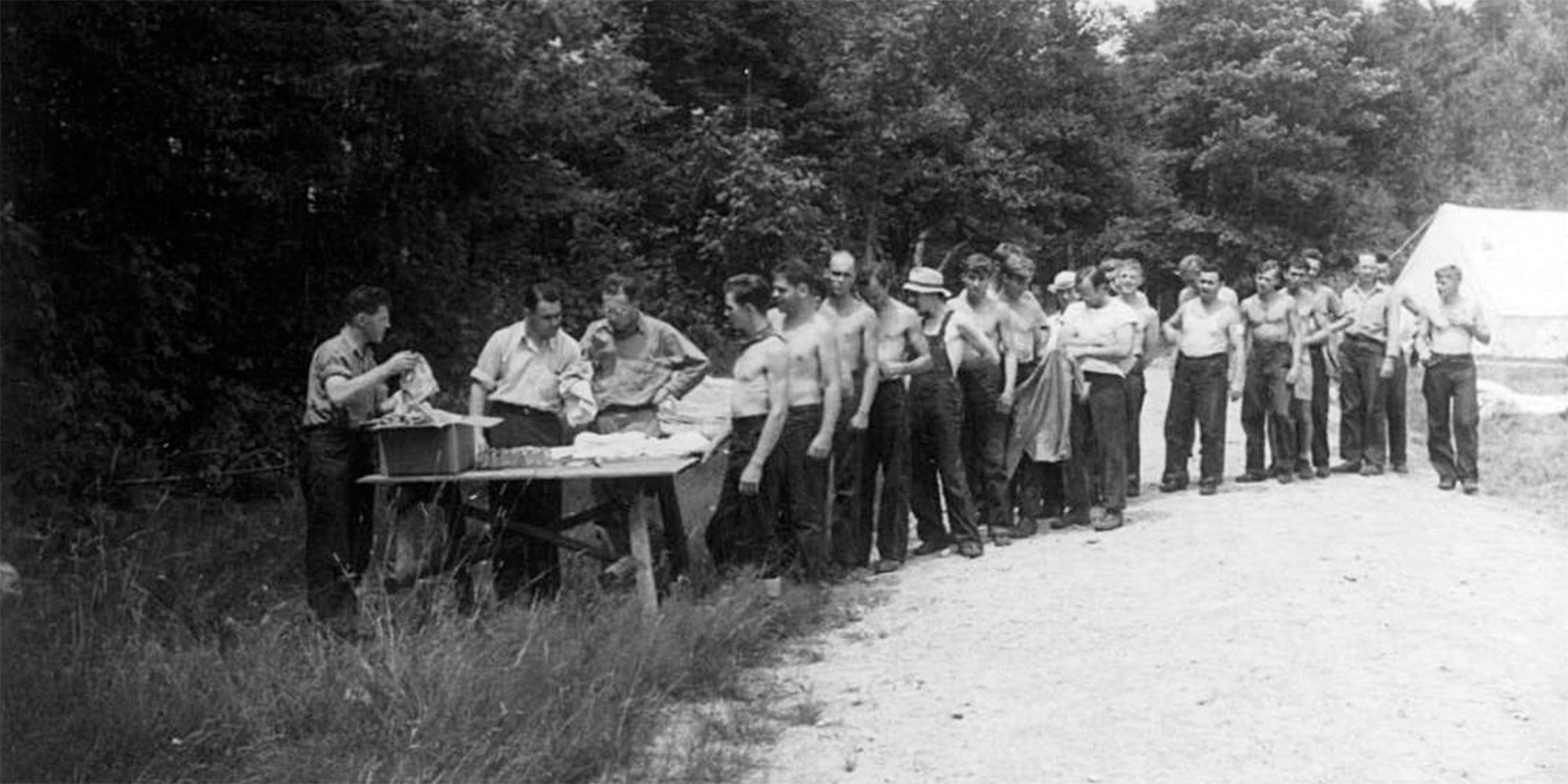
A long line of men on a roadside behind a table.
COs receive their louse-infested underwear at “Camp Liceum,” September 1942.

Conscientious objection has been a feature of every conflict in U.S. history, observed primarily by Quakers, Mennonites, and members of other so-called peace churches.

During the Revolutionary War, well-heeled pacifists in Pennsylvania could hire a substitute or pay a fine to the militia to avoid the front lines. Objectors to the Civil War could pay the federal government $300 to dodge service. But these measures were often not enough to protect COs from public scorn, imprisonment, and, as fighting waged on and the need for men grew, compulsory service.

During World War I, the federal government did away with avoidance fees and legally recognized COs for the first time. COs were given a choice: serve in noncombatant roles or go to prison. Those who selected noncombatant roles went to military training camps, where they endured harassment from resentful recruits and commanding officers who expected COs to obey orders and participate in combat drills.

Absolutists who refused enlistment, meanwhile, faced brutal conditions in federal penitentiaries. In one notorious case, COs Joseph and Michael Hofer were subjected to solitary confinement, starvation rations, and torture at Alcatraz and then Fort Leavenworth. When the North Dakota brothers died of influenza within days of each other, their bodies were sent home in the military uniforms both had refused to wear.

The system created “a really untenable situation,” explains historian Rachel Goossen, professor emerita at Washburn University. “When World War II rolled around, the peace churches and even the U.S. military were in agreement that this time conscientious objectors should be handled differently.”

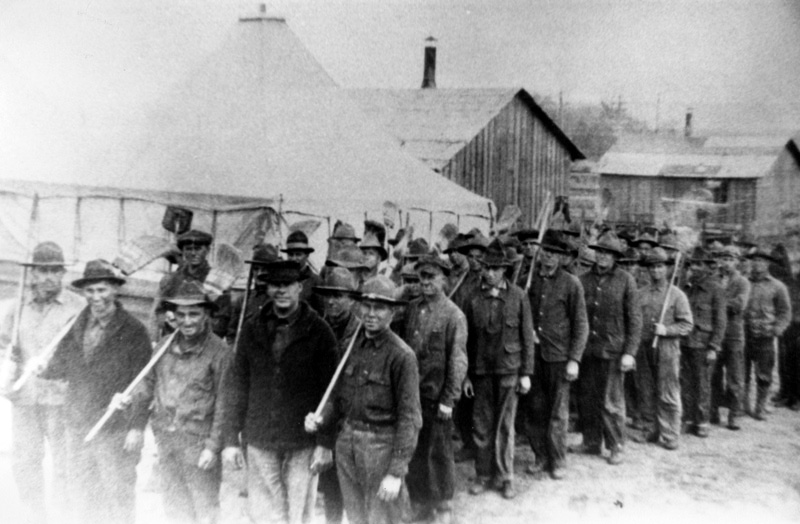
A group of men standing in lines with tents and buildings in the background.

The Burke-Wadsworth Act, passed in 1940, established the first peacetime military draft in U.S. history and formalized alternative options for COs, who could choose prison, a noncombatant role, such as medic or ambulance driver, or perform “work of national importance.”

This alternative service would be overseen by the newly established Civilian Public Service (CPS), a state–church hybrid administered by the Selective Service System and funded by the historic peace churches. From May 1941 to April 1947, a total of 12,000 COs were sent to CPS camps around the country, mostly former Civilian Conservation Corps properties established during the Great Depression.

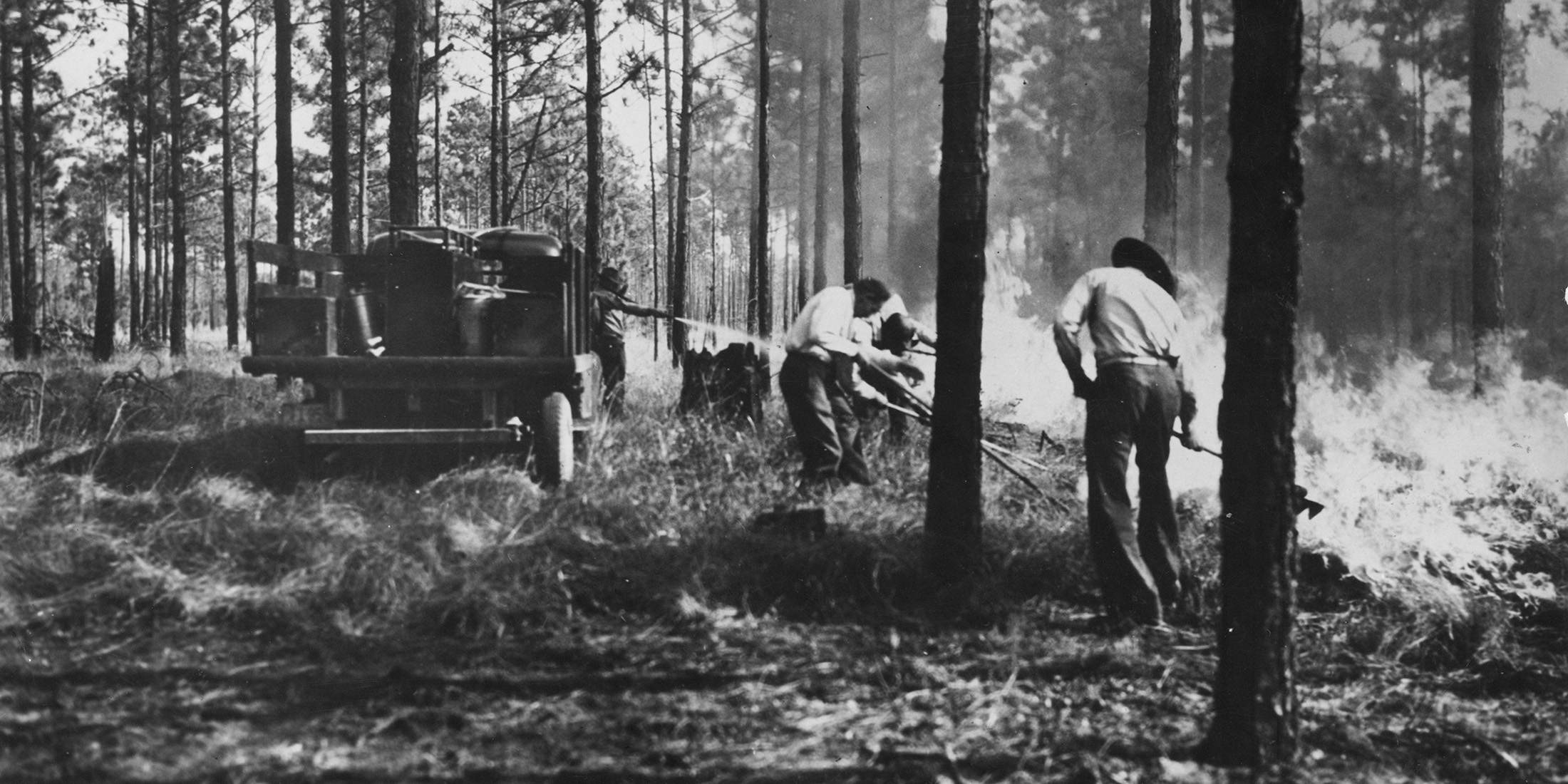
Some campers built roads and fought forest fires. Others were given “make-work” assignments, according to historian Nicholas Krehbiel. “They were one step away from ‘Dig this ditch and then tomorrow come back and fill it in.’ ”

Krehbiel’s grandfather Merrill Sanger, a Church of the Brethren member, spent the early days of the war in Magnolia, Arkansas, building irrigation ditches and planting kudzu to prevent erosion. For a Kansas farm boy, the work wasn’t particularly difficult or interesting. When a scientist from Indiana University arrived to recruit volunteers for a special new CPS unit, Sanger was intrigued.

A group of men in a forest standing near flames holding hand tools. A truck spraying water is behind the men.
A CO crew fights a forest fire in South Carolina, 1944.

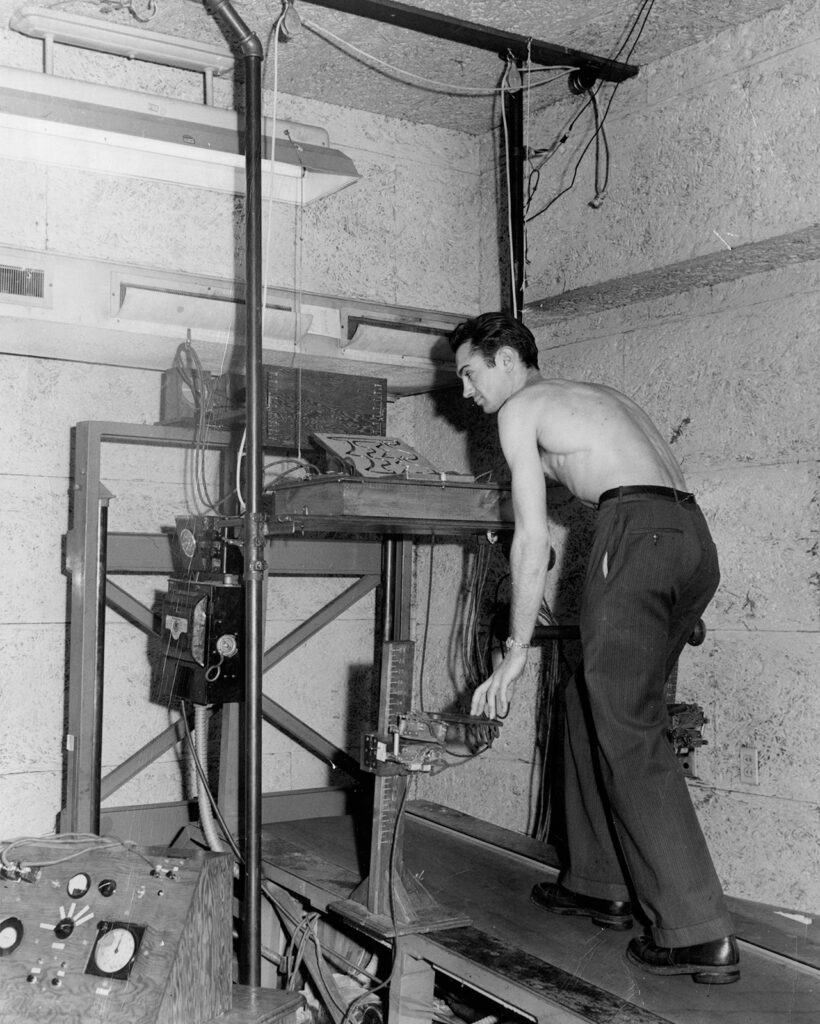
A few months later, Sanger lay on a cot in Bloomington, wrapped in a soaked sheet while the breeze from a fan raised goosebumps on his skin. Nearby, researchers monitored his efforts to sleep. In other experiments, scientists put Sanger on a treadmill in a hot, sticky room and ordered him to drink a salty solution. “They were essentially drinking a brine,” Krehbiel says.

Sanger’s Unit 115.15 was investigating the effects of thermal stress on the body in a bid to develop uniforms for troops fighting in various climates overseas. Despite the work’s entanglements with the war effort, it allowed Sanger to avoid “the possibility of having to take a life,” Krehbiel says. “He wasn’t willing to do that.”

The inspiration for Sanger’s research group and the other guinea pig units came from a Newsweek article from June 1942. It detailed a “heroic experiment” in which 12 British COs abstained from water to investigate survival techniques for shipwrecked sailors.

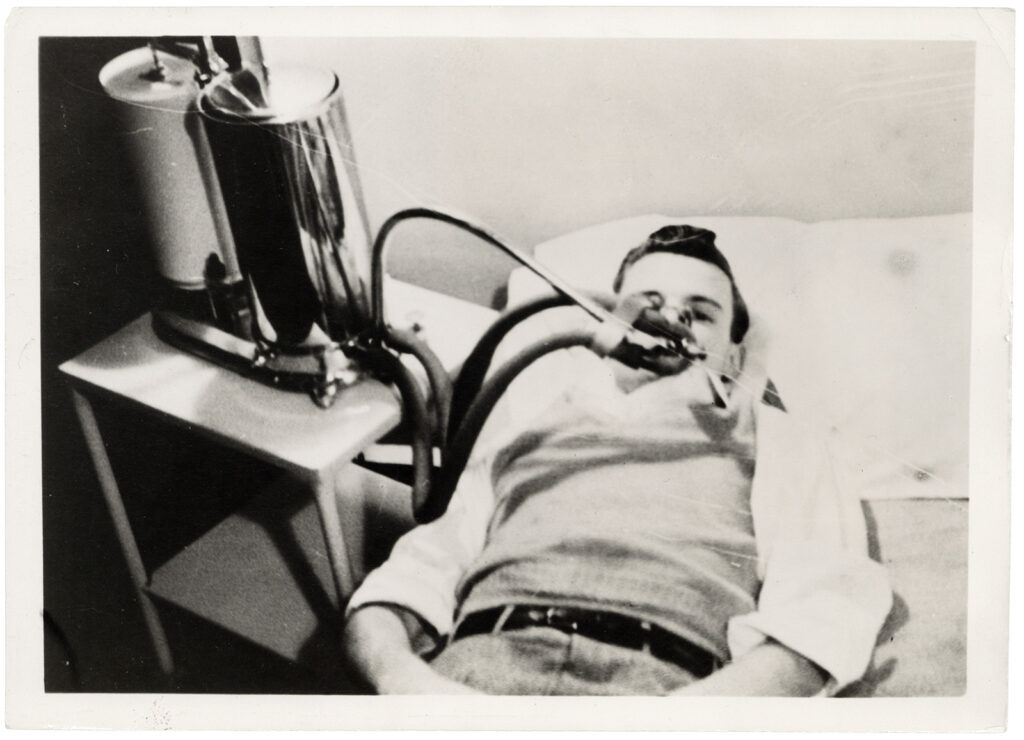
A man in a bed with tubes attached to his mouth.

According to Alison Bateman-House, an ethicist at the NYU Grossman School of Medicine, the article inspired a conversation between representatives from the Selective Service, the peace churches, the Office of Scientific Research and Development, and research institutions. The peace church contingent relayed campers’ desire for more meaningful work assignments, while research leaders saw a novel solution to a shortage of test subjects: able-bodied men residing in isolated, controlled environments.

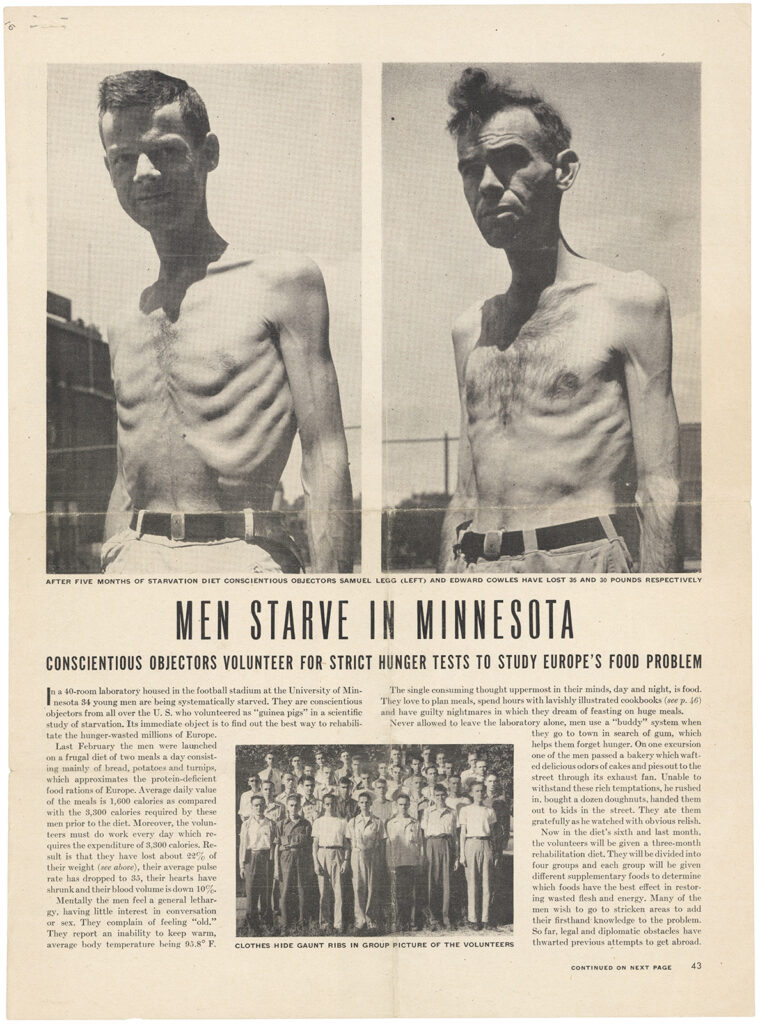
The most famous guinea pig unit, like its British counterpart, went without. The yearlong Minnesota Starvation Experiment began in November 1944 under the direction of Ancel Keys, the physiologist who would go on to popularize the Mediterranean diet and coin the term body mass index. Allied forces freeing occupied cities were encountering shell-shocked, starving residents. At the time, little was known scientifically about famine or how to safely recover from it. To answer that question, Keys proposed a grueling experiment: starve human subjects and then refeed them.

A page from a magazine featuring two gaunt men with their shirts off. The title text in bold letters reads: “Men Starve in Minnesota.”

More than 400 COs responded to a recruitment brochure that asked, “Will You Starve That They Be Better Fed?” Thirty-six were chosen. During the first three months of the study, the men consumed an individualized diet based on their body size to maintain a caloric balance—between about 3,200 and 3,500 calories a day. For the next six, they subsisted on half of that, derived from food common in war-torn Europe: bread, macaroni, root vegetables. The final three months were the rehabilitation period, in which test subjects were fed one of four diets of varying nutritional value. Throughout the year, COs were required to walk 22 miles per week and expend about 3,000 calories a day. Meanwhile, Keys’s team kept track of their health through X-rays, electrocardiograms, and blood samples, as well as endurance, intelligence, and personality tests.

During the starvation portion of the diet, the men experienced extreme exhaustion, dizziness, hair loss, irritability, and ringing in their ears. They got cold easily and needed extra blankets even during summer. Many saw the scale dip below 100 pounds. Eating became an obsession.

“It made food the most important thing in one’s life . . . and life is pretty dull if that’s the only thing,” remembered Harold Blickenstaff, who had maintained the Blue Ridge Parkway in Virginia before volunteering as a guinea pig. “I mean, if you went to a movie, you weren’t particularly interested in the love scenes, but you noticed every time they ate and what they ate.”

A man with long pants and his shirt off on a treadmill surrounded my monitoring equipment.

The men dealt with their fixation in creative ways, as Johns Hopkins researchers Richard Semba and Leah Kalm observed in a 2005 paper. One collected hundreds of cookbooks. Another bought doughnuts at the local bakery, handed them out to children, and watched with vicarious delight as they ate. Still others chewed gum so obsessively that scientists had to implement a two-pack-per-day limit.

Populations in such a condition, Keys concluded, could not be counted on to rebuild liberal democracies until properly fed. Ultimately, the war in Europe ended well before Keys’s experiment. However, its results informed Keys’s The Biology of Human Starvation (1950), a comprehensive account of the physical and psychological effects of famine. The two-volume work was the first to demonstrate the cognitive and emotional impact of starvation and to show that calorie intake—not vitamins or protein supplementation—was critical to refeeding efforts. Members of the research team also drafted a field manual for relief workers.

Other guinea pig units set out to find treatments for malaria, jaundice, and hepatitis. Still others investigated the psychological impact of wearing heavy clothes in tropical climates and the metabolic effects of extended bed rest. COs tested new hearing aids and how nutrition might ease or exacerbate altitude sickness. They were inoculated with contaminated blood and willingly contracted hookworm and frostbite. They ate high-protein diets and no-protein diets. They drank seawater, water tainted with raw sewage, or no water at all.

Some volunteered for multiple experiments. After his weeks wearing lice-infested underwear, Larry Miller agreed to eat a diet totally lacking in vitamin C. His third and last experiment involved getting sprayed in the throat with active atypical pneumonia. He spent seven weeks isolated in a hotel room as medical staff tested different medications. None of them worked.

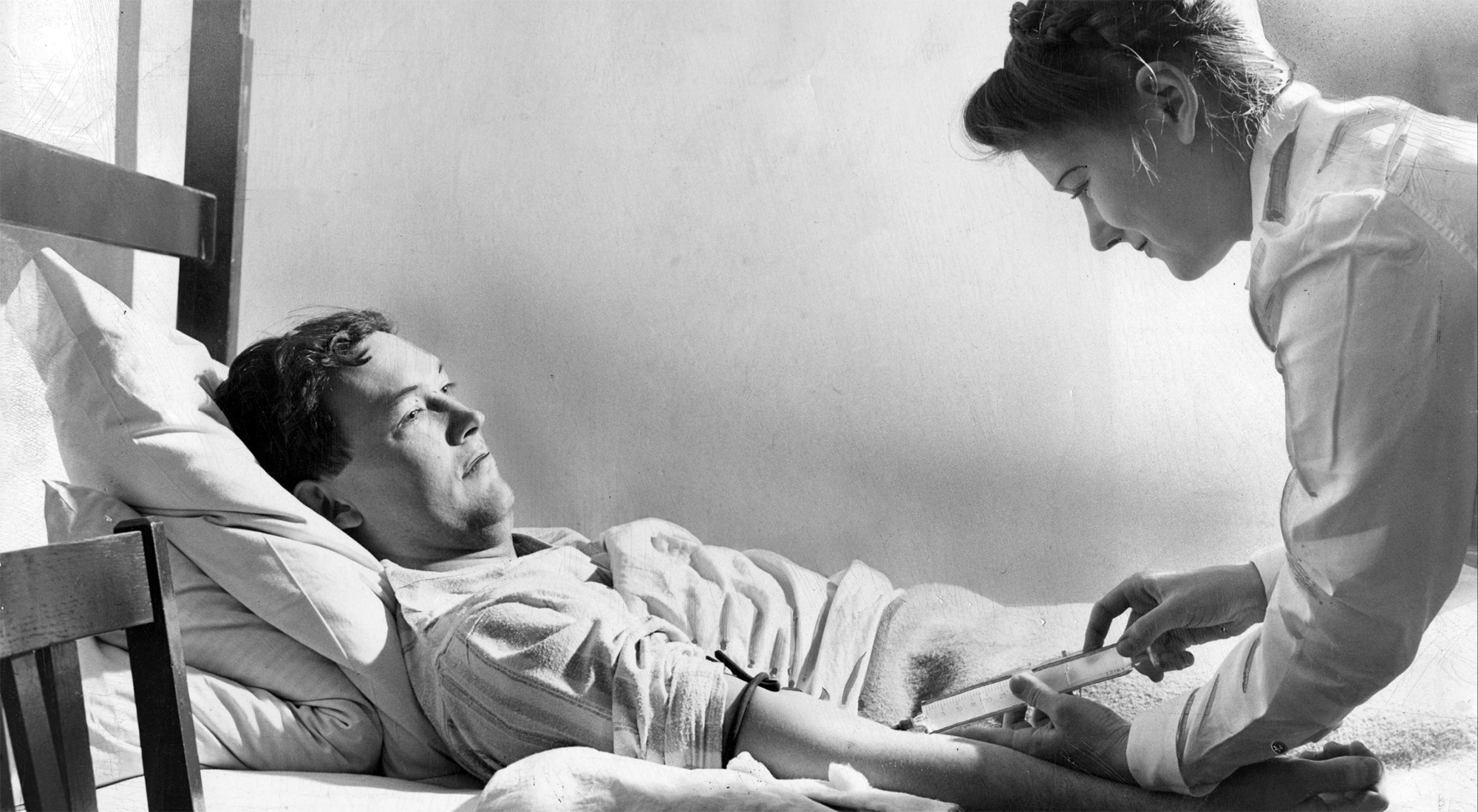
A man lying in a bed receiving an injection in his arm from a woman.
A CO participates in a hepatitis study at the University of Pennsylvania, February 1945.

In the years since, researchers have wrestled with ethical dilemmas posed by this program. While run by reputable researchers and institutions, these experiments were conceived of and executed at an accelerated pace and under tremendous wartime pressure.

“Becoming a ‘guinea pig’ was voluntary, albeit within an involuntary situation,” writes Allison Bateman-House. “A CO’s decision to serve as a research subject was made only after he had already navigated a difficult decision tree.” Following the war, the United States would develop a rigorous legal framework for human subject research, beginning with the Nuremburg Code in 1947, and eventually implement institutional review boards and informed consent standards. Seen through a modern lens, the CO experiments violate virtually all established bioethical norms.

But even decades later, many COs said they were warned about dangers and treated with care and professionalism. Furthermore, many stated they were proud of their service and would volunteer again if given the choice. “Our friends and colleagues in other places were putting their lives on the line, and you know, we wanted to do the same,” said Samuel Legg, a CO in Keys’s starvation unit.

“We felt like we were serving humanity,” Merrill Sanger told Krehbiel.

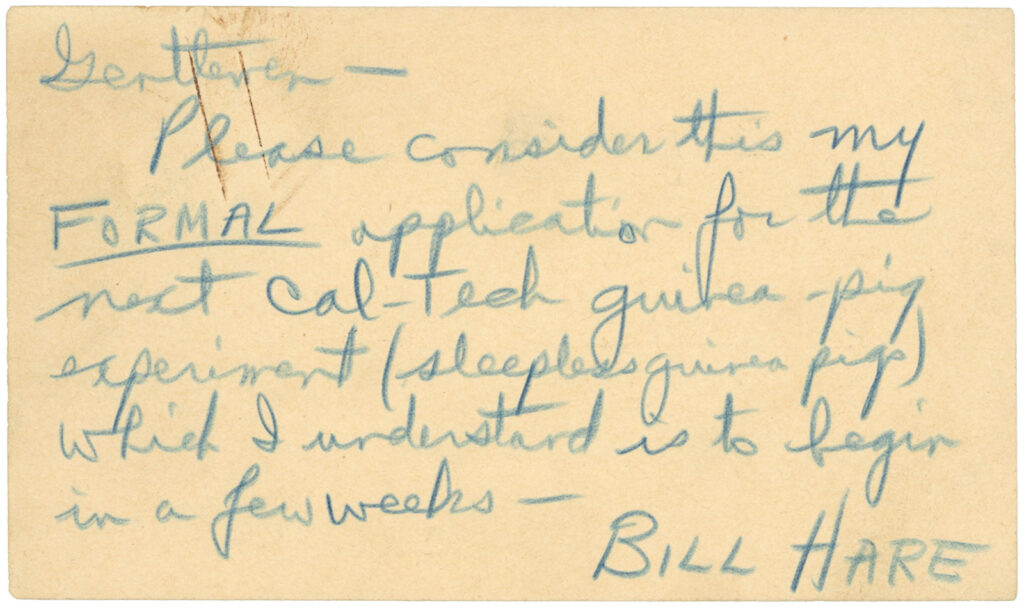
A small postcard containing handwritten text that reads: “Gentlemen–Please consider this my FORMAL application for the next Cal-Tech guinea pig experiment (sleepless guinea pigs), which I understand is to begin in a few weeks–Bill Hare.”

Nevertheless, the overall attitude toward CPS members during and after the war was one of derision. “There was certainly a sense they were not pulling their weight to the extent that men going into military service were,” says Goossen. Because veterans groups objected to them being released before active-duty military, the last of the CPS units weren’t released until March 1947, 19 months after the war in the Pacific had ended. Upon their homecoming, many COs were greeted with contempt. They were refused service in restaurants, had their homes vandalized, and were hanged in effigy. Unlike servicemen, CPS members did not receive pay for their labor nor GI Bill assistance or VA benefits after release.

“They didn’t really like talking much about it because it was so controversial,” says Krehbiel.

Additionally, plenty of COs felt conflicted about the work. “Many of these folks felt very uneasy about the churches sort of striking a bargain with a militaristic government,” Goossen says. Whether they were paving the Blue Ridge Parkway or testing typhus treatments, they knew another man had been called to the front lines in their place.

A number of COs were sent to jail for striking against what they saw as unfair labor practices. Some COs characterized their unpaid work assignments as “slave labor.” At the end of the war, the American Friends Service Committee, the Quaker organization that administered CPS work camps, withdrew from the program.

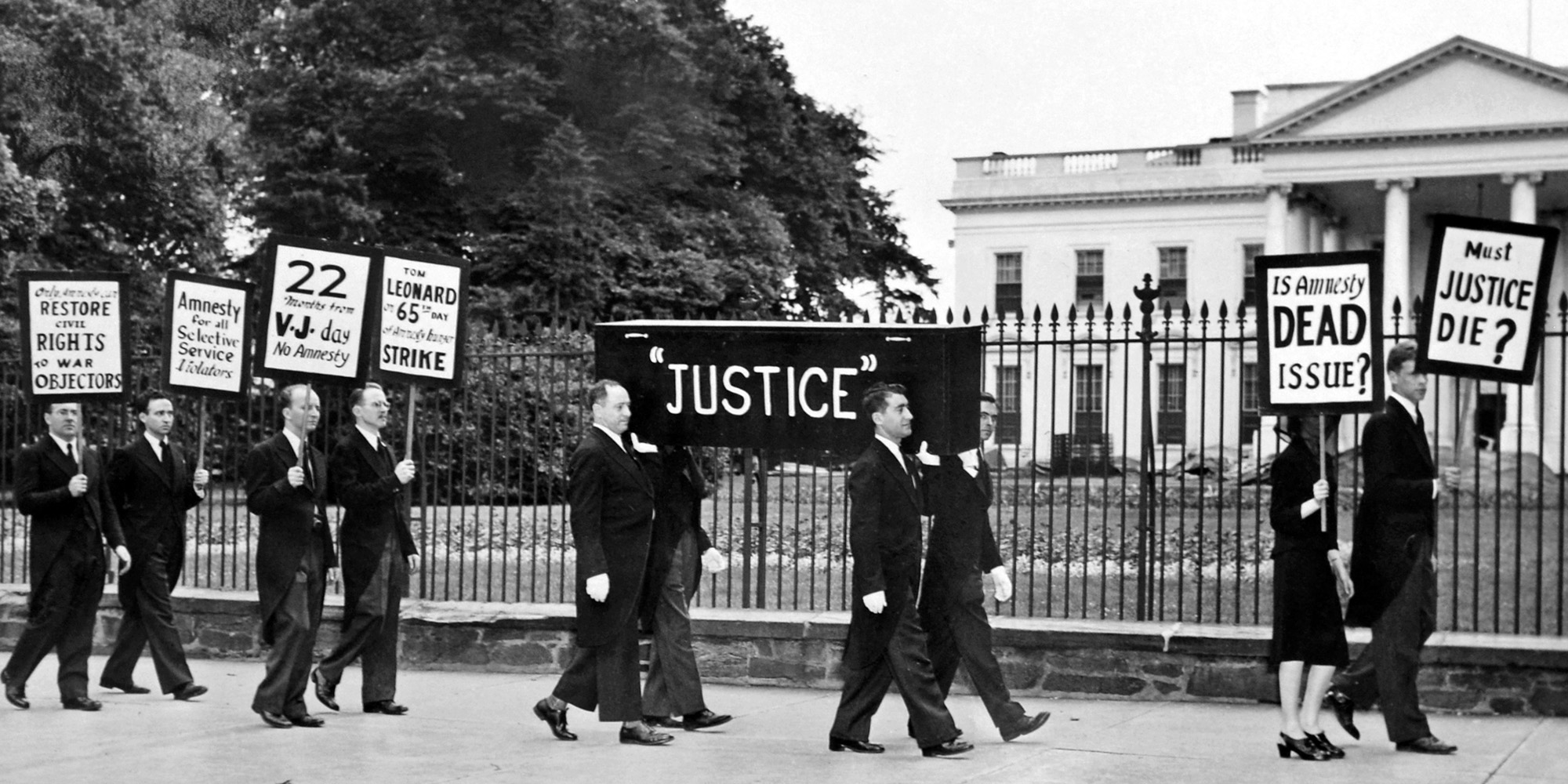
A group of men walking in front of a fence holding signs. Two men are holding a casket marked “Justice.”
Protesters picket the White House over President Truman’s refusal to grant amnesty to Selective Service violators, June 1947.

But the CPS’s contributions have had a lasting impact. Men who worked as aides in psychiatric hospitals, for example, were instrumental in exposing the deplorable conditions in many of these institutions and creating new standards of care in the treatment of mental illness.

After recovering from his bout with pneumonia, Miller served the rest of the war in North Dakota building irrigation systems. After his release, he attended seminary, then spent his career as a civil rights and peace activist for the American Friends Service Committee.

“What is clear to me now, over a half century later, is that my conscientious objection . . . served as a prelude to a life of commitment to Quaker service and witness,” Miller wrote in 2004. “Questions about war and peace were hammered out and brought into maturer form on the anvil of my experiences in Civilian Public Service.”

Twenty years after CPS ended, a series of Supreme Court cases expanded protections for COs, ruling that deeply held moral or philosophical beliefs, not just a faith tradition, is enough to earn CO status.

More from our magazine

Two men riding in a wagon on a road with deep holes.
DISTILLATIONS MAGAZINE

Not So Fast

The limits of racism, power, and the Good Roads Movement in the Americas.

A man leaning on a laboratory bench with machines in the background
DISTILLATIONS MAGAZINE

A Nobel Adventure

A twist of fate thrusts a protégé into the limelight of the Nobel Prize.

Two men standing next to a plane propeller in a room with metal walls.
DISTILLATIONS MAGAZINE

Delayed Arrival

Can sustainable air travel get off the ground?

    Republish

    Copy the above HTML to republish this content. We have formatted the material to follow our guidelines, which include our credit requirements. Please review our full list of guidelines for more information. By republishing this content, you agree to our republication requirements.