Live from Philadelphia, It’s the History of Science!
Celebrating 15,000 historical works in our digital collections.
Celebrating 15,000 historical works in our digital collections.
It seems like just yesterday that we were launching our digital collections: customizing the user interface, thinking deeply about metadata formats, learning the ropes of our intimidatingly powerful camera system, and putting the first digitized images from our archives, library, and museum online. But in a weird trick of linear time and human memory, it was not actually yesterday but early 2018 when we released the “DC” into the world. And we haven’t stopped digitizing since.
As of June 2026, we now have more than 15,000 works in our digital collections! All available to the public for free, each one documents a special piece of the history of science, from 15th-century alchemical tomes to interviews with current scientists. And every item is also the result of lots of behind-the-scenes labor here at the Institute. Digitizing our collections is a team effort that involves the work of curators, librarians, archivists, application developers, and interns, all working together to make our collections more accessible to the world.
So of course, our celebration is a team effort, too! Here are some highlights from our digital collections, from the people who make it possible and the Institute staff members who use it in their daily work.
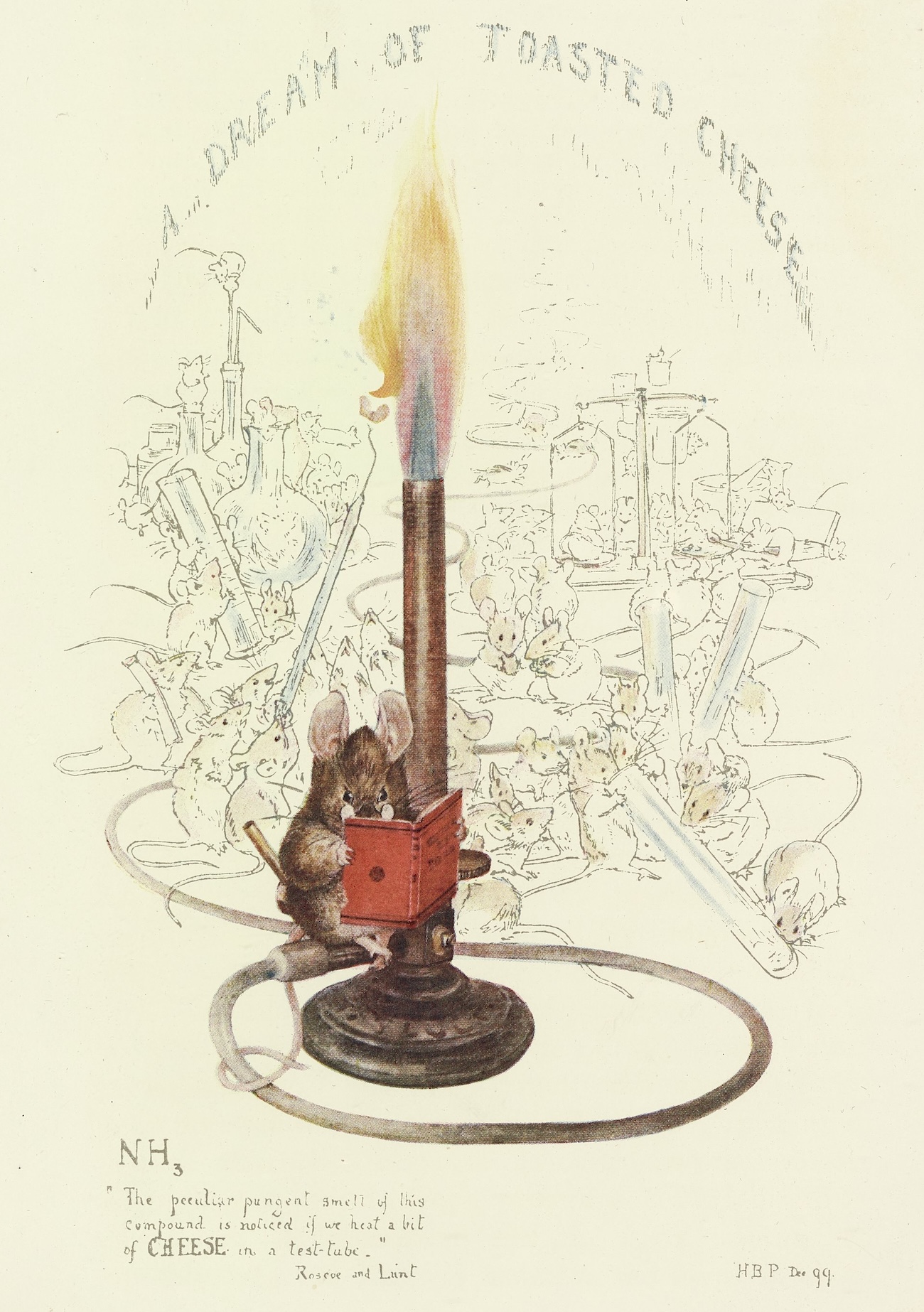
“A Dream of Toasted Cheese” is a surprisingly cozy and whimsical addition to our collections. Beatrix Potter created this illustration of mice in a laboratory as a gift for her uncle, the English chemist Henry Roscoe, who included it in his autobiography. It is inspired by a quote from Inorganic Chemistry for Beginners, a textbook Roscoe cowrote with Joseph Lunt that was first published in 1893. The line that Potter based the illustration on is from the lesson on preparing ammonia compounds: “The peculiar pungent smell of this compound is noticed if we heat a bit of cheese in a test-tube.”
As someone who joined the Institute with little to no science background, I see “A Dream of Toasted Cheese” as a perfect example of how our digital collections truly offer something for everyone. One of my favorite parts of the digital collections is discovering the remarkable breadth and depth of the collections. There is truly always something new to discover.
I really love Baseline: The Chemist, a 1977 short film produced by the American Chemical Society that’s a free-verse, stream of consciousness poem about the cosmic importance of being a chemist. It’s a great video to chill out to and, like, contemplate the nature of the universe, man.
There’s a clip above, but please click through to the digital collections to see the whole thing, especially the “Desiderata”-style ending.
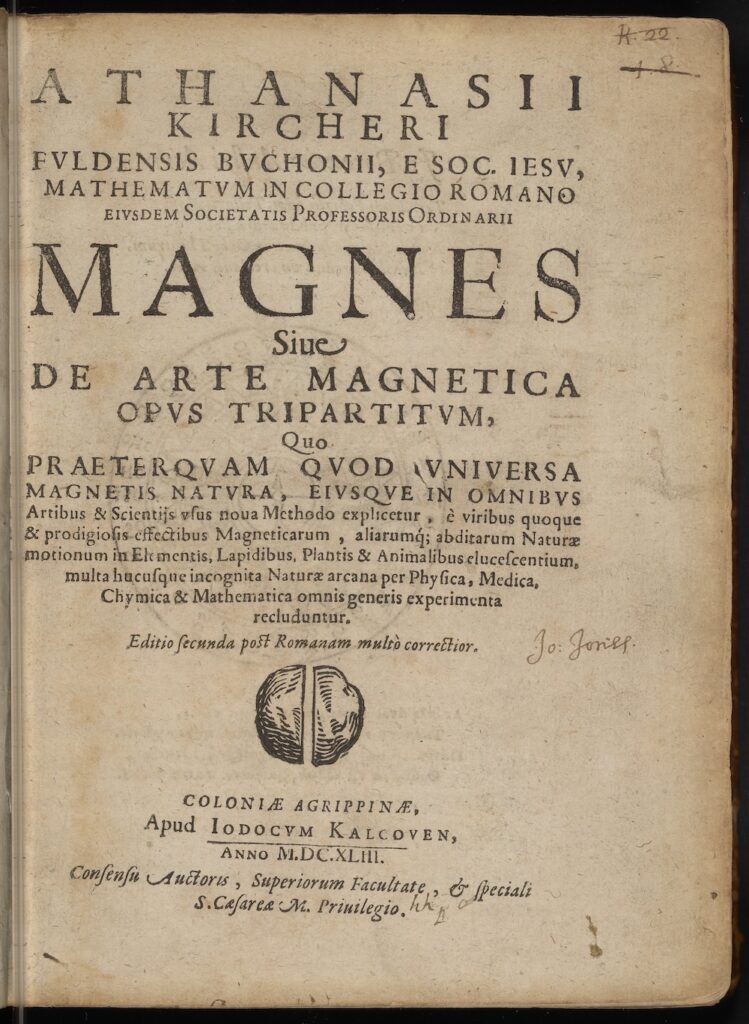
Why is this volume so cool?
1) The extraordinary long and pompous title: THE MAGNET, or ABOUT THE MAGNETIC ART, A WORK IN THREE PARTS, IN WHICH NOT ONLY ARE THE FULL NATURE OF THE MAGNET AND ITS USES IN ALL the Arts and Sciences explained through a new Method, but also, through the forces and prodigious effects of magnetic and other hidden motions of Nature, manifesting in Elements, Minerals, Plants and Animals, many secrets of Nature, hitherto unknown, are revealed through Physical, Medical, Chemical and Mathematical experiments of every type.
2) It serves as a sort of “cabinet of curiosities” in book form. With its many diagrams, maps, and engravings, liberally sprinkled with exotic scripts, it signals that the owner must be a fancy person indeed.
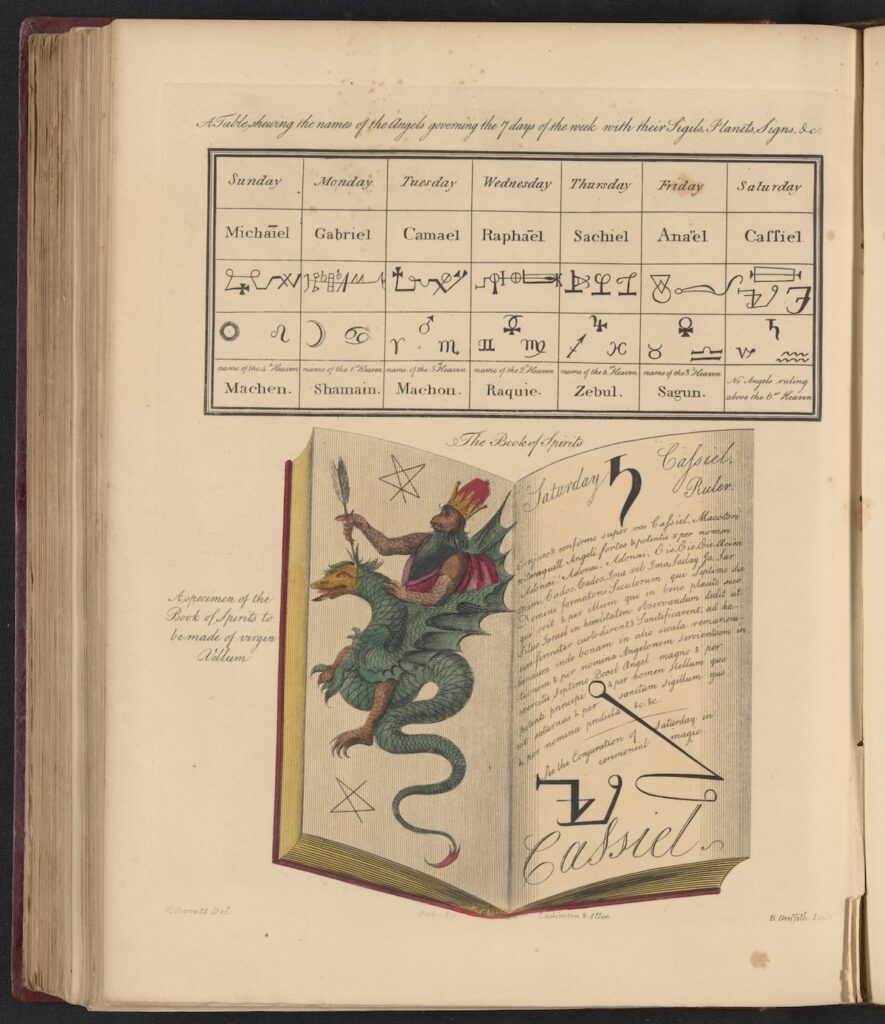
Francis Barrett’s The Magus, or Celestial Intelligencer. Barrett is a consummate self-promotor, who claims expertise in “Chemistry, natural and occult Philosophy, the Cabala, &c. &c.” The book is wildly heterogeneous: it’s chock full of magic seals, talismans, sigils, colorful “fallen angels,” “vessels of wrath,” celestial writing tips: you name it. It conceals books within books, and one can easily get lost trying to figure out how the parts relate to the whole. I suspect many would find tattoo inspo in here!
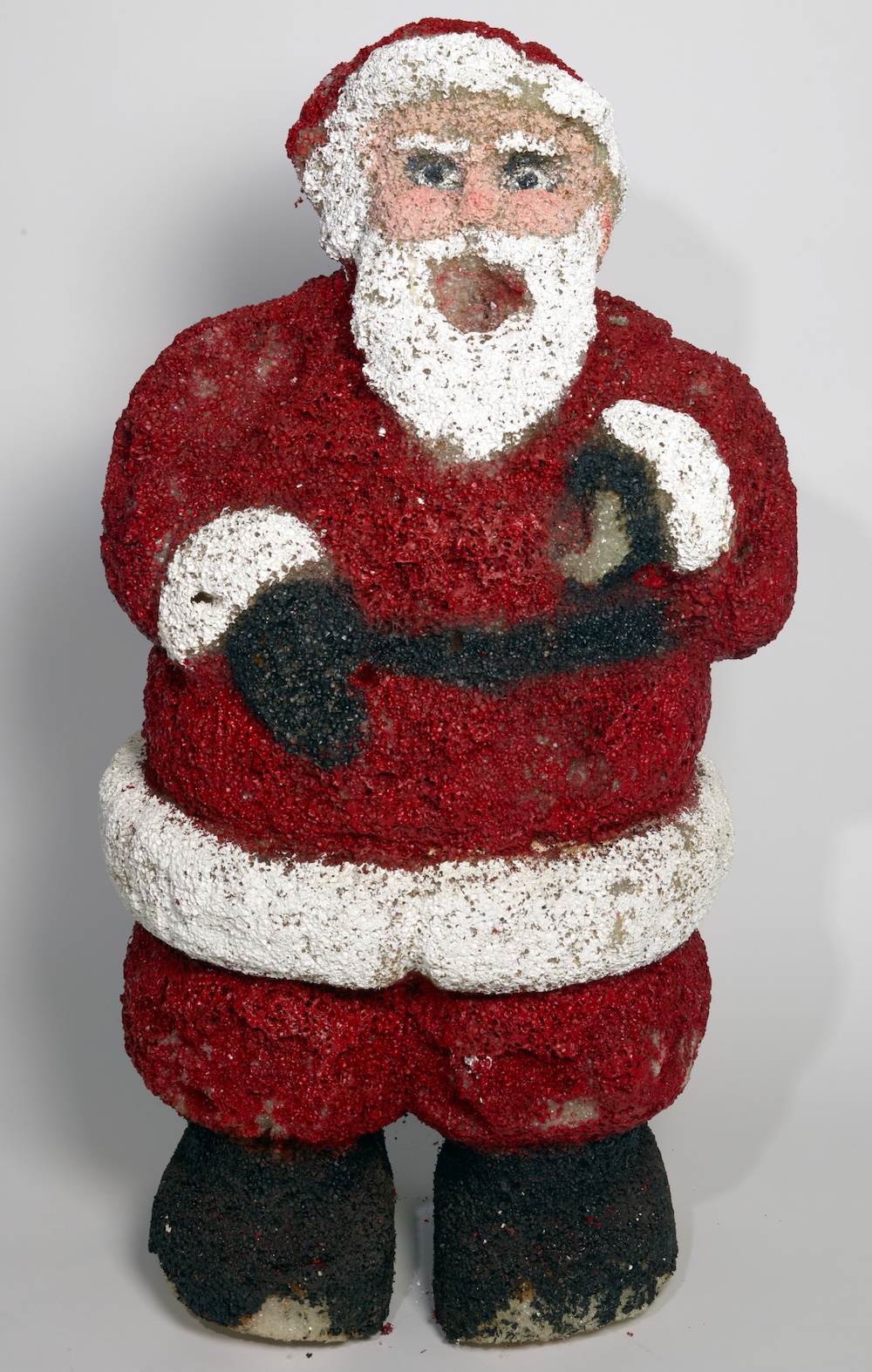
WE HAVE A STYROFOAM SANTA IN OUR COLLECTIONS!!!
[To find out why Erin is so enthusiastic about this specific Santa, you can read her December 2025 blog post, “Foam for the Holidays.”]
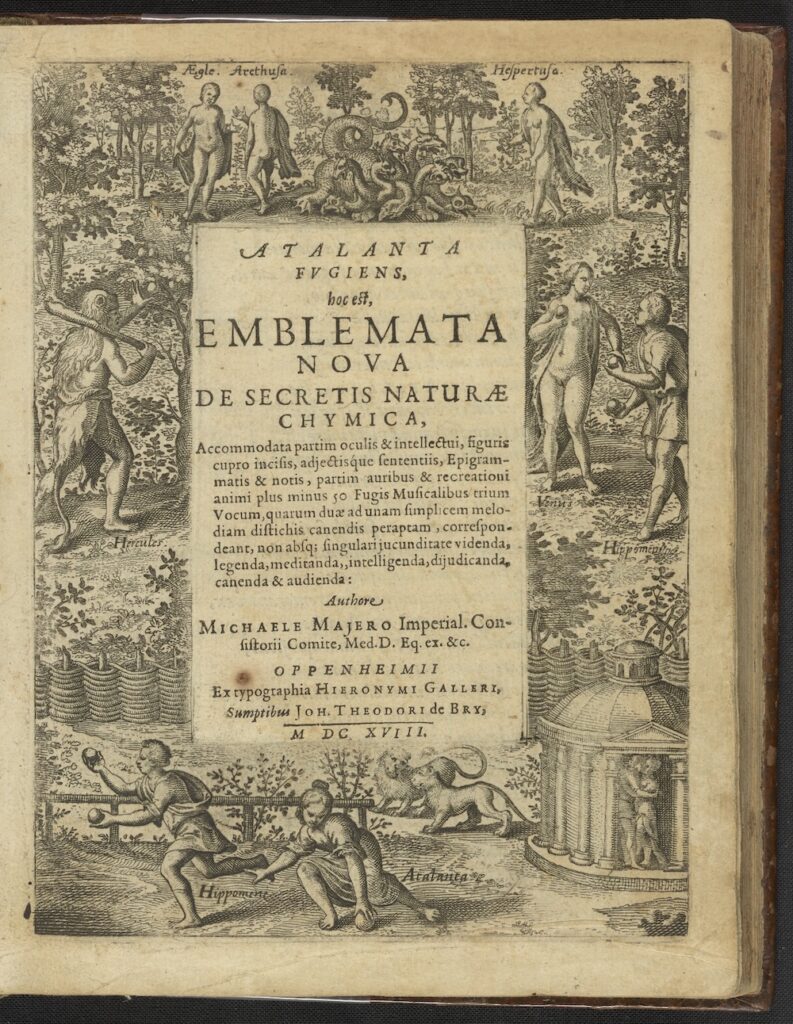
My favorite item in the Institute’s digital collections is also the DC’s most-clicked work: Atalanta Fugiens (Atalanta Fleeing), an alchemical emblem book first published in 1617 by German physician Michael Maier. The striking copperplate engravings are what first drew me to this renowned rare book, but the more I learned about it, the more I fell in love with it. Based on the Greek myth of Atalanta and Hippomenes, which tells the story of a race between the beautiful huntress and her golden apple-dropping suitor, Atalanta Fugiens features 50 engraved illustrations, each accompanied by a discourse (notes) and an epigram (motto or short saying) in verse set to music in the form of a fugue (flight) for three voices. Mystery, magic, and music: what’s not to love?
Or it could be that I was drawn to Hercules, who is pictured on the book’s title page, and it reminded me of high school, doing my Latin homework at my kitchen table and scaring my South Philly Catholic mother by reading stories about the Roman god out loud in my best possessed-by-the-devil voice.
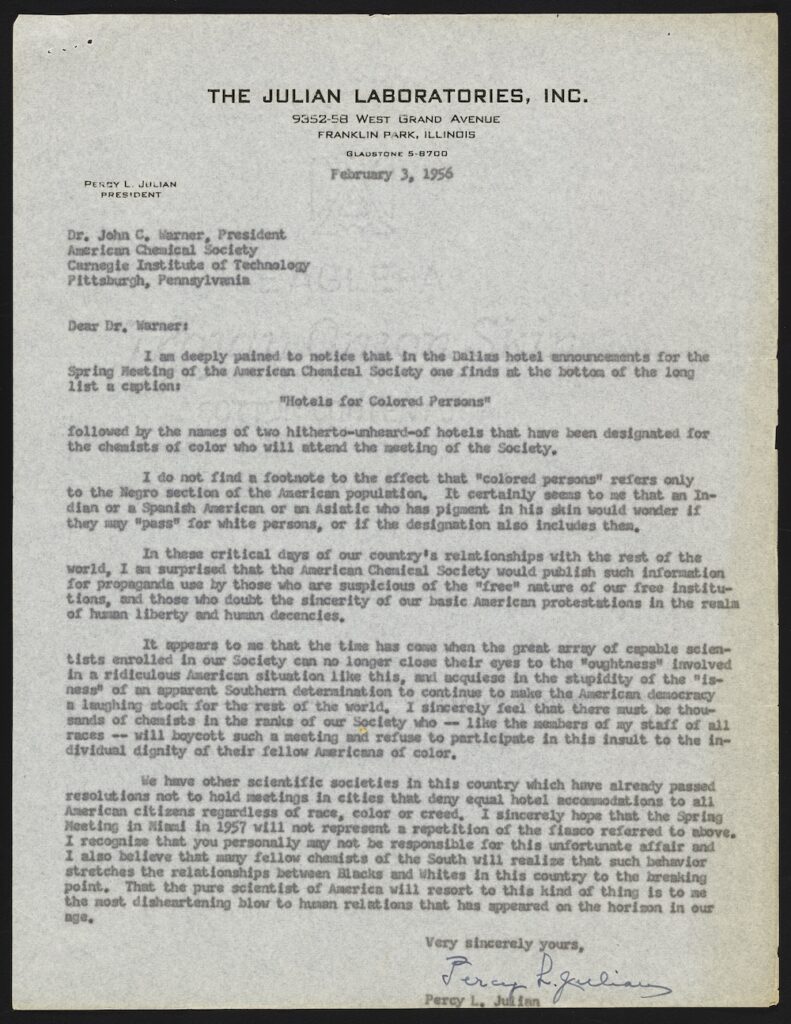
The Institute’s archives are full of materials that document major scientific breakthroughs, but sometimes, a single letter matters just as much because of what it reveals about the person behind the science. That is what stands out to me about this 1956 letter from Percy Julian to the American Chemical Society (ACS).
Julian was responding to an announcement of an ACS meeting in Dallas, Texas, that included a separate list of “Hotels for Colored Persons.” What makes the letter remarkable is how directly he addresses the issue. He does not soften segregation into a matter of inconvenience or regional custom, but rather, he argues that it undermines the integrity of the scientific community itself. For Julian, segregation was a direct contradiction of the ideals the profession claimed to uphold.
What I find especially compelling is that the letter was written in the moment, not years later as a reflection or memoir. It captures frustration, conviction, and moral clarity as events were actually unfolding. One can almost sense Julian deciding that silence was no longer acceptable.
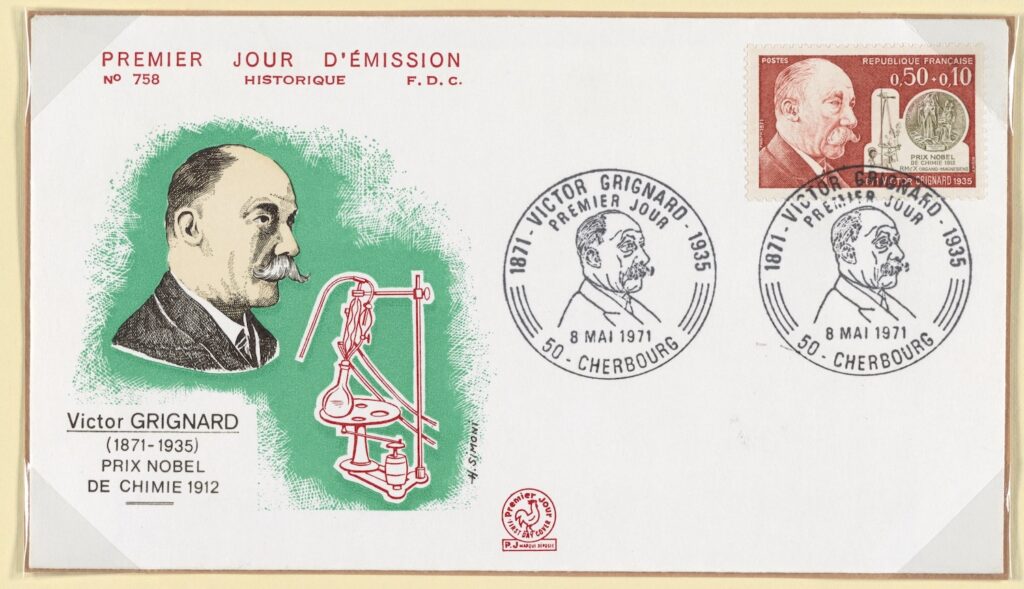
The First Day Cover commemorating French chemist Victor Grignard is my favorite work in the digital collections because of what and whom it commemorates. Grignard‘s reaction method was one of my early favorites in my organic chemistry classes because of how useful it is in creating new carbon-carbon bonds, and the reaction earned Grignard the 1912 Nobel Prize in Chemistry with Paul Sabatier. The Grignard reaction is still used today to make pharmaceuticals, such as well-known pain medications like tramadol, naproxen, and ibuprofen. The apparatus depicted on this postage stamp is also almost identical to the one I used in the lab, which I find pretty neat!
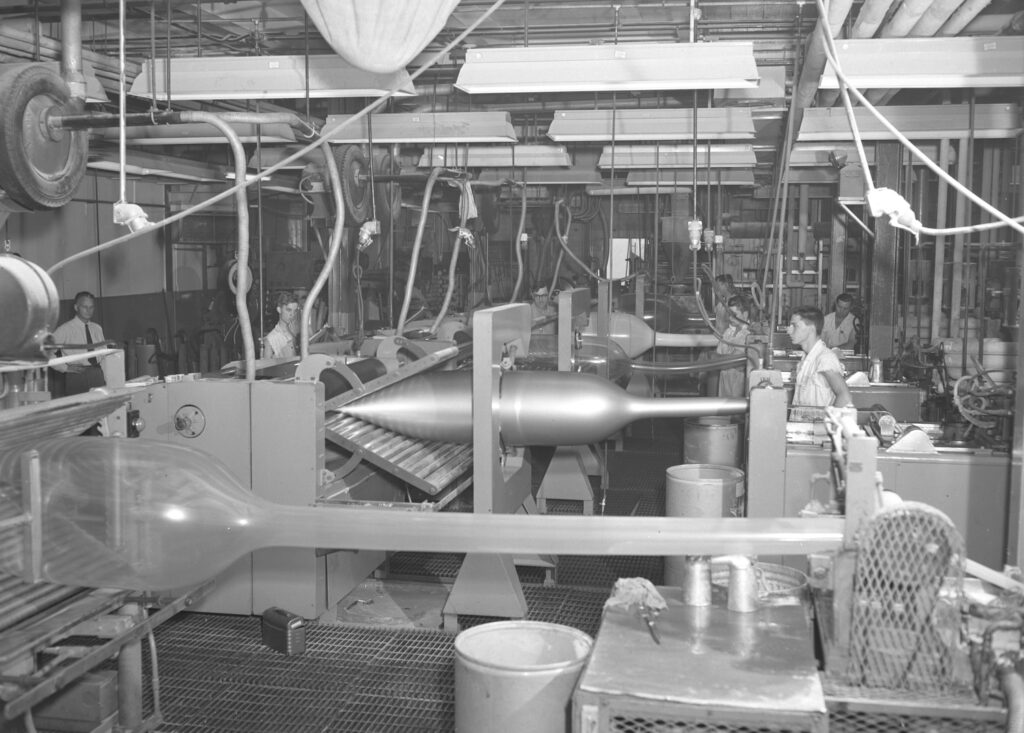
I love watching how Dow’s corporate photographers took 36 years to figure out the ideal picture of Saran Wrap production. A 1951 photo (above) features a machine operator staring vacantly as a solid silver bubble of plastic rolls out of an extruder. A shot from 1957 still features a bored operator, but the photographer has captured a cubist factory of lights and hoses reflecting on the surface of a clear saran bubble. In 1972, a photo frames a factory worker inside a fully expanded reflective bubble, slightly distorted with his thumb hooked in his pocket. Finally in 1987, the photographers understand: full color, three people standing enthralled as a fourth gestures animatedly, seen through a huge opalescent bubble of saran reflecting a royal purple carpet.
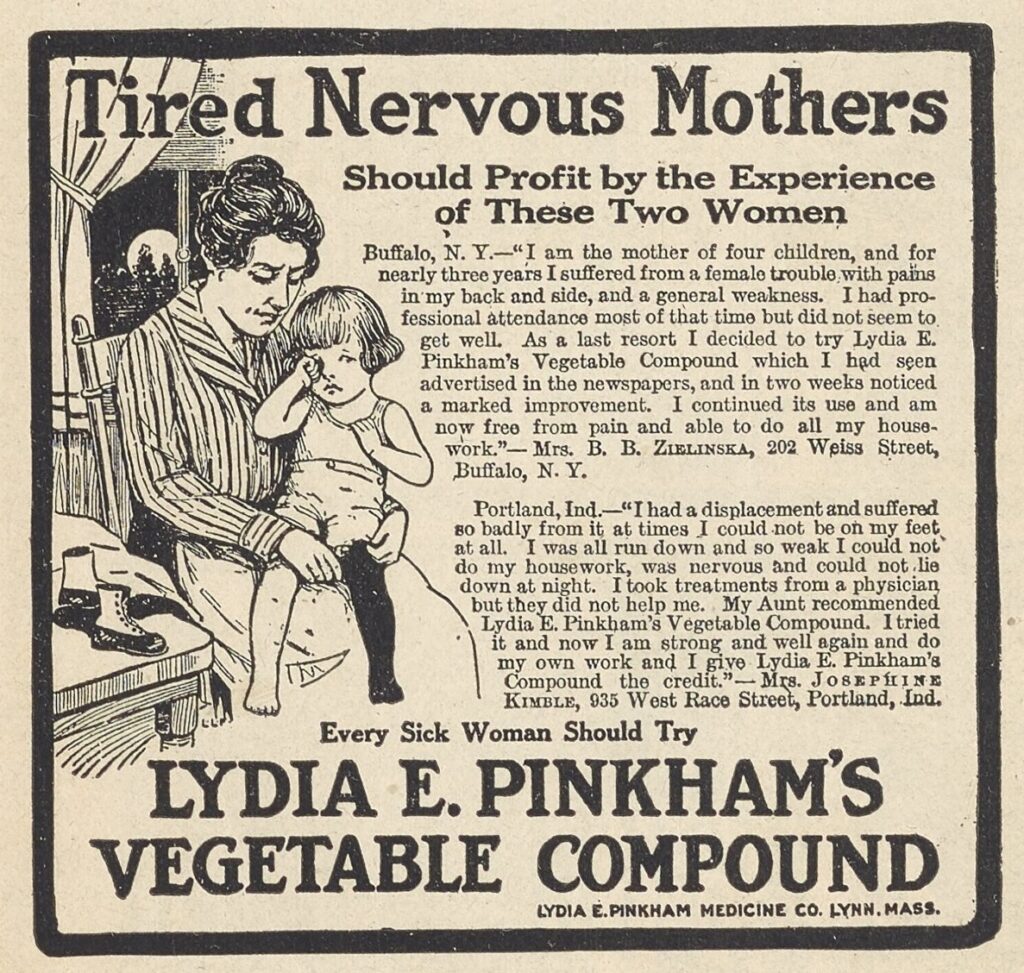
I enjoy medicine packaging and advertising, so much so that I walk the aisles of CVS like a museum gallery. The digital collections house endless medical gems—each occupying its own place on the spectrum of safety and efficacy—so I’d like to call out Nostrums and Quackery: Articles on the Nostrum Evil, Quackery and Allied Matters Affecting the Public Health, released in 1911 by the Journal of the American Medical Association. Its pages are like a turn-of-the-century TikTok scroll of influencer-peddled remedies, stitched together by the physicians who debunk them.
The American Chemical Society’s video, Tracing the Path: African American Contributions to Chemistry in the Life Sciences (circa 1994), stands out to me because it connects chemistry to life, medicine, history, and representation in a really compelling way. I was especially drawn to how it highlights African and African American contributions to science. I also enjoyed that the video presents science not only as a field filled with history, but also as something that we can actively participate in and help shape.
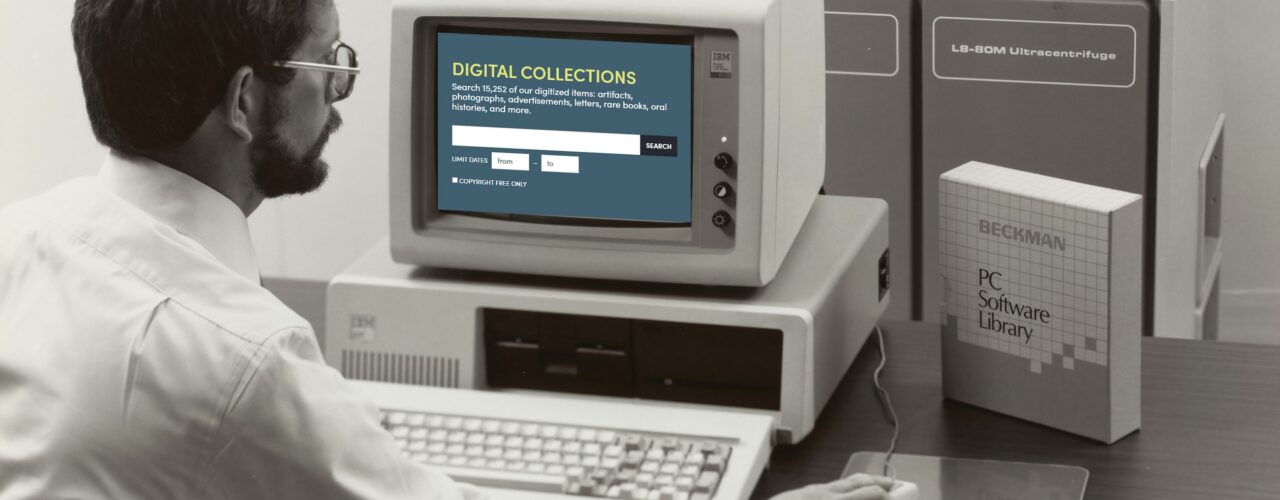
Featured image: Enhanced detail of Beckman Instruments’ Just Captured: The World of Ultracentrifugation with the SpinPro Expert System advertisement, 1980s.
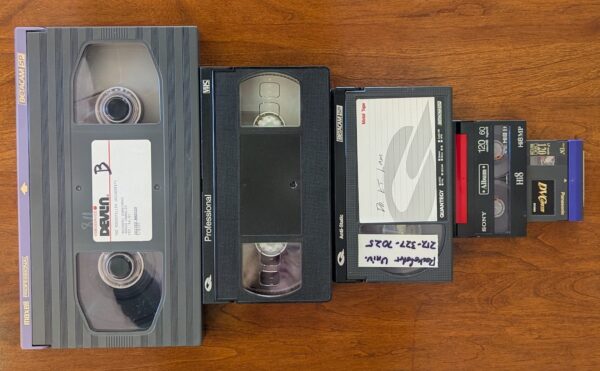
Bringing the past to life with an obsolete video format.
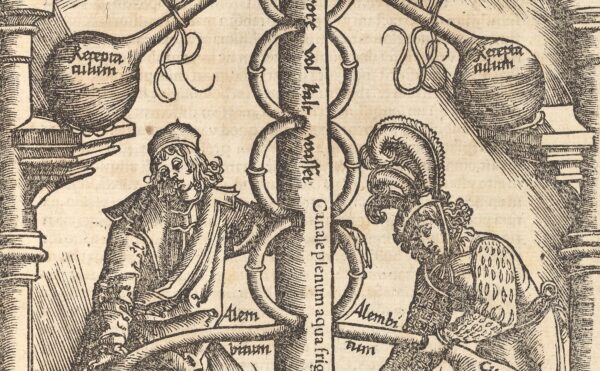
Highlighting the research projects of our current resident scholars.
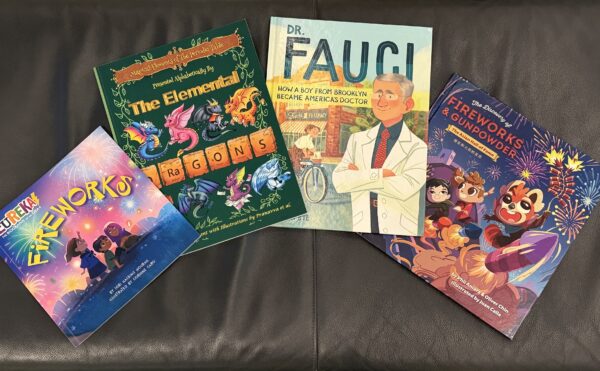
How do science books for kids today compare with those that have come before?
Copy the above HTML to republish this content. We have formatted the material to follow our guidelines, which include our credit requirements. Please review our full list of guidelines for more information. By republishing this content, you agree to our republication requirements.